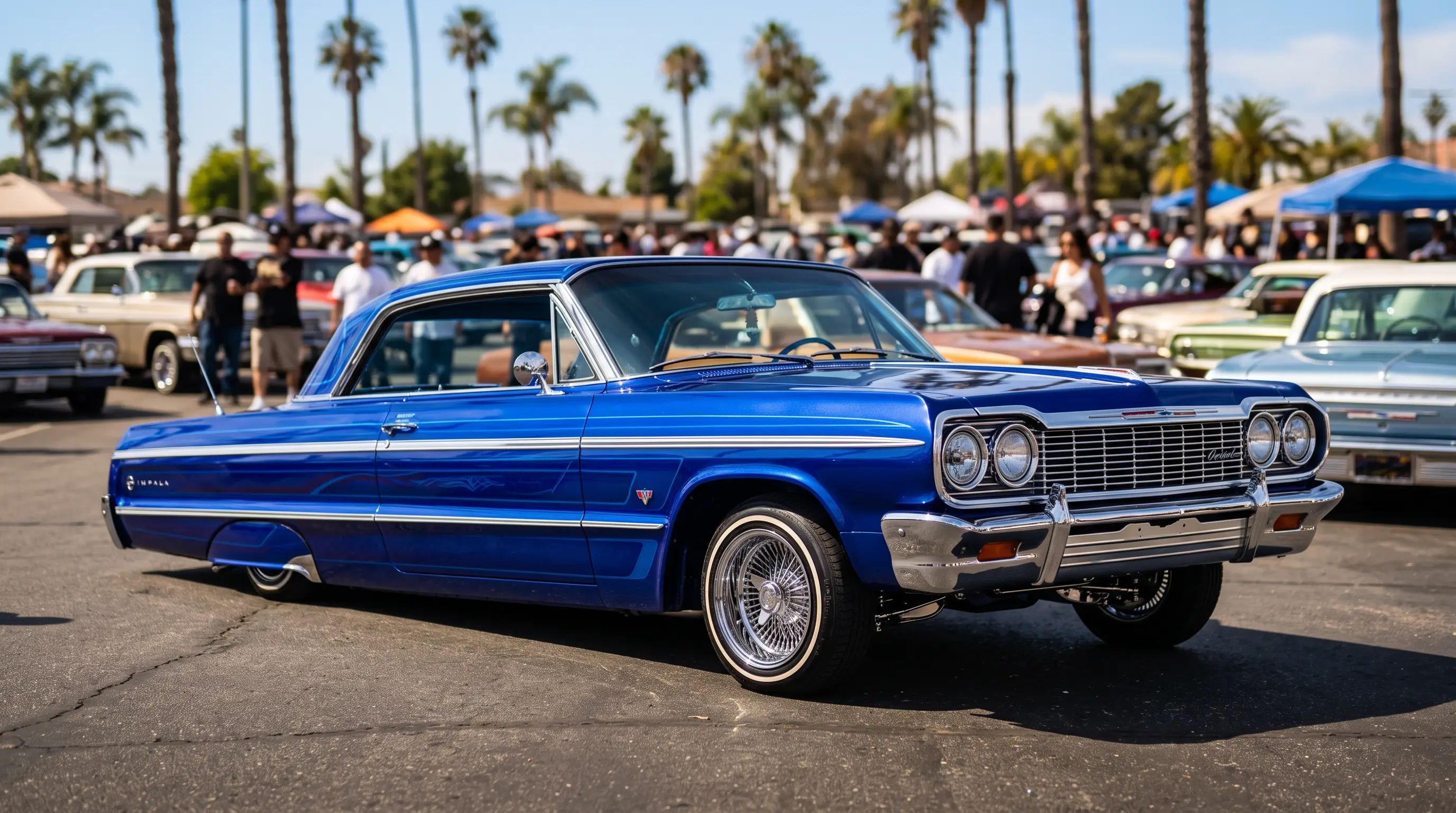
My uncle used to say a lowrider without a club behind it is just a car with expensive paint. I did not understand what he meant until I spent enough Sundays at cruises watching how a club plaque on a trunk lid changed the way people looked at a build. Lowrider car clubs did not just organize events, they built the entire framework of rules, respect, and reputation that turned individual Impala builds into a genuine movement with its own standards and its own history.
Where the first clubs came from
Organized car clubs built around lowered, customized cars started forming in Southern California in the years after World War II, as young Mexican American car enthusiasts began customizing full size Chevrolets and other American cars into something distinctly their own. These early clubs gave builders a formal structure, meeting regularly, setting standards for what counted as a proper build, and organizing cruises where members could show off work that individual builders would never have gotten in front of an audience on their own.
The club structure mattered because it created accountability. A member showing up with sloppy paint or a rattling suspension reflected on the whole club, not just himself, and that social pressure pushed the quality of builds upward across the entire scene. Clubs also gave younger members a place to learn from experienced builders directly, an informal apprenticeship system that passed down paint techniques, hydraulics knowledge, and body work skills long before any of it got written down in a magazine or a book.
How membership actually worked
Joining a respected club was never as simple as showing up with a lowered car and a hundred dollars in dues. Prospective members typically spent time around the club before being asked to join, getting a feel for whether their approach to building and showing cars matched the group's standards. Some clubs required a car to reach a certain level of completeness before a member could carry the plaque at all, treating that piece of chrome as something earned rather than purchased. Dues covered practical costs, insurance for group events, entry fees for shows, gas money for long cruises, but the real currency inside these clubs was reputation, built slowly through consistent participation rather than a single impressive build.
Leadership structures also mattered more than outsiders tend to assume. A club president was not just an event organizer, he was often the person who mediated disputes between members, decided how the club represented itself at regional shows, and set the tone for what kind of behavior reflected well on the group. That internal structure gave lowrider car clubs a durability that looser, informal groups of enthusiasts rarely achieve, and it explains why so many of these organizations survived decades of changing trends in the broader car hobby.
How clubs shaped what a proper lowrider looked like
Every club developed its own reputation and, often, its own signature style, whether that meant a particular approach to murals, a preference for certain colors, or a house style for interior work. Members competed within their own club and against rival clubs at shows, and that competitive structure is a big reason lowrider culture developed such consistent standards despite having no central organizing authority the way a factory racing series might. The clubs policed quality informally but effectively, through reputation and peer pressure rather than any written rulebook.
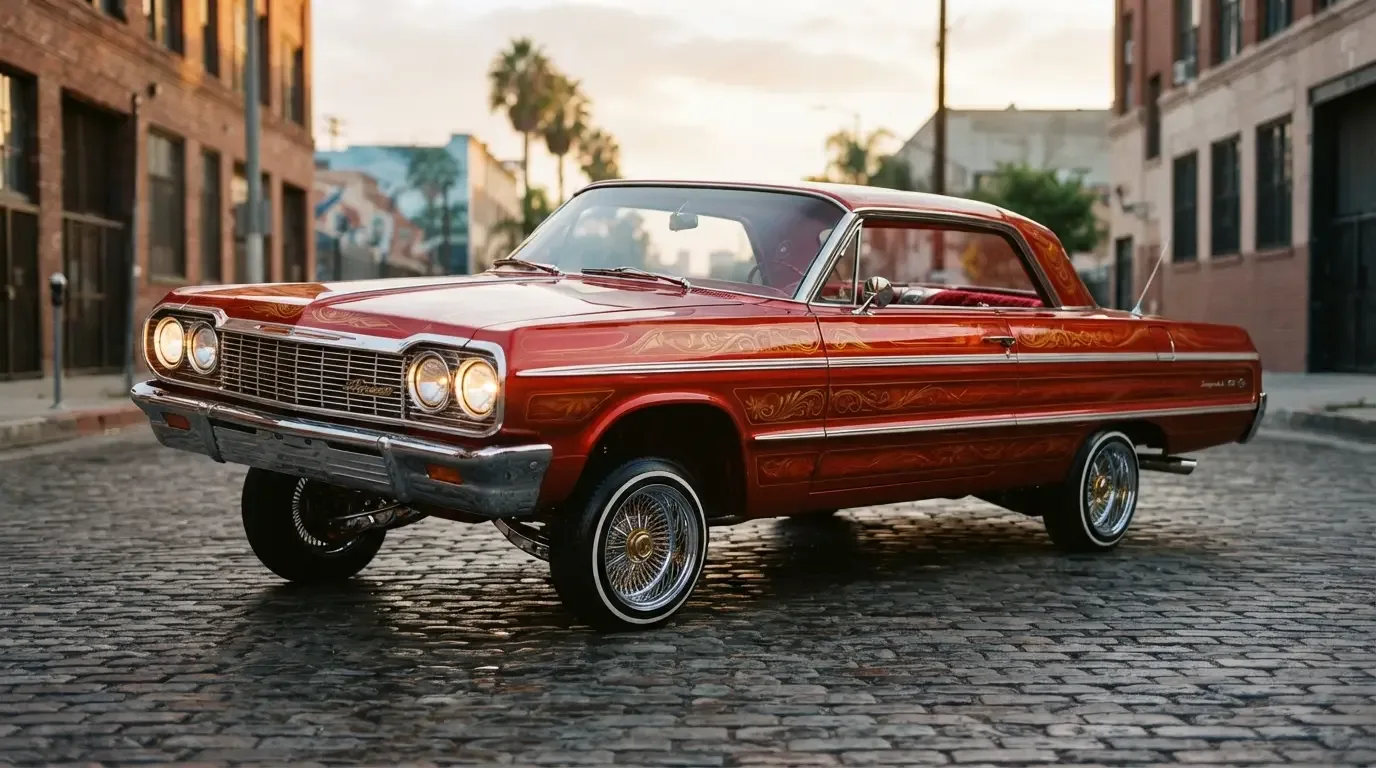
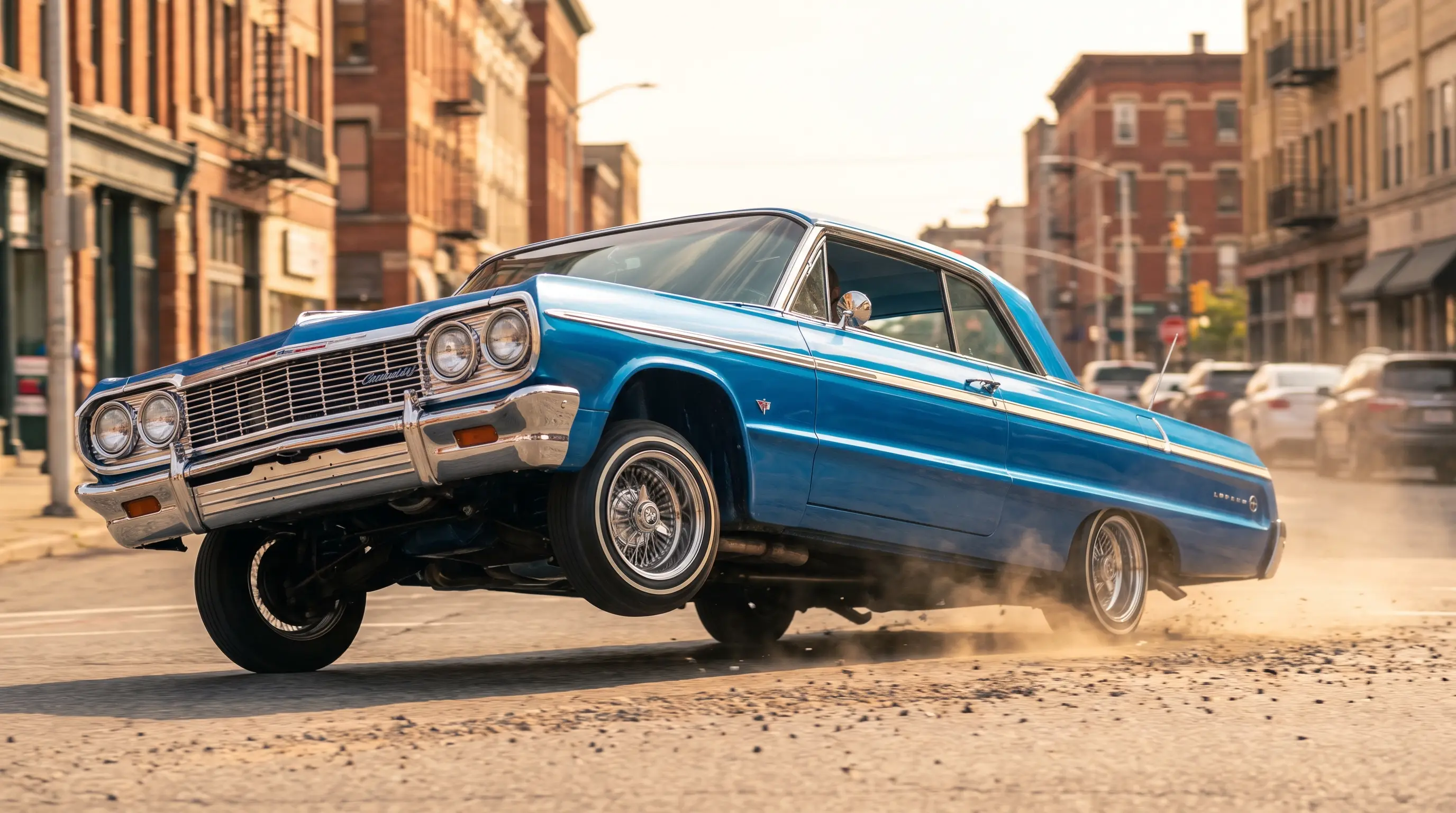
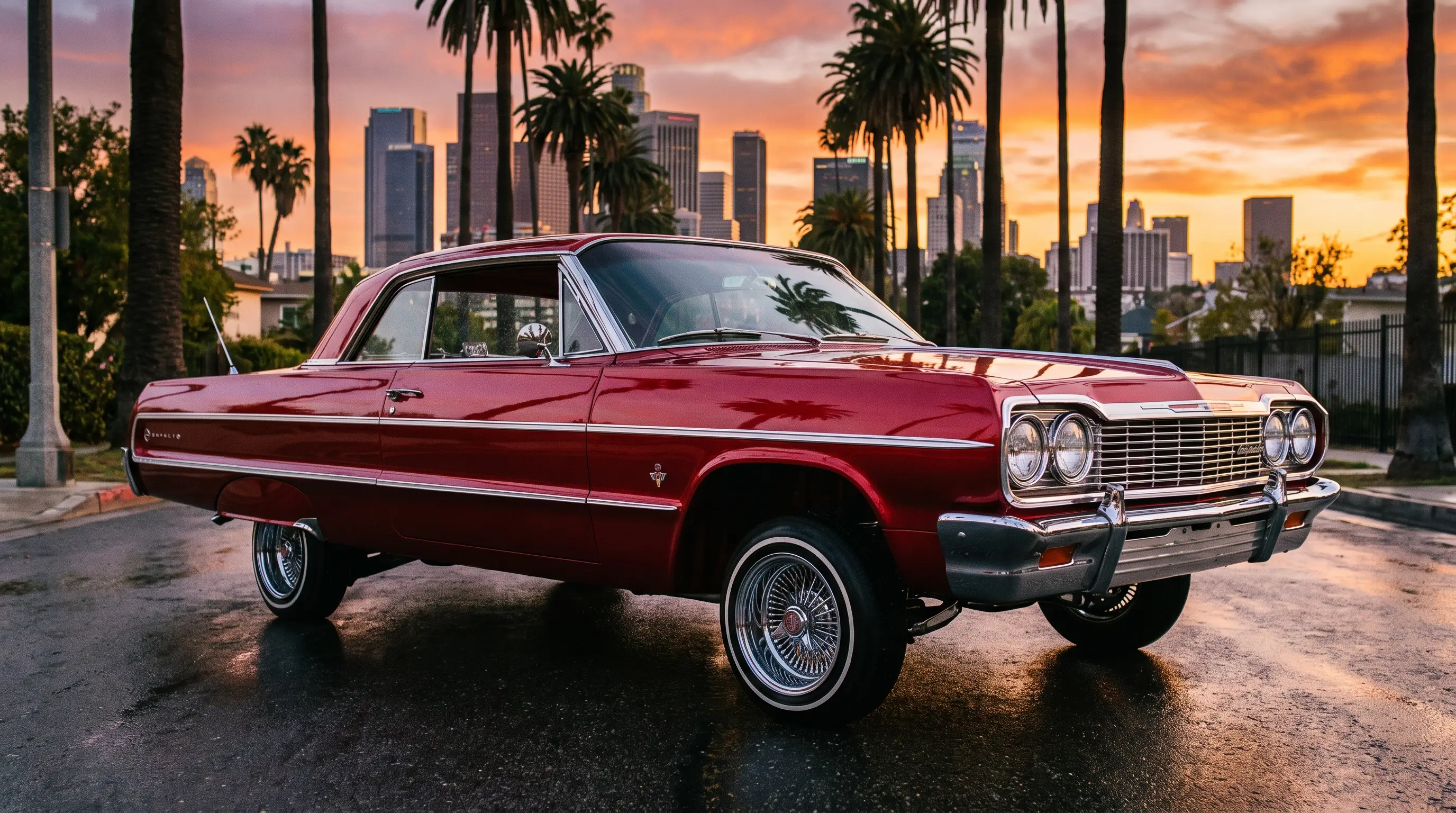
The Impala specifically became a common choice within these clubs partly because its full frame construction handled hydraulics well, and partly because once a few respected clubs adopted the body style as their standard, younger builders followed that lead almost automatically. Reputation inside these clubs traveled fast, and a body style endorsed by a well regarded club spread through the whole regional scene within a few seasons.
Clubs as keepers of history, not just organizers of shows
What sets lowrider car clubs apart from a typical car enthusiast group is how directly they function as keepers of cultural memory. Founding members passed leadership down within families and within neighborhoods, and many clubs that started in the 1960s and 1970s still exist today, run by second or third generation members who grew up attending the same cruises their parents organized. That continuity is rare in any hobby, let alone one built around cars that need constant, expensive maintenance to keep running and looking right.
This is also where the community's oral history lives. Ask a longtime club member about a legendary build from decades ago and you will get a story with names, dates, and specific details that never made it into any published record. That knowledge only survives because clubs kept meeting, kept talking, and kept teaching newer members what came before them.
"A club plaque on a trunk lid means something specific. It means somebody vouched for that car and for the person who built it. That is not something a magazine article can give you."
- Hector Morales
How the clubs and the Impala's reputation reinforced each other
The relationship between the clubs and the car itself runs in both directions. Clubs chose the Impala because it worked structurally for hydraulics and looked right for murals and deep paint, and the Impala's reputation as the definitive lowrider platform grew specifically because so many influential clubs kept choosing it generation after generation. Neither the car nor the club culture would have reached the same status alone. It took both, working together over decades, to build what people now recognize instantly as lowrider culture.
For the deeper story of how this specific Chevrolet became the culture's defining body style, more on the lowrider impala traces that history in full. And since none of this exists separate from the broader Impala story that Chevrolet built across multiple decades of full size dominance, it is worth understanding where this started as the foundation this whole culture eventually built on top of.
What the clubs mean for today's collectors and builders
Modern collectors chasing an Impala with real club history attached to it are chasing something that cannot be recreated with a fresh paint job and new chrome. A car with documented ownership through a respected club, ideally with photos or event history to back it up, carries a kind of provenance that pure condition cannot replace. That is part of why the market for these cars rewards documentation as heavily as it does craftsmanship.
If this history has you looking for a car of your own, whether to preserve as it sits or to bring into a club tradition of your own, it is worth checking what classic Impalas on the market actually looks like right now. The right car with the right bones is still out there, and understanding the club culture that shaped this whole movement will change how you evaluate what you find.