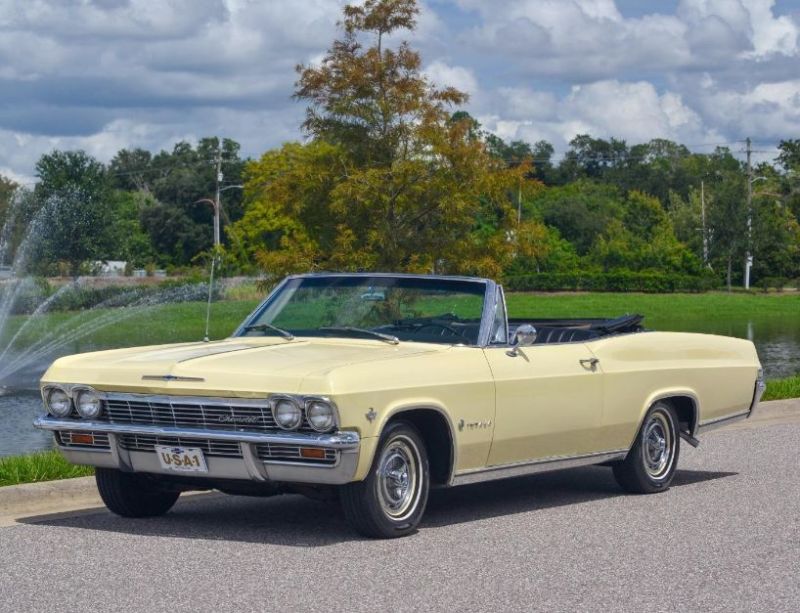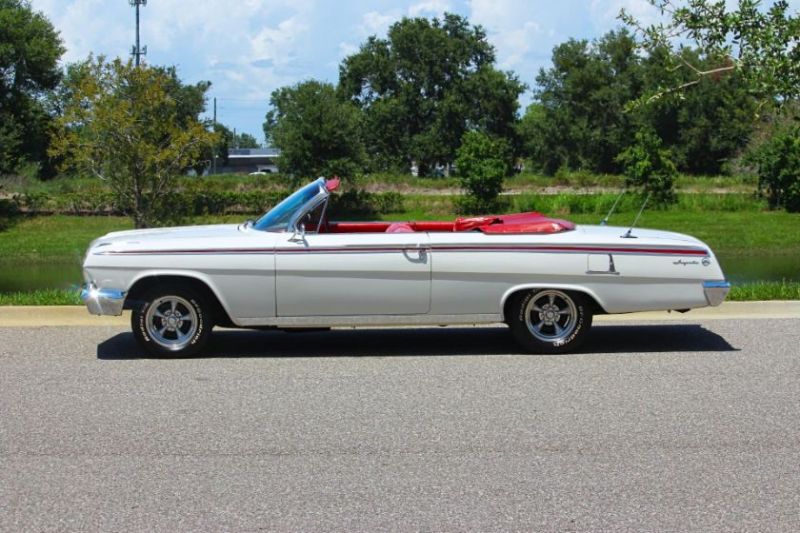
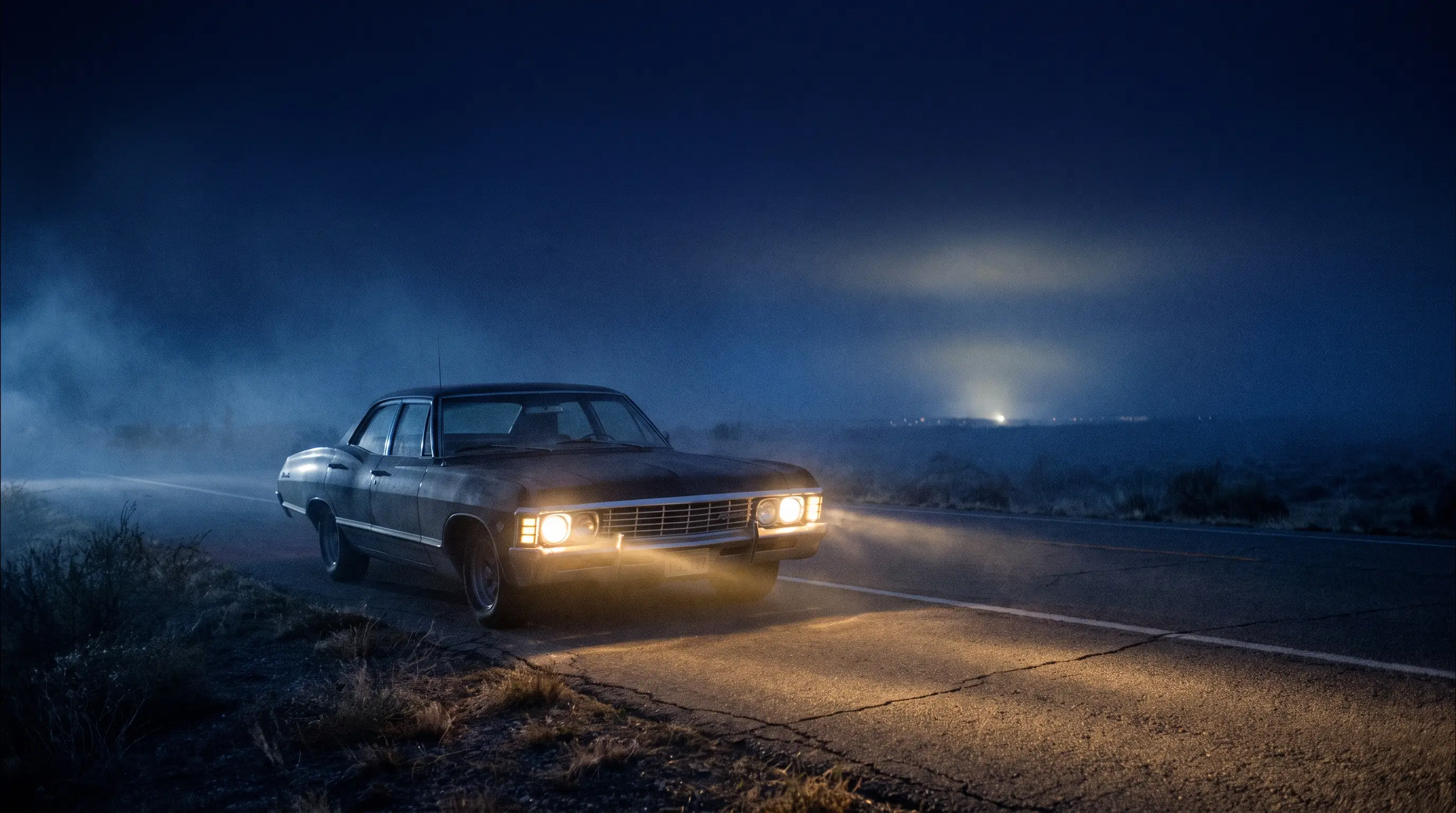
Dean Winchester's 1967 Impala has probably sold more posters than any prop car outside of a franchise built around vehicles themselves. That black four door sedan, a body style nobody would have called flashy when it rolled off the line, spent fifteen seasons of Supernatural becoming as recognizable as any character on the show. The Impala in movies and television has a longer, stranger history than that one famous example, and it says something about how flexible this car has been across genres that never had anything else in common.
Why a four door sedan became a horror show icon
Supernatural's producers chose a 1967 Impala for reasons that had nothing to do with performance and everything to do with feel. The car needed to read as a family vehicle with history, something a working class father might have driven and passed down, not a car built to impress anyone. The plain, boxy four door body did exactly that. It looked lived in from the first episode, which mattered more to the show's tone than a flashier convertible or a two door coupe ever could have.
Multiple Impalas were used across the show's run for stunt work, everyday driving scenes, and hero shots, a common practice on any long running production where a single car cannot survive fifteen years of continuous filming. That practical reality did nothing to dampen the car's cultural weight. Fans still travel to conventions specifically to see recreations of that black Impala, and merchandise built around the car's image has outlasted plenty of the show's other iconography.
How the Impala shows up across very different kinds of films
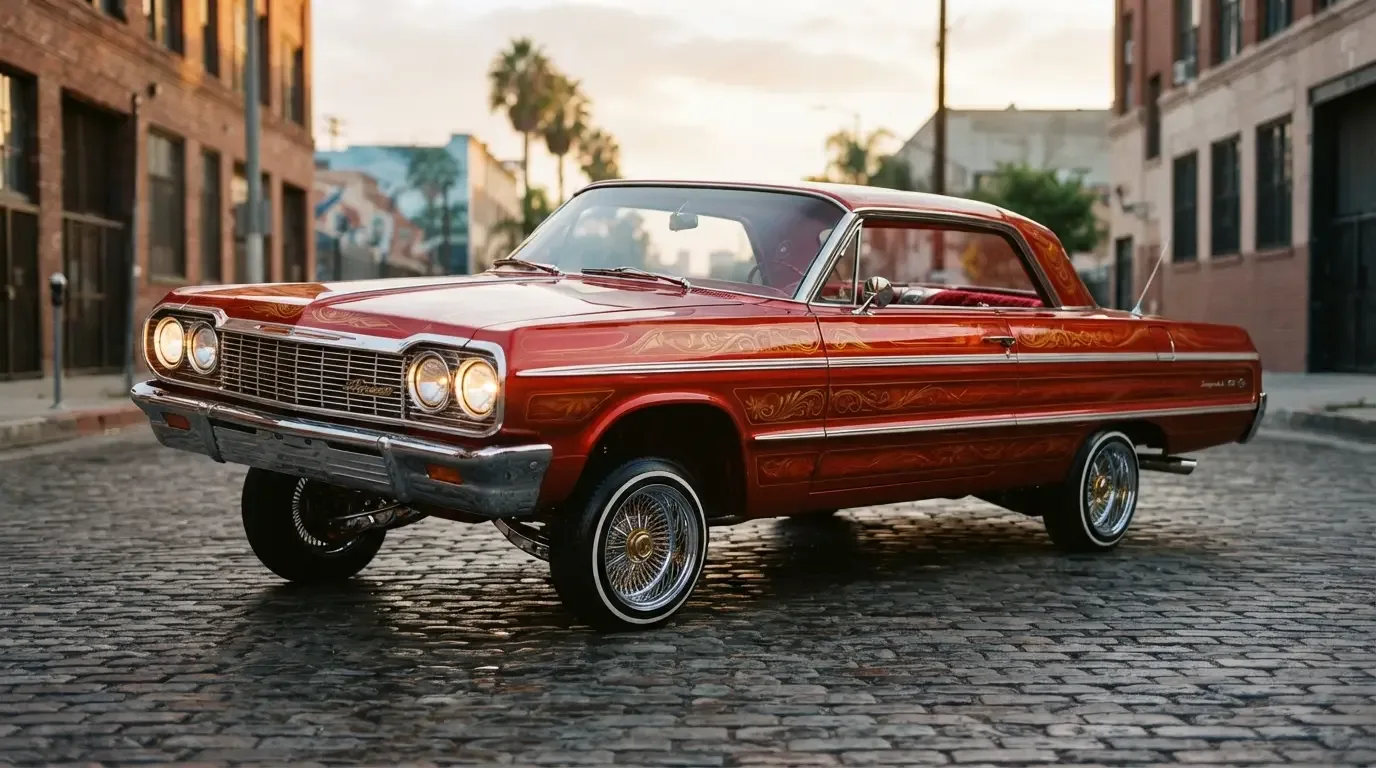
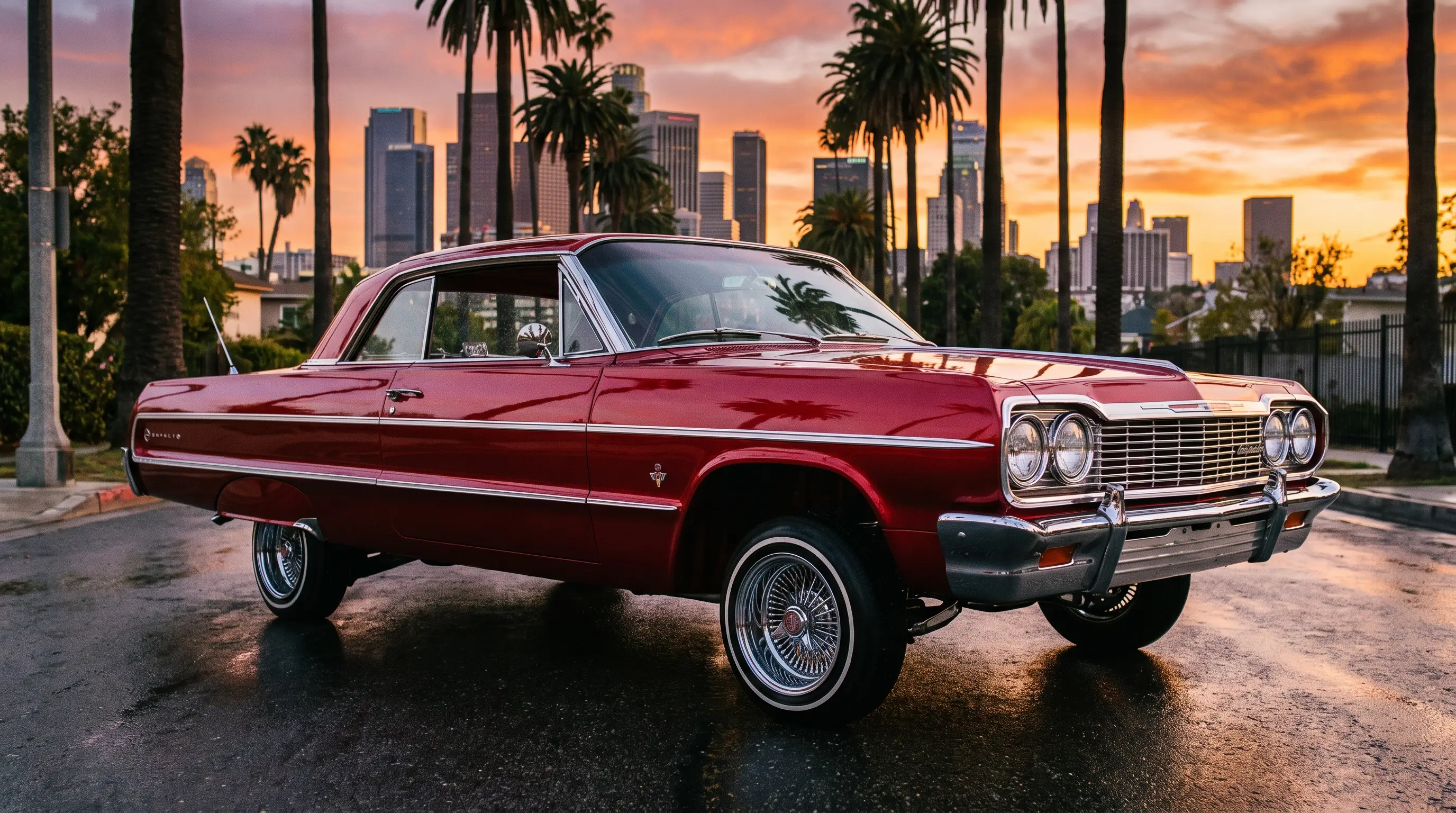
Long before Supernatural, the Impala had already made appearances across genres that had nothing to do with each other. Low riding Impalas appeared in films depicting Southern California car culture, giving mainstream audiences a visual introduction to lowrider aesthetics decades before hip hop videos did the same work for music audiences. These films used the Impala the way Supernatural later would, as a visual signal that told the audience something about character and setting without a line of dialogue needed.
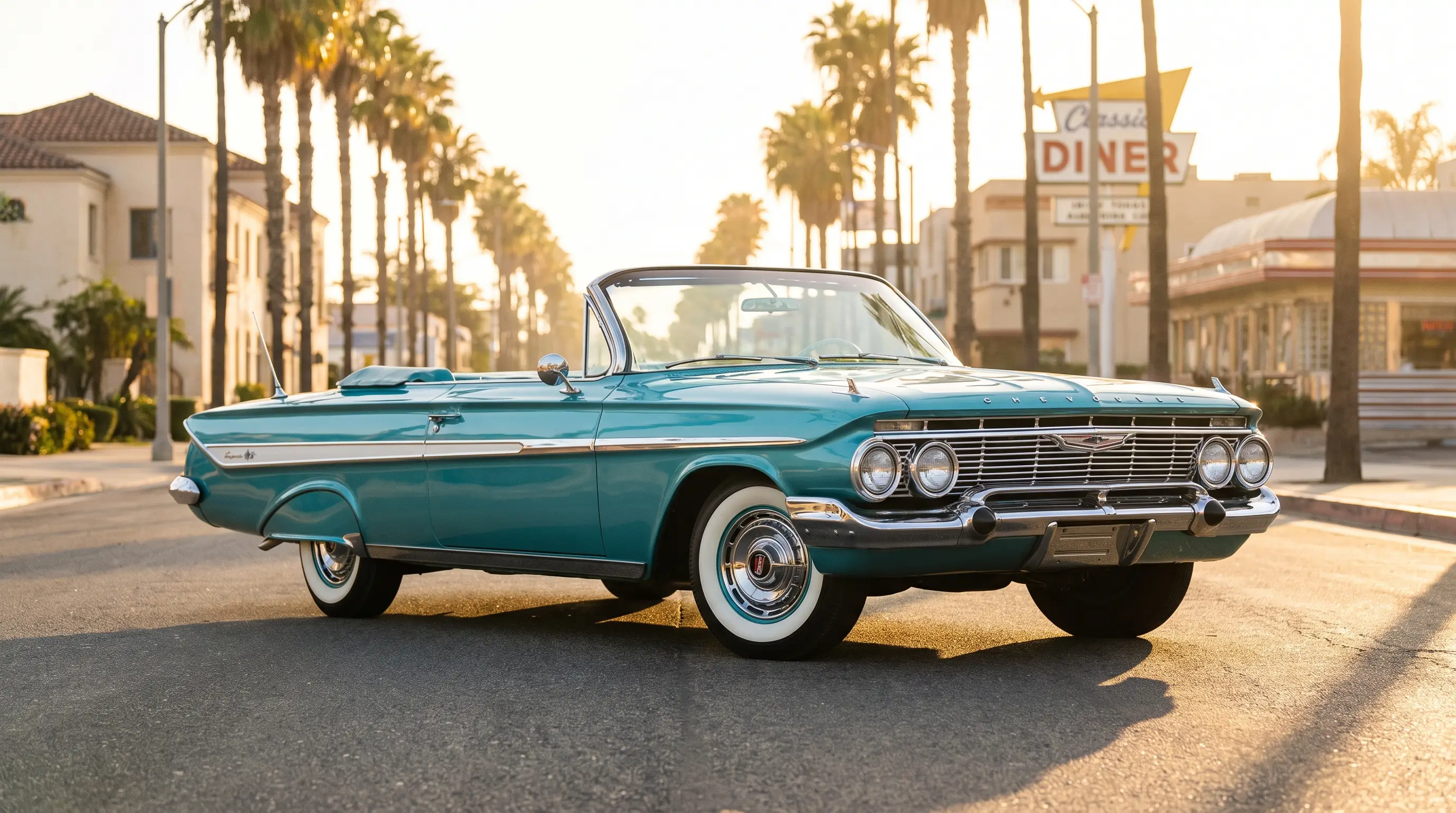
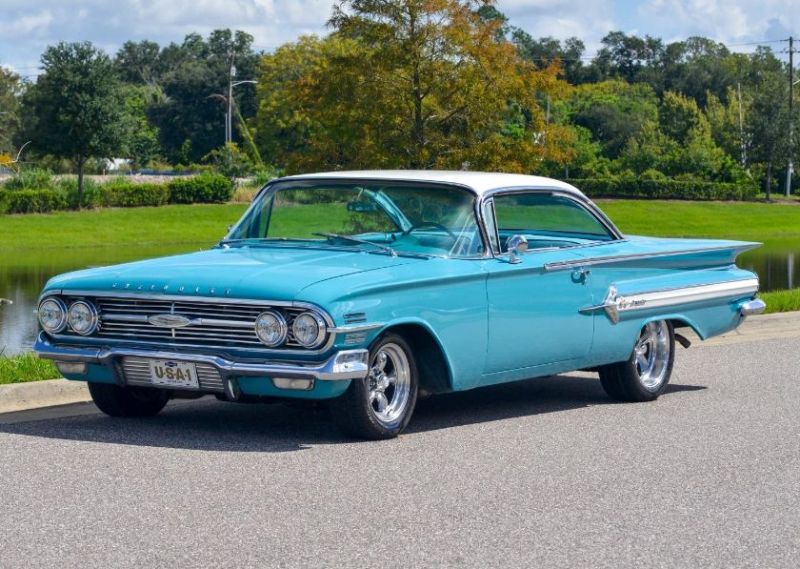
Other productions used stock full size Impalas from various decades simply as believable period cars, background vehicles meant to make a street scene feel accurate to whatever decade a film was set in. That utility work rarely gets remembered the way a hero car does, but it says something about how common and recognizable this Chevrolet was across four decades of American road scenes. Set decorators reached for an Impala the way they reached for a specific brand of soda bottle, because it read as correct and familiar without calling attention to itself.
The fan culture built around a picture car
Few prop vehicles generate the kind of dedicated fan attention that the Supernatural Impala eventually did. Fans built detailed replicas of the car for personal ownership, tracked down details about which specific vehicles were used for which scenes, and turned up at conventions specifically hoping to see the car in person rather than any of the actors. That level of attachment to a background object rather than a character says something about how effectively the car had been established as a piece of the show's identity rather than simple set dressing.
This kind of fandom rarely attaches itself to vehicles used only briefly or incidentally. It requires consistent, repeated screen time across enough episodes that an audience starts to feel genuine familiarity with a specific car the same way they would with a recurring character, which is exactly what fifteen seasons of a single production gave this particular Impala.
What makes this car work on screen where others do not
A prop vehicle needs to communicate something instantly, before an audience has any other information about a scene. The Impala's silhouette across its different generations, whether the boxy late sixties sedans or the lower, sleeker lowrider builds of the same era customized decades later, gives filmmakers a shape that reads clearly even in a quick cut or a wide establishing shot. Few cars offer that kind of visual flexibility across such different tones, from horror to street drama to straightforward period pieces.
There is also the matter of scale. Chevrolet built these cars in such enormous numbers across the classic era that production teams could source period correct examples relatively easily compared to rarer, low production vehicles. A director wanting an authentic period Impala for a background shot never had the sourcing headache that a scarcer make or model might create, which made this car a practical choice as much as an aesthetic one.
"Every generation of filmmaker seems to rediscover the Impala for a completely different reason, horror one decade, street culture the next, straight period accuracy after that. Not many cars can carry that many different stories."
- Patrick Walsh
What production teams actually look for in a car like this
Picture cars, the vehicles selected for on screen roles, get vetted for reasons that have nothing to do with what a private collector might prioritize. A production needs a car that can survive repeated takes, that can be sourced in multiples if something breaks mid shoot, and that fits within a budget that rarely matches what a pristine, numbers matching example would command at auction. The Impala's production numbers across the classic era meant multiple examples in similar condition could usually be found without draining a picture car budget on a single irreplaceable vehicle, a practical advantage that mattered as much to producers as the car's visual qualities.
Stunt coordinators also weigh in on these choices more than casual viewers realize. A car needs to handle predictably during chase sequences or hydraulic hop shots, and the full frame construction that made the Impala a favorite among lowrider builders gave stunt teams the same structural confidence that custom builders had relied on for decades. When a car performs consistently take after take, it saves a production real money, and that reliability quietly shaped which vehicles kept getting cast long after audiences stopped noticing the pattern.
The long tail of screen exposure
Screen appearances have a way of introducing a car to audiences who would never encounter it otherwise, and the Impala benefited from this repeatedly across different decades and different genres. A viewer discovering lowrider culture through a film, or discovering the shape of a 1967 sedan through a long running television series, is having the same basic experience that earlier audiences had through music videos or car show coverage, just through a different medium. Each of these moments added another layer to how widely recognized this car became outside the collector and enthusiast world.
None of this happened separate from the deeper cultural history that gave the car its meaning in the first place. The lowrider examples that showed up in film only carried weight because the full story behind that culture already existed, built by decades of clubs, builders, and communities long before any camera crew showed up looking for an authentic looking car.
If watching these cars on screen has you wanting to see one in person rather than through a lens, it is worth taking the time to browse classic Impala listings and get a sense of what is actually available. Whatever drew a particular production to this car, whether it was the plain four door practicality or the lowered, candy painted showpiece version, the appeal comes from the same source, a shape and a history that still reads clearly decades after it was built.