Everybody knows the surf song about the 409, but the Impala in music runs a much longer and quieter thread than one hot rod anthem from the early sixties. Across five decades and half a dozen genres that share almost nothing else in common, songwriters kept reaching for this particular Chevrolet when they needed a lyric to carry weight, memory, or a sense of place. That kind of staying power in music is rare for any car, and it says something about how deeply this Chevrolet settled into the American imagination beyond the show floor and the collector's garage.
Before the lowrider era, a different kind of song
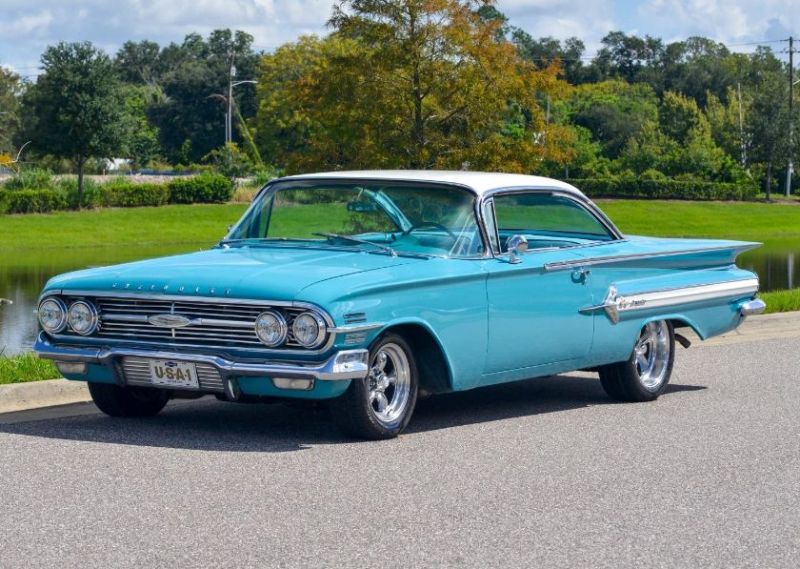
Early sixties car songs treated the Impala the way they treated most performance oriented Chevrolets of the era, as a symbol of speed and youthful freedom, a car worth bragging about on a Saturday night. Those songs came out of a specific moment, when American car culture and pop radio were feeding each other constantly, and the Impala was simply one of the biggest, most visible full size cars a young driver might actually own or dream of owning. It was aspirational in a straightforward, uncomplicated way.
That version of the Impala in song did not last as the dominant image, though. As the decades moved on and the car's cultural meaning shifted toward lowrider culture in Southern California, the songs written about it shifted too, carrying a very different emotional register than the earlier speed anthems ever did.
How the meaning deepened once lowrider culture took hold
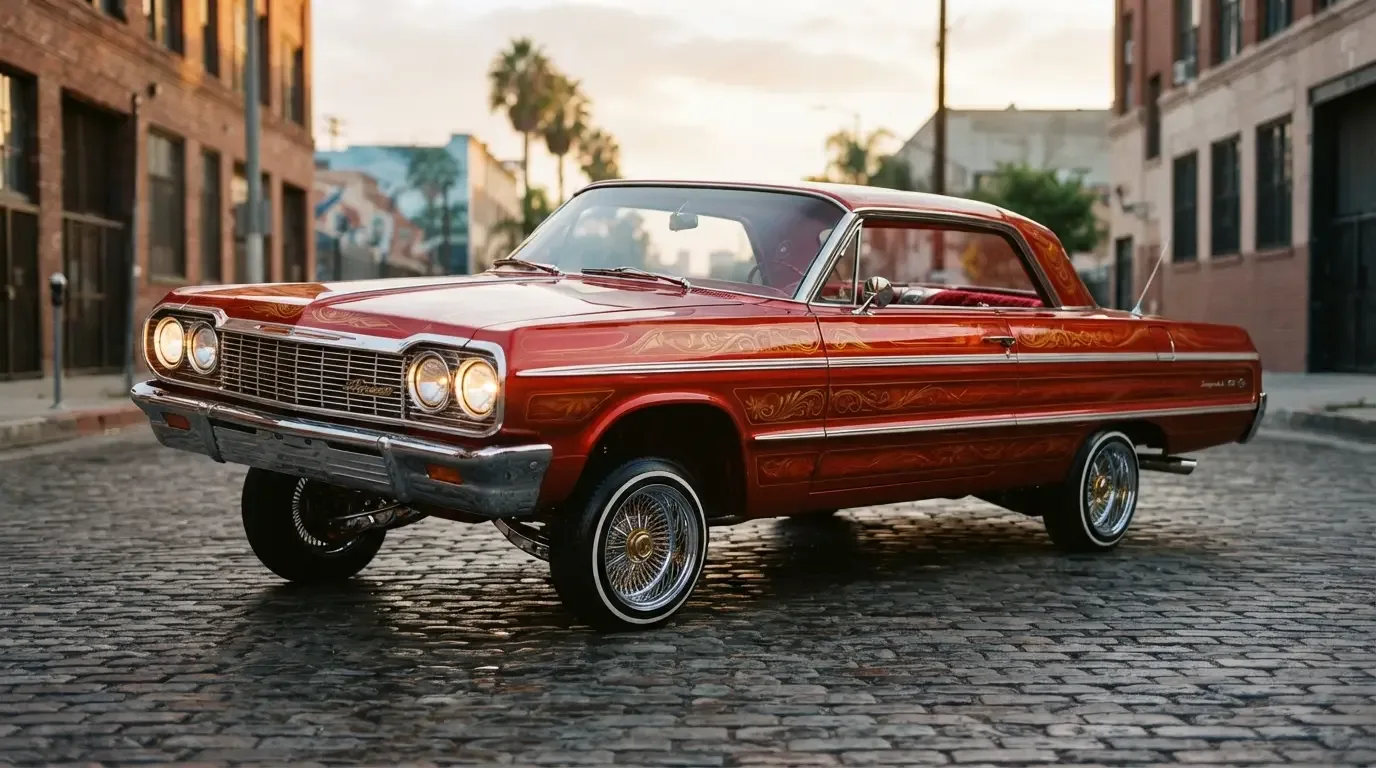
By the time hip hop and West Coast rap artists were writing about Impalas in the late eighties and through the nineties, the car had stopped being just a fast machine and had become something closer to a family heirloom, a symbol of neighborhood identity and inherited craft. Lyrics referencing lowered Impalas carried an entirely different weight than the earlier speed themed songs, rooted in specific places, specific communities, and a pride that had nothing to do with horsepower.
This shift mattered because it showed how flexible a single car's meaning could become depending on who was singing about it and why. The same body style that once symbolized teenage speed on AM radio later symbolized generational pride and neighborhood belonging on a completely different set of airwaves, and both meanings are true at once, layered on top of each other rather than replacing one another.
How album art carried the same weight as the lyrics
Cover photography often did as much cultural work as the songs themselves, with artists posing beside lowered Impalas to establish a visual context before a listener ever heard a note. A record cover showing an artist leaning against a candy painted Impala communicated neighborhood authenticity instantly, the same way the car worked in music videos, except this image stayed fixed on a shelf or in a collection for years rather than airing once and fading from rotation. That permanence gave certain album covers a second life as cultural artifacts in their own right, referenced and reproduced long after the original songs stopped getting regular airplay.
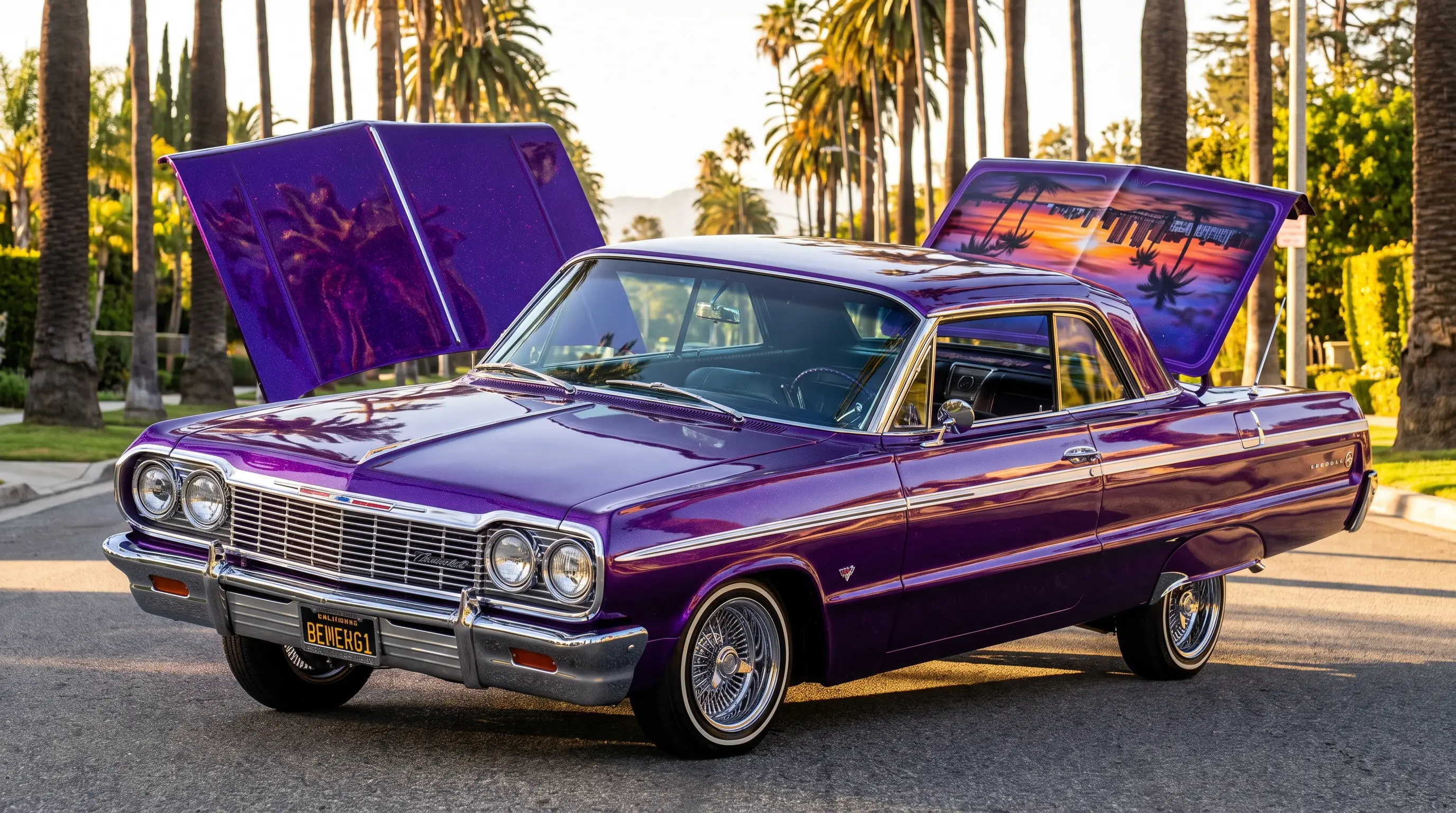
Photographers who worked regularly within this scene developed an eye for how to frame these cars, understanding which angle showed off a mural properly or how low afternoon light needed to be to catch a candy paint job at its richest. That photographic tradition ran parallel to the musical one, each reinforcing the other's visual vocabulary until the Impala's image became almost as recognizable within certain genres as the artists themselves.
Why songwriters keep returning to this specific car
Part of the answer is simply how many of these cars Chevrolet built. A songwriter reaching for a car reference that a broad audience recognizes benefits from choosing something common enough that listeners already have a mental picture, and the Impala's sheer production numbers across the classic era guaranteed that recognition in a way a rarer, more exotic car never could. A lyric about a Ferrari signals wealth to an audience that has never touched one. A lyric about an Impala signals something closer to lived experience, a car people actually knew, drove, or grew up around.
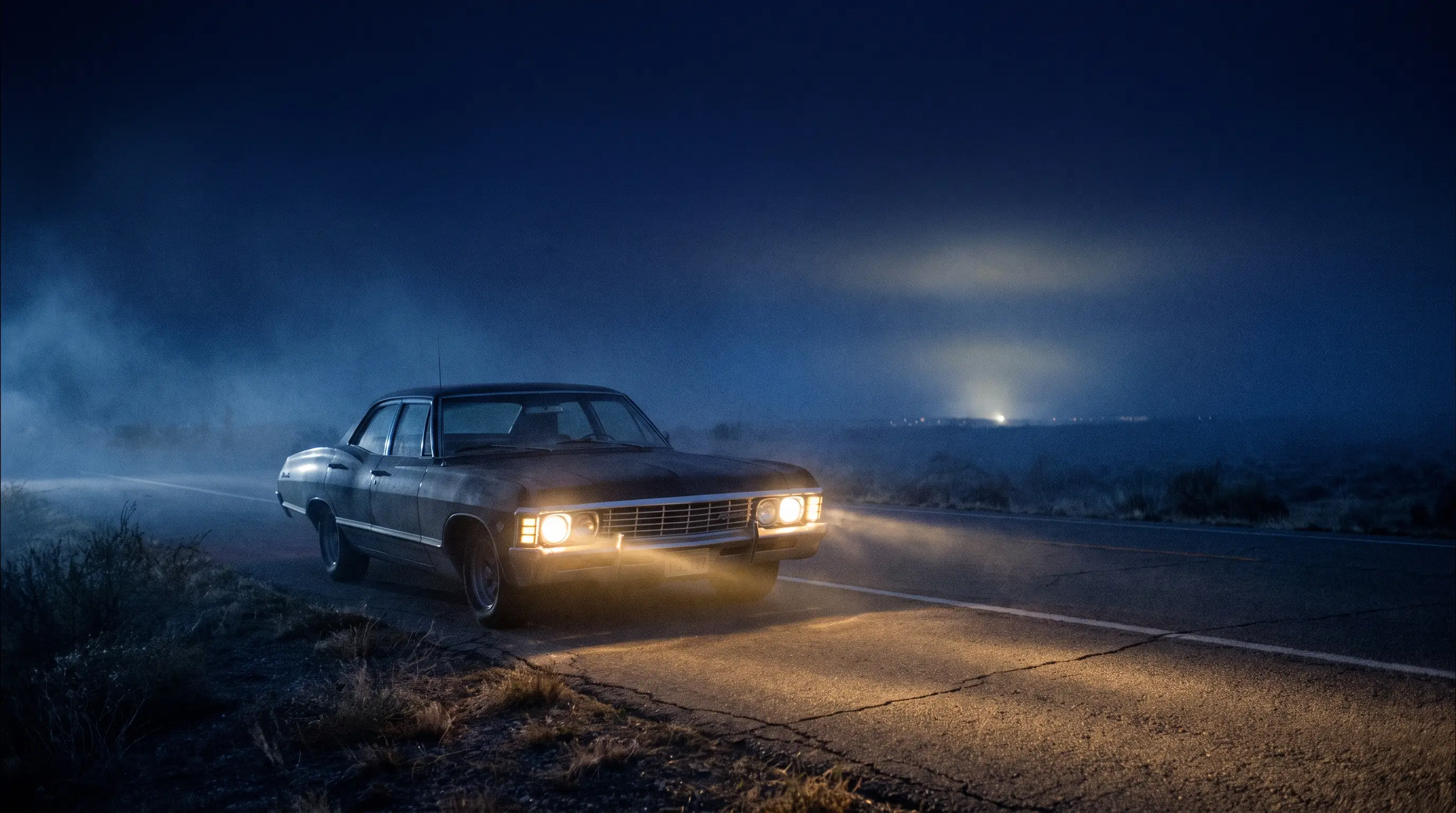
There is also the visual and emotional flexibility built into the car itself, which mirrors exactly what made it work on screen and in custom builds. A songwriter can reference a candy painted, hydraulics equipped lowrider Impala and evoke an entire cultural world in a single line, or reference a plain full size sedan and evoke something closer to working class family memory. Few single car names carry that much range.
"A song about a car usually tells you more about the person singing it than the car itself, and that is exactly why the Impala shows up in so many different kinds of songs. It bends to whatever story someone needs it to carry."
- Nora Beckett
The specific details songwriters reach for
Listen closely to the lyrics that name this car across different eras and a pattern shows up. Early songs reference speed, engine notes, straight line performance, the language of a teenager bragging about a car that could win a light to light race down a boulevard. Later songs, especially those rooted in lowrider culture, reference paint, hydraulics, and stance instead, the language of a builder or an owner who spent months finishing a car rather than a driver who just wanted to go fast in a straight line. That shift in vocabulary tracks the shift in what the car meant to the people singing about it, and it gives listeners familiar with both eras a kind of shorthand history lesson buried inside the lyrics themselves.
Some songs blend both registers deliberately, invoking the car's speed heritage and its lowrider identity in the same verse, which only works because both meanings are genuinely true of this Chevrolet at different points in its history. Few cars offer songwriters that kind of dual meaning to draw from, and it is part of why the Impala kept showing up across genres that otherwise share almost nothing musically or culturally.
What this musical history adds to the car's legacy
None of these songs exist apart from the broader story of how the Impala earned its cultural weight in the first place, particularly through the lowrider culture that gave the car its deepest and most lasting symbolic meaning. For the full arc of that history, our lowrider impala retrospective covers the decades of builders and clubs that made these later lyrical references carry any weight at all. Without that history behind the car, a songwriter naming it in a verse would just be naming a car, not invoking an entire world the way so many artists managed to do.
If the visual side of this culture interests you as much as the musical references, a related story covers the paint traditions that gave these cars the look songwriters were often describing without ever needing to spell out the details, because listeners already carried the image in their heads.
For anyone whose interest in this history has turned into genuine curiosity about owning a piece of it, it is worth looking at what Impalas for sale now actually looks like. Fifty years after the earliest songs about this car hit the radio, the appeal driving all of them, speed, pride, memory, community, still shows up in the cars themselves, waiting for someone to write the next chapter of what this Chevrolet means.