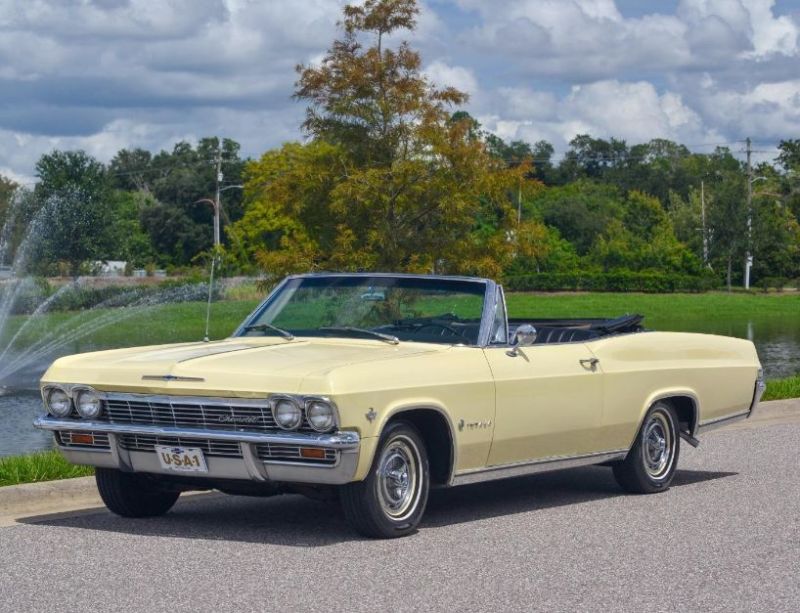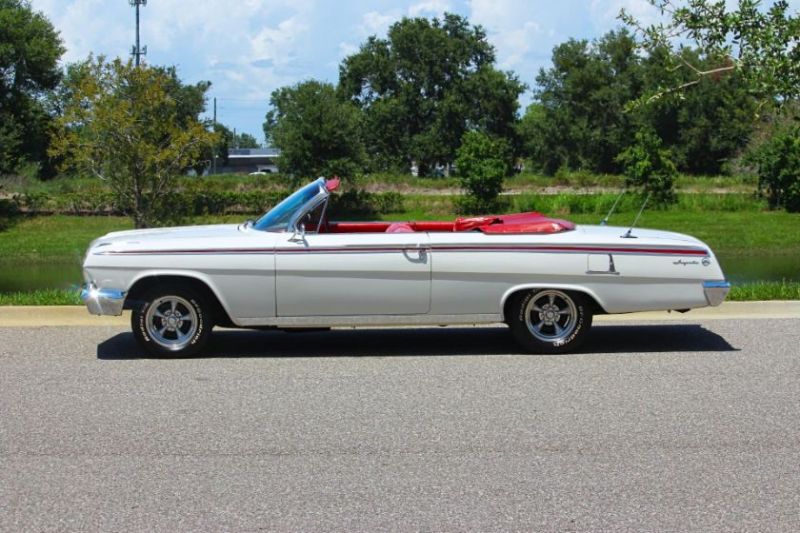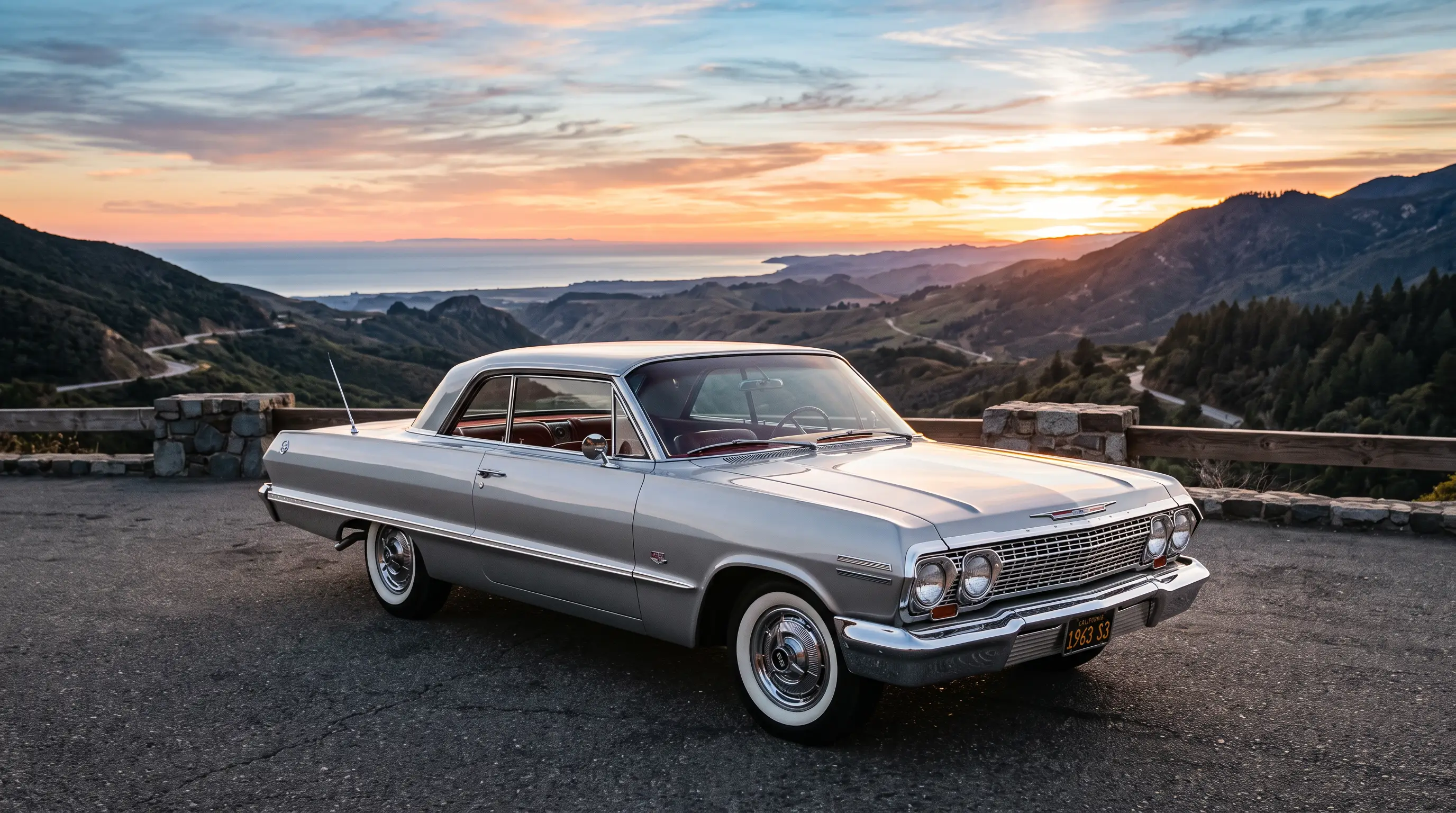
Factory records place the 1963 impala ss squarely in the middle of the Super Sport's rising fortunes, a year sandwiched between the package's first full-year catalog appearance in 1962 and the sales high water mark that arrived in 1965. It is easy to overlook 1963 precisely because it sits between two more heavily discussed years, but the paperwork behind it tells a story worth its own chapter.
A year of steady, unglamorous growth
Where 1962 marked the SS becoming an official, full-year option, 1963 was the year that growth proved it was not a fluke. Production climbed to 153,271 units, a meaningful jump over the prior year that showed dealers and buyers alike had settled into treating the SS as a normal, expected part of the Impala lineup rather than a novelty option some customers had not yet heard about. That kind of steady, unremarkable growth rarely makes for exciting brochure copy, but it is exactly what factory historians look for when trying to separate genuine, sustained demand from a passing fad.
Chevrolet made only modest changes to the SS formula for 1963, refining trim details and interior finishes rather than overhauling the package. The engine lineup carried over largely intact from the previous year, topping out with the 409 cubic inch V8 in its various states of tune, still the performance centerpiece of the SS option at this point in the decade.
What set 1963 apart in the paperwork
The details that distinguish a 1963 SS from its immediate neighbors are subtle rather than dramatic, which is exactly why they matter so much to anyone doing serious verification work. Trim badging, interior upholstery patterns, and exterior brightwork all received small year-specific updates that a factory build sheet or cowl tag will confirm precisely, even when a casual glance at the car might not immediately reveal which year it represents. Getting this right matters because 1963-specific parts, correctly documented, carry a different value than a later or earlier substitute installed during a restoration.
One correction worth making clearly here, since it circulates incorrectly often enough online: 1963 remained an Impala option year, not a standalone SS model designation. The distinction affects exactly what a researcher should expect to find on a cowl tag or build sheet for a genuine example, and conflating option-year SS Impalas with the later standalone SS models leads to avoidable confusion when trying to verify a specific car's history.
| Detail | 1963 Impala SS |
|---|---|
| Approximate production | 153,271 units |
| Top engine option | 409 cubic inch V8 |
| Model status | Impala option package, not a standalone model |
| Interior | Bucket seats and console, SS-specific trim updates for the year |
"1963 does not get talked about the way 1962 or 1965 does, because nothing dramatic happened. That is exactly the point. It is the year the SS proved it was not a fad by simply continuing to sell, quietly and consistently, without needing a headline to justify it."
- Tom Ramirez
Why this middle year deserves attention
Collectors and historians alike tend to focus on years with a clear, dramatic story attached, the rushed 1961 debut, the 1965 restyle, the eventual 427-only contraction. A steady middle year like 1963 rarely gets the same treatment, but it is precisely these unremarkable years that reveal the most about whether a trend is real or temporary. The 1963 SS proved the concept had staying power well before Chevrolet committed to the bigger investment of restyling the entire lineup around it for 1965.
For buyers today, that quieter reputation translates into a practical advantage. 1963 SS cars are generally easier to find and often more reasonably priced than the more heavily documented 1962 or 1965 examples, without sacrificing much in the way of genuine period character or engine options. It is a year worth taking seriously rather than passing over simply because it lacks a dramatic headline attached to it.
For the complete SS timeline, including the years surrounding 1963 and how the badge changed shape across the whole decade, the full story covers the entire arc from the 1961 debut through the eventual 427-only years. And for anyone ready to look at real examples from this period, classic Impala for sale listings are a good starting point for comparing 1963 cars against the years on either side of it.
How the 1963 SS fit into Chevrolet's broader lineup
Context from the rest of Chevrolet's 1963 catalog helps explain why the SS sold as steadily as it did. This was still a period before Chevrolet had committed heavily to smaller, dedicated performance models, meaning a buyer who wanted something quicker than a standard sedan had comparatively few in-house alternatives to a full-size SS. The Corvette existed at the far performance end of the range, priced and positioned well outside what most SS buyers were shopping for, leaving a wide gap in the middle of the lineup that the Impala SS filled almost by default. That competitive vacuum, more than any single styling change, helps explain why demand kept climbing through 1963 without Chevrolet needing to do much beyond keep the formula intact.
Dealer stock reflected that steady demand too. Unlike 1961, when a customer sometimes had to specifically request an SS from a dealer who might not have had one readily on the lot, 1963 buyers could generally expect dealers to stock SS-equipped Impalas as a routine part of their regular inventory. That shift, from special order to standard stock item, is itself a quiet but meaningful marker of how thoroughly the package had been absorbed into Chevrolet's everyday sales operation by this point in the decade.
What a 1963 SS buyer should expect to find
Surviving 1963 SS cars today span a similarly wide range of condition and originality as other mid-decade years, from well-preserved originals with matching documentation to cars that have been repainted, reupholstered, or had engines swapped somewhere along the way. Because the year sits in a well-documented stretch of Chevrolet's production history, reference material for confirming correct trim, colors, and engine codes is generally easier to find than it is for the rarer 1961 cars, which makes verification a more approachable task for a buyer without decades of specialist experience.
That relative ease of research is one more reason the 1963 SS deserves a second look from buyers who assume the more heavily discussed years are automatically the better purchase. Sometimes the quiet middle year, both in production history and today's market, is exactly where the best value sits.
None of this means 1963 is somehow a shortcut around doing the homework properly. The same verification principles that apply to any SS Impala apply here too, checking codes against documentation rather than trusting badges and upholstery alone. What 1963 offers is simply a wider pool of well-documented reference material to check those details against, which makes the process faster and the outcome more certain than it would be for a scarcer or less thoroughly cataloged year.