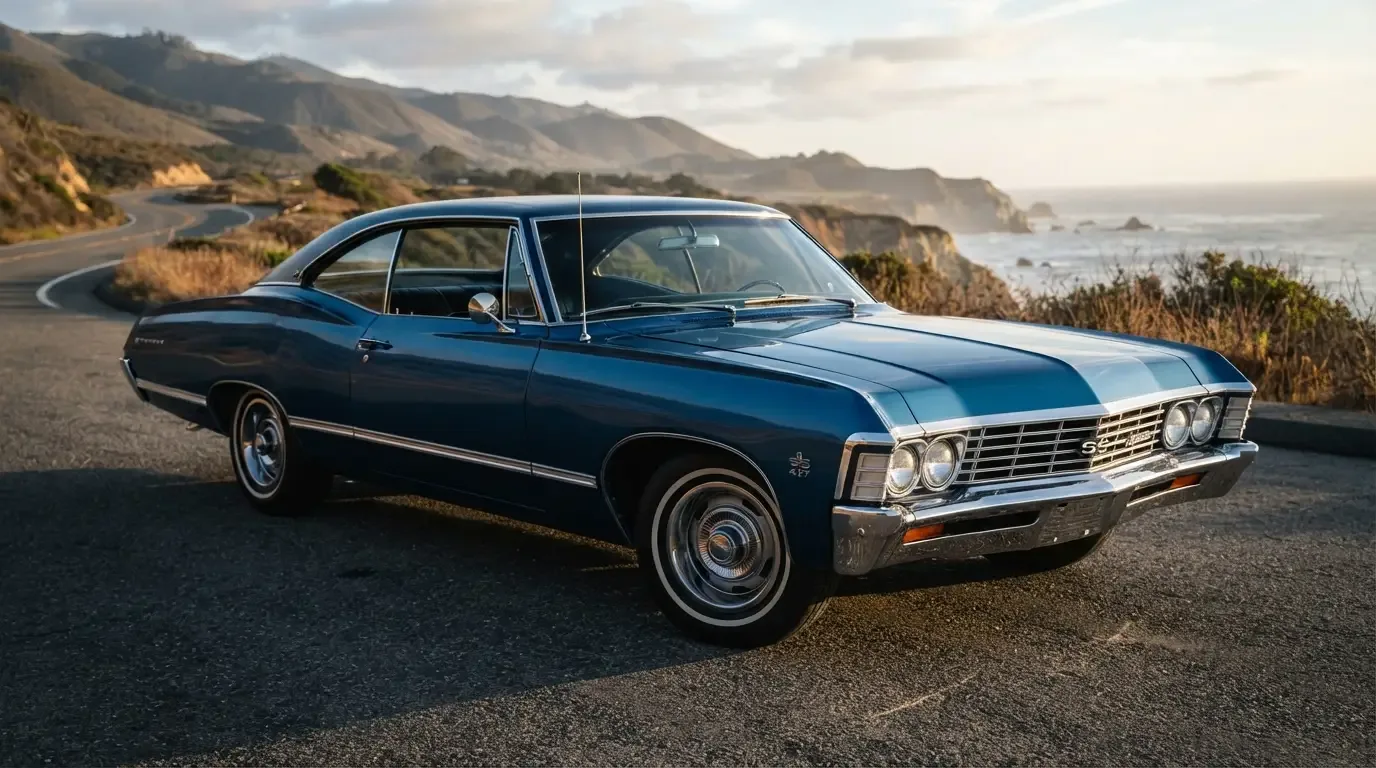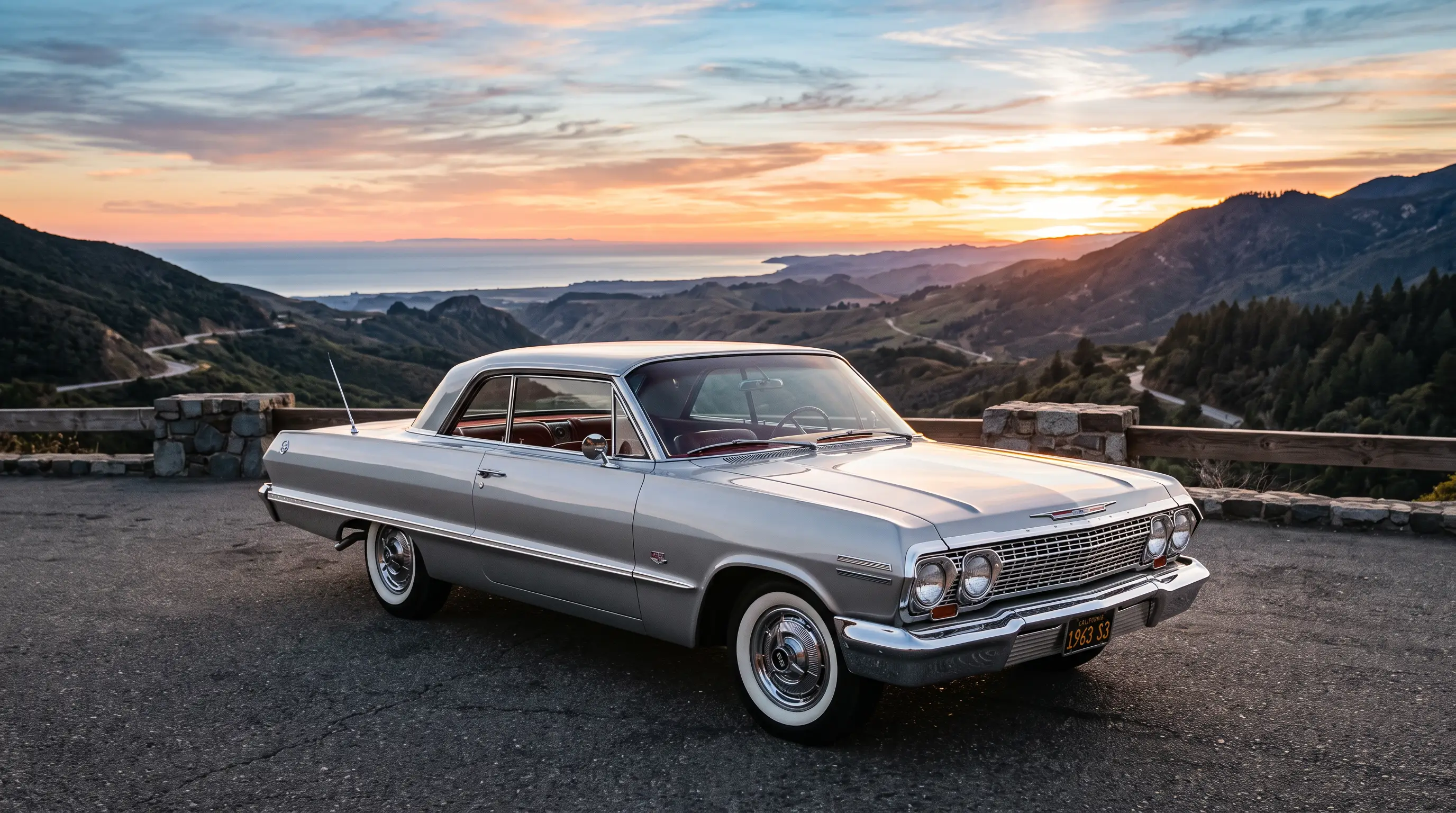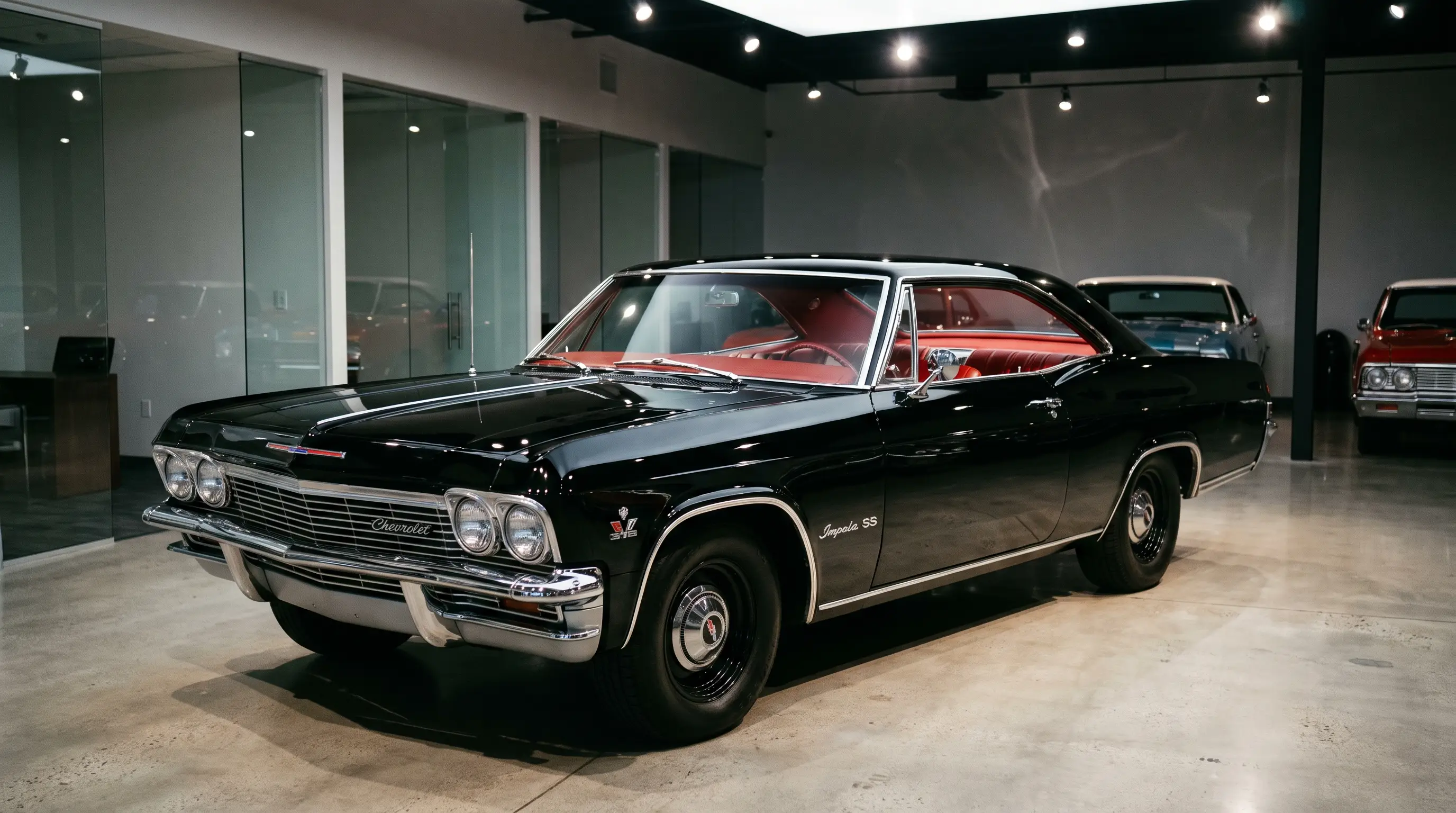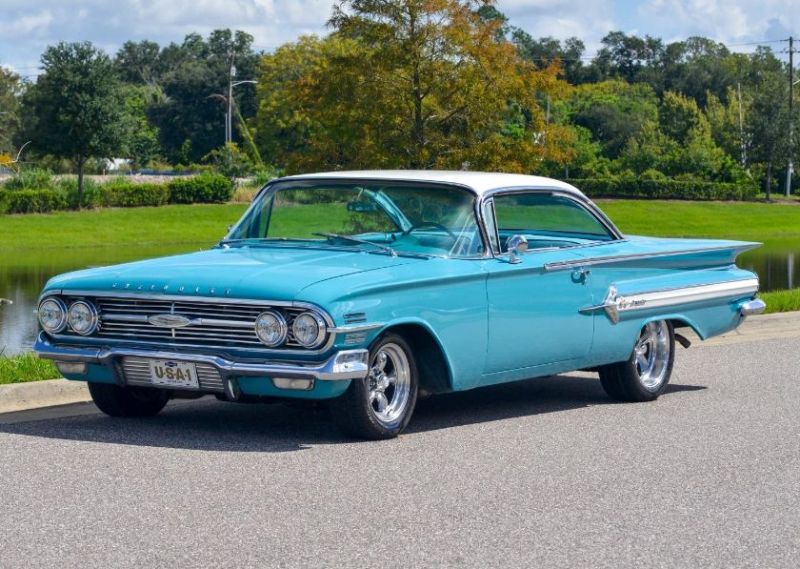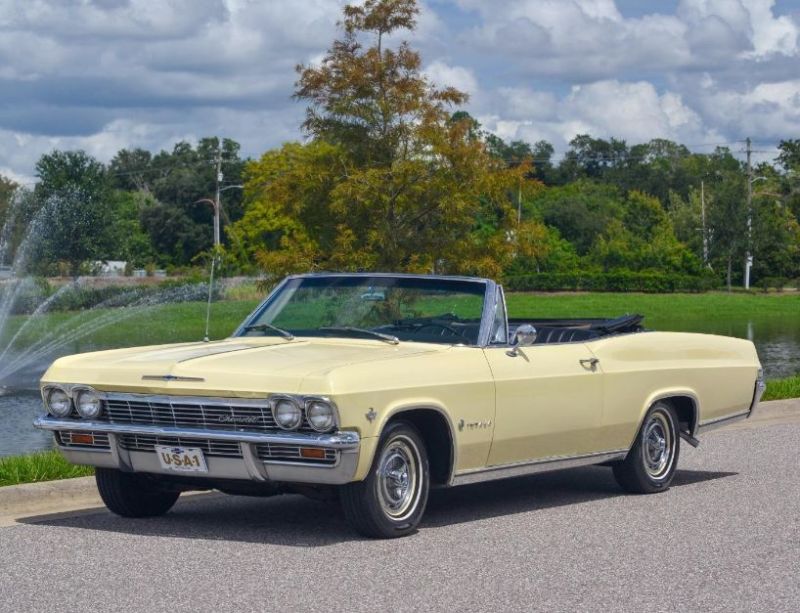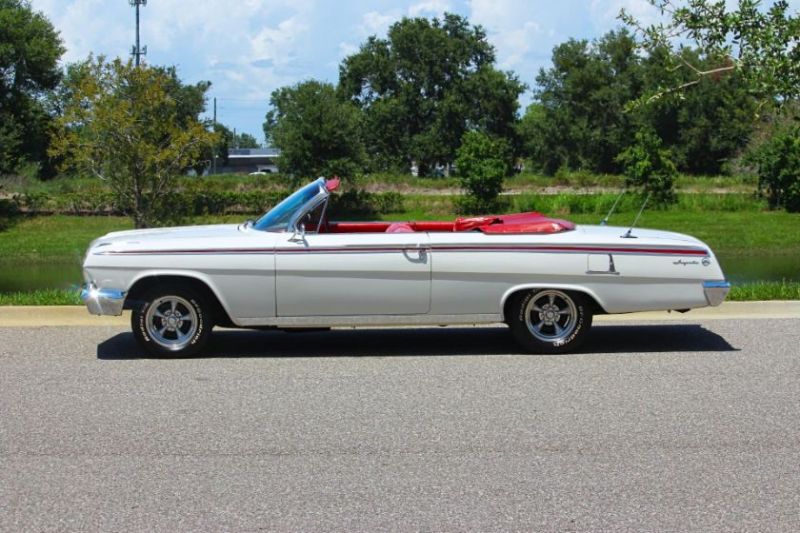
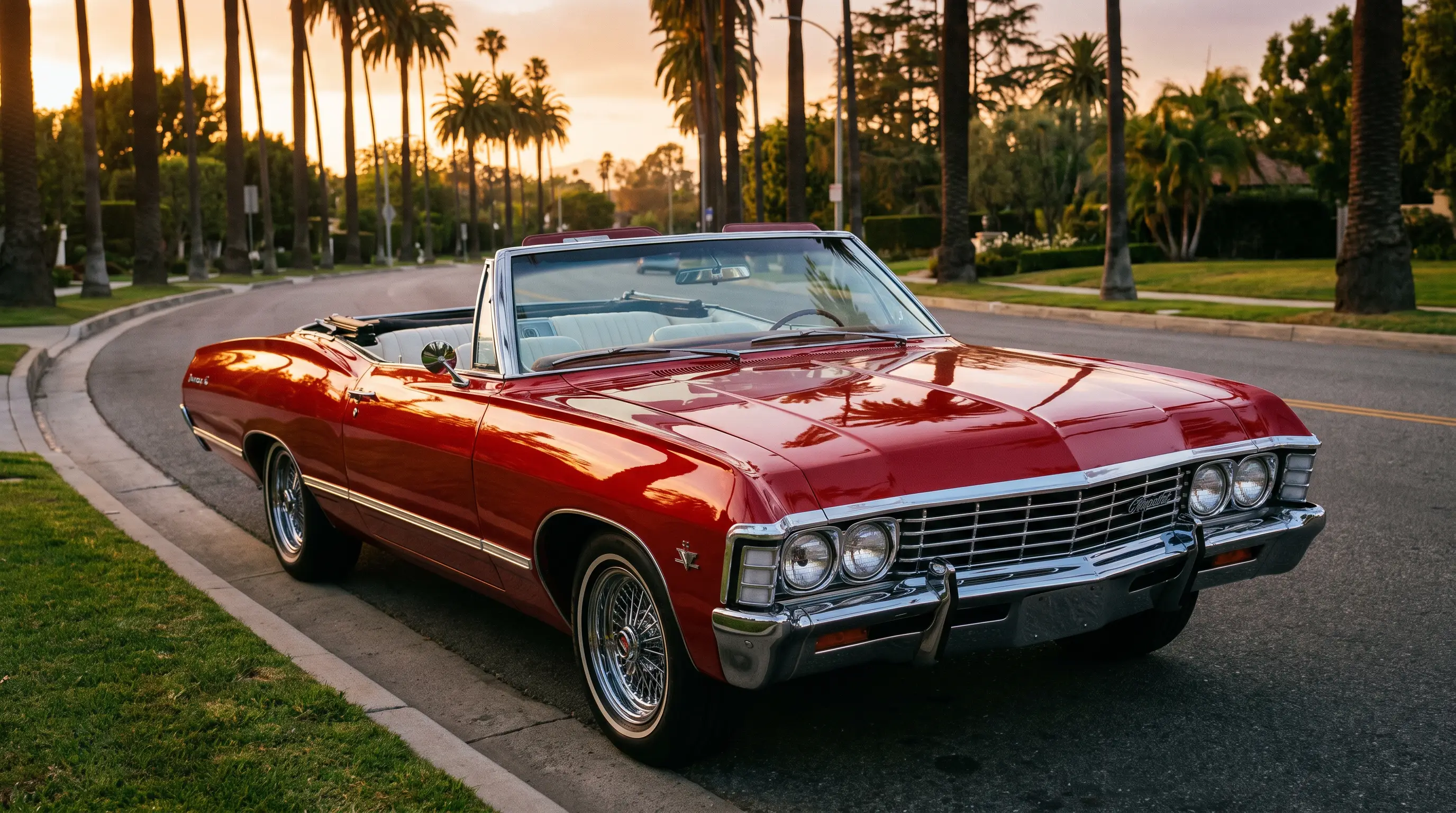
The Impala SS convertible is the version everybody pictures when they hear the name, top down, chrome bright, a Saturday night looking for a reason to happen. I have had a few Super Sport ragtops on the lift over the years and every single one taught me something about how Chevrolet built a car meant to be seen as much as driven.
The SS package showed up on the Impala for 1961 as an option, not a separate model, and the convertible body style carried it especially well. Bucket seats, a center console, SS badging on the flanks and deck lid, and a dash full of gauges instead of idiot lights. On a hardtop that dress up job reads sporty. On a convertible with the top stacked behind the back seat, it reads like a statement.
Why the convertible got the attention
Chevrolet sold the Impala SS as the top of the full-size line, and the convertible sat at the top of that top. It cost more than the coupe, it needed a stiffer body structure to make up for the missing roof, and it drew the crowd that wanted the image along with the machine. Dealers used ragtops on the showroom floor because they moved people through the door. That marketing instinct is a big reason so many are still around today, low mileage cars kept for special occasions rather than daily grinding.
Under the hood, the convertible could be ordered with anything Chevrolet offered that model year, from a mild inline six on the low trims up through big block V8 options as the decade went on. The car people remember is usually running a 327 or a 396, sometimes bigger, with a four speed or a Powerglide behind it. Output climbed steeply across the decade, from the 348 and 409 big blocks of the early 1960s (the 409 topped out around 409 horsepower in dual quad form by 1963) to the 396 and eventually 427 big blocks offered later in the run. The drivetrain choice mattered less to buyers than most of them let on. What sold the car was the way it looked with the top down at a stoplight.
What the body has to survive
A convertible frame flexes more than a hardtop's, and that flex works on the sheet metal every time the car hits a pothole or a rough driveway. Floor pans, trunk floors, and the rockers underneath the doors take the abuse first. When I go over an SS convertible for a buyer, those are the first three places I put a light and a pick, because rust there is expensive and it hides well under carpet and undercoating.
The top mechanism is its own small universe. Frame bows, tension cables, the pump and motor on power tops, weatherstripping that has to seal against wind noise and water at highway speed. None of it is exotic engineering, but all of it wears, and replacement parts for a fifty plus year old convertible top frame are not sitting on a shelf at the corner parts store. Anyone chasing one of these cars should budget for top work before they budget for paint.
Interior trim is the other pain point. Convertible interiors saw sun and weather that hardtop interiors never did, so original door panels, dash pads, and seat upholstery on an SS ragtop are frequently replacements rather than survivors. That is not a dealbreaker, reproduction trim exists and fits well, but it changes how a buyer should think about originality claims. If someone tells me every stitch in an SS convertible interior is factory original after decades of open air use, I want to see documentation, not just their word.
| Item | What to expect on an SS convertible |
|---|---|
| Body style premium | Convertible pricing sits well above the equivalent hardtop coupe |
| Common rust points | Trunk floor, spare tire well, rocker panels, floor pans |
| Top mechanism | Frame bows, tension cables, pump and motor on power tops |
| Interior originality | Often replaced trim due to sun and weather exposure |
What separates a good driver from a trailer queen
There is a real difference between a car that gets driven and enjoyed and one that only comes out for a trophy at a show. A driver quality SS convertible has a solid top that goes up and down without a fight, brakes and cooling that were actually gone through rather than just detailed to look clean, and an interior that is presentable even if it is not concours correct. A trailer queen chases perfection in every visible detail and sometimes hides real mechanical neglect underneath the polish. I have seen show winning convertibles with fuel systems nobody had touched in a decade, because judges look at paint and chrome, not at what happens when you actually turn the key and drive it home.
My advice for anyone who actually wants to use the car is to prioritize mechanical soundness over cosmetic perfection every time. A convertible with slightly faded paint and a top that works perfectly is a better ownership experience than one with a flawless respray and a top motor that grinds and hesitates. Cosmetics can be addressed a little at a time as budget allows. A structural or mechanical problem left alone tends to get worse and more expensive the longer it sits.
Buying one today
The Impala SS convertible market rewards patience more than any other body style in the lineup. Coupes are more common and cheaper to find. Convertibles bring a real premium, and a bad one costs almost as much to sort out as a good one costs to buy outright. I tell people to find the straightest, most solid example they can afford even if the paint is tired, because sheet metal and frame integrity are the expensive problems and cosmetics are the cheap ones.
Numbers matching cars bring more money, but a numbers matching convertible with a rotten floor is still a convertible with a rotten floor. Look underneath before you look at the fender tag. A car with a clean, honest structure and a replacement engine of the correct type is often the smarter buy than a matching numbers car that needs a rotisserie restoration to be safe on the road.
- Check the trunk floor and spare tire well for rust before anything else
- Test the top mechanism through a full cycle, not just up or down
- Look for uneven panel gaps that suggest frame flex or prior collision repair
- Ask for build sheets or a Protect-O-Plate rather than taking badges at face value
Once a buyer has a solid car, the SS convertible rewards ownership more than most classics do. It drives well enough for a Sunday cruise, it draws a crowd wherever it stops, and it holds value better than the plain Impala it was built alongside. For the full story of how the SS package came to be and where it went from here, read our complete history of the Impala SS. If you want to see what is actually on the market right now, you can browse classic Impala listings and get a feel for current asking prices before you start negotiating.
The bottom line from the shop floor
I have turned wrenches on Chevys for a long time, and the Impala SS convertible is one of the few cars from that era that still earns its reputation once you get underneath it. The engineering is not complicated. The body is not particularly rust resistant. What it has is presence, and presence is not something you can fake with a parts catalog. Buy the straightest one you can find, budget for top and trim work, and drive it. That is what it was built to do.