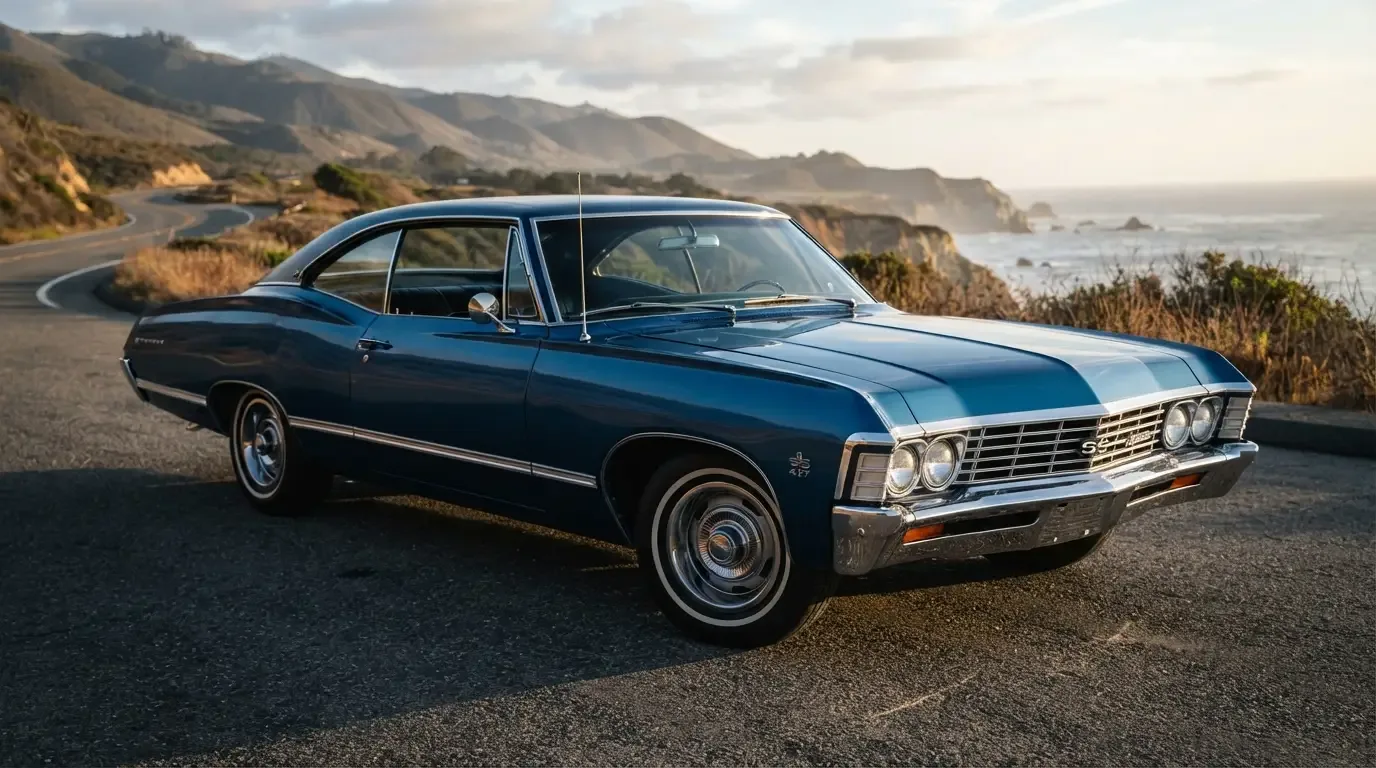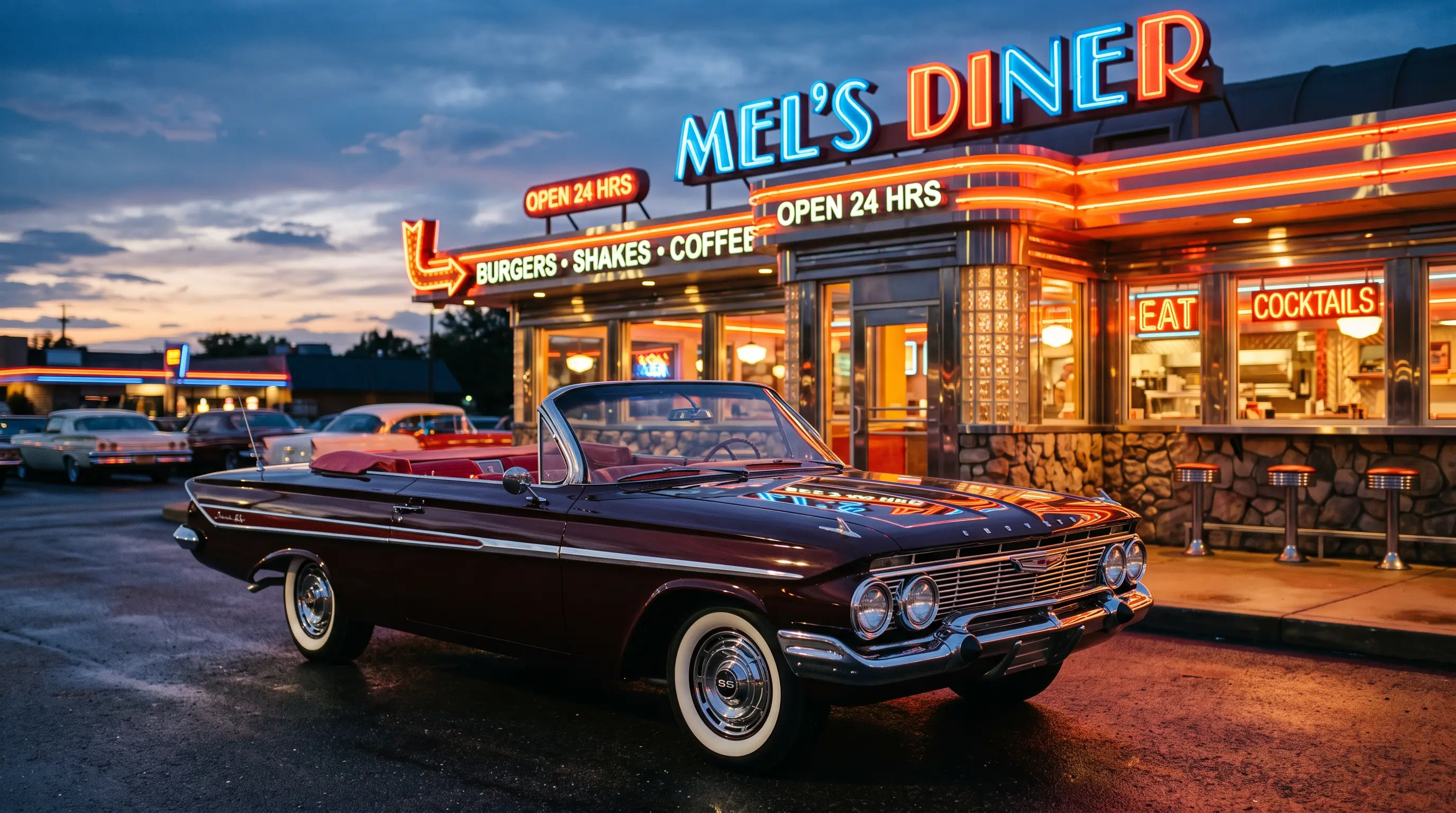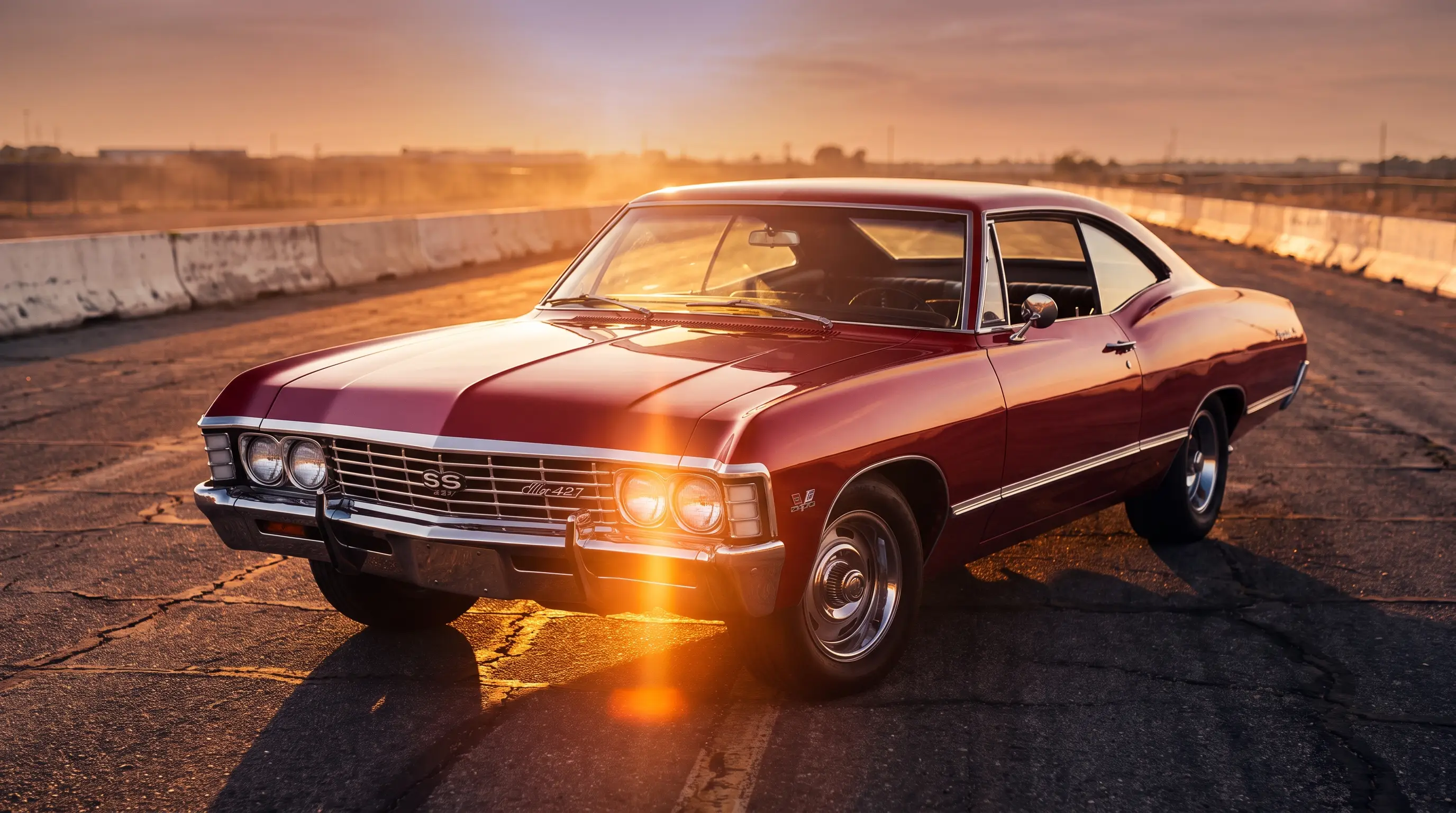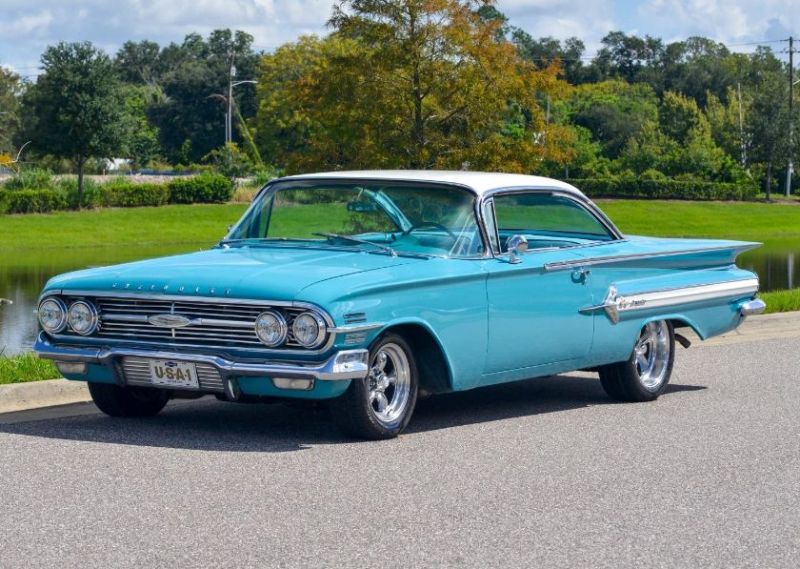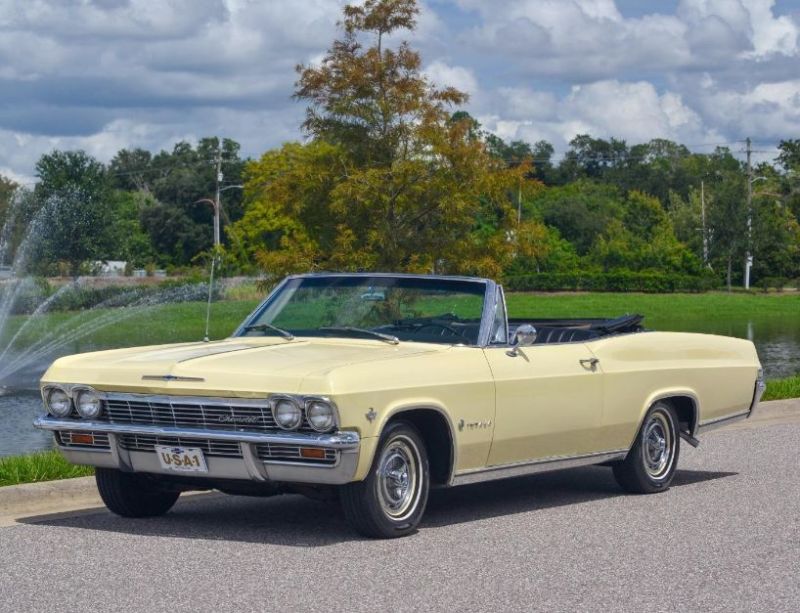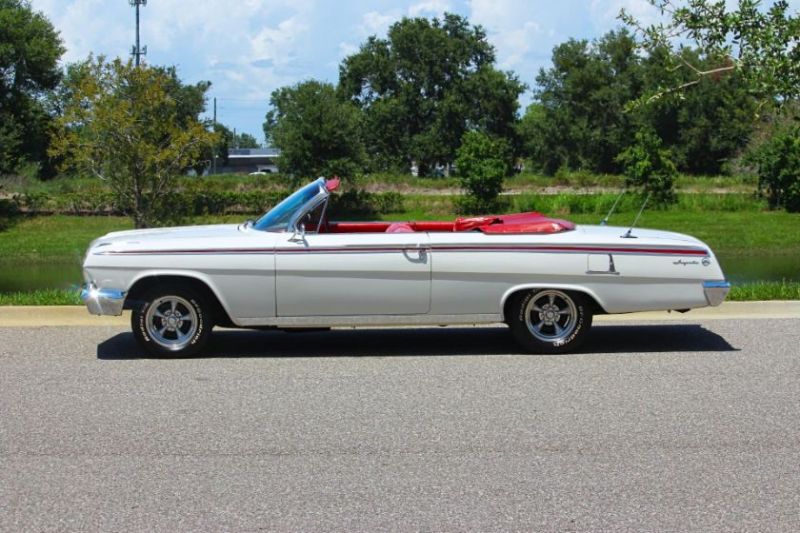
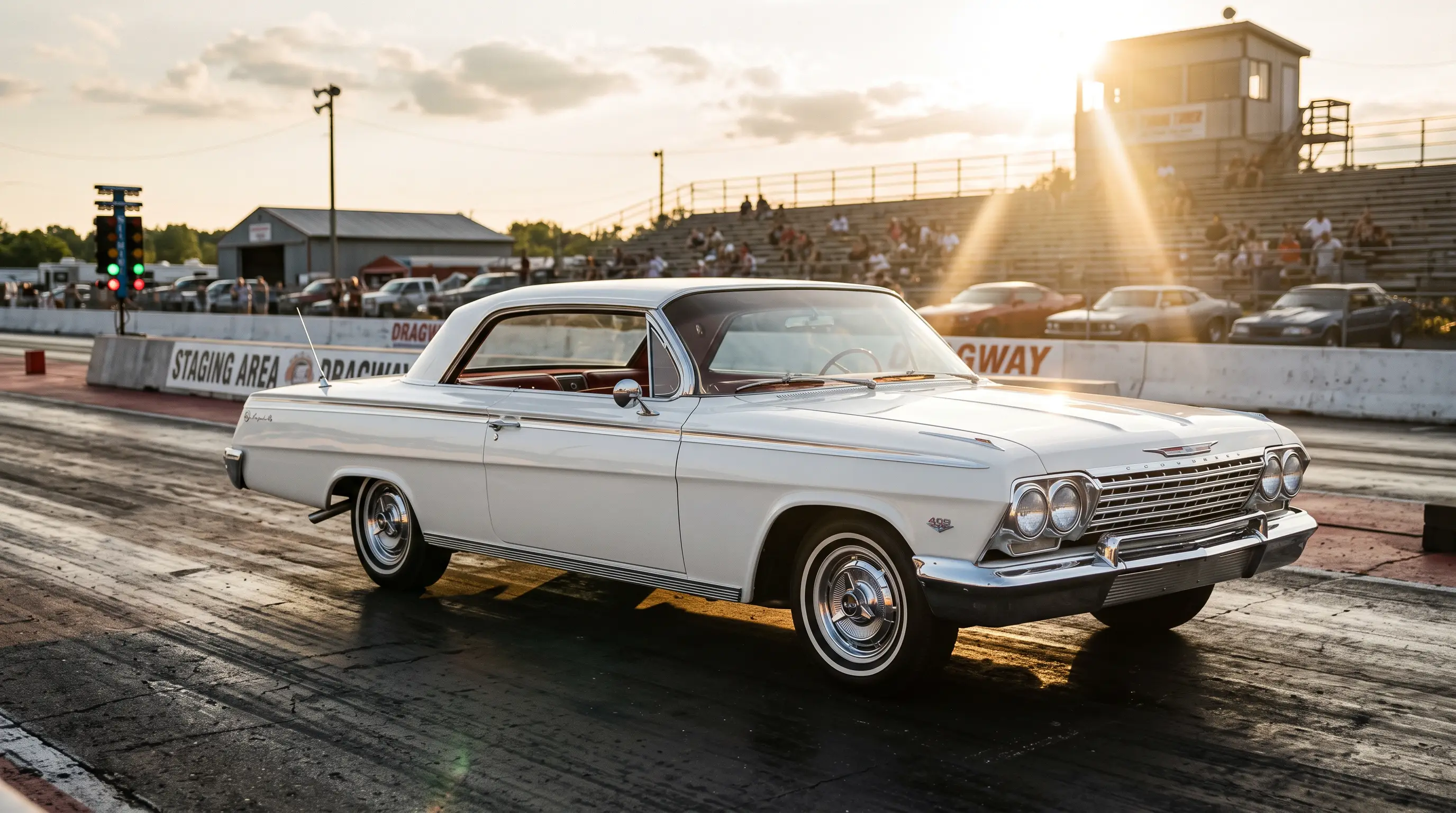
The Impala SS 409 is not the fastest classic Chevrolet ever built. Say that out loud at a car show and watch the reactions. But the numbers back it up, and numbers do not care about reputation. This engine mattered because of what it represented in 1961 and 1962, not because it holds any lap record today.
The number that started it
409 cubic inches. That is the whole pitch. Chevrolet took the small block architecture, bored and stroked it, and built a genuine big-block V8 out of it for 1961. Output landed around 360 horsepower in its first year, rated. By 1962 and into 1963 and 1964, dual four-barrel versions pushed past 400 horsepower on paper, with the top-rated dual-quad 409 reaching 409 and eventually 425 horsepower in its later years. Real-world output was almost certainly lower than the factory rating, a common practice across Detroit at the time to keep insurance underwriters and racing sanctioning bodies from paying too much attention.
Weight mattered as much as horsepower. A full-size Impala carrying a 409 was not a light car. Power-to-weight ratio put it in the same conversation as other big-inch, big-body muscle cars of the era, not ahead of them. It competed. It did not dominate outright.
Transmission choice affected real-world performance more than most buyers today assume. A four-speed manual paired with the higher-output dual quad configuration got closer to the factory numbers than an automatic ever would, and period road tests bear this out consistently. An automatic-equipped 409 is a genuinely different driving experience than a four-speed car, and neither is more correct than the other. They are simply two different configurations Chevrolet offered, and a buyer should know which one they are actually looking at rather than assuming all 409 cars performed identically off the showroom floor.
Where the reputation actually came from
Two things built the 409's legend, and neither was outright dominance on a drag strip. First, the engine sounded and looked the part, with a distinctive exhaust note that period enthusiasts still describe specifically, and a cross-ram intake option on later versions that looked as aggressive as it performed. Second, popular music put the number in front of millions of people who never set foot near a dealership. A well-known 1962 surf-rock single used the engine's displacement as its hook, and that song did more for the 409's reputation than any single dyno chart or quarter-mile time ever did.
Strip the marketing and the music away, and the 409 was a solid, honest big-block for its era. Not a giant killer. A genuinely quick car for someone who ordered it correctly and knew how to drive it.
| Spec | Figure |
|---|---|
| Displacement | 409 cubic inches |
| 1961 rated output | Approx. 360 hp |
| Peak dual four-barrel rating | 409 to 425 hp (1962 to 1964) |
| Body style availability | Sport Coupe, convertible, Sport Sedan |
Reliability, the part nobody puts on a t-shirt
The 409 had a narrow tuning window. Get the carburetion and ignition timing right, and it ran strong. Get it wrong, and it ran rough, fouled plugs, and frustrated owners who expected the magazine numbers to show up in daily driving without any real tuning effort. This is a documented, common complaint from period owners and mechanics, not a modern myth invented to knock the engine down a peg.
Parts availability today is decent, not great. Original blocks and heads are out there, but a numbers-matching 409 in a numbers-matching car is a specific, valuable combination, and plenty of cars on the market today carry replacement engines dressed up to look period correct. Verify before you pay a premium for "matching numbers." That phrase gets used loosely by sellers who have not actually confirmed it.
Carburetion is where most 409 headaches start and end. The single four-barrel version tolerated everyday driving reasonably well. The dual quad setup did not. Two carburetors means two sets of linkage, two float bowls, and twice the opportunity for something to drift out of sync. Owners who kept up with regular tuning got the performance the engine was capable of. Owners who did not got a car that ran fine at idle and stumbled the moment they asked for real power. That gap between well-tuned and poorly-tuned examples explains a lot of the mixed reputation the 409 picked up among people who owned one briefly rather than for years.
How it stacks up against what came after
Chevrolet moved past the 409 by the mid-1960s, replacing it with newer big-block designs that made more power more reliably and tuned easier. That is not a knock on the 409. Every engine gets surpassed eventually. It is a fact worth knowing before you pay 409 prices expecting 427 performance. The two engines occupy different chapters of the same story, and treating them as interchangeable in terms of capability misreads both.
Weigh the trade honestly. A 409 gives you the recognizable name, the era-correct sound, and a direct connection to the song and the early 1960s drag strip culture that made the number famous in the first place. It does not give you modern-tolerance tuning or the outright output the later big-blocks delivered. Buyers chasing bragging rights on a spec sheet alone should look at the 427. Buyers chasing the actual history and the actual sound should stick with the 409 and budget for a mechanic who already knows how to keep dual quads in sync.
For background on how the Super Sport badge developed before and around the 409's introduction, read the background on the full Impala SS story. It puts this specific engine in the context of the badge it powered.
"The 409 is a great engine with a better publicist. Respect it for what it actually did, not for what a three-minute song told you it did."
- Dan Reeves
The bottom line for buyers
If you want a 409, know what you are buying. A solid, honest, era-correct big-block with real limitations and a narrow tuning window, wrapped in one of the most recognizable numbers in American car culture. Verify matching numbers before you pay a premium for them. Check the tuning history, not just the mileage. If you want more power and more modern tuning tolerance from the same general era, the 427 that followed is worth a look too before you commit to either engine specifically.
Buyers ready to compare 409-powered Impala SS cars currently on the market can shop classic Impala listings and check documentation before anything else. The engine has earned its reputation. Make sure the specific car you are buying has earned the price tag attached to it.
One more number worth knowing. Rebuild costs on a correct 409 run higher than a comparable small block, mostly because parts are lower volume and specialists who understand the dual-quad tuning correctly are fewer than the general classic Chevrolet mechanic pool. Budget for that before you buy, not after the engine starts running rough six months in. A 409 rewards an owner who plans for its quirks and punishes one who assumes it behaves like any other big-block off the shelf.
Sources and notes
- Impala Engine Options: 1961 - Chevy Hardcore
- Engine Options: 1962 Impala - Chevy Hardcore
- Impala Engine Options: 1964 - Chevy Hardcore
- 1962 Impala Sport Coupe 409 V-8 380hp Specs - Automobile Catalog
- 1958-90 Impala and Passenger Car Production Figures - Classic Industries
- Chevrolet Impala - Wikipedia