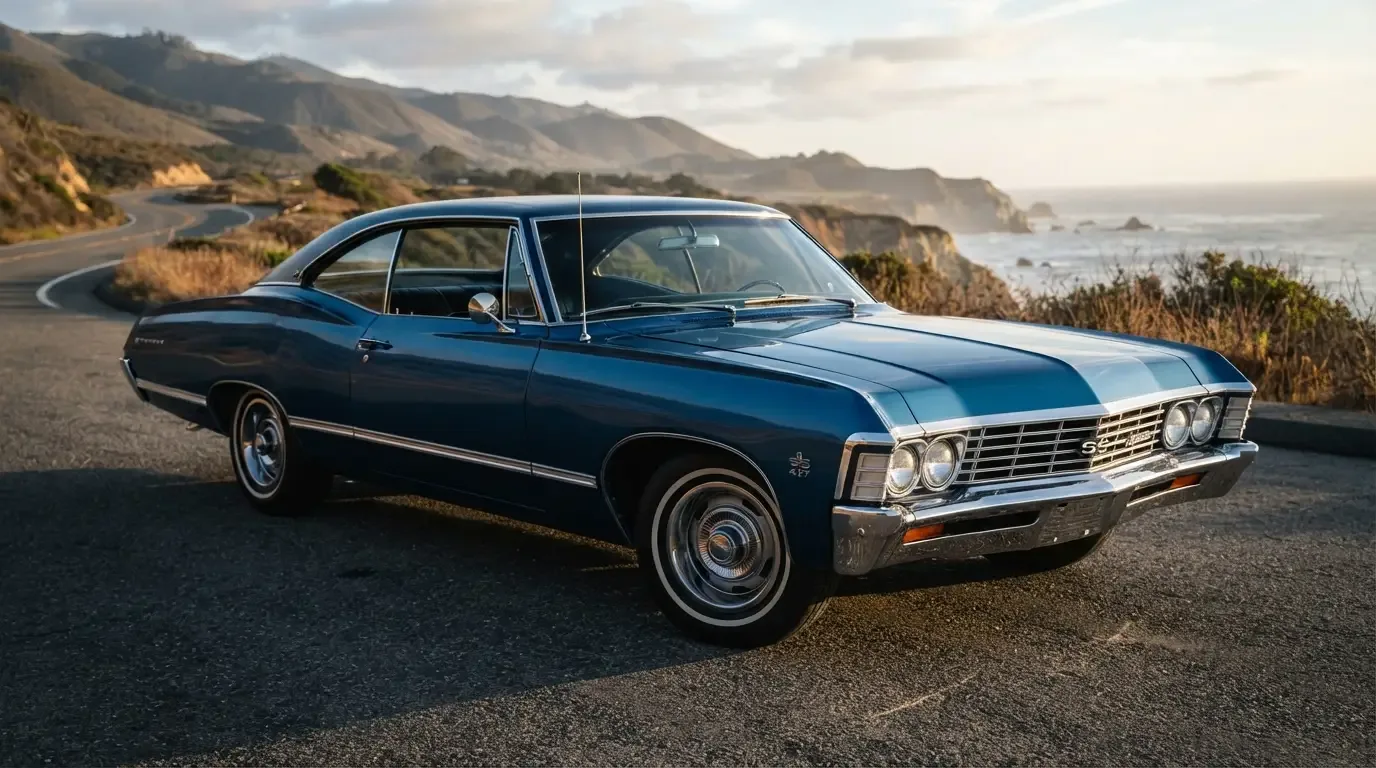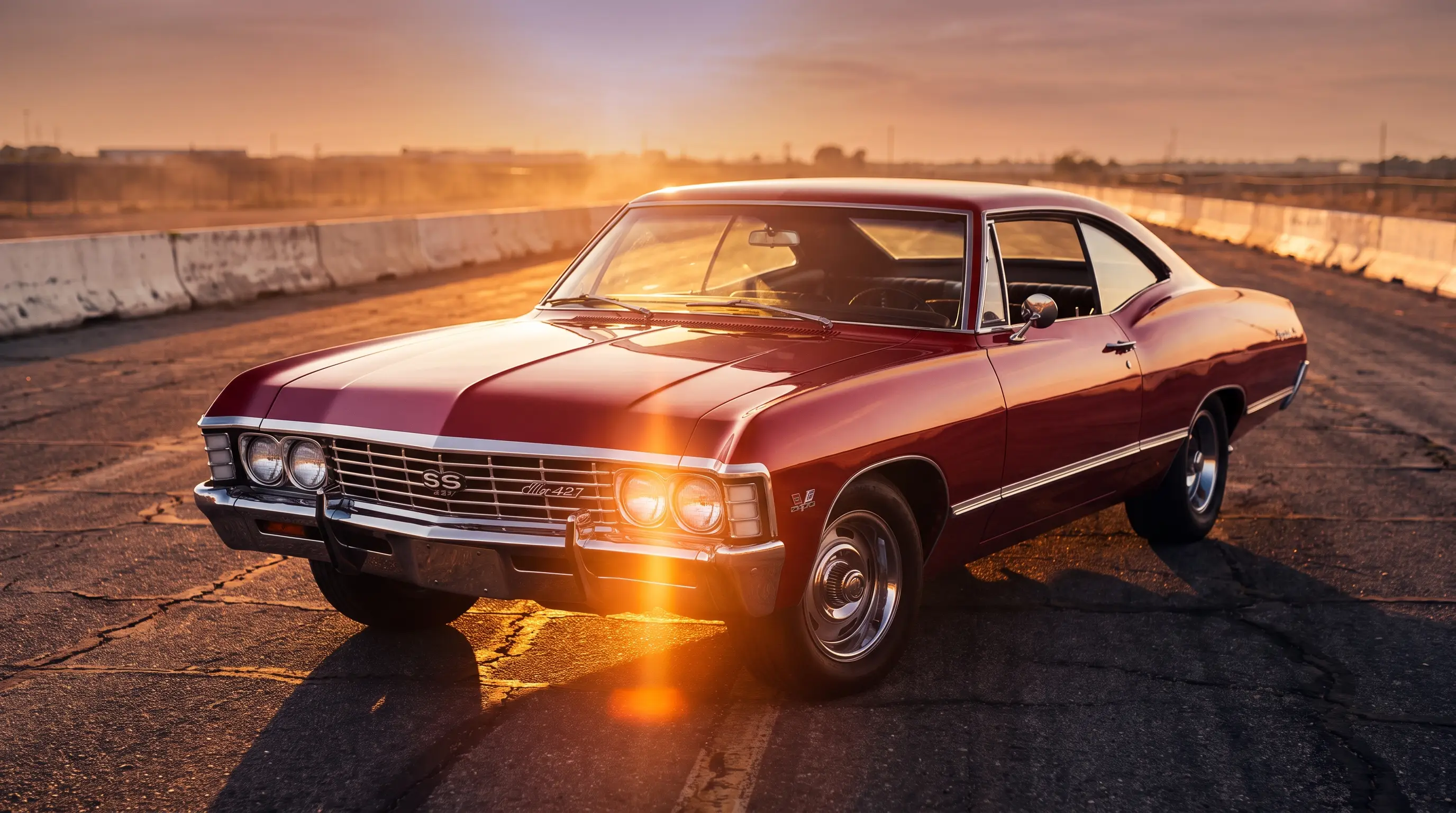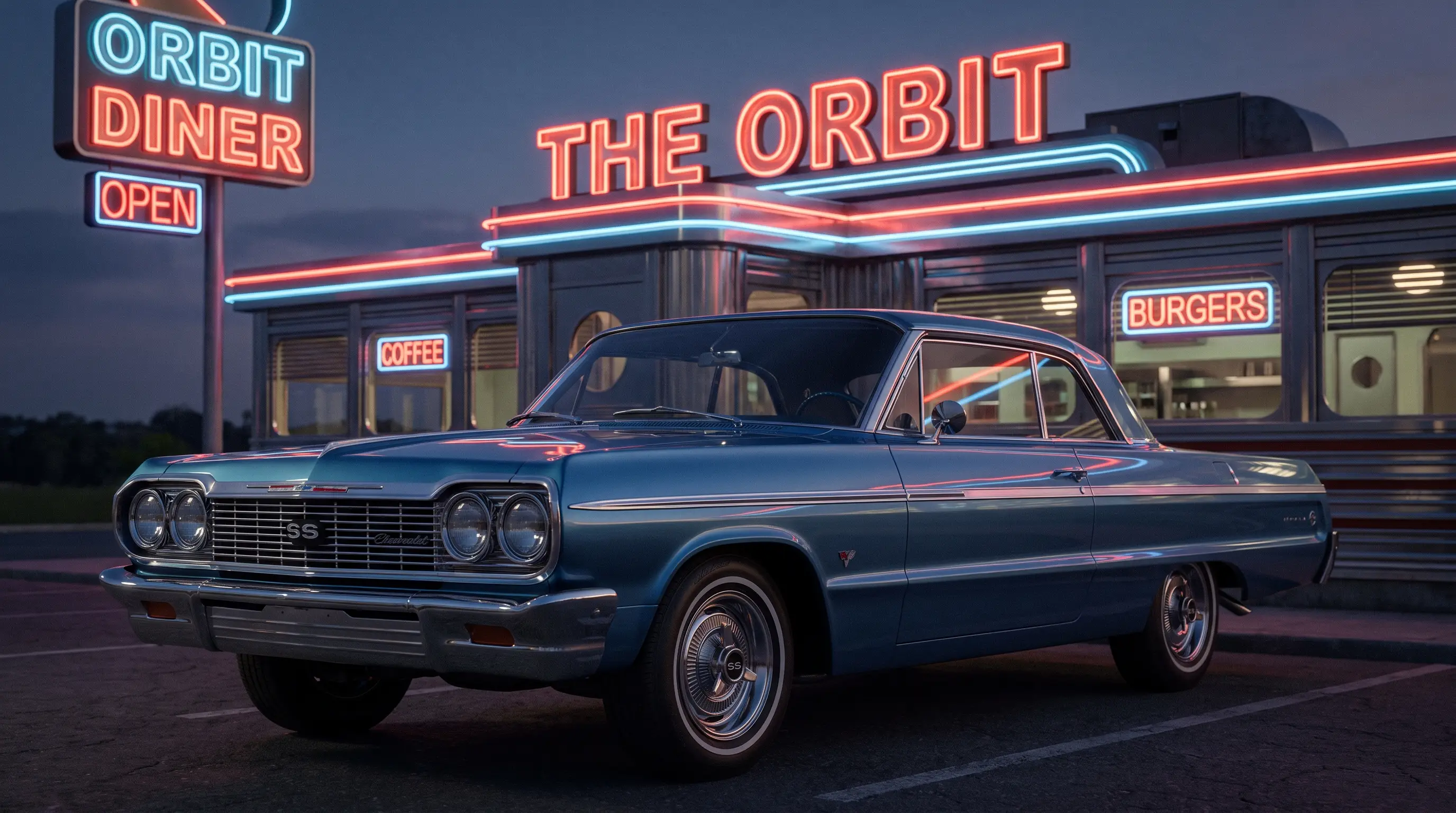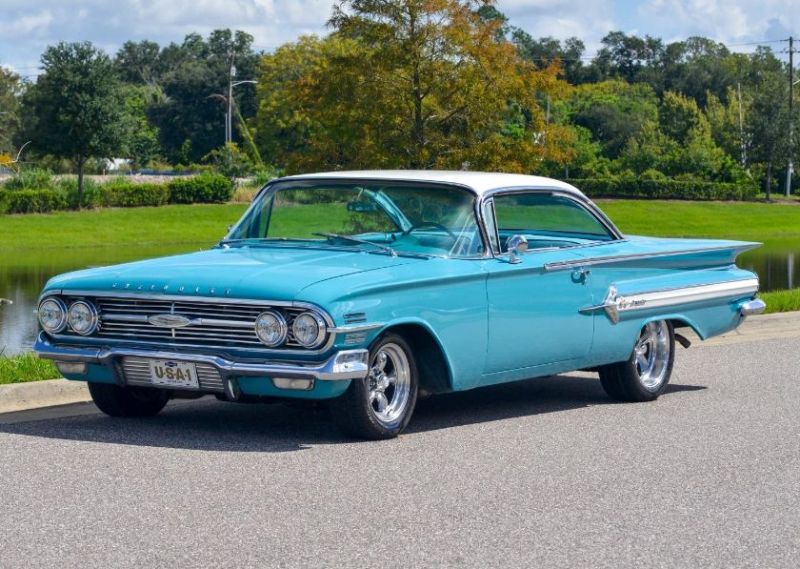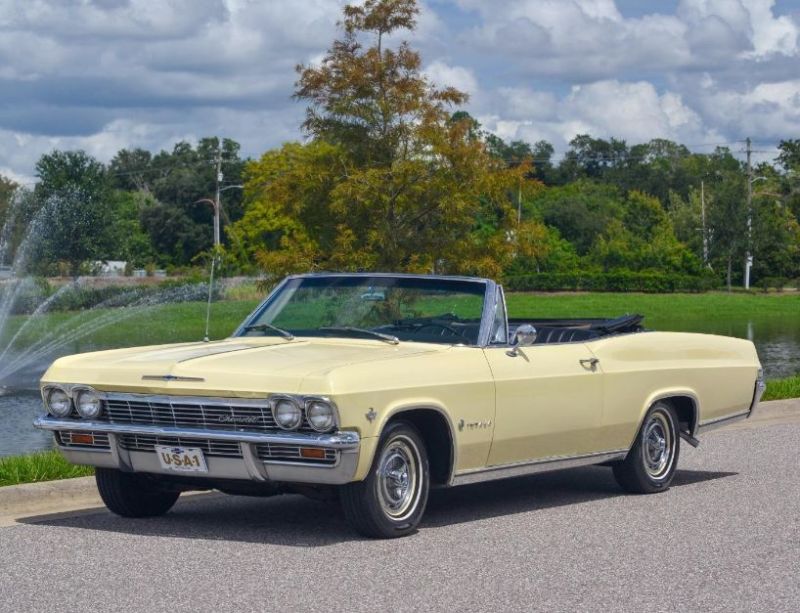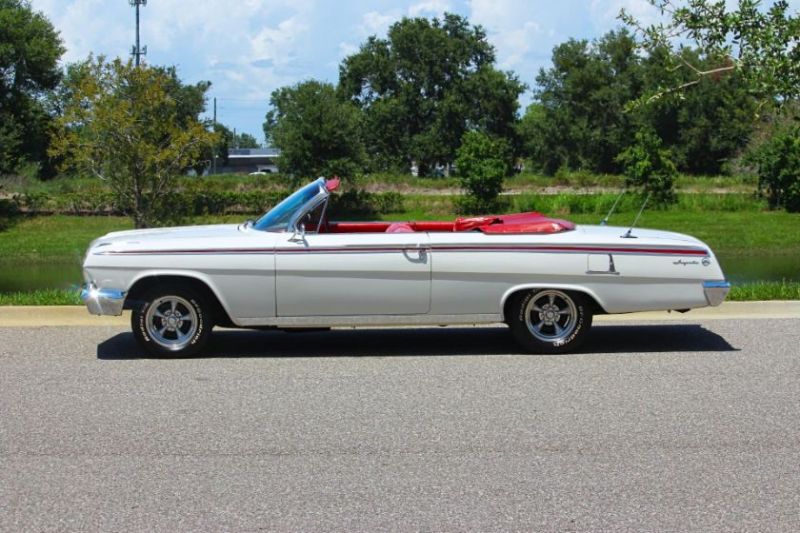
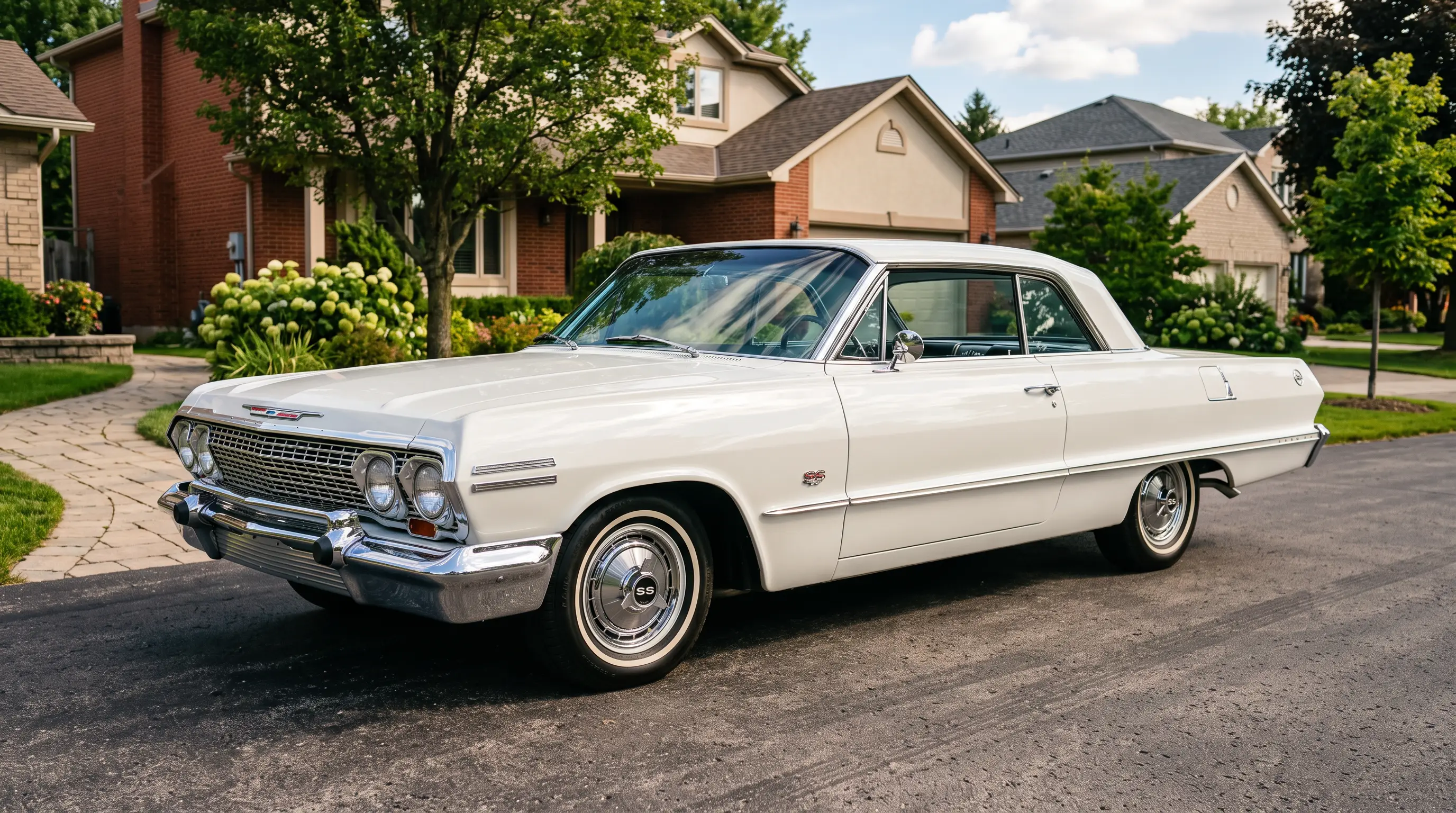
I was at a small cruise-in a few summers back, standing next to a fellow who had three different Impala SS badges laid out on a shop towel across his tailgate, comparing them like they were coins. That is when it clicked for me how much the impala ss badge itself has changed shape over the years, and how much people care about getting the right one on the right car.
A badge that started as a rumor
The Super Sport badge did not arrive with a grand announcement. It showed up for 1961 as a quiet mid-year option, a way for Chevrolet to give the Impala a sportier identity without building an entirely new car around it. The early badge was modest: some extra brightwork, a small SS emblem, and a chassis package underneath that most buyers never noticed at all. Fewer than a thousand were built that first year, which is part of why old-timers at car shows still treat a genuine 1961 SS like a rumor they finally got to see in person.
What that first badge represented mattered more than what it looked like. Chevrolet was telling its own dealer network, and its own engineers, that the Impala could be more than a family sedan if somebody bothered to build the option and put a name on it.
The badge grows into its own identity
By 1962 the SS badge had a real home. It moved from a rumor to a documented, ordered, and marketed option that dealers actively pushed, complete with its own brochure language. The badge itself grew more confident too, larger lettering, more prominent placement on the rear quarter panels and the trunk lid, matched to a bucket-seat interior and console that made the SS feel like a distinct car sitting inside the regular Impala lineup rather than a decal package bolted onto one.
Every year through the mid-1960s brought small changes to the badge shape, the typeface, and where exactly it sat on the body. None of those changes were random. Chevrolet's stylists were refining the SS identity the same way they refined the rest of the car, which is exactly why club judges today can often date a car within a year or two just by looking at badge details in photographs.
When the badge outgrew the option
By the mid-1960s, the SS had become popular enough that Chevrolet gave it a separate model designation rather than treating it as an add-on to the regular Impala. That distinction sounds bureaucratic, but it changed how the badge functioned. It was no longer just decoration on somebody else's car. It was the identifying mark of a Chevrolet model in its own right, sold and advertised on its own terms, with engine and trim combinations built specifically around it.
That is the version of the story most people know, the SS as its own model with its own dedicated buyers. But every bit of that came from the small, uncertain option Chevrolet tried in 1961 without much confidence it would catch on. The people at the club meets who fuss over badge authenticity are not being precious about a stamped piece of metal. They are protecting the one detail that most directly tells you which chapter of that story a particular car actually belongs to.
"You can put SS letters on almost anything with a rivet gun. What you cannot fake is the story behind why Chevrolet put that badge on that specific car in that specific year, and that is the part the good club members actually care about."
- Wayne Coburn
Reading a badge honestly
If you are looking at a car today and trying to figure out whether the SS badge belongs there, the badge itself is only the start of the conversation. It has to match the trim level, the interior, and ideally the factory documentation for that specific car and year. A correct badge on a car with the wrong interior or the wrong drivetrain is a sign somebody assembled a look rather than preserved a history, and that distinction shows up in resale value every single time.
None of this is meant to scare a buyer away from the SS name. It is meant to explain why the people who know Impalas well spend so much time looking at small stamped letters before they look at anything else. For the fuller arc of how the Super Sport package grew from that quiet 1961 option into a full model line, where this started lays out the whole progression year by year.
Why the badge still matters to buyers
Decades later, that little emblem still does a lot of work in the marketplace. A documented, correct SS badge on a well-kept car adds real value over an equivalent base Impala, and buyers who know what they are looking at will check for it before anything else. If you are shopping this era and want to see how that premium plays out across a range of cars and conditions, browsing classic Impala for sale listings is a good way to get a feel for it before you start negotiating on a specific car.
Club meets are full of stories about cars that turned out to be less than advertised once somebody looked closely at the badge and what surrounded it. That is not gatekeeping for its own sake. It is the accumulated experience of people who have watched plenty of nice-looking cars turn out to be dressed up rather than documented, and who would rather ask an awkward question before a sale than after one.
I have heard the same story more than once from different regions, told with different names but the same shape. A car shows up at a swap meet with a fresh coat of paint and a bright new SS badge, priced like the real thing. A longtime member walks over, looks at the cowl tag for thirty seconds, and quietly tells the seller they might want to describe the car differently. Nobody yells. Nobody makes a scene. The price just quietly comes down, and the badge goes back to being what it always was, decoration rather than documentation. That is the whole culture around this in one small moment, and it repeats at nearly every meet where these cars show up.
A badge is a small thing to hang a whole hobby's worth of attention on, but that is exactly what happened here, and honestly, once you have spent an afternoon comparing three of them on a tailgate, you understand why.