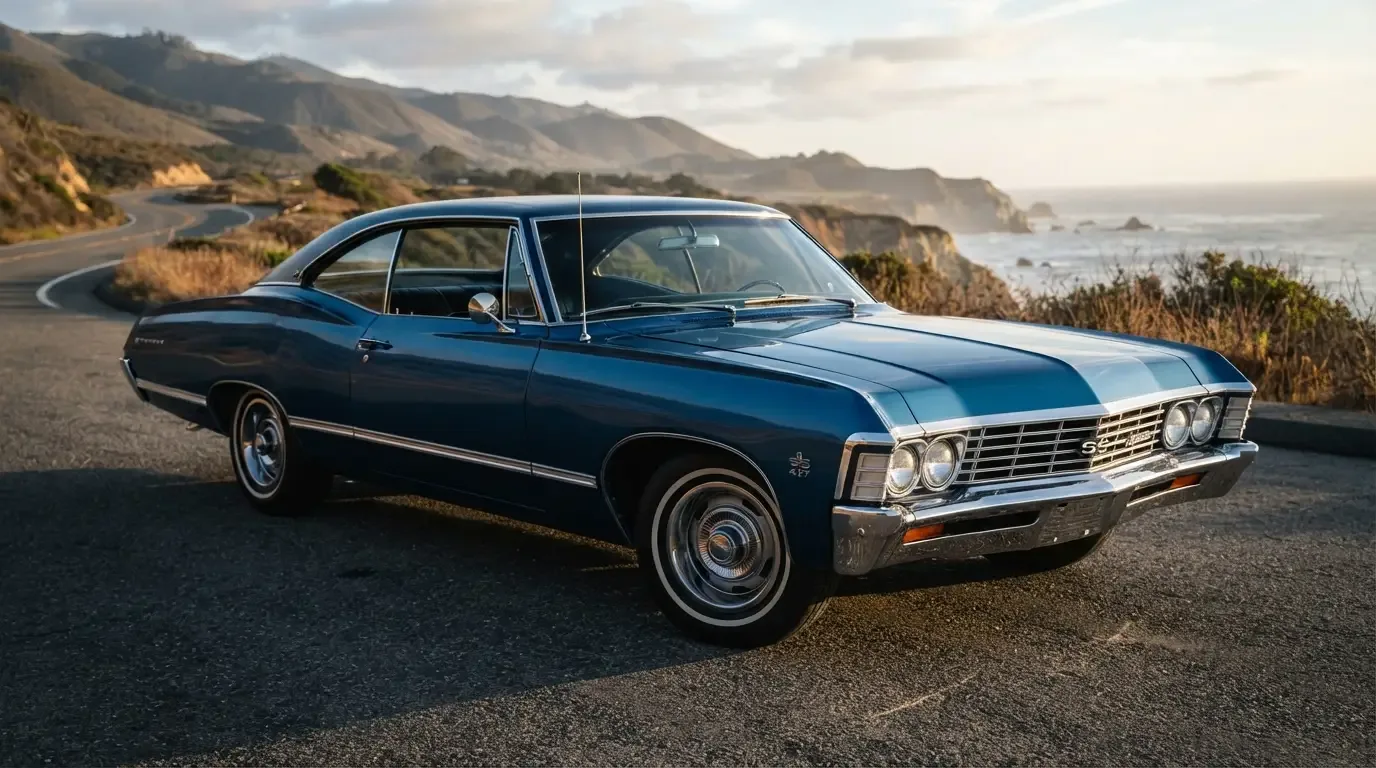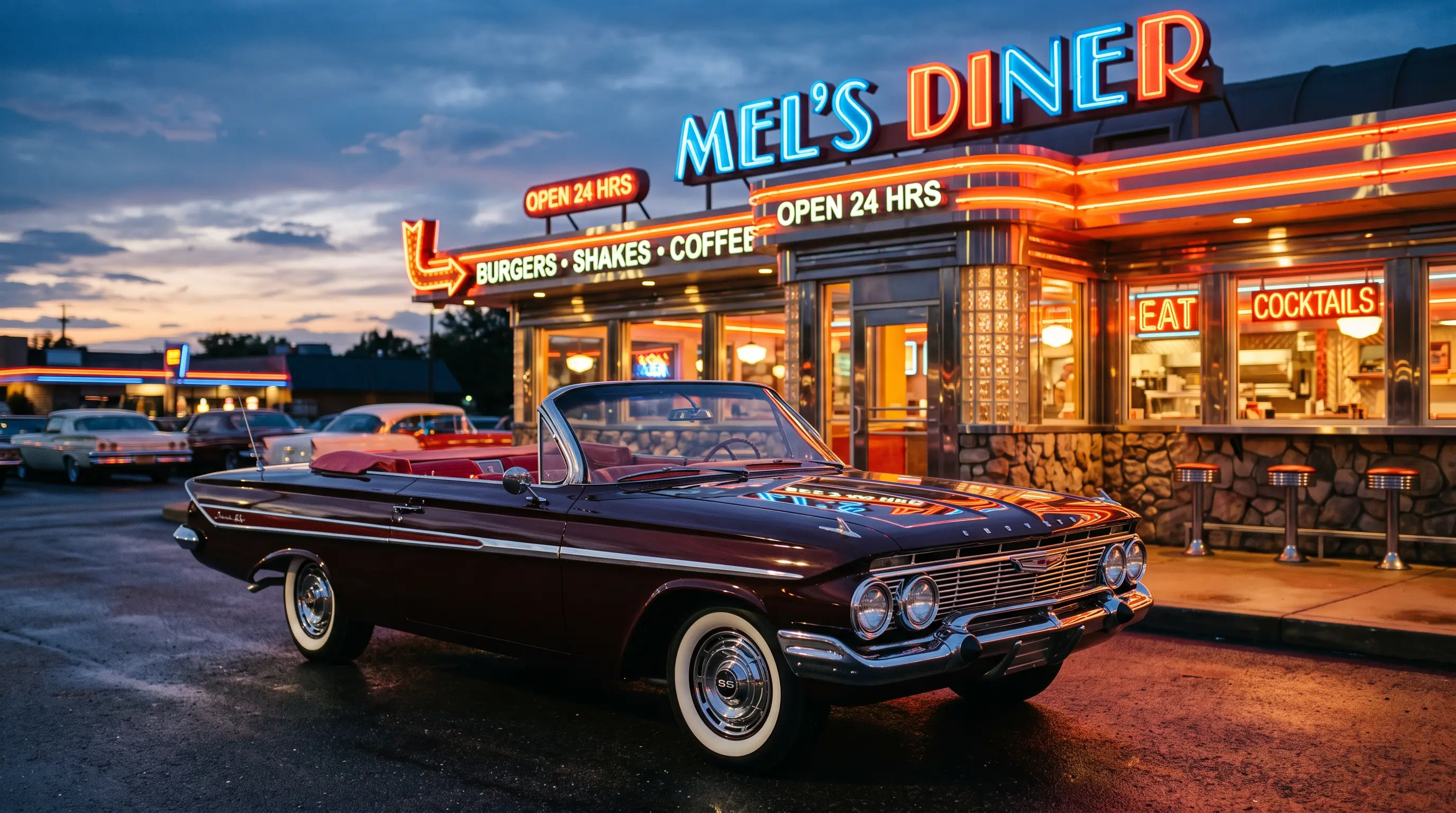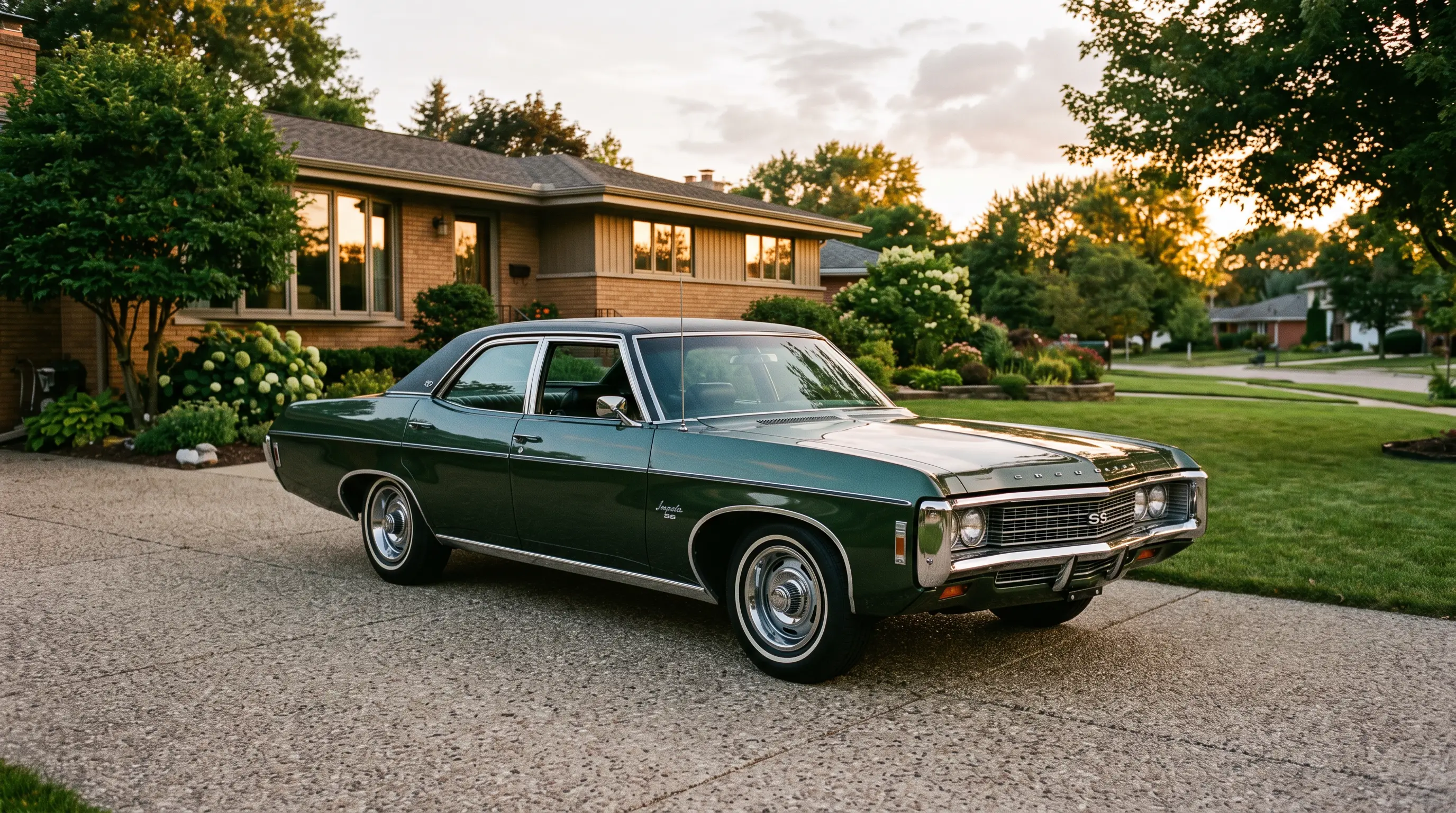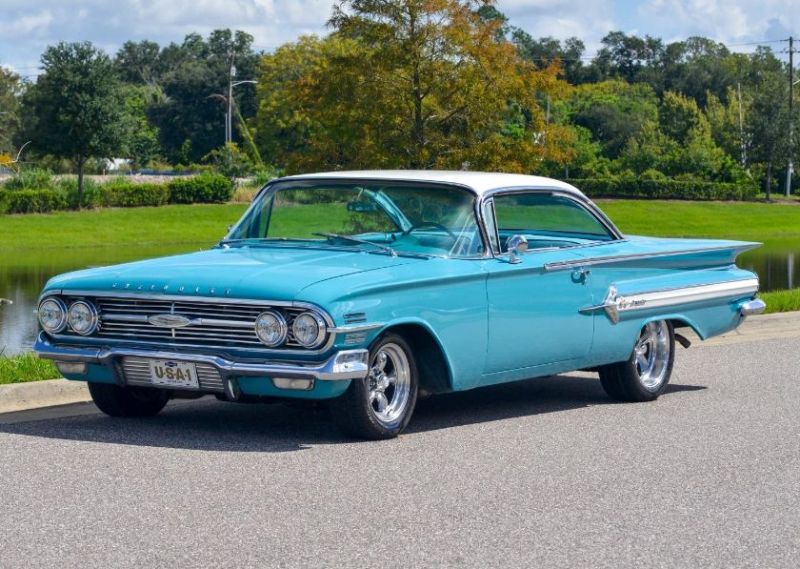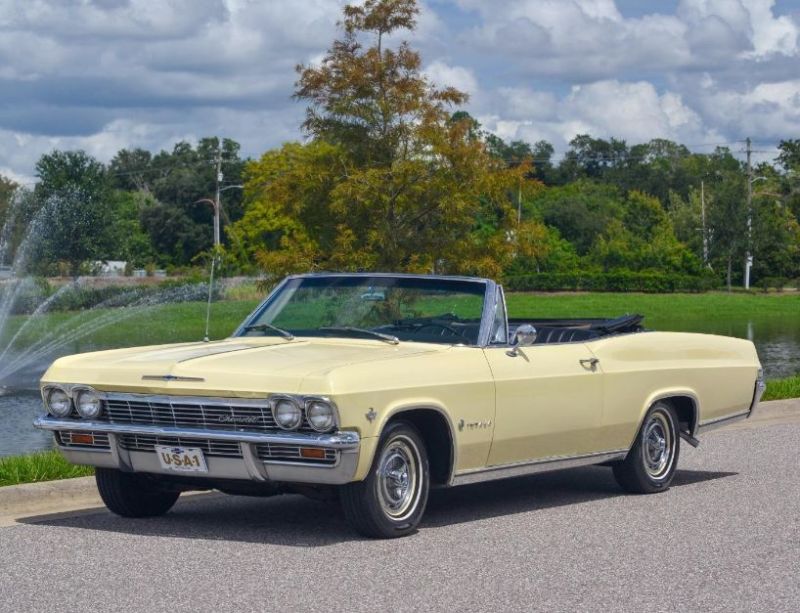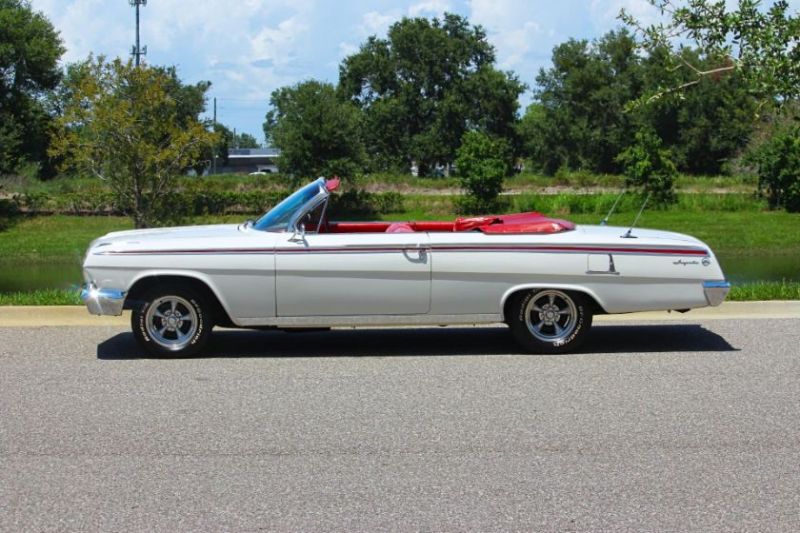
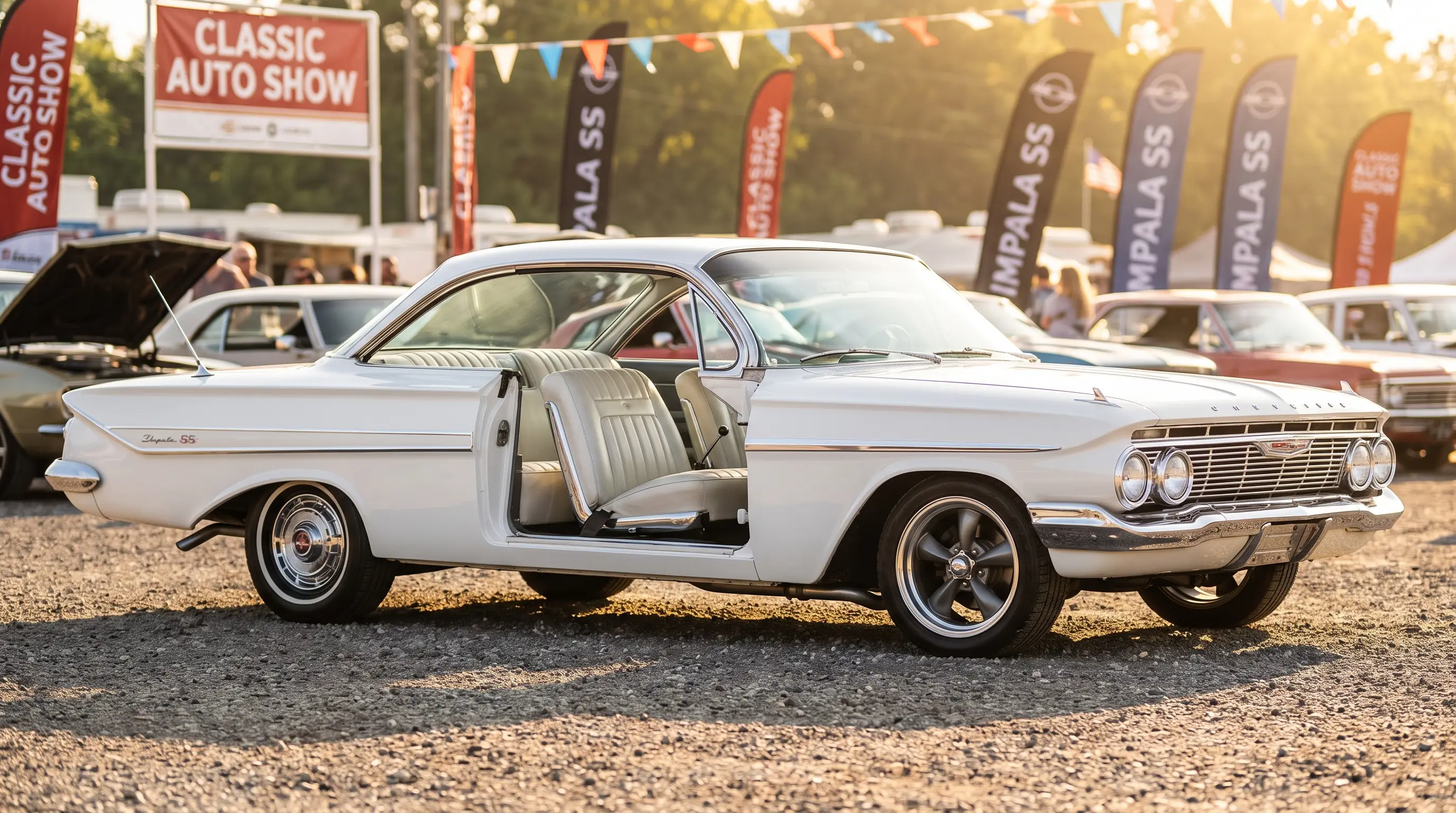
Any serious accounting of Impala SS history has to start with a correction most casual fans get wrong: the Super Sport was not born as a performance package. It began, in 1961, as an appearance and comfort option, and only became the performance-focused nameplate collectors think of today through a series of deliberate decisions Chevrolet made across the following several years. The factory record on this is clear even where popular memory has smoothed the story into something simpler than what actually happened.
1961: an option, not yet an identity
When Chevrolet introduced the Super Sport option for the Impala in 1961, it was available only on the two-door Sport Coupe and convertible, and it bundled items like a specific instrument cluster, a passenger grab bar, wheel covers, and heavy-duty suspension components rather than any guaranteed engine upgrade. A buyer could order the SS package with anything from a six-cylinder engine to Chevrolet's largest available V8, which meant the badge in its first year said more about trim than about performance intent.
Factory records show relatively modest take rates for the SS option in its debut year, a detail that surprises people who assume the package was an instant hit. It took a couple of model years, and several styling and marketing adjustments, before the Super Sport became something buyers specifically sought out rather than a box checked on a broader Impala order.
1962 to 1963: the badge finds its footing
By 1962, Chevrolet had refined the SS package into a more coherent identity, adding SS-specific badging, revised trim, and a stronger association with the 409 cubic inch V8 that had entered the lineup and quickly become the engine most associated with serious performance intent inside the Impala range. Period advertising leaned into this connection, and the Super Sport began appearing in drag racing and street performance contexts that had nothing to do with its origins as a comfort and appearance package.
The 1963 model year continued this trajectory, with the SS package becoming standardized enough that Chevrolet's own sales literature began treating it as close to a distinct model rather than a mere option code, even though the ordering paperwork still technically listed it as an add-on to the base Impala.
| Model year | SS status | Defining detail |
|---|---|---|
| 1961 | Comfort and appearance option | Available with any engine, low initial take rate |
| 1962 | Performance identity forming | Strong 409 cid V8 association begins |
| 1963 | Near-model status | Marketed almost as a distinct trim level |
| 1964 | Full Super Sport trim level | Widest engine range of the generation |
1964: the trim level cements itself
By 1964, the Super Sport had become a genuine trim level in its own right rather than an add-on package, complete with distinct interior treatment and exterior badging that separated it clearly from a standard Impala Sport Coupe or Sport Sedan. The range of available engines that year, running from a base six-cylinder through the 409 cubic inch V8 in its most aggressive tune, shows how far the SS name had come from its comfort-package origins while still not committing exclusively to performance the way later muscle car nameplates would.
This gradual evolution across four model years is a pattern worth understanding on its own terms rather than reading backward through the lens of what the Super Sport eventually became. Chevrolet did not set out in 1961 to build a performance icon. The company built a comfort package, watched buyers gravitate toward pairing it with big engines, and adjusted the marketing and trim content accordingly year over year.
Dealer feedback played a real role in this shift, more than most retrospective accounts acknowledge. Chevrolet's regional sales offices tracked which options buyers were pairing with the SS package, and the pattern of big-block orders climbing steadily through 1962 and 1963 gave the styling and marketing teams the evidence they needed to lean harder into performance positioning for 1964. This was not a top-down decision imposed on the market. It was a company responding to what its own order banks were telling it, model year after model year, and adjusting accordingly rather than guessing at what buyers wanted.
Why the origin story matters today
Understanding this progression matters for anyone researching or restoring an early Super Sport, because it explains why 1961 and 1962 SS cars vary so widely in engine and equipment compared to how uniformly performance-oriented the badge would later feel. A documented 1961 SS with a six-cylinder engine is not a contradiction or an error. It is exactly what the factory records describe for that specific model year, and treating it as somehow incorrect misunderstands what the package was actually designed to be at launch.
For the specific detail of how the SS option debuted in its first year, including the exact equipment bundle Chevrolet included, our dedicated coverage on a related story walks through that inaugural model year in full.
"People want the SS story to be a straight line from comfort package to muscle car. The real record has more steps in it, and every one of those steps is documented if you go back to the actual factory literature instead of the shorthand version everyone repeats."
- Tom Ramirez
The broader picture
Taken together, the four years from 1961 through 1964 show a nameplate maturing in real time, shaped as much by what buyers actually ordered as by what Chevrolet's designers originally intended. That is a more interesting and more historically accurate story than the simplified version most casual references repeat, and it is the version that holds up when checked against the factory's own paperwork. For the complete impala ss history across every major model year, our full coverage traces the badge from this 1961 debut through its later, more performance-focused iterations.
Researchers piecing together an individual car's place in this history should treat the model year, not just the badge, as the primary unit of analysis. An SS built in 1961 belongs to a genuinely different chapter of the story than one built in 1964, even though both wear the same three letters on their fenders, and conflating the two flattens a history that is more layered, and more revealing about how Chevrolet actually built its lineup, than the shorthand version most people repeat at car shows.
Buyers interested in exploring what is currently available across this history can look at Impalas for sale now to see how documented Super Sport examples from these early years are currently priced against later, more overtly performance-oriented cars.
None of this history is buried particularly deep. Chevrolet's own annual brochures, dealer training materials, and press releases from the period lay out the SS package's evolution in plain language for anyone willing to read them in sequence rather than relying on a single retrospective summary written decades after the fact. The record rewards that kind of patience, and it consistently complicates the tidy narrative that gets repeated at car shows in favor of something closer to how the badge actually developed.
Sources and notes
- Chevrolet Impala - Wikipedia
- Impala Engine Options: 1964 - Chevy Hardcore
- Engine Options: 1962 Impala - Chevy Hardcore
- 1958-90 Impala and Passenger Car Production Figures - Classic Industries
- Start Saving Your Pennies for a 1961-64 Chevrolet Impala - Hagerty Media
- 1958-64 Impala Identification Guide and Model Year Changes - Classic Industries