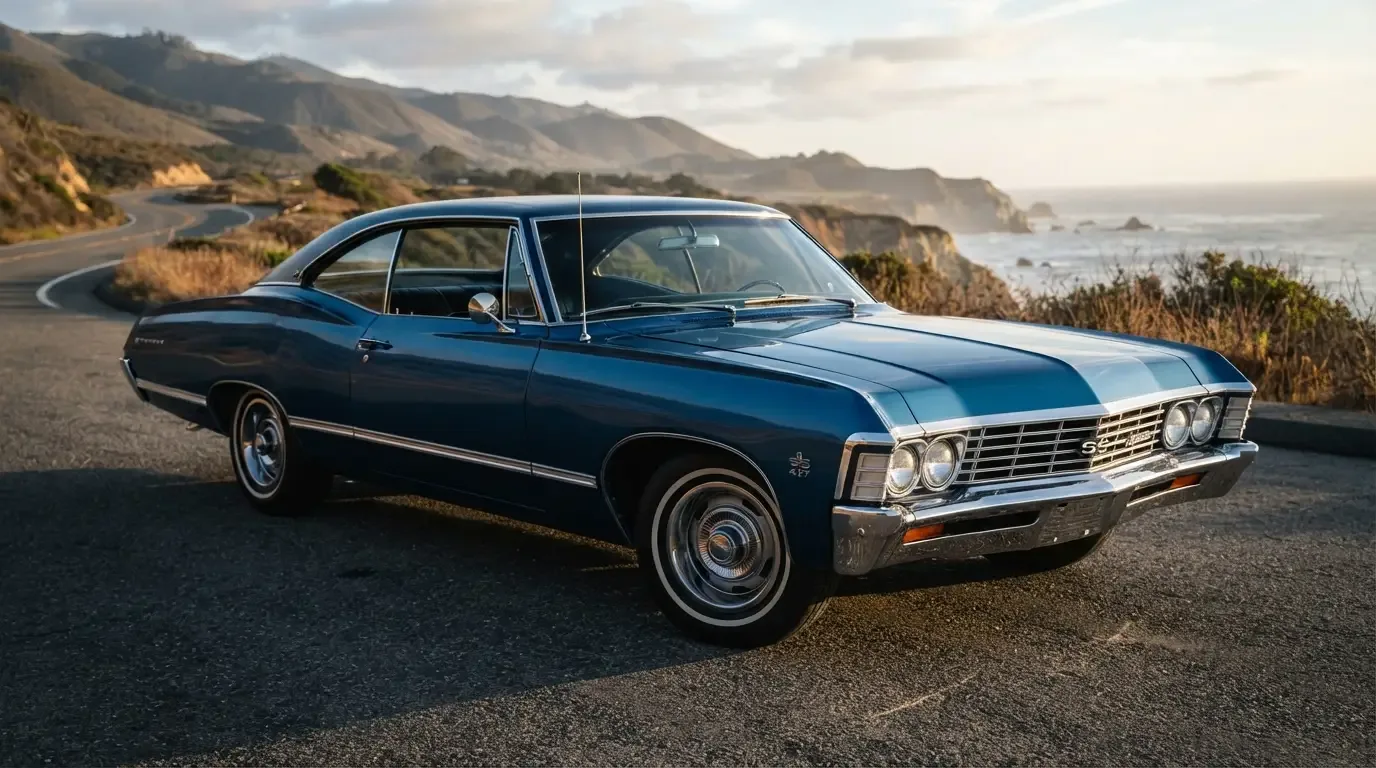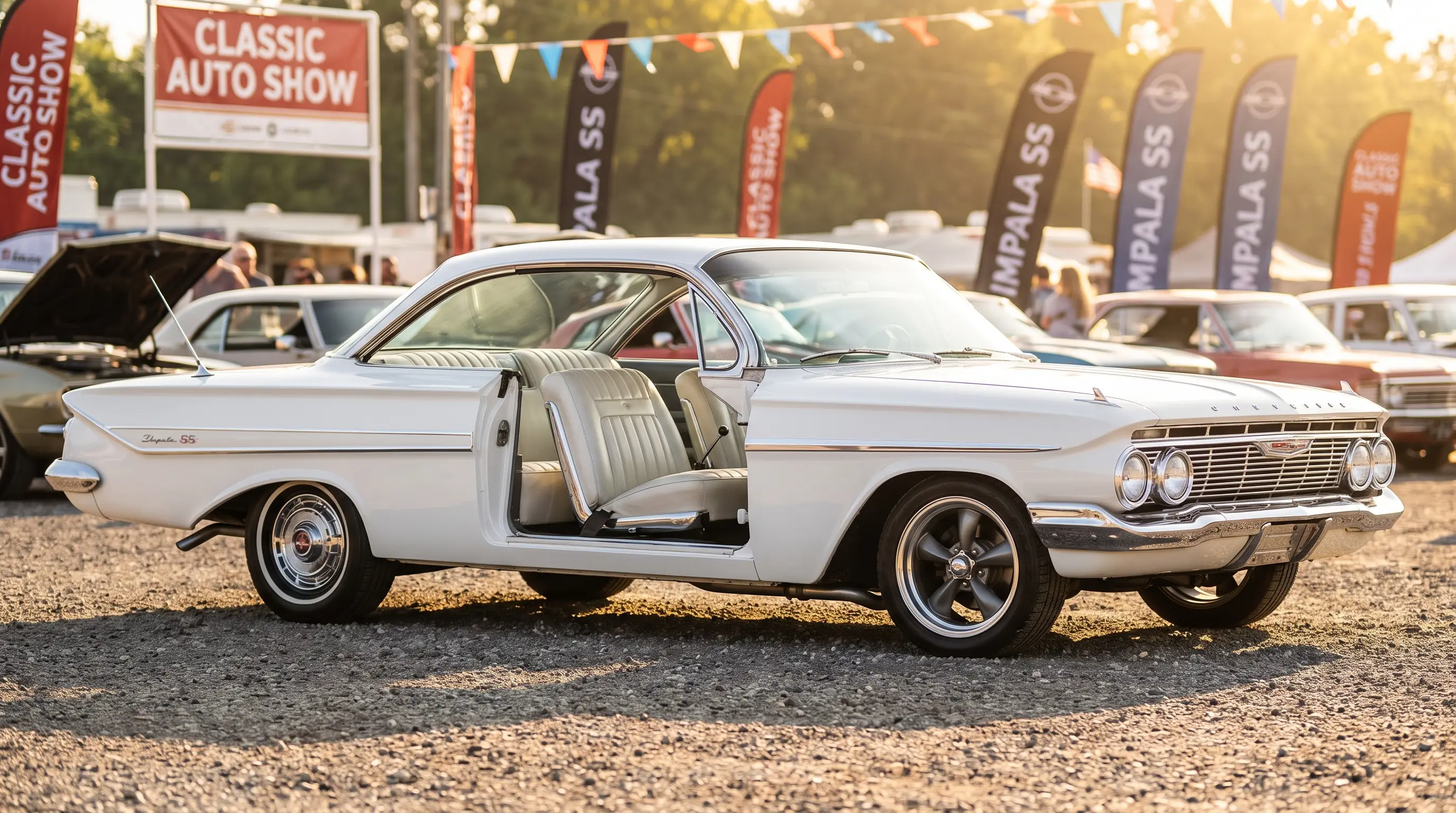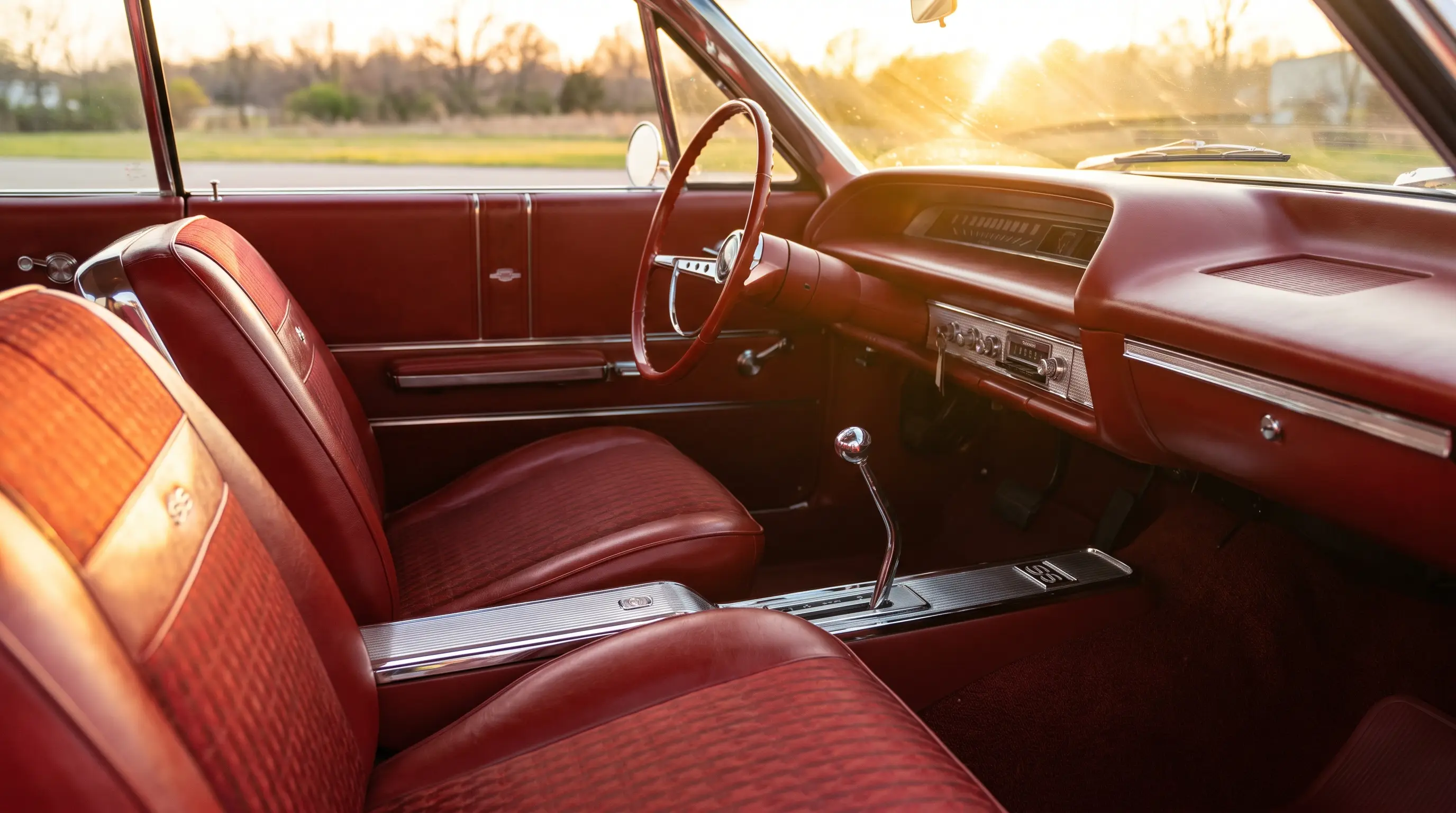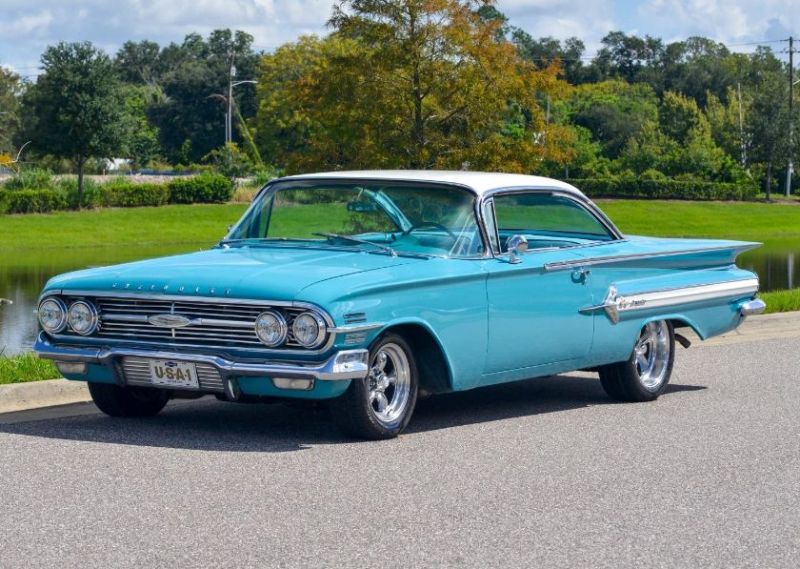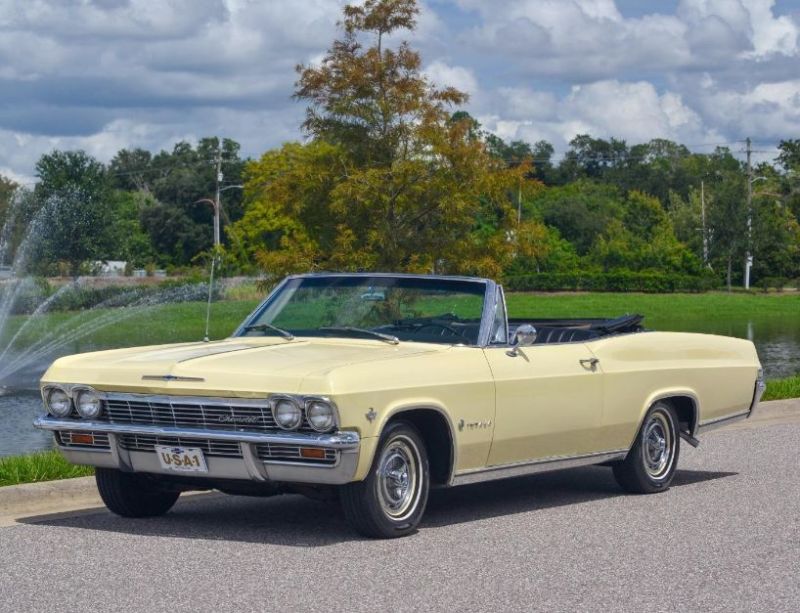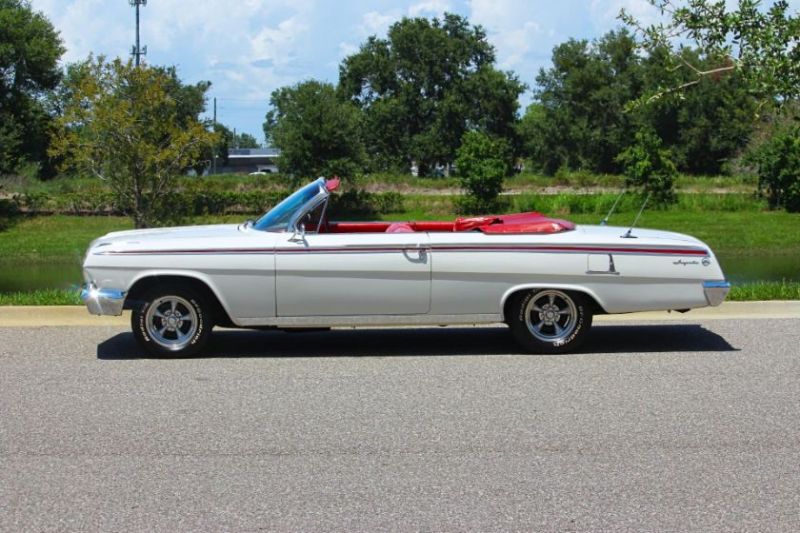
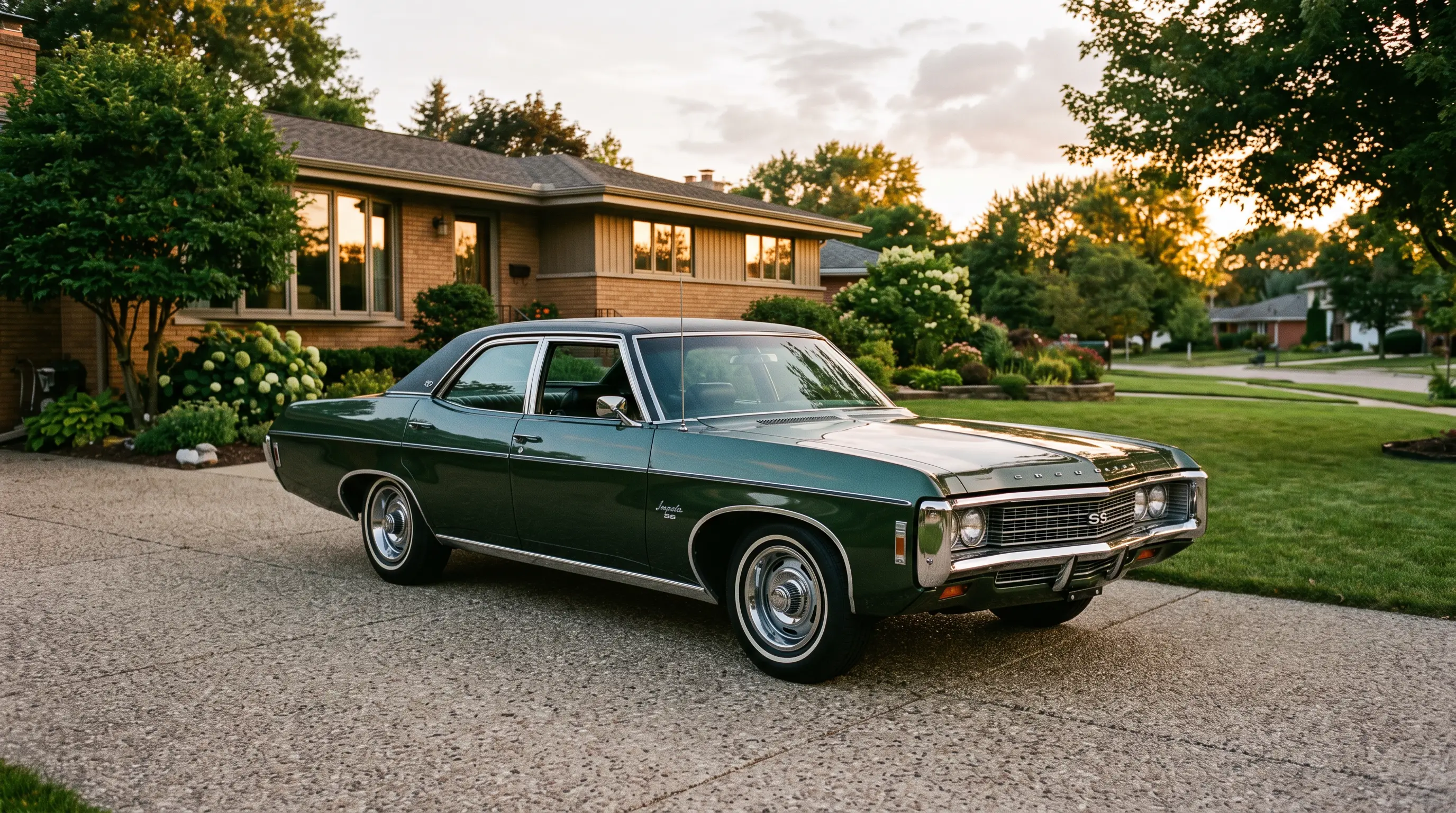
The Chevrolet Impala SS badge quietly left the full-size lineup after the 1969 model year, and the impala ss discontinued 1969 story is less about nostalgia than it is about arithmetic. Order banks and dealer paperwork told Chevrolet everything it needed to know well before the last SS 427 rolled off the line. Buyers who wanted a sporty full-size Impala were checking the SS box in shrinking numbers every year, while that same appetite for performance was migrating to the Camaro, the Chevelle SS, and a plain-looking Impala with a big block quietly ordered underneath. By 1969 the SS package survived mostly as a line on the invoice, not as a car people were asking for by name at the dealership.
How the production numbers actually moved
The decline was not gradual in the way people often assume. Impala SS output had been enormous earlier in the decade, with 1965 alone producing around 243,000 SS-trimmed cars across all engine choices. That number cratered fast once Chevrolet split the SS badge across smaller, more affordable platforms. Once the SS 427 package narrowed to a big-block-only option in 1967, orders shrank to roughly 2,124 cars, and by 1968 the factory built only about 1,778 SS 427 Impalas for the entire model year. Add the 1969 total, documented at 2,455 units, and the pattern is unmistakable. Chevrolet was not killing a strong seller. It was retiring a package that had already been abandoned by the market.
| Model year | Impala SS 427 production (approximate) | Trend |
|---|---|---|
| 1965 | Around 243,000 (all SS trim) | Peak era of the full-size SS |
| 1967 | About 2,124 (SS 427) | Sharp drop after mid-decade split |
| 1968 | About 1,778 (SS 427) | SS now a rare special order |
| 1969 | 2,455 (SS 427, RPO Z24) | Final year before cancellation |
What replaced the SS badge in the buyer's mind
Chevrolet had spent the back half of the 1960s building smaller, lighter cars that did the sporty job better and cheaper. The Chevelle SS gave intermediate buyers a big block in a trimmer body. The Camaro, arriving for 1967, gave that same buyer a two-door built around performance from the ground up rather than a full-size sedan platform wearing a performance package. A shopper who wanted quarter-mile bragging rights in 1968 or 1969 had little reason to walk past those two showroom options toward a full-size car that weighed hundreds of pounds more for no real gain. The Impala SS was competing against its own siblings, and it was losing.
Readers who want the fuller arc of that badge, from its introduction through its final order sheets, can find more on the impala ss discontinued 1969 story laid out year by year with the documentation to back it.
The paperwork behind the decision
Nothing about the SS cancellation shows up as a dramatic memo in Chevrolet's records. It shows up as an option code that simply does not appear on the 1970 order guide. RPO Z24 had already survived one demotion, moving from a distinct SS model to an option package layered onto the regular Impala range, and once regional zone offices reported another year of soft orders, there was no business case left to keep printing the paperwork. The decision reads, in hindsight, like the last step of a slow wind-down rather than a single choice made at one meeting.
The earlier chapter of that same badge, when the SS still meant something distinct on the showroom floor, gets covered in another one worth knowing if you want the contrast between the SS at its strongest and the SS at its quietest exit.
"People assume Chevrolet killed the SS because the big block Impala stopped selling. It did not stop selling. The SS package stopped selling. Those are two very different documents in the same file cabinet."
- Tom Ramirez
Correcting a common misconception
A persistent claim among enthusiasts is that the 1969 SS 427 was somehow rushed or unfinished, a car built to use up leftover parts before cancellation. The factory record does not support that. The 1969 package carried the same 427 cubic inch big block options as prior years, with the L36 and L72 variants still available on the order sheet, and dealers could still spec bucket seats, a console, and the SS-specific wheel covers and trim through the end of the run. What changed was demand, not engineering effort. Chevrolet finished the job properly and then let the line item lapse.
What the 1969 cars left behind
The final full-size Impala SS cars did not disappear from the road, they just stopped being new. What they left behind was a template. The idea of a big, comfortable body with a serious engine hiding under a subtle badge carried forward informally in Chevrolet's full-size lineup for years, even without the SS name attached. Collectors today treat the 1969 cars as the closing chapter of a specific era, the last time a full-size Chevrolet wore a genuine performance package rather than just a styling package. That scarcity, born from a business decision rather than a design failure, is exactly why the surviving cars carry real weight with buyers now. Anyone tracking down one of these for a garage can browse classic Impala listings to see what condition and documentation actually command in today's market.
The full-size Impala SS ended not with a redesign or a recall, but with an order form that simply stopped listing it. That is a quieter ending than most performance nameplates get, and it is also a more honest one. The numbers made the call, and the paperwork just followed.
Why the ending still matters to collectors now
Part of what makes the 1969 SS 427 interesting today is that its cancellation was never announced as a farewell. There was no special trim, no commemorative badge, no press release marking the last of the breed. Chevrolet simply stopped printing the option code for 1970, and most owners at the time had no idea they were driving the final year of a nameplate that had defined a decade of full-size performance. That absence of ceremony is unusual for a discontinued performance package, and it means the surviving 1969 cars carry a kind of accidental significance rather than a manufactured one.
Documentation matters more here than with most Impalas of the era precisely because the SS was an option rather than a stand-alone model. A car without paperwork tying it to RPO Z24 is just an Impala with an SS emblem someone bolted on later, and the difference in both history and value between those two cars is substantial. Buyers who understand that distinction tend to do better research before they commit, and sellers who can produce the original build sheet or a verified trim tag are working from a stronger position than those who cannot. The story of how the SS ended is, in a practical sense, also a guide to what to look for when one of these cars comes up for sale.
Sources and notes
- Chevrolet Impala (fourth generation) - Wikipedia
- 1 of 2,455: Rare 1969 Chevrolet Impala SS 427 - Barn Finds
- Pick of the Day: 1969 Chevrolet Impala SS 427 - ClassicCars.com Journal
- 1967-1969 Impala SS 427 production numbers - autoevolution
- SS427 - 1969Chevy.com
- Pick of the Day: 1968 Chevrolet SS 427 - ClassicCars.com Journal