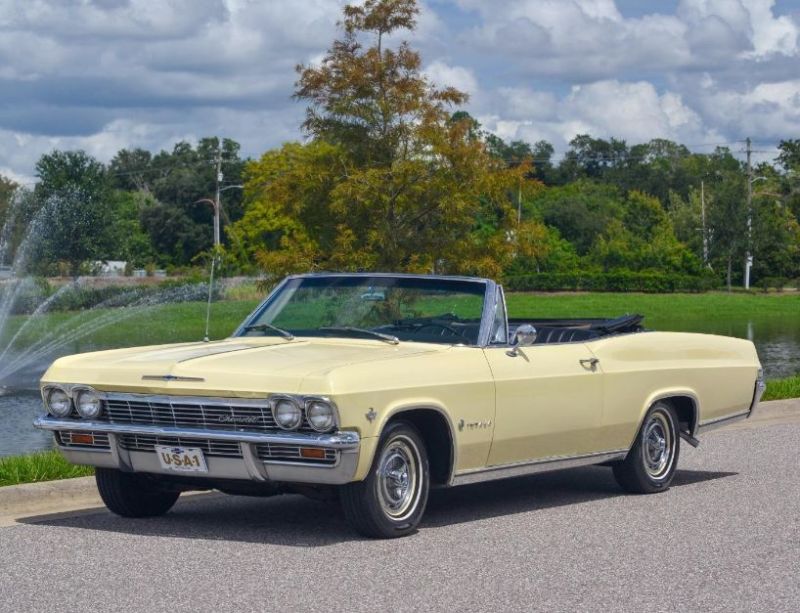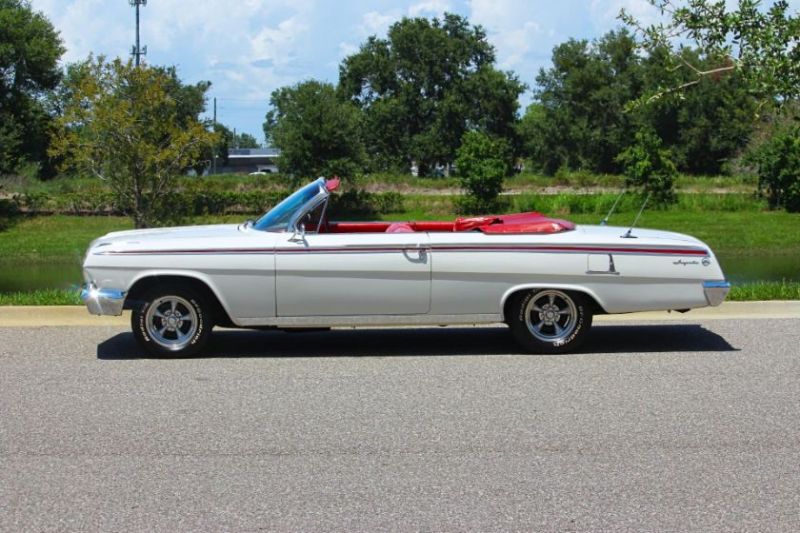
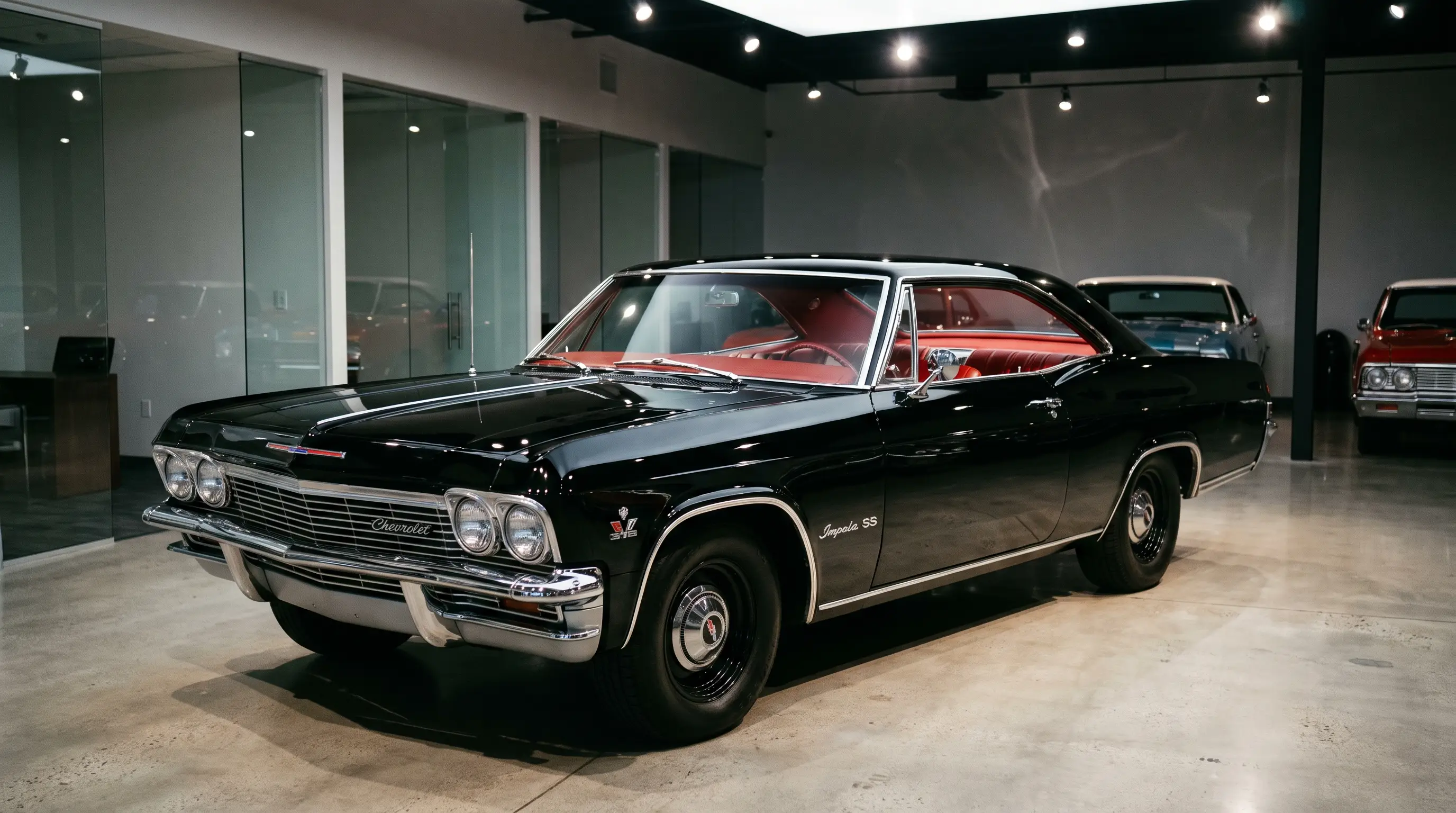
Not every Impala SS is worth the same money, and treating them as one interchangeable category is how buyers overpay. The collectible Impala SS years cluster around a handful of specific model years and engine combinations, and the gap between a desirable year and an ordinary one can run into tens of thousands of dollars at auction.
1961 and the first SS cars
The 1961 model year is where the SS package started, offered mid-year as an option rather than a headline feature. Production numbers were low because most buyers had no idea the package existed until well into the model year, and that scarcity is exactly what collectors chase now. A documented 1961 SS, especially one with the 348 or the early 409 under the hood, sits near the top of any serious Impala collection. Low original production plus historical significance as the first of the breed is a combination that rarely loses value.
The problem for buyers is verification. Because the SS option was a late addition and not always broken out cleanly on build sheets, fakes and "SS clones" built from lesser Impalas are common in this specific year. Anyone chasing a 1961 needs documentation, not just badges and console trim.
1962, the year everyone remembers
1962 is the year most people picture when they hear Impala SS. Production climbed sharply from 1961, with roughly 99,000 SS Impalas built for 1962, and the 409 engine became available across the SS line with real presence in the marketplace and in period advertising, though only a small fraction of that total, around 15,000 cars, actually left the factory with a 409 under the hood. A well documented 1962 SS with the 409 is one of the more liquid collector cars in this whole family, meaning it is easier to sell at a fair price than most of its siblings because so many buyers want exactly that combination.
1963 and 1964, the quieter years
1963 and 1964 SS Impalas sold in bigger numbers than the first two years, which works against them at auction even though the cars themselves are just as capable and often better built. More supply keeps prices more reasonable, which makes these years attractive to buyers who want the SS experience without competing for a scarce, expensive early car. I tell clients looking for a driver rather than a trophy to look hard at these two years, because the value gap between them and the 1961 to 1962 cars is wide relative to the difference in how the cars actually perform.
Body style shifts collectibility within every year
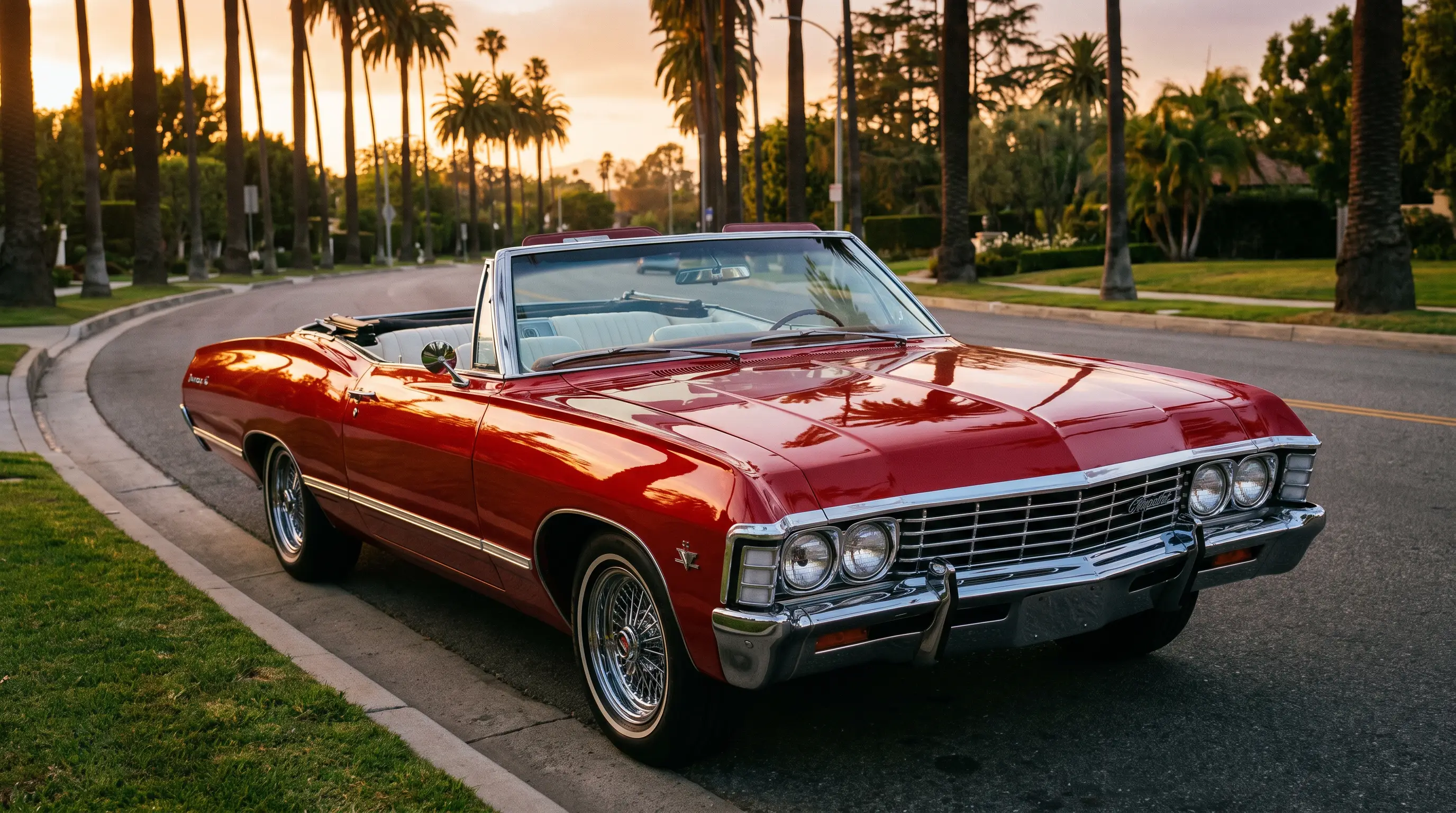
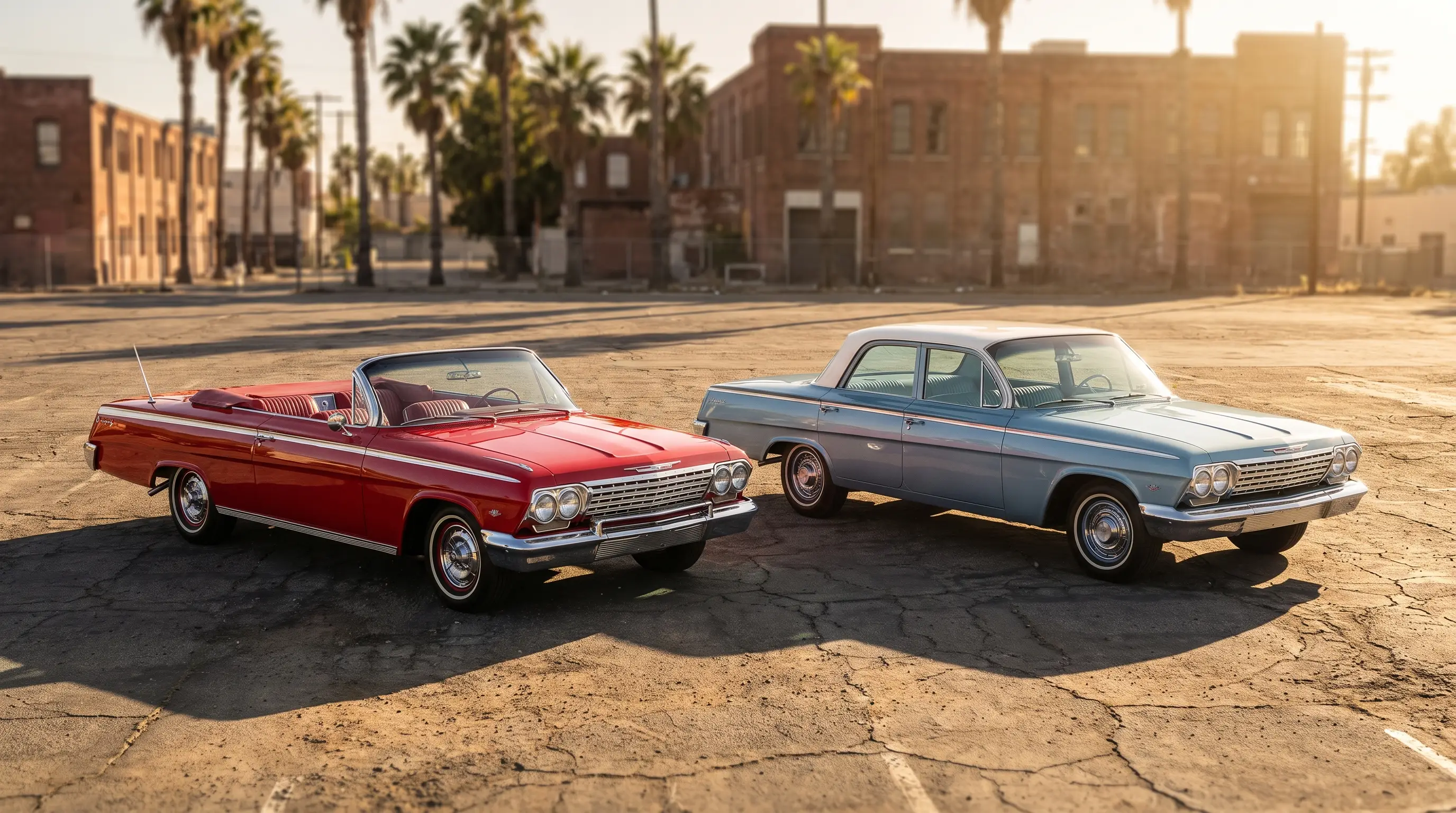
Within any given year, body style adds another layer to the ranking. Convertibles command more than hardtops across every year discussed above, sometimes by a substantial margin, because fewer were built and fewer survived in usable condition. A two door hardtop SS from a common year can still be a strong collectible if the engine and documentation check out, but a convertible from that same year, same engine, same trim level, will typically outsell it at auction. Buyers chasing pure value should weigh body style as heavily as model year when deciding where to put their money.
Four door SS models, where they existed, sit at the opposite end of the collectibility spectrum. They were built for buyers who wanted the sportier trim without giving up practicality, and while they are interesting from a historical standpoint, the collector market has never valued them the way it values the two door hardtops and convertibles. That is worth knowing before a buyer assumes any car wearing SS badges commands the same premium regardless of body configuration.
1965, the redesign year
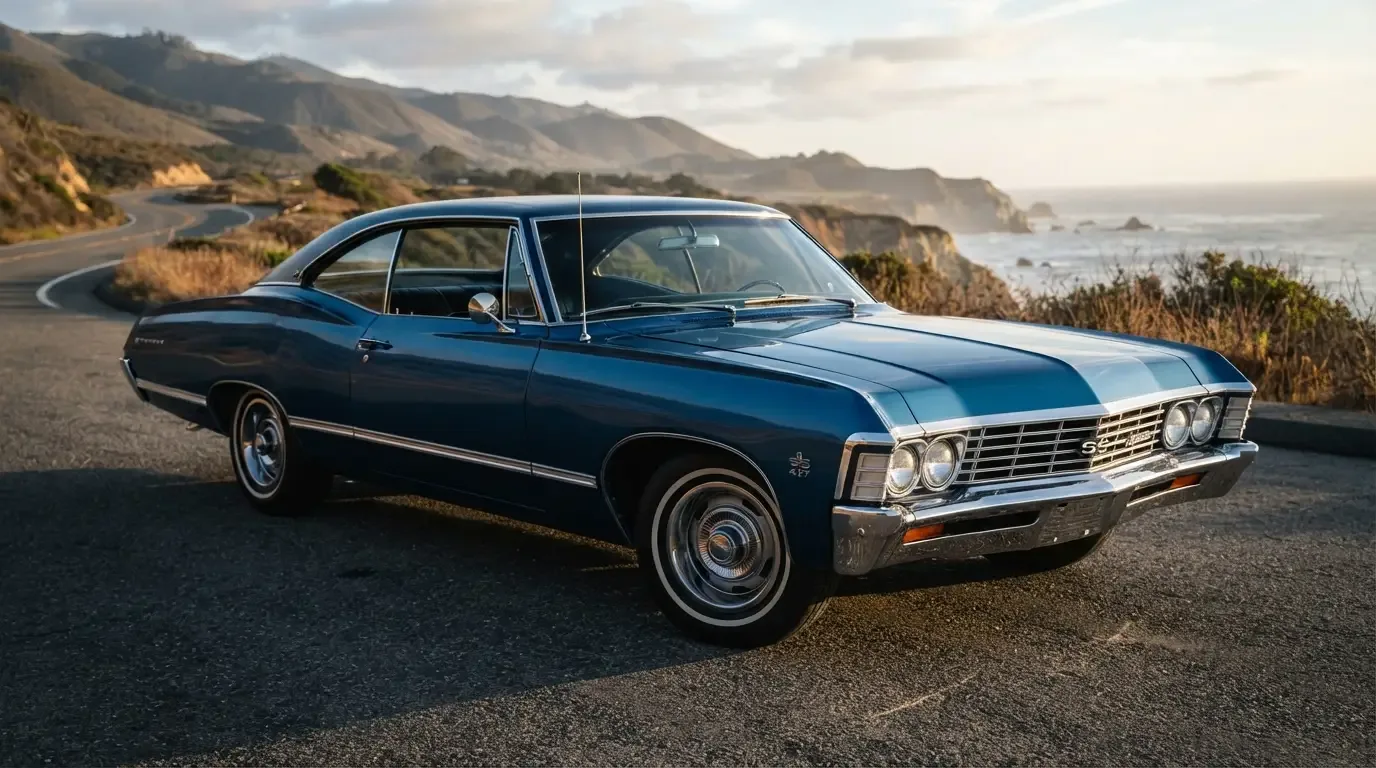
The 1965 full-size Chevrolet got a new body, and the SS package carried over with real sales success, becoming its own distinct model designation by mid-decade. Collectors split on 1965. Some prefer the cleaner, more modern lines and treat the year as underappreciated. Others stay loyal to the earlier cars because of the 409 mystique specifically. Either position is defensible. What matters for a buyer is knowing which camp they are in before they start bidding, because paying early-car money for a 1965 based on confusion about what makes a year desirable is an easy mistake to make.
"Rarity gets the headline, but liquidity pays the bills. A common year with clean paperwork will always sell faster than a rare year with a story you cannot prove."
- Marcus Feld
| Model year | Why collectors chase it |
|---|---|
| 1961 | First SS option, scarce, high documentation risk |
| 1962 | The year most associated with the name, strong 409 presence |
| 1963 to 1964 | Higher production, better value for drivers |
| 1965 | New body, own following, split opinion among collectors |
How condition interacts with year
A common mistake I see from newer collectors is treating year as the only variable that matters, when condition and originality can swing the value of two cars from the same model year by a wide margin. A rough 1961 SS with replaced sheet metal and no supporting paperwork can end up worth less than a clean, documented 1964 example that most people would assume is the less desirable year. The market has gotten more sophisticated about this over time, and appraisers now weight originality and documentation almost as heavily as the year itself when setting a fair price.
This matters practically because it means a buyer with a smaller budget is not necessarily locked out of collectibility just because they cannot afford a scarce early car. A well documented, honest example from a higher production year can be a genuinely smart purchase, one that holds value and draws real interest at shows, without requiring the buyer to compete for the handful of pristine 1961 and 1962 cars that come up for sale each year.
What actually drives collectibility
Across every year, four things separate a genuinely collectible SS from an ordinary one: documented originality, engine and drivetrain matching what the paperwork claims, rust-free structure, and correct color and trim combinations for that specific production run. Miss any one of those and the car drops into a lower tier regardless of what year is stamped on the title. I have seen 1962 cars worth less than 1964 cars simply because the 1962 example had a replacement engine and no supporting documentation, while the 1964 had a full paper trail.
- Confirm engine and transmission codes against the trim tag before assuming matching numbers
- Ask for the Protect-O-Plate or comparable factory documentation
- Weigh production numbers against actual market liquidity, not just headline rarity
- Get a structural inspection regardless of how clean the paint looks
For a full walk through of the SS package from its debut onward, impala ss history covers the mechanical and marketing side in more depth. If comparing the sport package against the standard car is where you are stuck, a related story lays out that distinction clearly. And when you are ready to see what is actually available, you can look at Impalas for sale now to compare asking prices against what a given year and condition should really cost.
The collectible Impala SS years are not a mystery once you separate nostalgia from documented scarcity. Buy the paperwork as much as you buy the car, and the year on the title will matter a lot less than what can actually be proven about it.