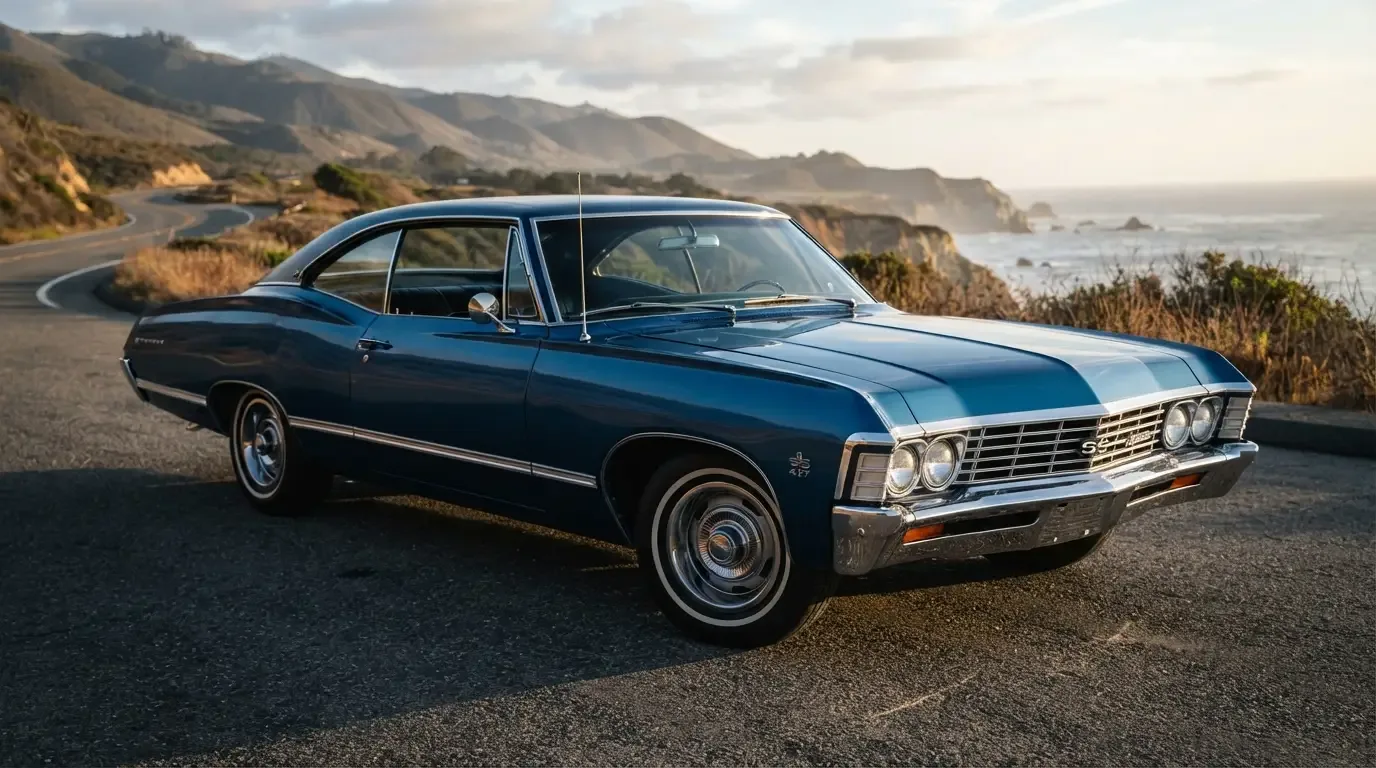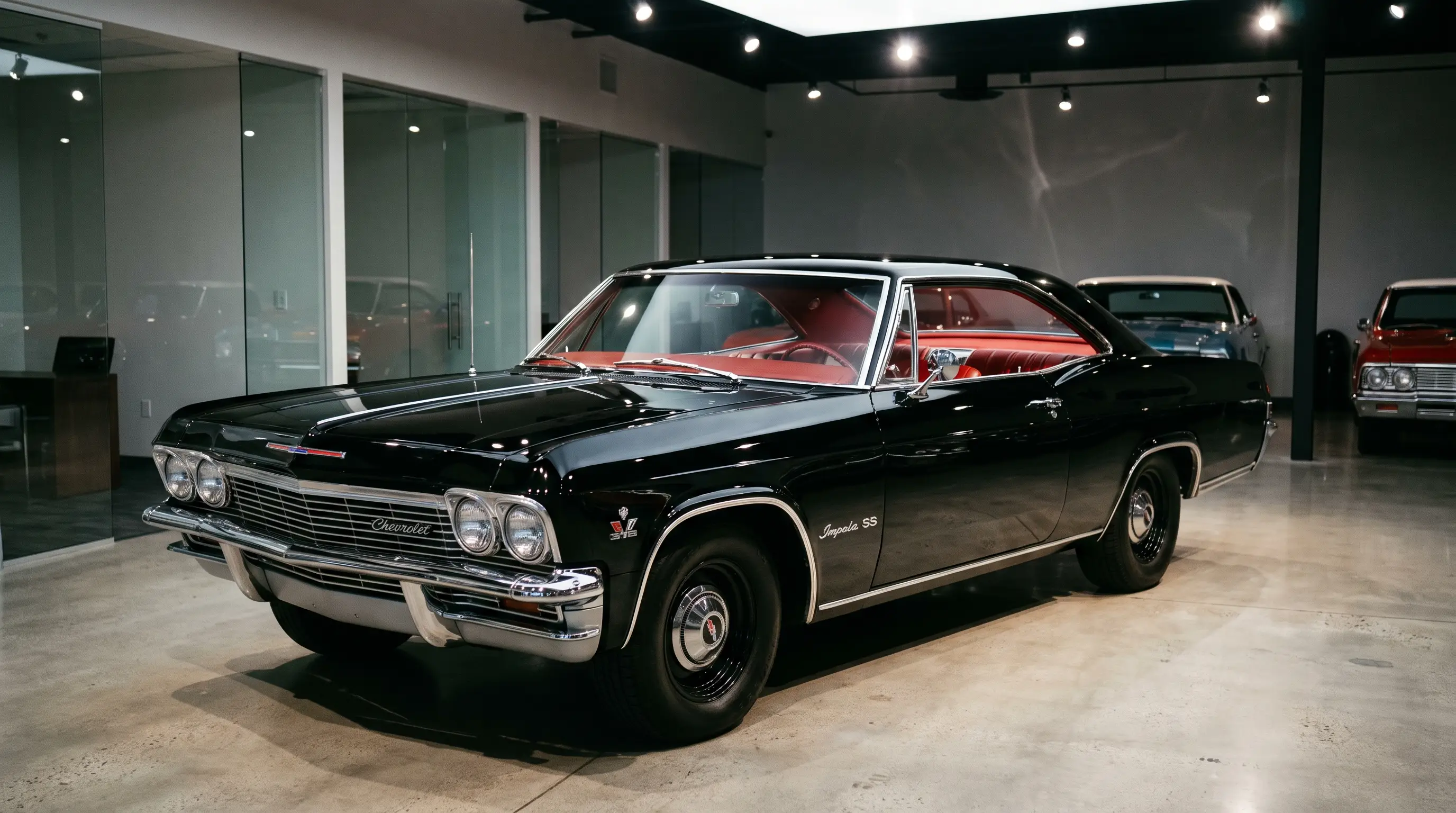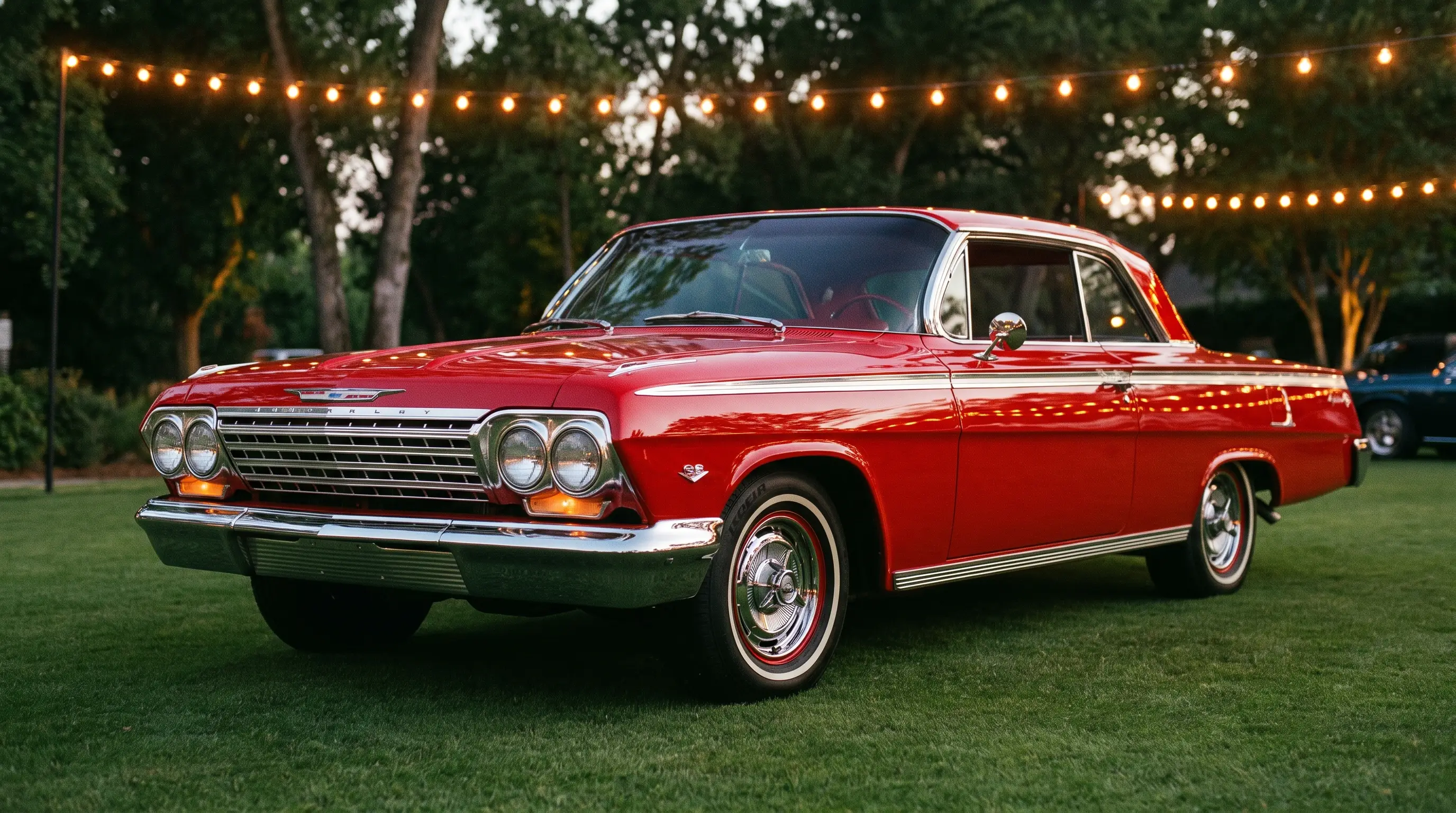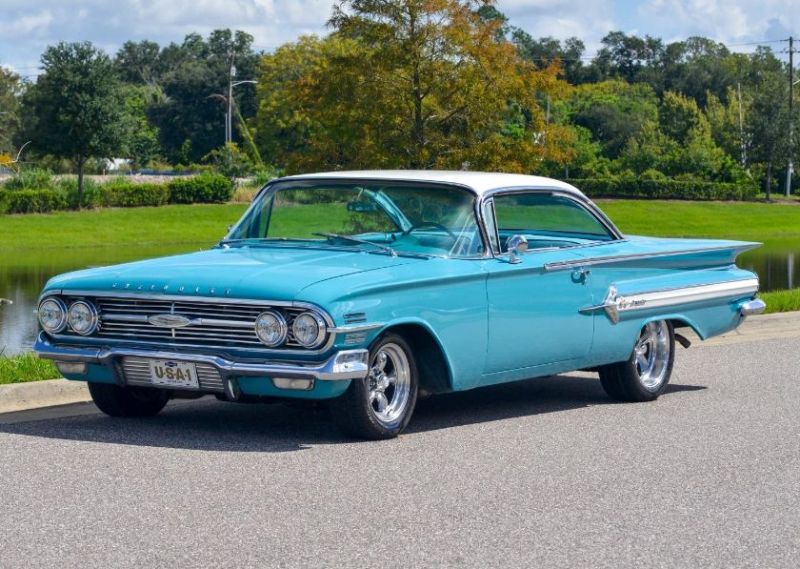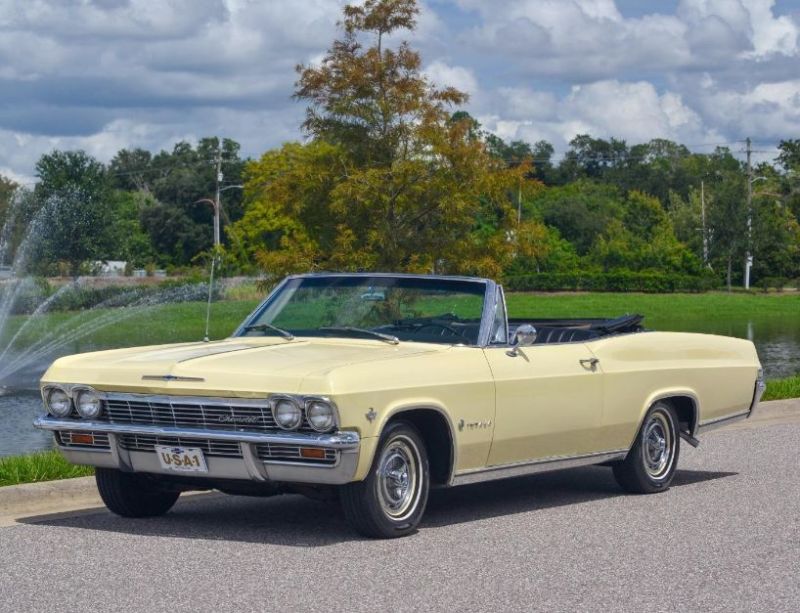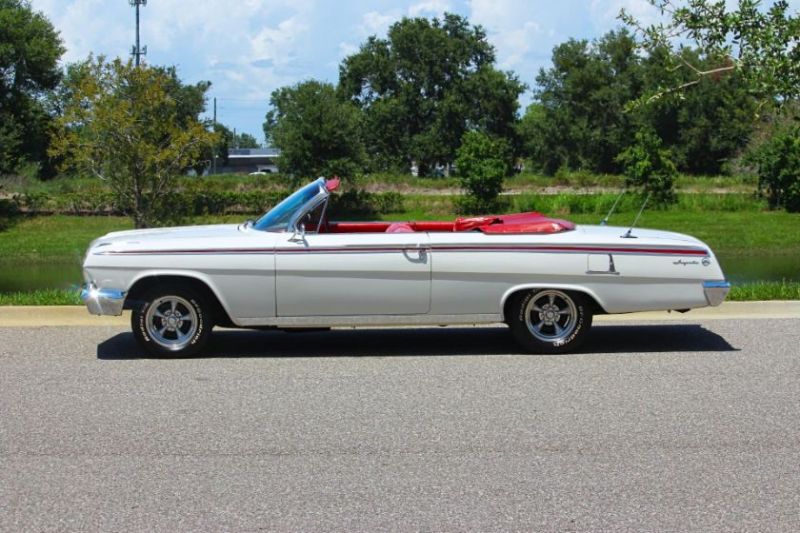
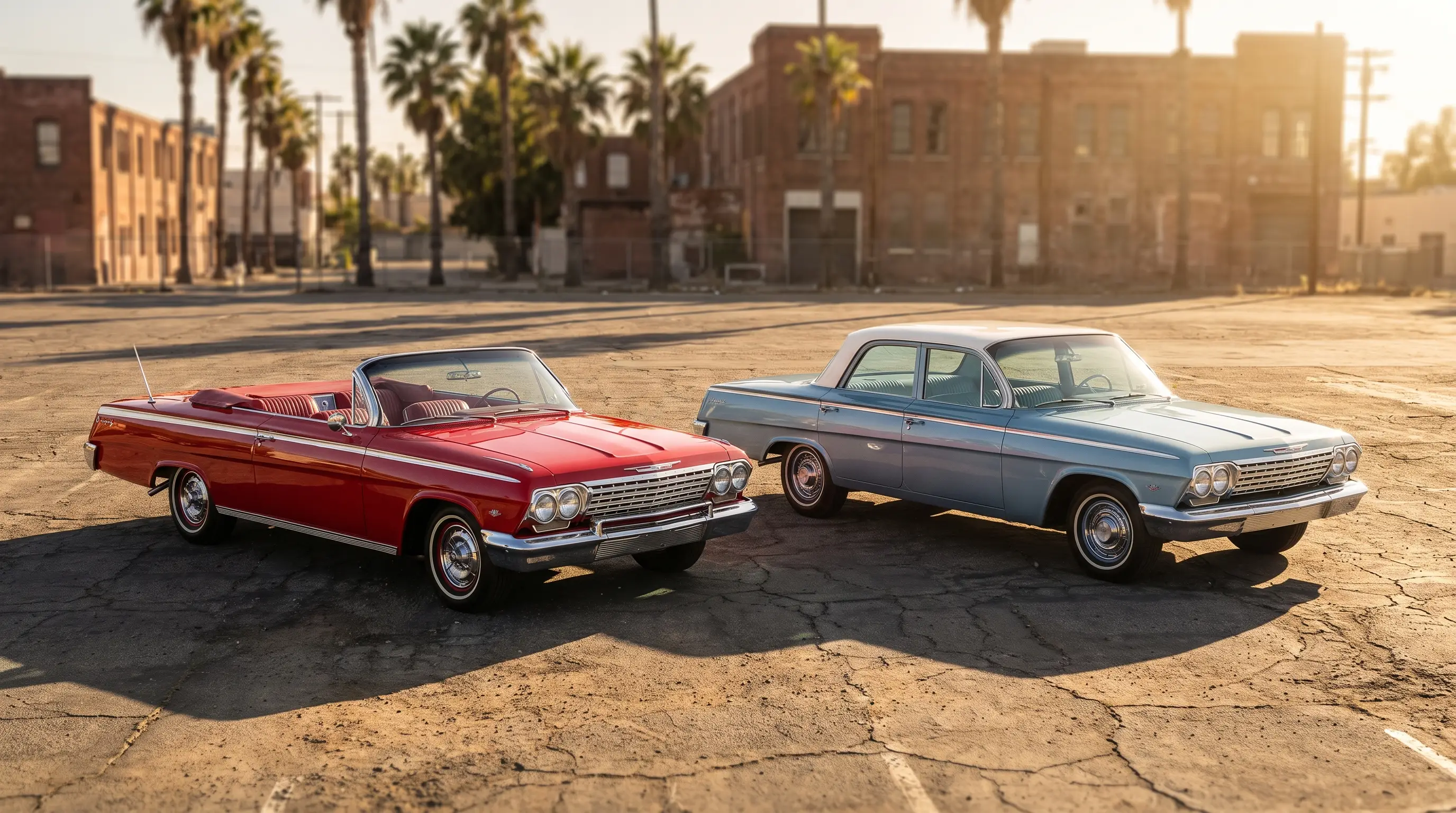
Every car club has one guy who insists his standard Impala rides better than any SS ever built, and he is not entirely wrong. I have heard the argument made across a folding table at a dozen shows now, usually with a cup of bad coffee in one hand and a photo album in the other, and the honest answer is that the Impala SS and the standard Impala were never trying to be the same car even though they shared a body.
The base Impala was Chevrolet's volume seller, built for families who wanted style without fuss. Bench seats, a column shifter, a soft ride tuned for comfort over corners. It sold in huge numbers because it did exactly what most buyers wanted from a full-size car in that era, which was to be quiet, comfortable, and reliable.
What the SS package actually added
The Super Sport option dressed the same body in bucket seats, a floor mounted shifter, a full gauge package instead of idiot lights, and SS badging that told the world the buyer paid extra to say so. Underneath, the SS itself was mostly a trim and comfort package rather than a mechanical one, though buyers who wanted a firmer ride could add the heavy duty suspension option, which brought stiffer springs and beefier shocks and was available on SS and standard Impalas alike. Engine options for the SS leaned toward performance rather than economy. A base Impala could be ordered with a mild six cylinder. An SS leaned toward V8 power almost by default, with the big engines becoming a defining part of the package as the decade rolled on.
None of that made the SS a different car in the way a Corvette was a different car from a sedan. It was the same platform, dressed differently and tuned differently, aimed at a buyer who wanted to feel something behind the wheel instead of just getting somewhere in comfort.
The ride difference nobody expects
Here is the part that surprises people who have only read about these cars and never driven both back to back. The standard Impala often rides more comfortably than the SS. That firmer suspension tune that makes the SS feel planted in a corner also transmits more of the road into the cabin over a long highway stretch. My uncle ran a standard Impala for fifteen years specifically because he hated how the SS he test drove beat him up on washboard roads. He was not wrong about what he felt, he just wanted a different car than the one his neighbor bought.
What the interior actually tells you
Sit in a standard Impala and then sit in an SS from the same year and the difference registers before the engine even turns over. The bench seat in a standard car puts three people across the front in a pinch, which mattered to a lot of families in an era when one car often had to do everything. The SS bucket seats and console mean two people up front and cargo or a small child in the middle if you are stretching the definition, but they hold a driver in place through a corner in a way a bench seat never will. That single difference in seating tells you almost everything about which buyer each car was built for.
The gauge package matters more than people give it credit for too. A standard Impala driver watched a few warning lights and trusted the car to tell them when something serious happened. An SS driver had a speedometer, a tachometer in many configurations, and enough instrumentation to actually monitor the car's behavior rather than just react to a warning light after the fact. That is a small detail that says a lot about who Chevrolet expected to buy each version.
Trim, badges, and how to tell them apart today
Decades later, plenty of standard Impalas have been dressed up with SS trim, badges, and bucket seats pulled from parts cars or reproduction catalogs. None of that is illegal or even dishonest if the seller is upfront about it, but it does mean a buyer cannot trust badges alone. The fender tag and cowl data plate carry the actual build codes, and those codes will show whether a car left the factory with the SS option or picked it up later from a swap meet.
"I have watched a man argue for twenty minutes that his plain Impala rides better than my SS, and the thing is, he is right, and I still would not trade."
- Wayne Coburn
Engine choices tell the same story
Look at the engine order sheets from either car and the difference in intent becomes obvious fast. The standard Impala buyer typically checked the box for whatever six cylinder or small V8 kept the monthly payment reasonable, because the car was transportation first and image a distant second. The SS buyer skewed toward the biggest engine on the sheet, because the whole point of paying extra for the package was to have something worth bragging about at the drive-in. That is not a judgment on either buyer. It is just two different reasons to walk into the same showroom.
Resale value has followed that same split for decades now. A standard Impala with a small engine holds value as a solid, honest driver, but it rarely commands headline prices at auction. An SS with a documented big block engine and clean history is a different animal entirely in the marketplace, and the price gap between the two has only widened as the collector world has put more weight on performance history.
Which one is actually right for a buyer
The choice between a standard Impala and an SS comes down to what an owner actually wants to do with the car. Long comfortable cruises with a family in the back seat favor the standard car every time. A car meant to be driven with some enthusiasm, shown at events, or simply enjoyed for its image favors the SS. Neither is a wrong answer, and neither is objectively the better car. They were built for different Saturdays.
- Standard Impalas are more common and generally cheaper to buy and maintain
- SS models command a real premium, especially with documented big block engines
- Ride comfort favors the standard car more often than people expect
- Always verify SS badging against the cowl tag rather than trusting trim alone
For readers who want the full arc of how the Super Sport package came together and where it went from there, the whole picture lays out that history in detail. And if you are shopping either version right now, you can find a classic Impala and compare what standard and SS cars are actually asking in today's market.
| Feature | Standard Impala | Impala SS |
|---|---|---|
| Seating | Bench seat, column shift | Bucket seats, floor shift, console |
| Suspension tune | Softer, comfort focused | Firmer, performance leaning |
| Typical engine order | Six cylinder or small V8 | V8, often a larger performance option |
| Gauges | Warning lights | Full instrumentation |
My advice after years of listening to both sides argue at car shows: buy the one that matches how you actually want to drive, not the one with the badge everyone recognizes. The standard Impala and the Impala SS were never in competition with each other. They were built for two different owners who happened to shop the same showroom, and both of them made a perfectly reasonable choice for what they actually wanted out of a Saturday afternoon behind the wheel.