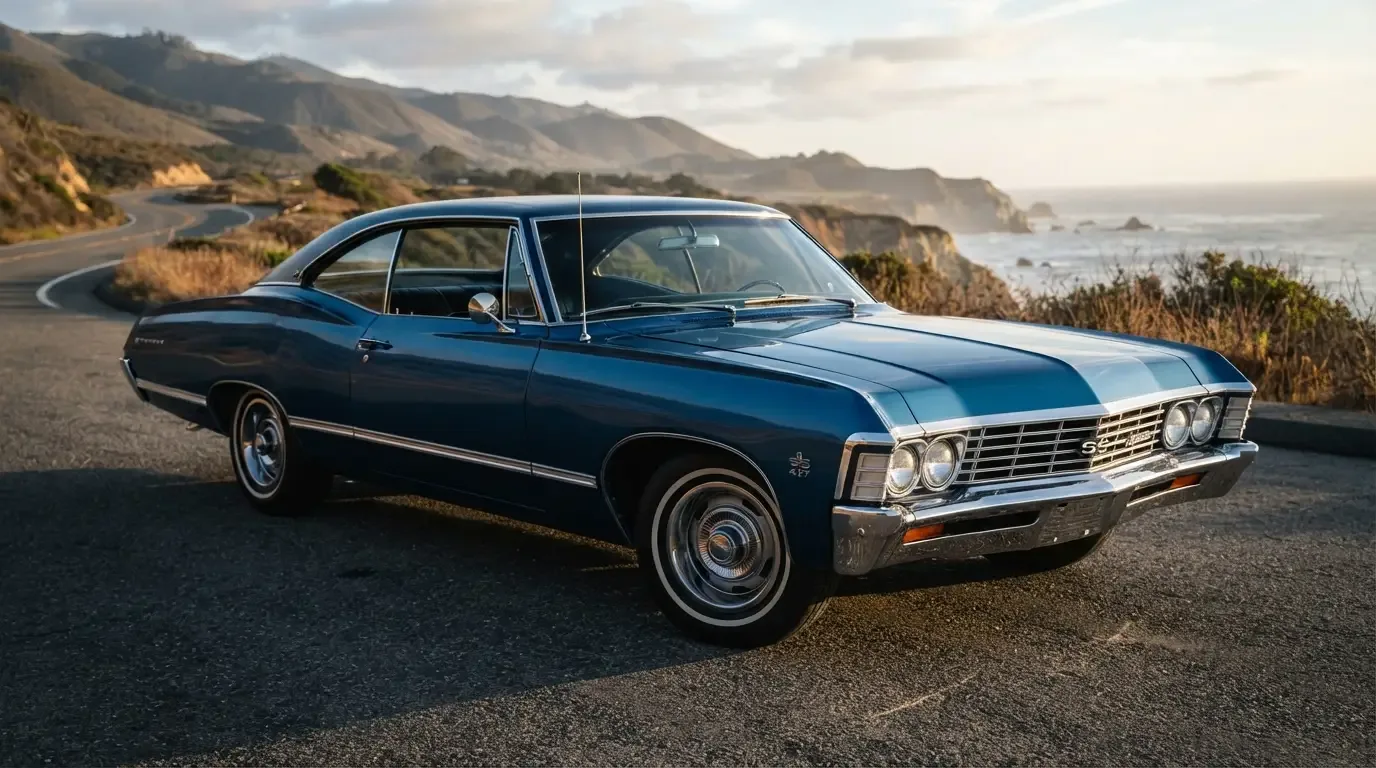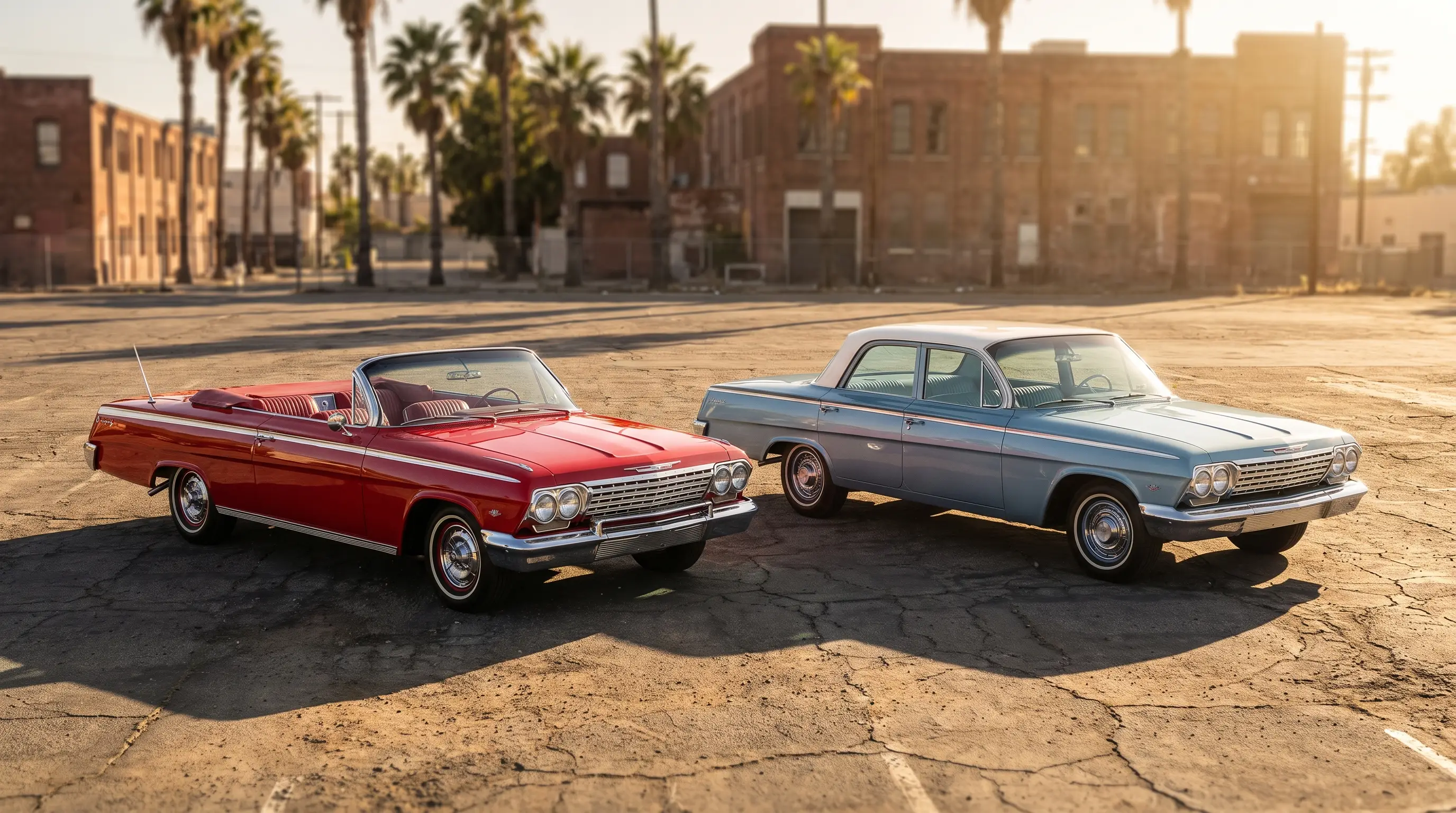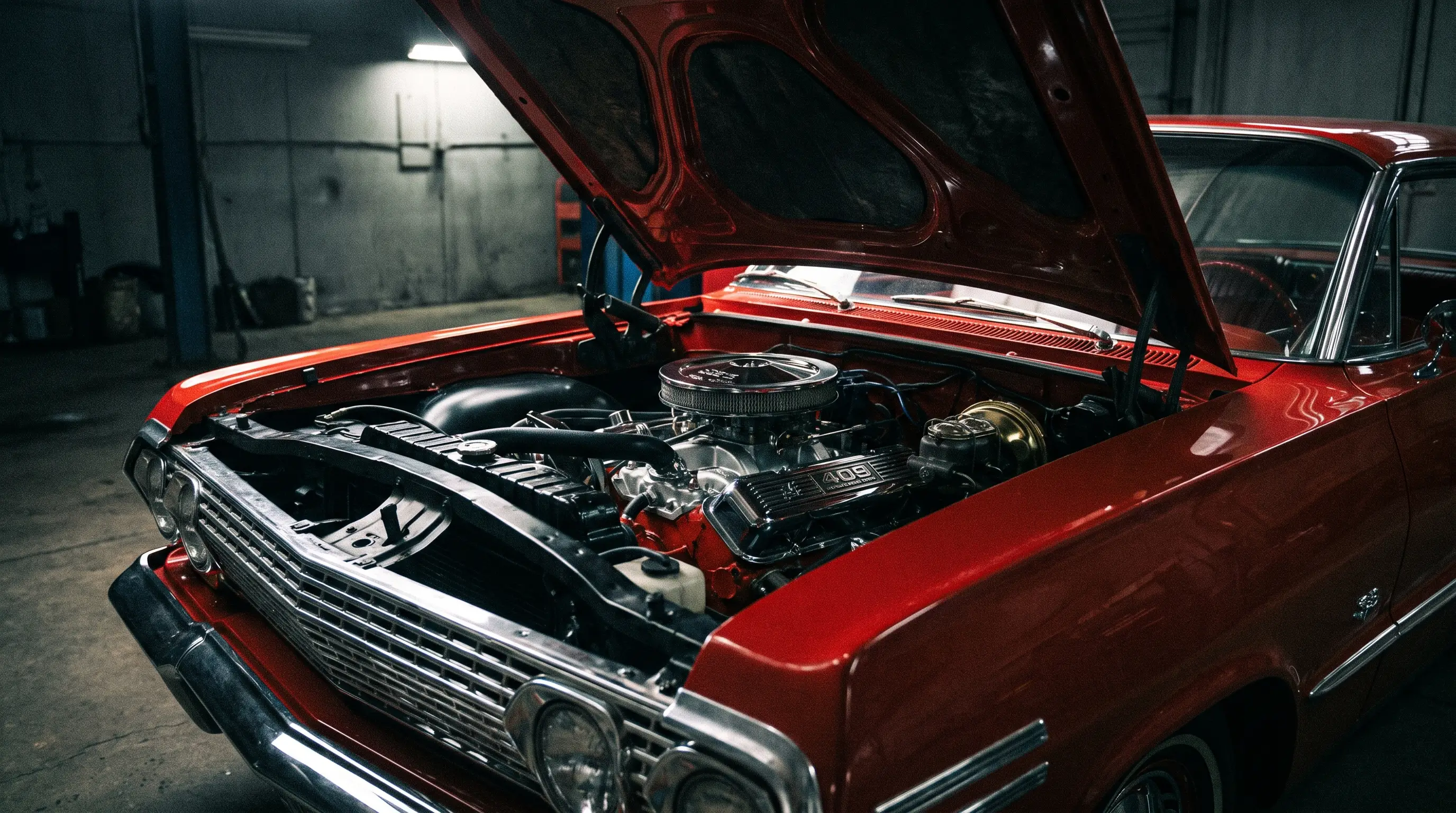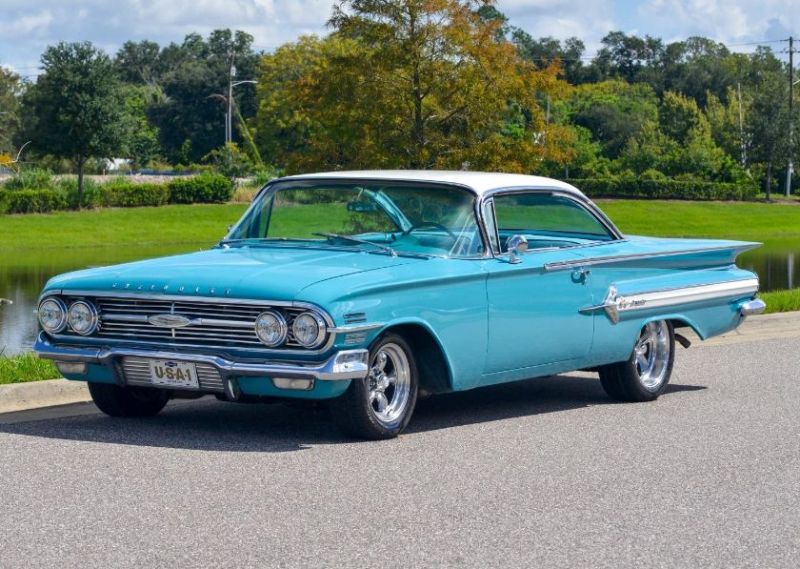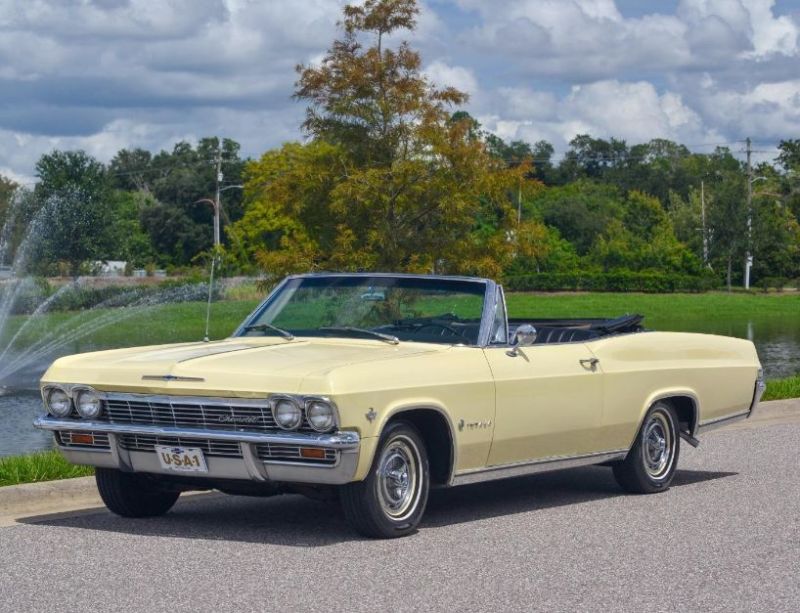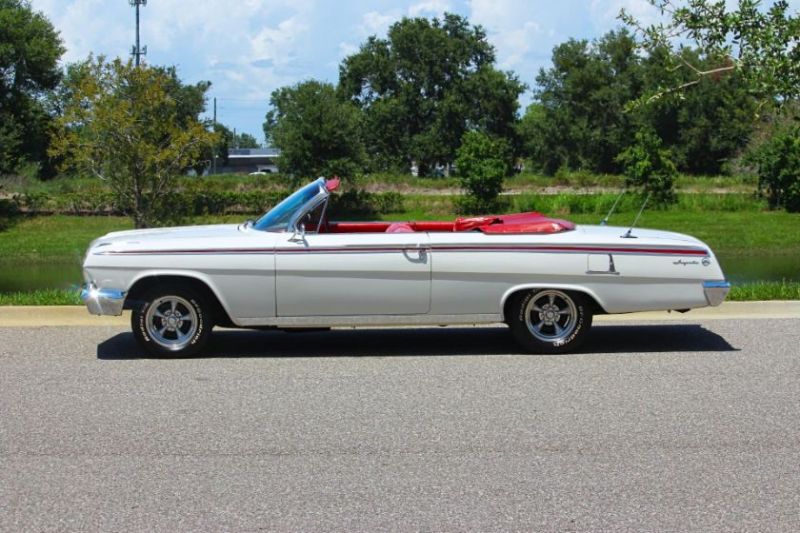
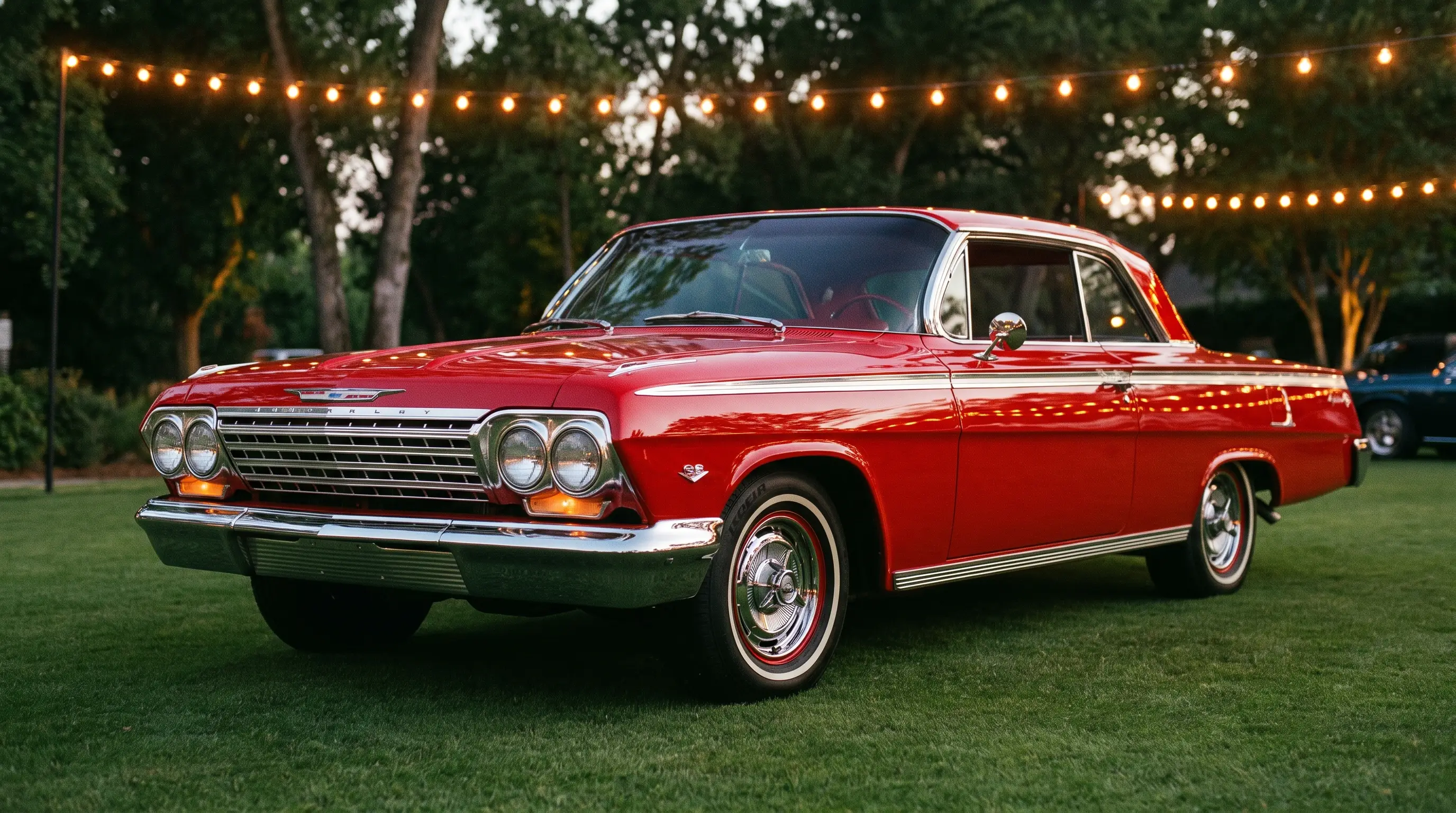
Impala SS values today follow a pattern I see across most sixties muscle cars, but with a twist particular to this model. The gap between a rough driver and a documented, matching numbers example is wider than most first time buyers expect, and the gap has grown faster in the last several years than the general classic car market has.
Where prices actually sit
A tired six cylinder Impala SS with mismatched trim and no documentation can still change hands for what most people would consider real money, simply because the SS name carries weight regardless of what is actually under the hood, with plain sedans from the early 1960s commonly bringing somewhere in the high teens to low twenties in good condition. Step up to a documented big block car, particularly one with the 409 or a factory 396, and the number moves into a different bracket entirely, with excellent condition 409 convertibles from 1962 through 1964 routinely valued well into six figures. Convertibles add another premium on top of that, sometimes doubling the value of an equivalent hardtop depending on year and condition.
The honest picture is that "Impala SS value" is not one number. It is a range that spans from affordable driver quality cars up through six figure auction results for the rarest documented examples. Anyone quoting a single price without asking about year, engine, body style, and paperwork is giving an answer that means very little.
What moves the needle most
Documentation is the single biggest factor in what I see cross the auction block. A car with a build sheet, a Protect-O-Plate, or period photographs showing the original engine in place will outsell an undocumented twin by a wide margin, sometimes by more than the cost of the paperwork search itself would suggest is reasonable. Buyers are not just paying for the car. They are paying for certainty.
Condition matters, obviously, but not in the way most new buyers assume. A driver quality car with honest, consistent wear across the whole vehicle often sells for close to what a partially restored car brings, because buyers trust an honest survivor more than a car with visible fresh paint over unknown bodywork. The market has gotten smarter about this over the last decade. Flip jobs get punished at auction now in a way they were not a generation ago.
"Value is not what a car looks like sitting still. It is documentation plus condition plus how fast you could actually sell it if you had to."
- Marcus Feld
| Category | General value position |
|---|---|
| Six cylinder, undocumented | Lower end of the range, still carries the SS name premium |
| Small block V8, partial documentation | Mid range, dependent on condition |
| Big block, documented (409 or 396) | Upper range, strongest and most consistent demand |
| Documented big block convertible | Top of the market for this generation |
How regional markets shift the number
Geography plays a bigger role in Impala SS pricing than most first time sellers expect. Cars that spent their life in dry climates command a premium over otherwise identical cars from rust belt states, simply because the inspection risk is lower and buyers know it. I have seen two nearly identical SS models, same year, same engine option, sell for meaningfully different prices at the same auction weekend purely because one had spent four decades in the Southwest and the other had spent four decades near the Great Lakes.
Shipping and logistics add a smaller but real factor too. A buyer on one coast bidding on a car located across the country has to price in transport cost and the risk of unseen condition issues that photographs cannot fully reveal. None of this shows up on a simple year and engine chart, but it shows up in the final hammer price every time, and sellers who ignore it tend to be surprised when their asking price does not match what similar cars actually brought at auction.
Where the risk hides
The riskiest purchases in this segment are clone cars, meaning standard Impalas dressed up with SS trim and sold as though they were factory built that way. These cars are not worthless and not dishonest by default if disclosed properly, but they are worth substantially less than a genuine factory SS, and the price gap only widens as documentation standards in the hobby keep improving. A buyer who cannot tell the difference between a real SS and a well done clone is exactly the buyer who overpays.
Rust repair is the other silent value killer. A car that looks perfect in photographs but has patched floor pans or a replaced trunk floor loses real value once an inspector finds the work, and prices should reflect that even if the seller is asking top dollar based on cosmetics alone.
How values have moved over time
Impala SS values have not moved in a straight line over the decades. There were long stretches where these cars were treated as ordinary used Chevrolets rather than collectibles, and plenty of good examples were modified, neglected, or scrapped outright during those years because nobody thought to preserve them. That history is exactly why documented, unmolested survivors are worth so much more today than a simple inflation adjustment would predict. The cars that made it through those lean decades in original condition are genuinely scarce, and scarcity compounded by decades of neglect toward the model as a whole is a big part of what drives current pricing.
More recently, broader collector car market trends have lifted the entire Impala SS category, with younger buyers who grew up around these cars in family photos and old magazines now entering the market with real purchasing power. That demographic shift has added steady demand underneath the more dramatic swings that headline auction results tend to attract attention for. A buyer today is competing against both longtime collectors chasing specific rare combinations and newer buyers simply looking for an honest, driveable piece of the era.
Practical advice for buyers
- Get an independent inspection before paying a premium for claimed originality
- Ask directly whether the engine and trim match factory records, not just each other
- Compare recent actual sale prices, not asking prices, for the specific year and engine combination
- Budget a real contingency for rust repair even on cars that look clean in listing photos
For readers building context on how the SS package developed and why certain years carry a premium, where this started covers the full history in more depth than a value discussion alone can. And once you have a sense of what fair pricing looks like, you can shop classic Impala listings and compare current asking prices against the documented sales that actually set the market.
The bottom line on Impala SS values today is that the badge alone buys you very little certainty. The paperwork, the honest condition report, and the specific year and engine combination are what actually set the price, and buyers who skip that homework tend to be the ones who overpay and then struggle to resell at what they paid.