
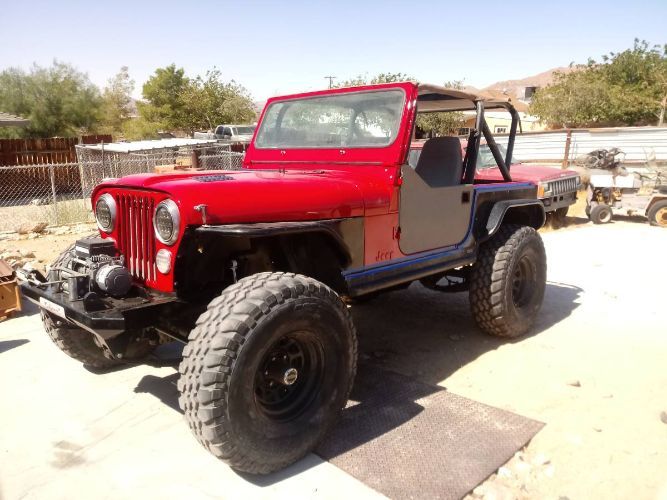
There is a fellow at our club's spring meet who shows up every year with a CJ-5 that has a fuel-injected V8 under the hood, disc brakes at all four corners, and a stereo that would embarrass a new SUV, and every year somebody new to the group walks up, admires it for a minute, then asks him with a straight face what year it is. He always answers the same way: "1969, mostly." That "mostly" is the whole jeep cj cj5 restomod scene in three words, a movement built on keeping just enough of the original vehicle that the answer to "what year" still means something, while quietly replacing everything that made the original vehicle miserable to actually drive.
Car Features
7 min read
The CJ-5 Reborn: Inside the Restomod Movement
A club-eye view of how the CJ-5 restomod community formed, what a proper build actually looks like, and the paperwork problem nobody warns new builders about.
How the scene got started
Restomodding a CJ-5 was not always respectable in club circles. For a long stretch, purists dominated the conversation, and a modified jeep was treated as a lesser thing, a project that had given up on authenticity. That attitude softened as more owners discovered just how compromised the original engineering could be for regular use, weak brakes by modern standards, a ride quality that punished a driver on anything but a dirt trail, an electrical system that tested patience more than it tested talent. Once a critical mass of owners started quietly swapping in better brakes and more reliable ignition systems just to make weekend driving tolerable, the restomod approach stopped being a fringe choice and became a mainstream one within the community.
What tipped it fully into its own scene, rather than just individual owners making individual fixes, was the arrival of dedicated aftermarket support built specifically around the CJ-5's chassis. Once a builder could order a bolt-in disc brake kit or a modern fuel-injected crate engine designed to drop into the stock frame with minimal fabrication, the barrier to a tasteful, driveable build dropped enormously, and shops that specialized in exactly this kind of work started appearing around the country.
What "period-correct restomod" actually means to this crowd
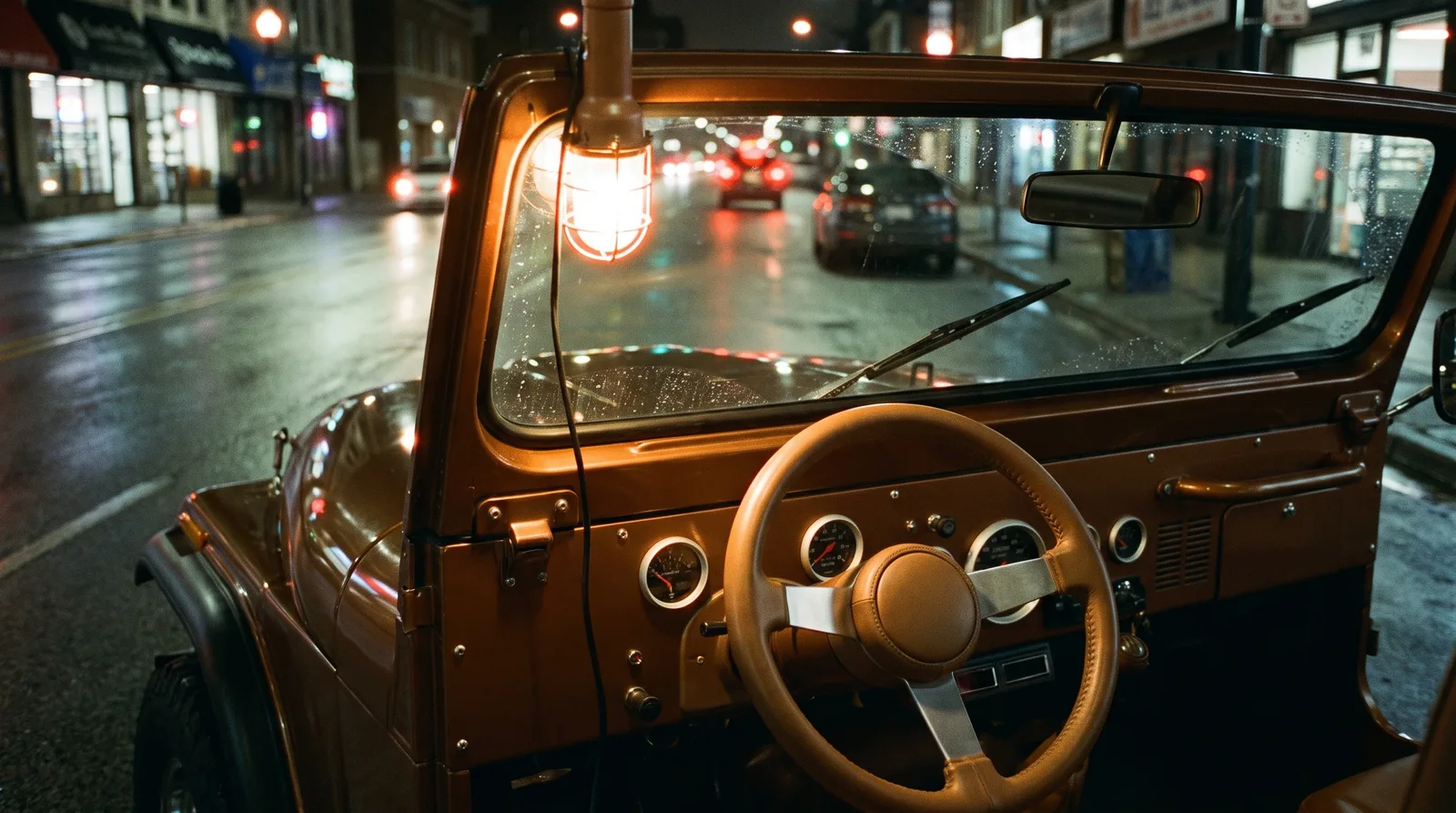
Ask ten CJ-5 owners what belongs on a proper restomod and you will get ten opinions, but there is a rough consensus among the serious builders. The exterior stays honest to the original lines, no flared fenders or oversized tires that turn the jeep into something it never was. The interior gets modern comfort where it is invisible, better seats, sound deadening, maybe a discreet gauge cluster upgrade, without covering the dash in switches that scream aftermarket. The mechanical work is where the real money and real philosophy go: a fuel-injected engine for reliability, a better cooling system, power steering if the owner is honest about wanting to actually enjoy driving the thing rather than wrestling it.
The documentation problem, and the punchline
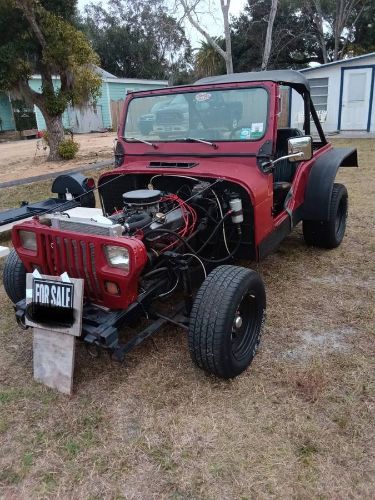
Here is where the community's sense of humor kicks in, because a properly built restomod creates a paperwork headache nobody warns you about going in. Insurance companies want to know what engine is actually in the car. State registration forms were not written with a small-block conversion in mind. And resale down the road means explaining to a buyer, in detail, exactly what was changed, when, by whom, and with what parts, because a restomod without a build sheet is just an unverified used vehicle with an interesting story attached. The old joke in the club is that half the work of a good restomod happens with a torque wrench and the other half happens with a filing folder, and the folder matters more than people expect the first time they try to sell.
"Everybody wants to talk about the engine swap. Nobody wants to talk about keeping receipts. But I've watched more than one beautiful build lose money at resale because the owner couldn't prove what was actually done to it."
- Wayne Coburn
The shops that built a reputation on this work
A small circle of specialty shops around the country earned their reputations specifically on CJ-5 restomod work, and club members trade their names the way people used to trade mechanics' phone numbers before the internet made everything searchable. What separates the respected shops from the ones our members steer newcomers away from usually comes down to fabrication quality in places nobody photographs for social media, the wiring behind the dash, the mounting brackets under the hood, the welds you only see if you actually crawl underneath the finished jeep. A build can look flawless in a magazine spread and still hide corners cut where it counts. Members who have been burned by a rushed build are usually the loudest advocates in the club for doing the research before signing a contract, and that advocacy has genuinely raised the bar across the scene over the past decade or so.
Where the scene stands now
The restomod approach has become genuinely mainstream within CJ-5 ownership, to the point where a completely stock, unmodified survivor now stands out at a show in its own way, almost as a novelty against a field of tastefully upgraded examples. That shift has been good for the model's overall visibility. Owners who might never have taken on a full frame-off restoration of a stock CJ-5 are perfectly willing to invest in a build that gives them a jeep they can drive comfortably every weekend, and that willingness has kept the CJ-5 relevant to a newer, younger group of owners who came to it through the restomod door rather than through nostalgia for the original.
If you want the fuller picture of how the CJ-5 got to this point, the design and history that every one of these builds is quietly reacting against or honoring, where this started is worth reading before you get too deep into planning your own project. It explains exactly what the original engineering compromises were and why the restomod community formed around fixing them.
Getting into the scene yourself
If a build like the one my club friend rolls in every spring appeals to you, the first step is not the engine catalog, it is finding a starting jeep with a sound frame and tub, because no amount of drivetrain money fixes rust in the structure underneath it. That is the one piece of advice every experienced builder in our club gives newcomers, whether they are planning a mild upgrade or a full restomod. Once you have that solid foundation, you can find a classic CJ to build around and start deciding, piece by piece, how much of the original 1969, or whichever year you land on, you want to keep, and how much you are ready to quietly leave behind.
Whatever you decide, the jeep cj cj5 restomod scene will welcome you either way, purists included, because most clubs long ago made peace with the fact that a tastefully modified CJ-5 out on the trail every weekend does more for the model's future than a numbers-matching original that never leaves the garage. My friend with the "1969, mostly" jeep still gets waved over by the strictest purist in our group every single meet, because in the end everybody just wants to see the thing driven and enjoyed, whichever decade's parts happen to be underneath the hood.
Sources and notes
Related Reading

About the author
Wayne Coburn
Longtime Corvette owner, judge and club figure who knows the cars, the records and the people behind them.
Related Listings - Jeep CJ





Comments
Be the first to comment on this article.