
Somebody at American Motors had to make a call in the late 1970s that most people never think about when they look at a CJ-8 Scrambler today: stretch the wheelbase or leave it alone. The jeep cj cj8 longbed concept sounds like a footnote in the vehicle's development, but it was actually the whole gamble, the decision that separated a modest trim update from an entirely new configuration that competed in a segment the CJ line had never touched before. Get that stretch wrong and you either build a truck that cannot behave like a Jeep off road, or a Jeep that cannot carry anything worth hauling. AMC had to split that difference and hope buyers agreed with where they landed.
Car Features
7 min read
The Long-Wheelbase Gamble Behind the Scrambler
AMC engineers had to decide how far to stretch the CJ-7 chassis without losing the trail manners that made a Jeep a Jeep.
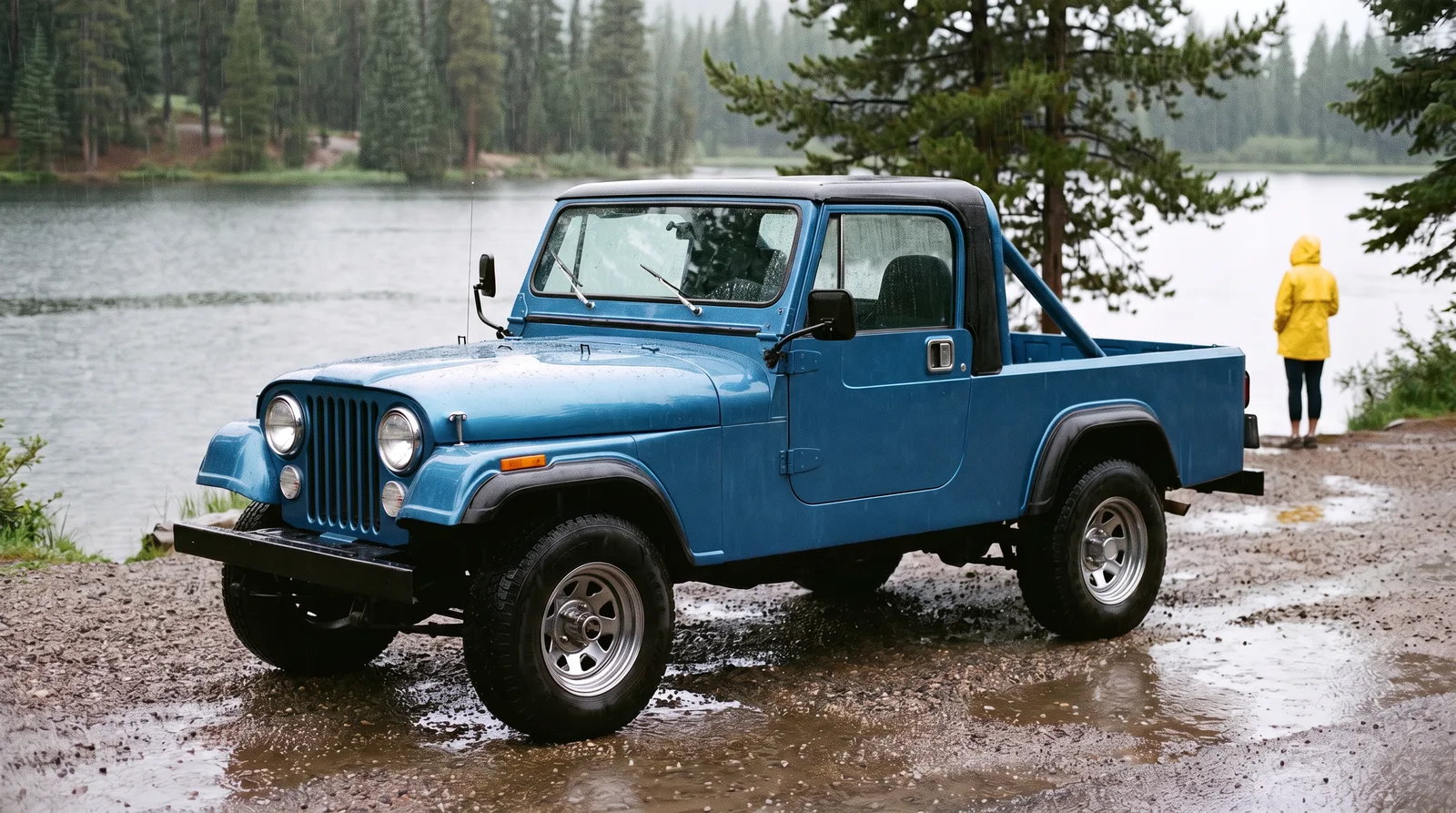
By the time engineers started sketching what would become the CJ-8, the CJ-7 had already proven itself as a capable, if compact, sport utility with a 93.5 inch wheelbase that suited trail work but left almost nothing for cargo beyond a small rear area. Compact pickup trucks from Ford, Chevrolet, and a growing wave of Japanese imports were selling well, and AMC leadership wanted a piece of that market without financing an entirely new vehicle platform from scratch. Stretching the existing CJ chassis looked like the fastest, cheapest path to a genuine answer, and that is exactly the gamble this story is about.
How much stretch is too much stretch
Every extra inch of wheelbase AMC engineers added improved cargo capacity and highway stability, and every extra inch also threatened the breakover angle and articulation that defined a real Jeep's off-road manners. This was not a decision made lightly or quickly. The tradeoff likely weighed shorter stretches that would have preserved more of the CJ-7's trail agility against longer configurations that would have made the bed genuinely useful for hauling building materials or farm supplies rather than just camping gear. The final figure landed at 103.5 inches, a full ten-inch stretch over the CJ-7, which struck a sweet spot between a usable bed and a Jeep that still climbed like one.
That ten-inch decision mattered more than it sounds. Go shorter and the bed becomes a marketing gesture rather than genuine utility, too small for a decent load of firewood. Even at the final length, a standard four-by-eight sheet of plywood still would not lie flat inside it. Go longer and you start compromising the breakover angle that lets a short-wheelbase Jeep crest a steep obstacle without dragging its belly. AMC's engineers threaded that needle by keeping the front and rear overhangs tight and putting nearly all the added length into usable bed space rather than passenger compartment or unnecessary overhang.
What the frame and suspension had to absorb
Stretching a chassis is not as simple as adding steel between two existing mounting points. The frame rails needed reinforcement to handle the added leverage of a longer wheelbase under load, particularly with the 258 inline-six that buyers who wanted real towing capability chose. Suspension tuning also shifted to accommodate the change in weight distribution that came with a longer bed and a heavier available drivetrain, work that fell to the same engineering group responsible for keeping the shorter CJ-7 competitive in its own segment at the same time.
| Design tradeoff | Shorter wheelbase option | Longer wheelbase chosen |
|---|---|---|
| Bed usability | Marketing gesture, limited cargo | Genuine hauling capacity |
| Off-road angles | Preserved closer to CJ-7 | Modestly compromised, still capable |
| Highway stability | Retains CJ-7's twitchy feel | Noticeably settled at speed |
| Frame engineering demand | Minimal change | Reinforcement required for load |
Did the gamble pay off
The honest answer is that it paid off in engineering terms and only partly in commercial ones. Reviewers at the time and off-road enthusiasts since have generally credited AMC with getting the tradeoff right, delivering a vehicle that hauled meaningfully more than a standard CJ-7 while giving up less trail capability than a longer stretch would have cost. The concept worked exactly as intended mechanically. What it never fully overcame was a crowded and price-competitive compact truck market where buyers had plenty of cheaper alternatives that did not care nearly as much about departure angles as the CJ-8 did.
What competitors did instead
It is worth looking at how other manufacturers solved the same problem, because it puts AMC's choice in sharper relief. Several compact pickup competitors of the era simply built a dedicated truck platform from the ground up rather than stretching an existing sport utility chassis, which gave them more cargo capacity and better on-road manners but no genuine off-road pedigree to speak of. Others tried the opposite approach, keeping a short wheelbase and accepting a smaller, less useful bed rather than compromise any off-road capability at all. AMC's decision to split the difference with a purpose-engineered stretch, rather than picking one extreme or the other, is part of what makes the CJ-8's engineering story distinct from most of its direct competition.
That middle path also explains why the CJ-8 never dominated sales charts the way a dedicated truck platform might have. A vehicle built to satisfy two different buyer priorities at once rarely wins either group completely, and the Scrambler's modest sales figures through its short production run reflect that reality honestly. Engineering compromise and commercial success do not always travel together, and this is a case where the former was arguably more successful than the latter.
The legacy of a compromise done right
What makes this particular engineering story worth telling decades later is how rare it is for a stretched, repurposed platform to actually satisfy both camps it was built for. Plenty of manufacturers have taken a compact vehicle, lengthened it, and ended up with something that pleased neither the original buyers nor the new ones it was chasing. The CJ-8's longbed concept largely avoided that trap, which is a big part of why the vehicle retains genuine enthusiast credibility today rather than being remembered as a marketing afterthought bolted onto an existing platform. Readers who want the fuller context on how this fits into the model's overall story should check our complete history of the Scrambler.
"Stretching a chassis and keeping the soul of the thing intact is harder than it looks from the outside. AMC's engineers earned more credit for that ten-inch decision than they ever really got at the time."
- Wayne Coburn
For anyone who appreciates a vehicle built on a genuinely deliberate compromise rather than a marketing gimmick, the CJ-8 rewards a closer look. Those ready to see one in person can find a classic CJ and judge the wheelbase decision for themselves, on pavement and off it.
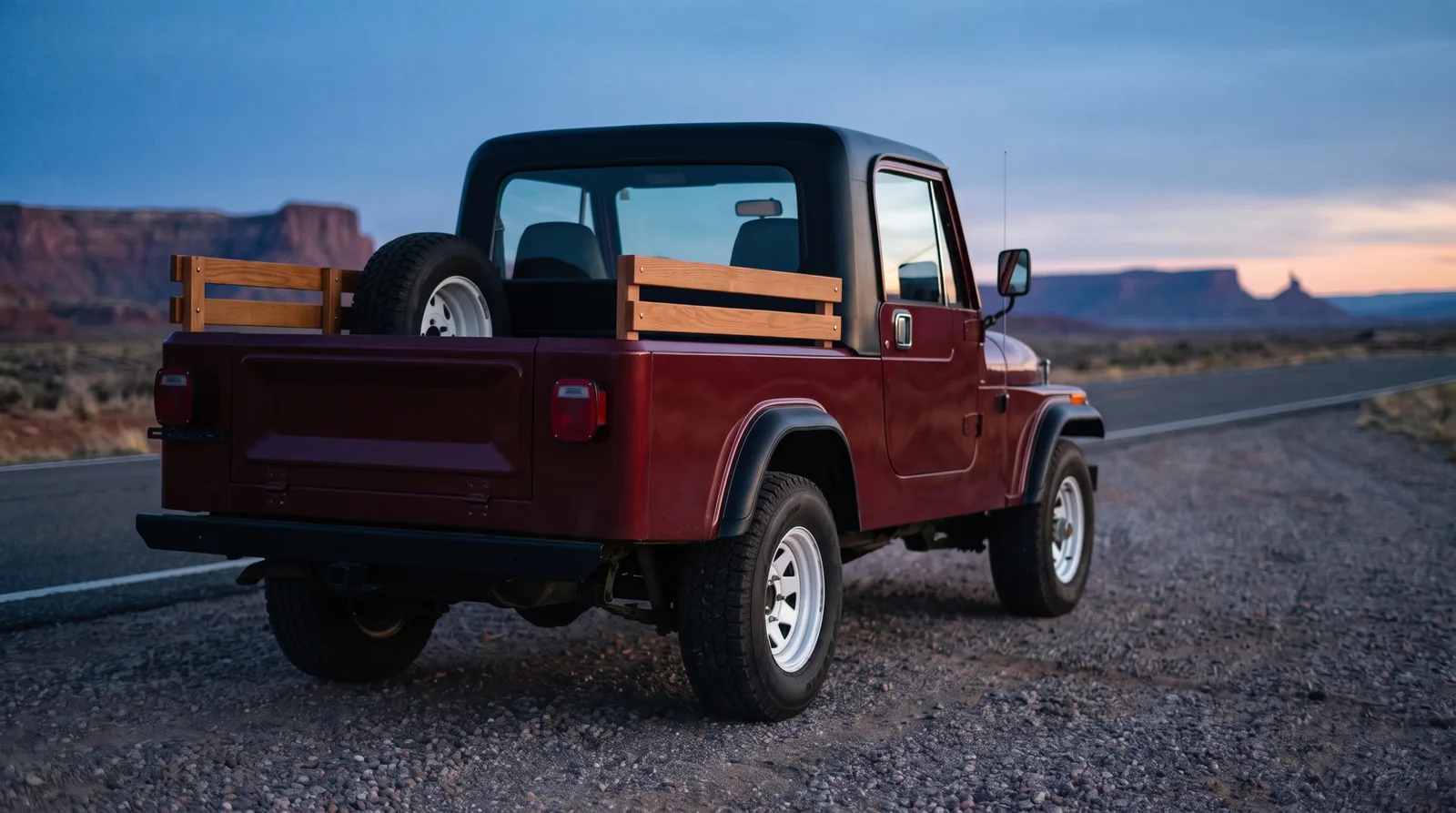
Walk around a well-preserved example today and the compromise is easy to see once you know where to look. The extra ten inches sits almost entirely behind the rear wheels, a visual cue that tells you exactly where AMC's engineers chose to spend their stretch. It is a small detail, but it is the whole engineering argument made visible in sheet metal, and it rewards a slower look than most people give a truck bed on a used car lot.
Sources and notes
Related Reading
Have a
Jeep CJ
for Sale?
Reach thousands of serious classic car collectors across the US.
Sell It Here →
Selling a classic? Here's how: compare the places to sell classic cars
Are You a Classic Car Dealer?
List your full inventory and connect with targeted classic car buyers.
Join as a Dealer →

About the author
Wayne Coburn
Longtime Corvette owner, judge and club figure who knows the cars, the records and the people behind them.
Related Listings - Jeep CJ

Comments
Be the first to comment on this article.