
Pull the interior panels out of a Blazer Chalet and you start to understand what the build actually required, because from a fabrication standpoint, this was not a simple bolt-on job. Grafting a raised, standing-height camper section onto a truck that started life with a low, flat roofline meant solving structural problems that a normal body shop conversion never has to deal with. I have looked at enough of these trucks up close to respect what the original builders pulled off, even working with 1970s fiberglass technology and none of the CAD tools a shop would lean on today.
Car Features
7 min read
Inside the Design of the Blazer Chalet Camper
A builder's look at how the Blazer Chalet's raised roof and camper interior were actually engineered, and why the design still holds up decades later.
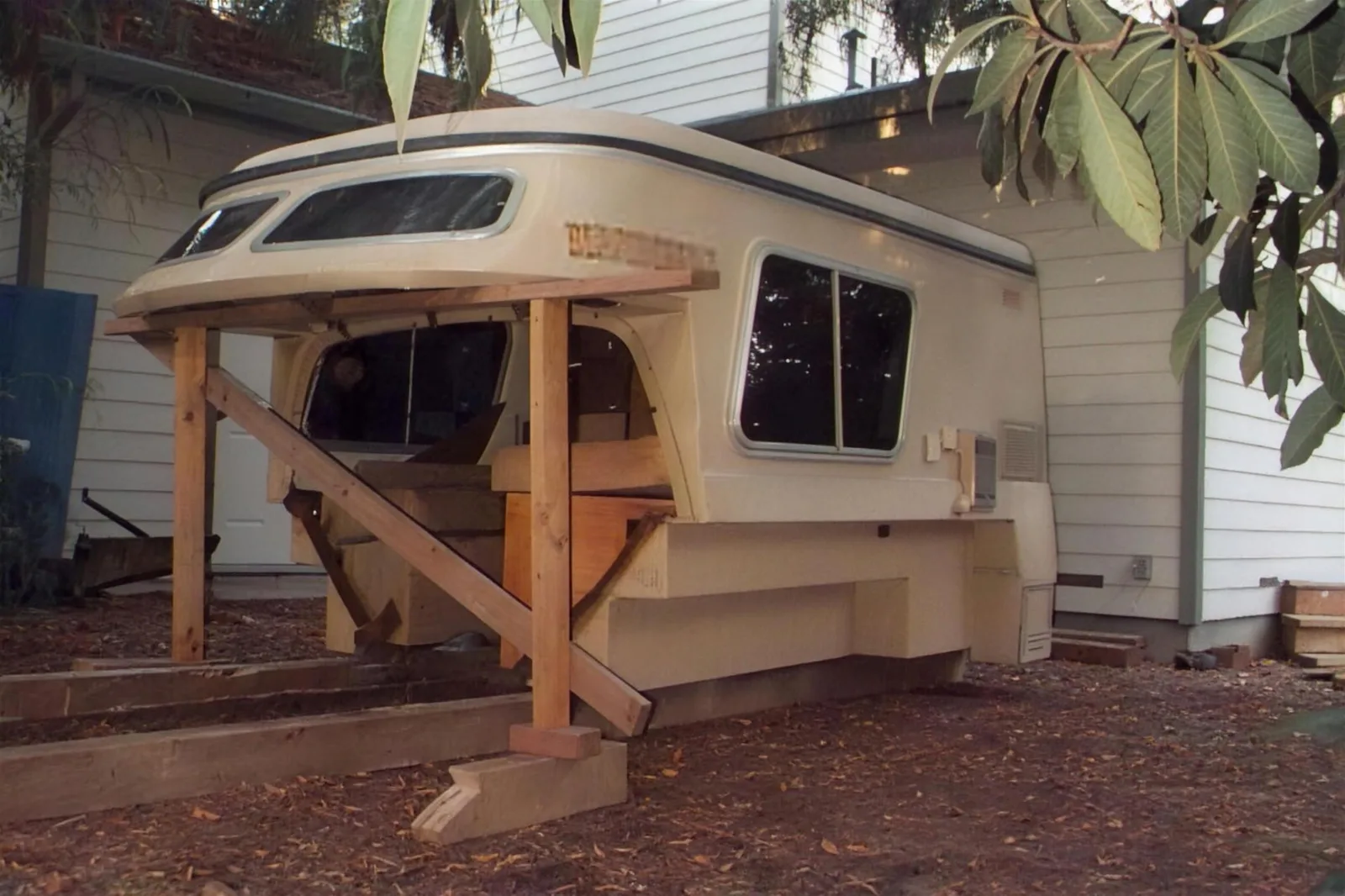
Photo courtesy of blazerchalet.com
Starting with a roof that had to come off
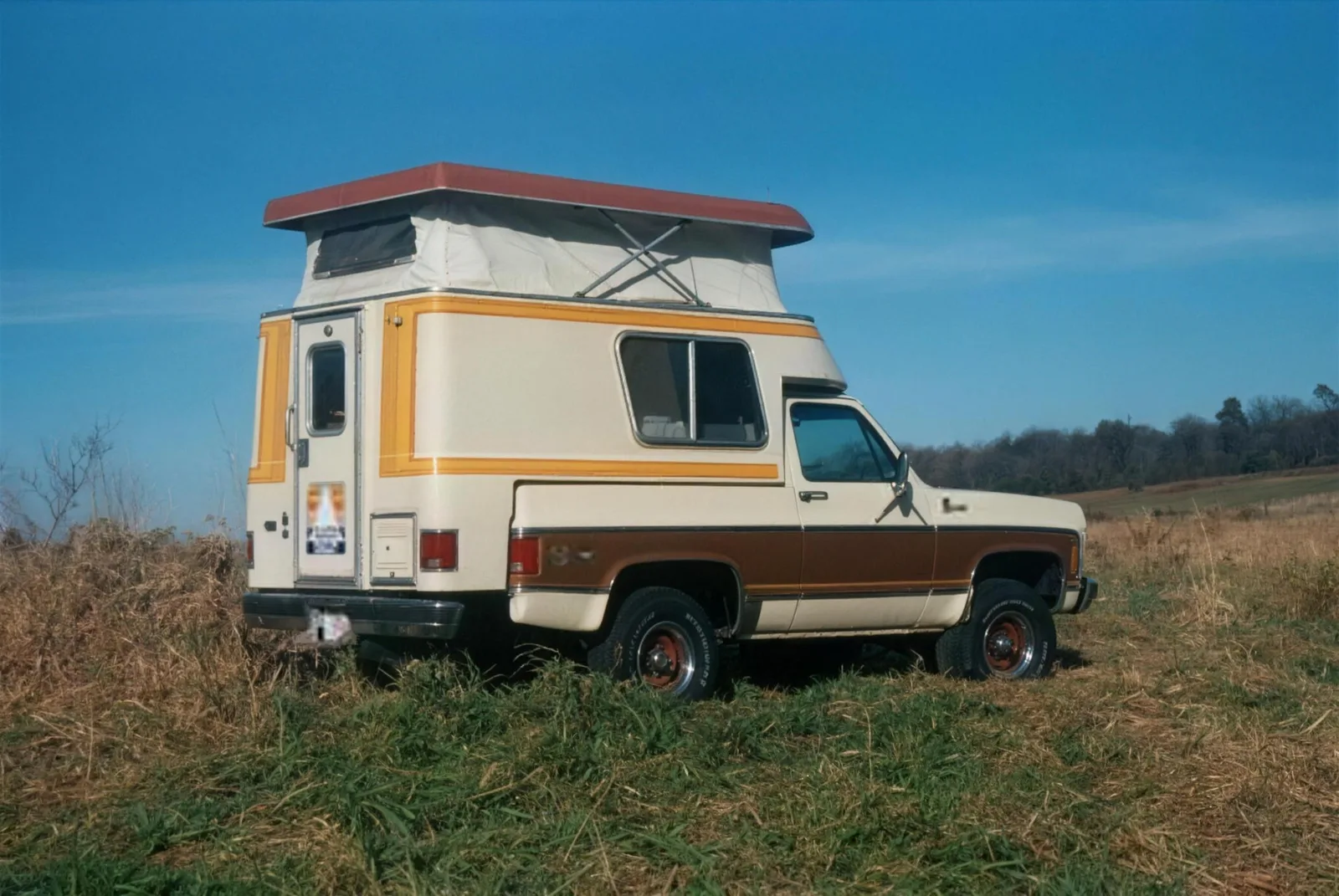
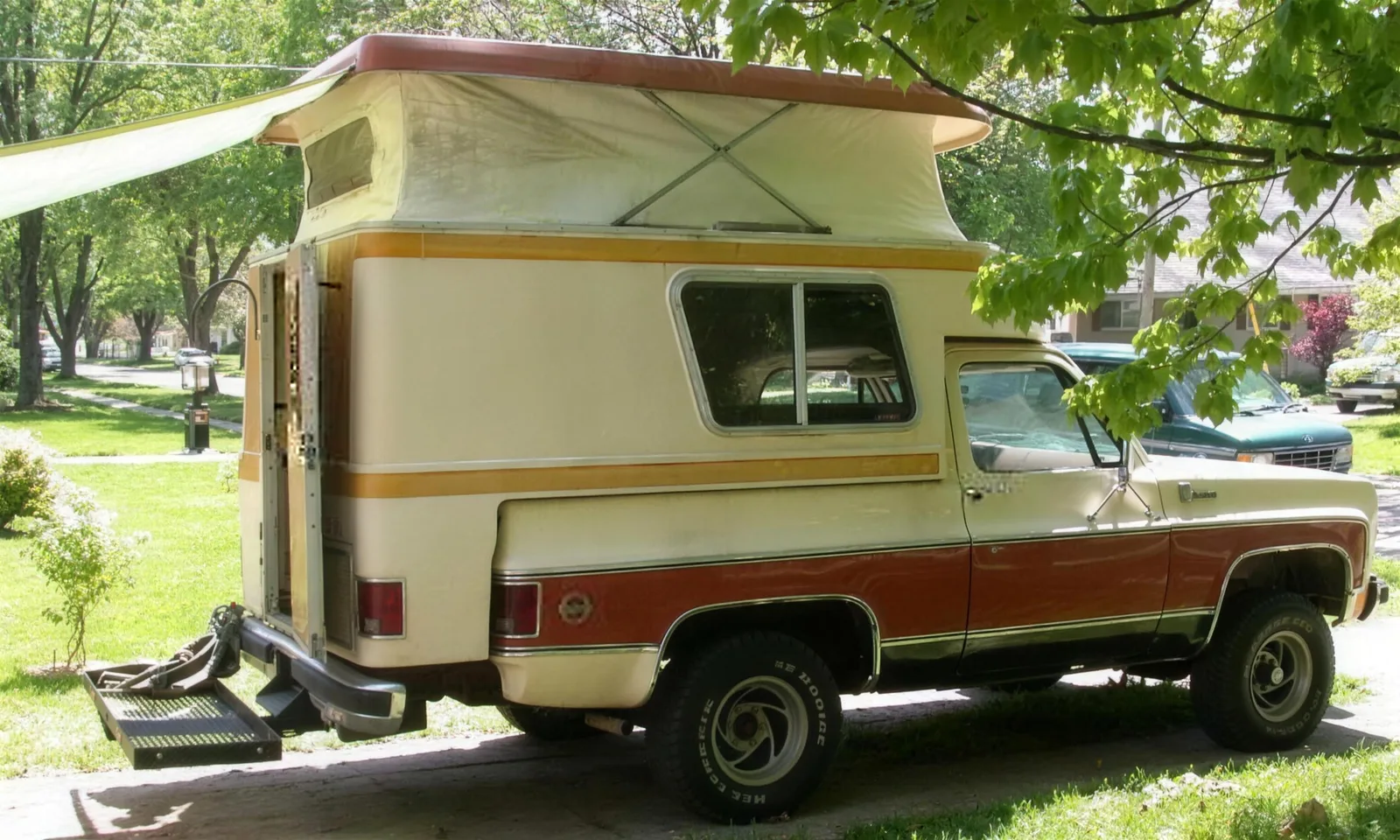
The base K5 Blazer's roofline simply could not accommodate a standing adult, which meant the Chalet conversion had to remove the stock rear roof section entirely and replace it with a purpose-built fiberglass structure raised high enough to create real headroom. That is a bigger structural change than it sounds. Cutting into a truck's roof affects rigidity, water sealing, and the way stress loads travel through the body when the vehicle is driving over rough terrain, exactly the kind of terrain a K5 Blazer buyer expected to tackle.
The coachbuilder handling this work, Chinook Mobilodge, had to engineer a mounting system that tied the new fiberglass roof section back into the Blazer's existing body structure without turning the truck into a flexing, leaking mess after a few years of use. The exact fabrication methods were never widely published, but the general approach, bonding and mechanically fastening a raised fiberglass shell to the cut-down steel roofline, was standard practice for coachbuilders converting trucks into campers in this era. Anyone who has done bodywork on an old truck knows how unforgiving a poorly executed roof modification can be, and the fact that surviving Chalets still hold up structurally today, provided they were not left to rot in a field, says something about how well that original engineering was done.
Packaging a livable space into a truck bed
Once the roof was solved, the real design puzzle was fitting a functional camper interior into a footprint that used to just be open cargo space. The dinette that folded down into a bed, the compact galley with its stove and sink, the icebox, and the storage cabinets all had to share a space that measures out in feet, not the kind of room a dedicated travel trailer designer would consider generous. Every inch mattered, and the layout reflects careful thought about how a family would actually use the space, not just where components could physically fit.
This is where I have real respect for the original builders. Packaging is one of the hardest parts of any custom build, harder than most people who have not done it themselves ever appreciate. You are not just fitting parts into a box. You are thinking through how someone opens a cabinet while someone else is making the bed, how the stove vents without turning the whole cabin into a sauna, how storage stays accessible without becoming a hazard when the truck is bouncing down a fire road. The Chalet's interior design gets that balance mostly right, which is more than a lot of aftermarket camper conversions from the same era managed.
Where the design shows its age, and where it does not
Fifty years on, some of the Chalet's design choices read as dated in ways that are honestly kind of charming. The galley appliances, the upholstery patterns, the cabinet hardware, all of it screams its decade the moment you look at it. That is not a criticism. It is part of what makes finding an unrestored, original Chalet interior such a genuine time capsule experience for anyone who appreciates period-correct builds over modern reproductions.
Where the design still holds up is in the fundamentals. The structural approach to raising the roof without destroying the truck's rigidity, the packaging logic behind the interior layout, the basic decision to build the camper on a capable four-wheel-drive platform rather than a fragile trailer, all of that reasoning is sound regardless of decade. A modern builder tackling a similar project would follow a lot of the same logic, even with better materials and tools available now. If you want the fuller history of how this whole conversion program came together before it disappeared from Chevrolet's lineup, where this started covers that ground.
"Cutting into a roof and making it stronger instead of weaker, that's not luck. That's somebody who understood load paths doing real engineering on a low-volume product nobody was ever going to give them credit for."
- Jim Vasquez
What restoring one actually requires
Anyone taking on a Chalet restoration today runs into a design reality the original builders never had to worry about: sourcing parts for a conversion that was never mass-produced in the first place. There is no reproduction market for Chalet-specific dinette hardware or fiberglass roof sections the way there is for common K5 body panels. Restoration work on these trucks means fabricating replacement pieces by hand, working from surviving examples as reference, or tracking down another Chalet being parted out, none of which is a quick or cheap process.
That difficulty is exactly why the design deserves more respect than it usually gets. The original builders solved a genuinely hard packaging and structural problem with the tools and materials available in the 1970s, and they solved it well enough that examples still standing today are worth the fight to preserve. If the design story has you looking to start with a solid base truck before deciding how far down the Chalet road you want to go, there is usually a classic K5 Blazer for sale worth a look while you plan out the project.
Comparing it to aftermarket campers of the era
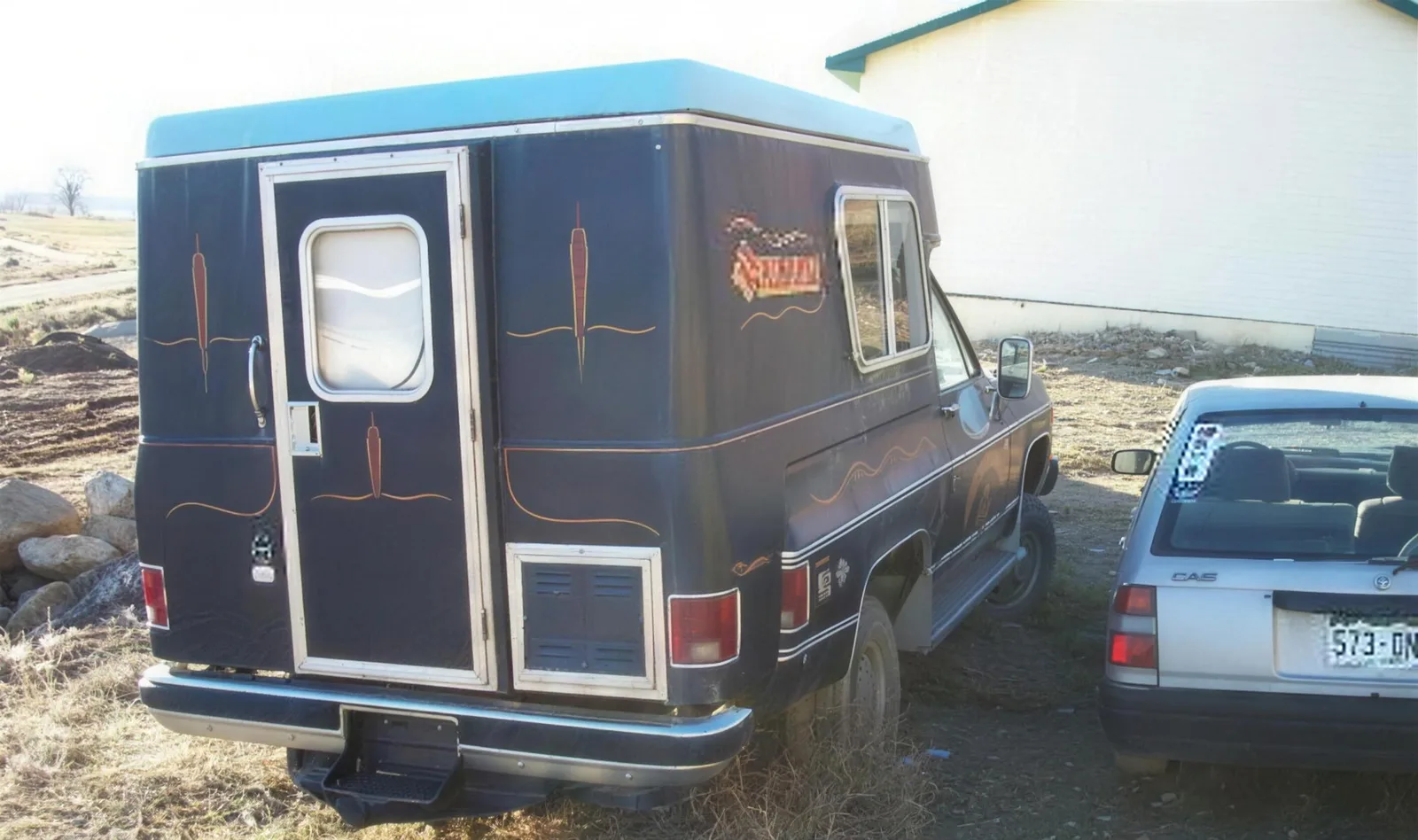
Plenty of shops in the 1970s built slide-in campers and cap conversions for trucks, and it is worth comparing that aftermarket approach to what the Chalet's coachbuilder actually did. A slide-in camper sits on top of a truck bed as a separate unit, removable, but also disconnected from the truck's structure in a way that limits how much rigidity and integration the design can achieve. The Chalet's roof, by contrast, became part of the truck's actual body, engineered to work with the frame and cab rather than just resting on top of it.
That integration is a harder engineering problem, but it produces a better result. A slide-in camper always feels like two separate objects stacked together, no matter how well built. A Chalet feels like one truck, because structurally, that is exactly what it is. Builders today who understand that distinction tend to have more respect for the Chalet than people who dismiss it as just another period camper conversion.
A build that earns a second look
The Blazer Chalet is not a footnote worth dismissing as a novelty. It is a legitimate piece of design and fabrication work, done under real constraints, on a low-volume product that most of the industry has forgotten. Anyone who takes the time to look closely at how it was actually built comes away with more respect for it than the casual "camper on a truck" description usually earns.
Sources and notes
Related Reading
Have a
Chevrolet Blazer
for Sale?
Reach thousands of serious classic car collectors across the US.
Sell It Here →
Selling a classic? Here's how: compare the places to sell classic cars
Are You a Classic Car Dealer?
List your full inventory and connect with targeted classic car buyers.
Join as a Dealer →

About the author
Jim Vasquez
Southern California hot rod and custom car builder with roots in the traditional kustom kulture scene.
Related Listings - Chevrolet Blazer




Comments
Be the first to comment on this article.