
Walk through any overlanding meetup today and you will see the K5 Blazer Chalet's idea everywhere, even if almost nobody there has ever seen an actual Chalet in person. Raised roof for standing headroom, a compact sleeping and cooking setup, and a four-wheel-drive platform underneath capable enough to get you somewhere a paved campground never could. Strip away the branding and the decades, and that is exactly the formula Chevrolet was selling in the mid-1970s. The modern overlanding movement did not invent this idea, it rediscovered it, packaged it in aluminum and composite instead of fiberglass, and sold it back to a generation that has never heard the word Chalet in this context.
Car Features
6 min read
The Blazer Chalet Idea in Modern Overlanding
The K5 Blazer Chalet's capability-over-comfort formula is exactly what modern overland builders keep landing on decades later, even without knowing the Chalet came first.
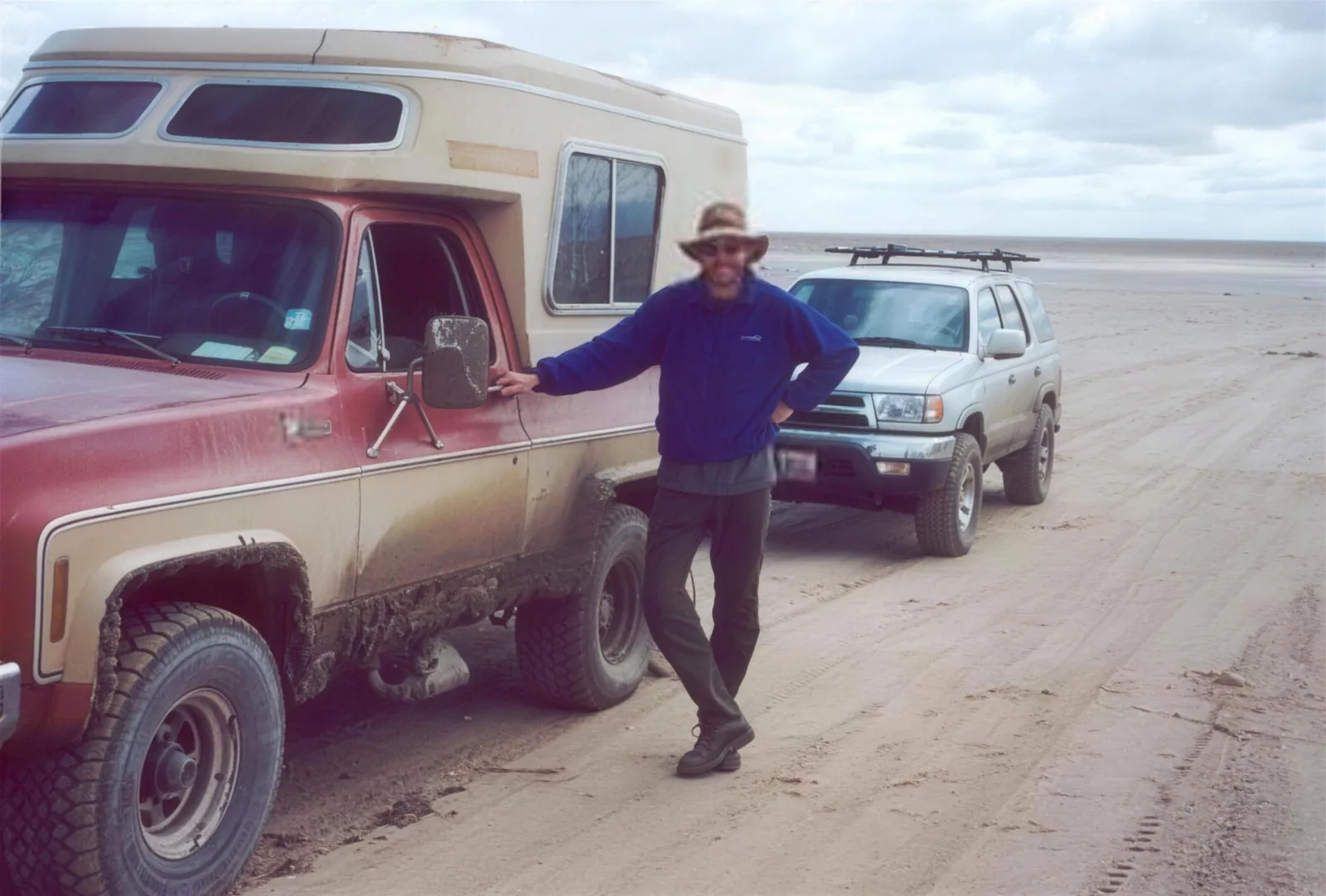
Photo courtesy of blazerchalet.com
The formula that never actually went away
Modern pop-up campers and rooftop tent setups built for four-wheel-drive trucks and SUVs are chasing the exact same tradeoff the Chalet was built around decades ago. Keep the vehicle capable enough to leave the pavement, add just enough shelter and comfort to make an overnight stay reasonable, and accept that you are not going to get van-conversion levels of space in exchange for that capability. Today's builders talk about it in terms of weight distribution and departure angles. In 1976, Chevrolet's dealers were talking about the same tradeoff in simpler language, but it was the same conversation. The industry rediscovered a formula that already had a working example sitting in driveways decades earlier, most people just did not know to look for it.
Why today's builders would recognize the compromise instantly
Anyone who has actually built or bought a modern overland rig knows the tension between capability and comfort intimately, because it is the first decision every build has to make. Go bigger and roomier, and you start sacrificing the ground clearance, approach angles, and weight balance that make the vehicle capable off-road in the first place. Go smaller and more capable, and you accept a tighter living space in exchange. The Blazer Chalet made that same call on a short-wheelbase truck platform in an era before anyone was calling it overlanding, and the fact that modern builders keep landing on a similar answer says something about how fundamentally sound the original idea actually was, not how outdated it has become. K5 blazer chalet history is worth reading with this modern parallel in mind, because it makes clear how much of today's overlanding logic the original package had already worked out.
What is genuinely different this time around
The materials and the market have changed even where the idea has not. Modern rooftop tents and slide-in camper units use lightweight composites and aluminum framing that simply did not exist as affordable options in the 1970s, and the aftermarket supporting this style of build today is enormous compared to the small, dealer-driven niche the Chalet occupied. There is also a cultural shift worth naming honestly. Overlanding today is a hobby with its own media, its own events, and its own identity built around the idea of vehicle-based adventure travel. The Chalet was never marketed or understood that way at the time, it was simply a practical option for a truck buyer who wanted to camp sometimes. The idea is the same, but the community and culture wrapped around it now is something the original package never had the chance to build.
"You watch enough overland builds and eventually you see a truck with a raised sleeping module bolted to a short-wheelbase four-wheel-drive rig and think, somebody already did this in 1976. They just called it something else."
- Patrick Walsh
Why the K5 Blazer specifically keeps showing up in this scene
Part of why the Chalet's idea keeps resurfacing specifically on K5 Blazers, rather than just any old truck, is that the platform itself still checks the boxes modern builders care about. Removable or convertible tops depending on generation, a manageable size compared to a full-size van or modern overland truck, and a drivetrain that a home builder can actually work on without specialized equipment. Owners bringing a K5 Blazer into a modern overland build are not fighting the platform to make the idea work, they are working with a truck that was already halfway there in concept, even on examples that never wore a Chalet badge in period. For more on the specific survivors and examples worth knowing from this niche of Blazer history, a related story covers trucks that have carried this idea forward, in period and beyond.
What this means for anyone chasing the idea today
If the overlanding formula appeals to you and a K5 Blazer is on your list, you are not chasing a trend so much as circling back to an idea the platform was already built to support. Whether you are hunting for a genuine period Chalet or just want a solid K5 Blazer as the base for a modern build with the same spirit, K5 Blazers for sale now is the practical starting point, and knowing the Chalet came first gives that search a lot more context than starting from the assumption that this is a purely modern idea.
The generational gap in who actually knows this history
One of the more interesting things about spending time in overlanding circles is how sharply the awareness of the Chalet's existence splits by generation. Older owners who grew up around K5 Blazers sometimes remember the package directly, or at least remember hearing about it from someone who did. Younger builders coming into the scene through modern overlanding media almost never have, because the package never got the kind of sustained cultural attention that would have carried its name forward the way certain other classic truck features did. That gap is not really anyone's fault, it is just what happens to a niche factory option that was popular enough to exist but never popular enough to become a lasting reference point on its own.
Why this history is worth reviving on purpose
There is a real argument for deliberately keeping this connection visible rather than letting the overlanding scene keep reinventing an idea Chevrolet already tried decades ago. Builders benefit from knowing what worked and did not work the first time around, even if the materials and techniques available today are completely different. A raised sleeping module that added too much height and hurt the truck's stability, for instance, would have been a lesson the Chalet's era already learned the hard way, and a modern builder aware of that history has a head start over one working from pure trial and error. History like this is not just trivia for enthusiasts, it is usable knowledge for anyone building toward the same goal today, and that is exactly why stories like the Chalet's deserve to travel further into the modern scene than they currently have.
Sources and notes
Related Reading
Have a
Chevrolet Blazer
for Sale?
Reach thousands of serious classic car collectors across the US.
Sell It Here →
Selling a classic? Here's how: sell my classic car
Are You a Classic Car Dealer?
List your full inventory and connect with targeted classic car buyers.
Join as a Dealer →
#chevrolet k5 blazer
#k5 blazer chalet
#squarebody Blazer
#camper conversion
#overlanding
#off-road camping

About the author
Patrick Walsh
Automotive journalist covering classic car shows, events, and the enthusiast community across North America.
Related Listings - Chevrolet Blazer




Comments
Be the first to comment on this article.