
Every niche corner of the collector world has a small handful of trucks people actually know by reputation, and the K5 Blazer Chalet is no exception, even if that handful is genuinely small. Ask around long enough in club circles and the same few names and stories keep coming up, trucks that survived intact, that got documented before they could be forgotten, or that simply landed with an owner who understood what they had. Those examples are worth knowing, because they are doing a lot of the work of keeping this package's history from disappearing entirely.
Car Features
7 min read
Surviving Blazer Chalets Worth Knowing
A look at the handful of documented K5 Blazer Chalet survivors, from barn finds to single-family trucks, and why each one carries outsized historical weight.
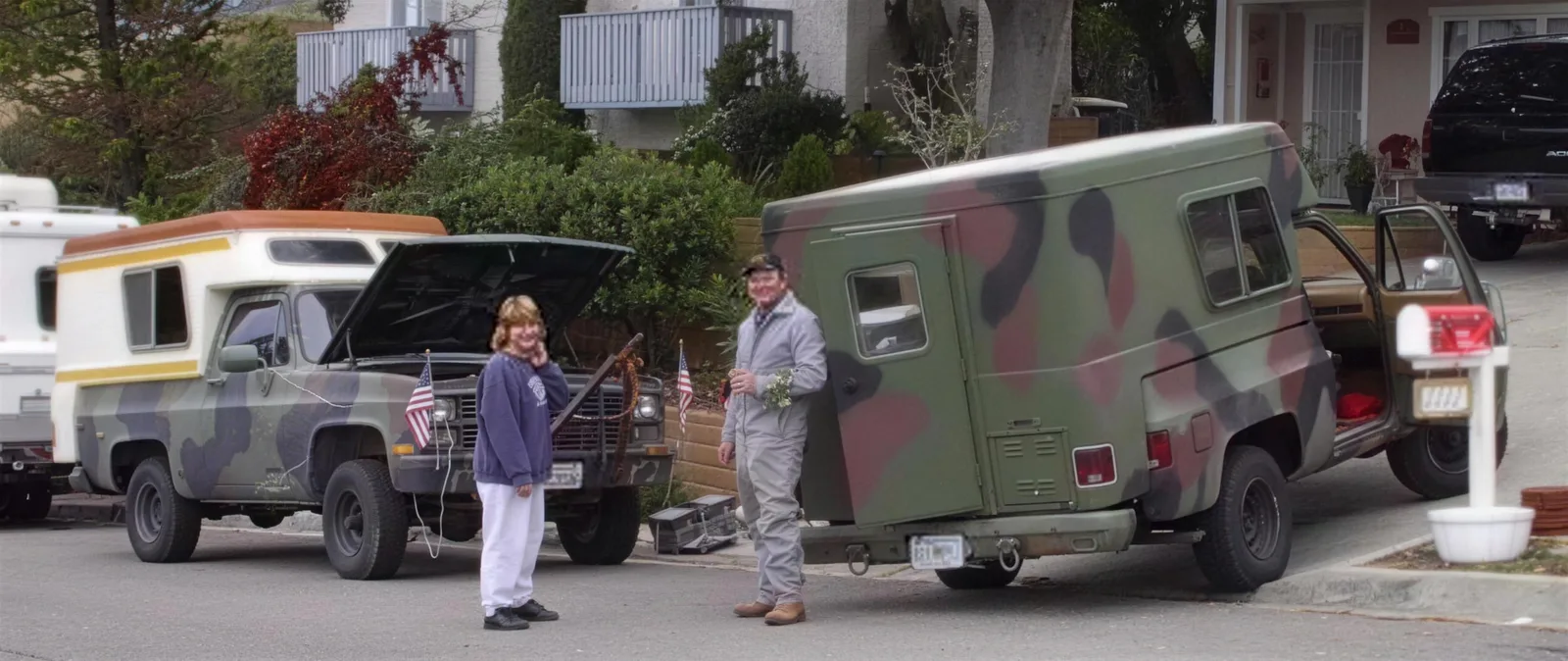
Photo courtesy of blazerchalet.com
The barn-find that rewrote what people expected to see
One type of truck that comes up most often in club conversations is a Chalet pulled out of long-term storage with its original roof and most of its interior hardware intact, a combination rare enough that when photos of trucks like this circulate, they tend to change a lot of people's assumptions about what a surviving example could actually look like. Before trucks like this resurfaced, plenty of owners in the wider K5 Blazer community assumed the interior hardware simply did not survive anywhere in usable condition. Finding one that proved otherwise gave restorers something concrete to reference instead of working purely from old photographs and secondhand descriptions.
The truck that stayed in one family the whole time
A different kind of notable example is the Chalet that never left its original family, passed down rather than sold, modified only as much as decades of actual use required. These trucks matter for a different reason than the barn finds. They carry continuous provenance, a story that never has a gap in it, which is worth more to a historian than an equally original truck with an unknown chain of ownership. A family that kept a Chalet running and camped in it across multiple generations is preserving something that a museum piece sitting untouched simply cannot claim, a living record of how the truck was actually used rather than just what it looked like when new.
The example that ended up in a collection
A smaller number of Chalets have ended up in private collections specifically built around unusual factory options and dealer packages, rather than in the hands of everyday drivers or campers. These trucks tend to be the best documented, because collectors focused on rarity generally do the legwork of confirming provenance before they buy, and they often maintain records other owners never bothered to keep. The tradeoff is that these trucks rarely get used the way they were built to be used, camped out of on an actual trip, which is its own kind of loss even as it protects the truck itself. The whole picture on how the Chalet package came to exist helps explain why these particular trucks, spread across barn finds, family ownership, and private collections, matter enough to track individually rather than treating the package as a single, generic footnote in K5 Blazer history.
Why tracking individual trucks matters more here than usual
For a lot of classic vehicles, individual survivor stories are interesting but not essential to understanding the model as a whole, there are simply enough of them that patterns emerge from volume. The Chalet does not have that luxury. With so few confirmed originals left, each individual truck's story carries real weight in filling out what the package actually looked like in practice, from interior details to how families genuinely used them. Losing track of even one well-documented survivor is a bigger loss for this niche than it would be for a more common model, simply because there are so few data points to begin with.
This is also why inconsistencies between individual trucks matter more than they would with a mainstream model. When two confirmed Chalets show slightly different interior trim or hardware finishes, that is not automatically a sign one of them is wrong, it might just mean the package was built with more running changes than anyone has documented in a single, tidy reference. Without a large sample to compare against, club researchers have to treat every newly confirmed truck as a possible data point that could revise what the group collectively assumed was standard, rather than dismissing anything that does not match the last known example.
"With something this rare, every surviving truck is basically a witness. You do not get to just average across a big sample size, you have to actually know the individual trucks and what they can tell you."
- Wayne Coburn
What this means for anyone hunting for one
If you are chasing a Chalet, knowing the handful of notable examples already out there is not just trivia, it sets realistic expectations for what an undiscovered truck might actually look like if you find one. Most surviving examples are going to be somewhere between the extremes, not a pristine collection piece and not a hopeless project, and knowing the range the known examples cover gives you a real benchmark instead of a guess. For anyone ready to start that search in earnest, keeping an eye on find a classic K5 Blazer listings is the practical next step, with the understanding that a genuine, documented Chalet is still going to take patience and a bit of luck to turn up.
How the club network keeps finding new ones
Almost every notable example that has surfaced in recent years came to light through the same basic path, not an auction listing or a dealer find, but a club member recognizing something in a photo, a classified ad, or a conversation at a show. This is a small enough niche that word of mouth still functions as the primary discovery mechanism, in a way that has mostly disappeared for more mainstream classic trucks. Someone posts a photo of a truck with an unusual roofline, someone else recognizes the shape, and a conversation starts that sometimes ends with a previously unknown survivor getting properly documented for the first time. That process is slow and unreliable by design, but it has consistently been how this small population of known trucks has grown over time.
What gets lost when a truck disappears from the record
The flip side of that same dynamic is how easily a documented truck can drop back out of the record entirely. A known Chalet sells to a buyer outside the club network, the new owner has no connection to the community that tracked the truck, and within a few years nobody active in Chalet history can say for certain where it went or what condition it is in. This has almost certainly happened more than once, and it is a quiet, ongoing loss for anyone trying to keep an accurate picture of how many genuine survivors actually exist. It is part of why club members tend to encourage new owners of any documented example to stay connected to the wider community, not out of possessiveness, but because a truck that stays visible is a truck whose history stays intact for the next person who comes looking for it.
Sources and notes
Related Reading
Have a
Chevrolet Blazer
for Sale?
Reach thousands of serious classic car collectors across the US.
Sell It Here →
Selling a classic? Here's how: compare the places to sell classic cars
Are You a Classic Car Dealer?
List your full inventory and connect with targeted classic car buyers.
Join as a Dealer →
#survivor trucks
#classic truck history
#chevrolet k5 blazer
#k5 blazer chalet
#squarebody Blazer
#camper conversion

About the author
Wayne Coburn
Longtime Corvette owner, judge and club figure who knows the cars, the records and the people behind them.
Related Listings - Chevrolet Blazer




Comments
Be the first to comment on this article.