
Chevrolet did not have an easy pitch to make with the K5 Blazer Chalet, and if you look at how the package got marketed, you can tell the ad copy was working hard to solve that problem. This was not a truck, and it was not quite a camper either, it was something in between that needed the buyer to picture a use case most of them had never actually shopped for before. Selling a hybrid always means selling an idea first and a product second, and the Chalet's marketing shows exactly that struggle.
Car Features
7 min read
How Chevrolet Pitched the Blazer Chalet
A look at how Chevrolet marketed the K5 Blazer Chalet, why the pitch leaned on four-wheel-drive freedom instead of interior space, and where the ad angle fell short.
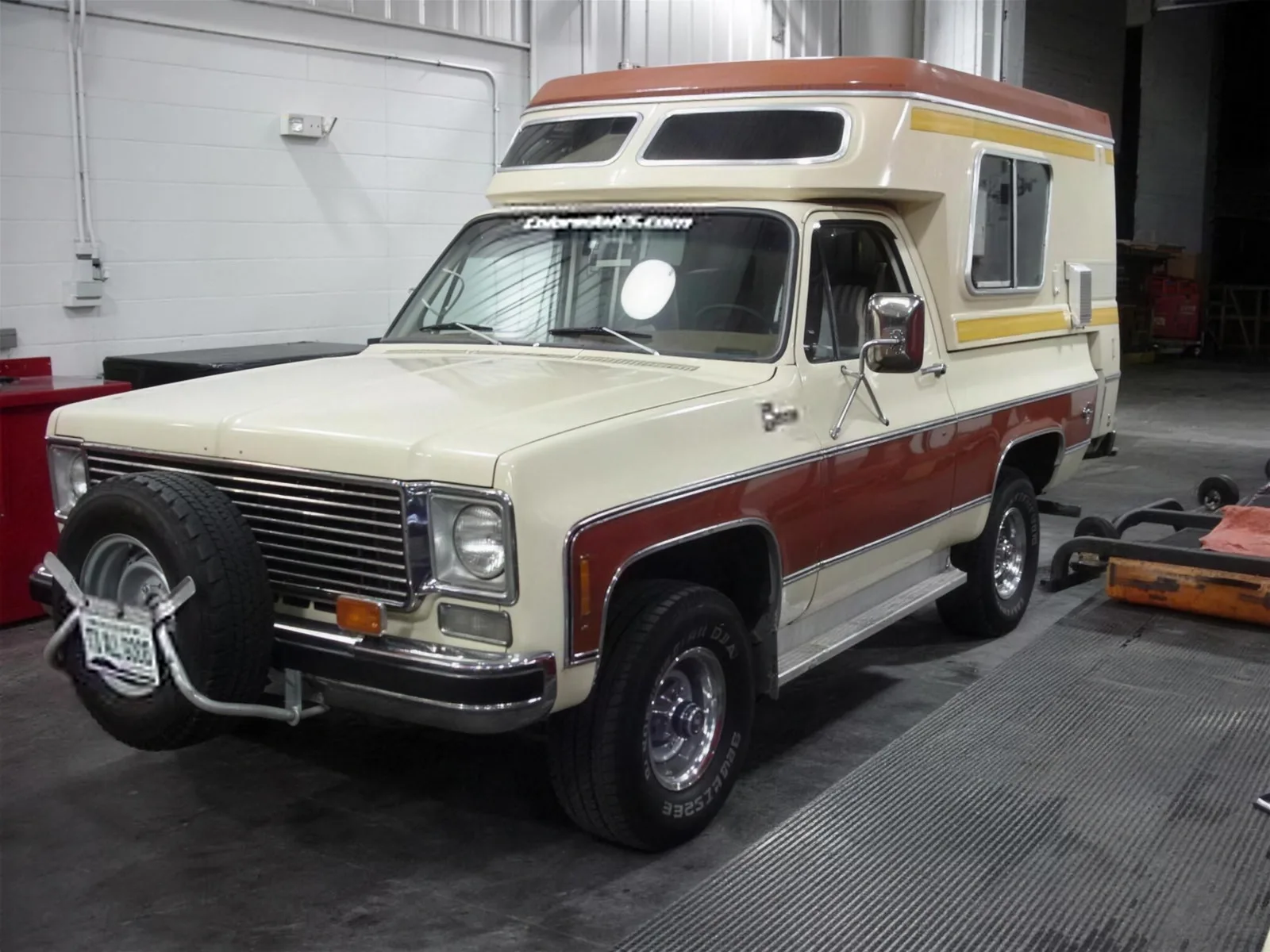
Photo courtesy of blazerchalet.com
The pitch was lifestyle first, spec sheet second
Dealer materials and period advertising for the Chalet package leaned hard on the idea of freedom and self-sufficiency, a truck that could take a family off the beaten path and still sleep them comfortably once they got there. A 1977 print ad for the Chalet put it plainly: "Did you ever notice that the toughest places to get to usually turn out to be the nicest places to stay? Too bad you couldn't have a neat little cabin right in the middle of it all. With a new Chevy Blazer Chalet, you've got it." That was a smart instinct, because the Chalet's actual specs, a tight galley, a fold-down dinette, a raised roof, were not going to sell themselves on paper next to the interior of an actual camper van. The pitch had to be about what the truck let you do, not what it contained, because what it contained was modest compared to the competition.
Why the four-wheel-drive angle did the real selling
The smartest part of the pitch, and the part that actually differentiated the Chalet from every camper van ad running at the same time, was leaning into the truck's four-wheel-drive capability. Van conversions could not follow you off pavement, and the Chalet's marketing made sure buyers understood that distinction. This was not a camper for the campground, this was a camper for the places a campground could not reach. That angle mattered because it gave the Blazer Chalet a reason to exist that had nothing to do with matching a van's interior space, and everything to do with going somewhere a van simply could not go.
The audience the ads were actually chasing
Looking at who this pitch was built for, it was clearly not aimed at a buyer cross-shopping a dedicated camper van. It was aimed at a truck buyer, someone who already wanted a four-wheel-drive Blazer for work or weekend use, and who could be convinced that a modest add-on package would open up a second use for the same vehicle rather than requiring a second vehicle entirely. That is a smart, practical sales argument, buy one truck, get two functions, and it explains why the package showed up as an option on an existing model rather than as its own standalone vehicle. Chevrolet was not trying to build a camper market from scratch, they were trying to add a feature to a truck buyer who already existed.
Where the pitch fell short in practice
For all the smart angles in the marketing, the pitch could not fully paper over the fact that the Chalet's actual interior was cramped compared to what a family camper buyer might have seen advertised in a van conversion brochure. The ads worked on the buyer who wanted capability more than comfort, but they were never going to convert a buyer who genuinely wanted the roomiest camping setup available for the money. That is not a failure of the marketing, it is just the honest ceiling of what a truck-based camper conversion could promise without overselling itself into a complaint. Reading old ad copy for the Chalet next to our complete history of the package makes the gap between the pitch and the product a lot easier to see, because the history explains exactly why that gap existed in the first place.
"You cannot out-advertise a small galley. What you can do is convince the right buyer that small galley comes with something a van never offers, and that is exactly what the Chalet's marketing tried to do."
- Mike Sullivan
What the ad angle tells us today
Looking back at how the Chalet was pitched tells you almost as much about the truck as the spec sheet does. It was never marketed as the roomiest or most comfortable camper option on the market, because it could not credibly make that claim. It was marketed as the one that could go where the others could not, and that framing still holds up as the honest way to think about the package today. Anyone drawn to that pitch, then or now, is going to be more interested in browse classic K5 Blazer listings than in a van conversion, because the appeal was always about where the truck could take you, not how much room it had once you got there.
How dealers actually presented the package on the lot
National print ads and brochures only tell part of the story, and a lot of the actual selling happened on the dealer floor rather than in a magazine spread. Dealers who stocked or could order the Chalet package would have leaned on demonstration units and word of mouth among existing four-wheel-drive customers more than any national campaign, since this was never a package with the marketing budget of a mainstream model launch behind it. That local, dealer-driven sales approach is part of why so little dedicated advertising material survives today. A lot of the pitch happened in conversation, on a lot, between a salesman who knew the truck and a customer who already wanted a four-wheel-drive Blazer and just needed to be shown what the camper option added.
What the surviving print material actually emphasizes
Where period brochures and dealer literature do survive, referencing the Chalet as an available option, the language tends to emphasize versatility over luxury, a truck that does not force a choice between a work vehicle and a weekend camper. That word, versatility, does more work in this pitch than any single feature callout, because it is directly answering the objection a smart buyer would have raised on their own, namely that a dedicated camper conversion would be a second vehicle sitting idle most of the year. The ad copy, as thin as the surviving record is, consistently comes back to that one argument rather than trying to compete feature for feature with a van's interior.
Reading that pitch today, decades removed from the fuel prices and buying habits that shaped it, it still holds up as a genuinely smart piece of positioning. Chevrolet was not trying to out-camper the campers, they were trying to convince a truck buyer that the truck they already wanted could quietly do one more thing, and for the buyers who actually cared about four-wheel-drive capability, that argument clearly landed often enough for the package to exist at all.
Sources and notes
Related Reading
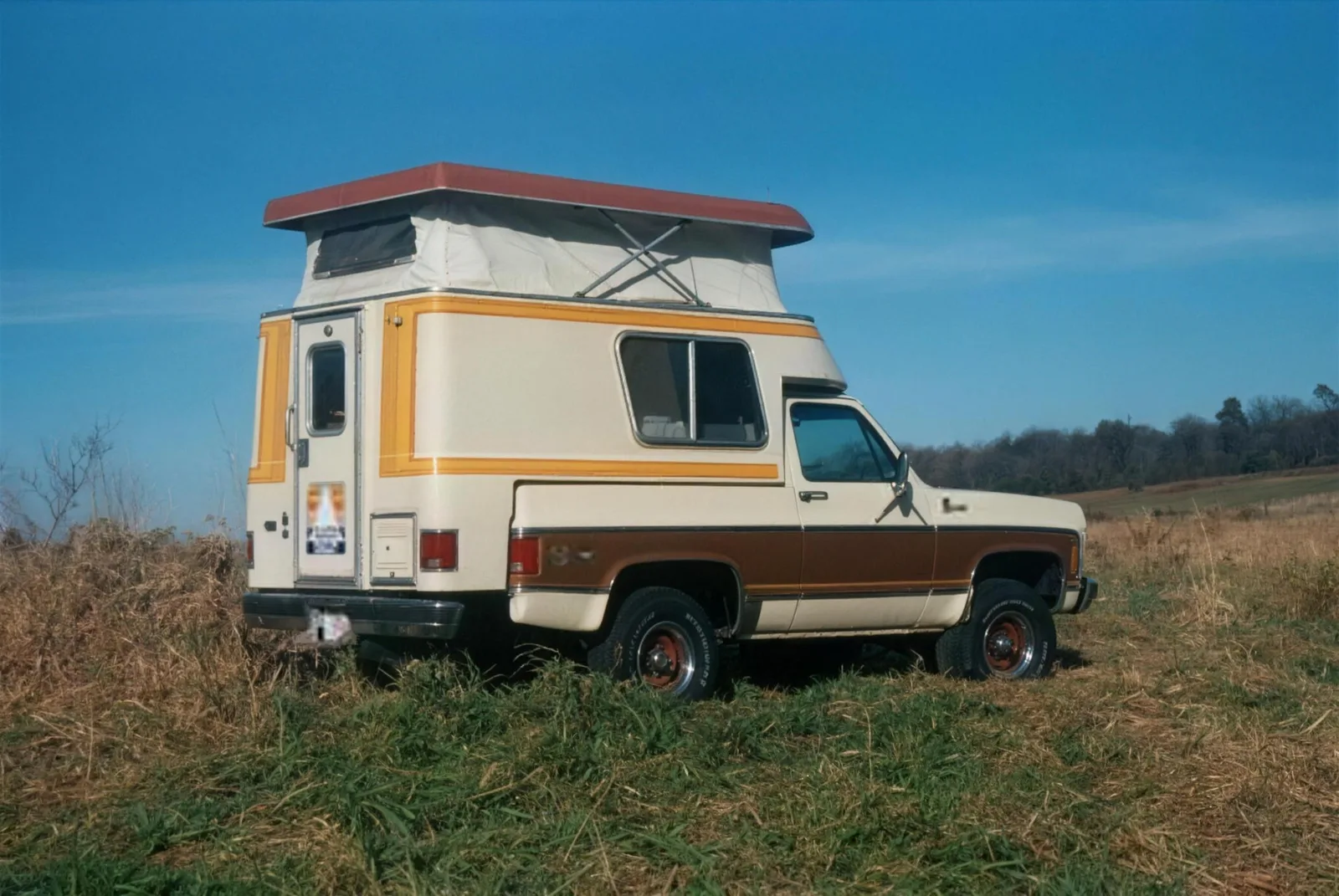
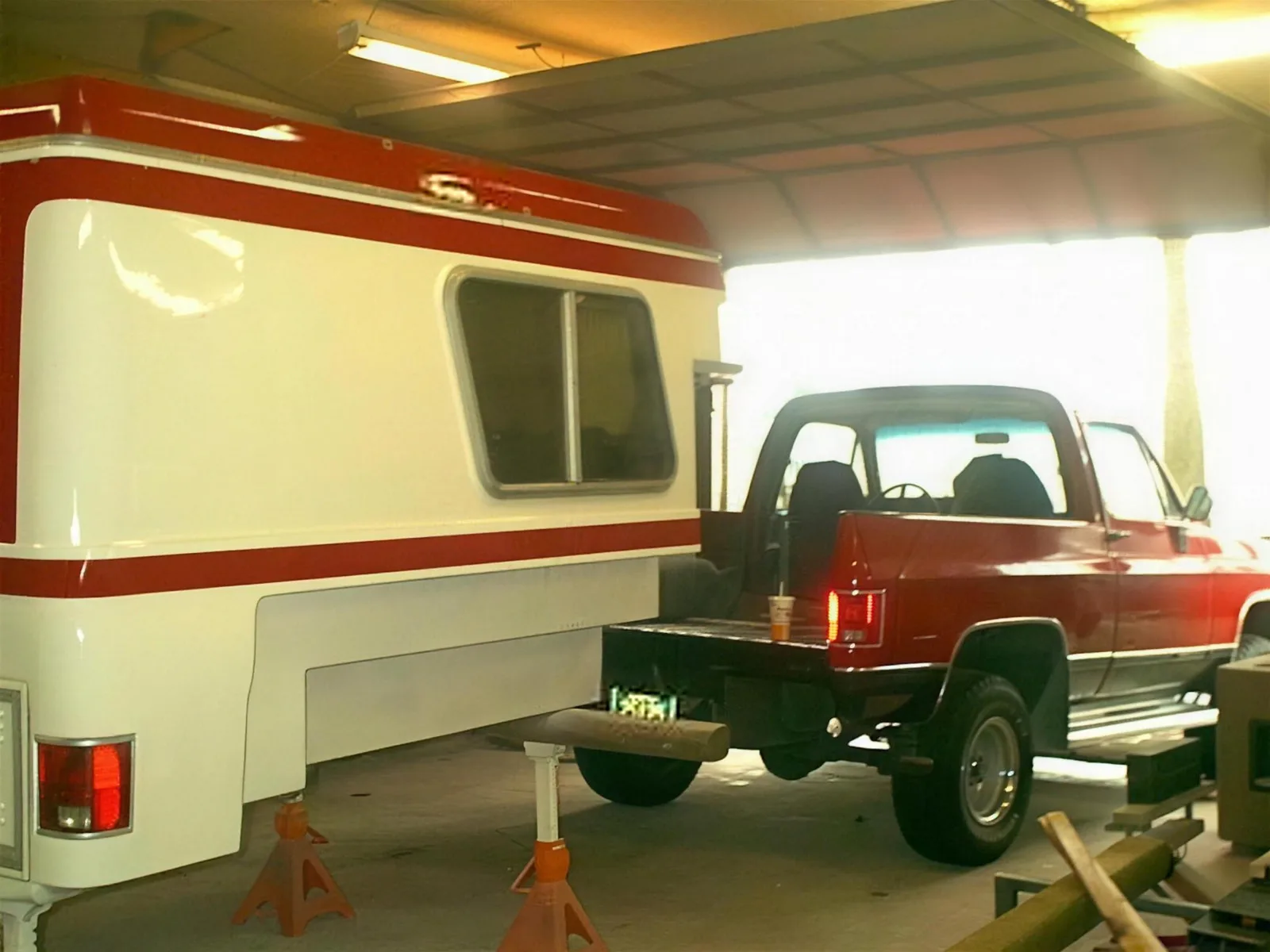
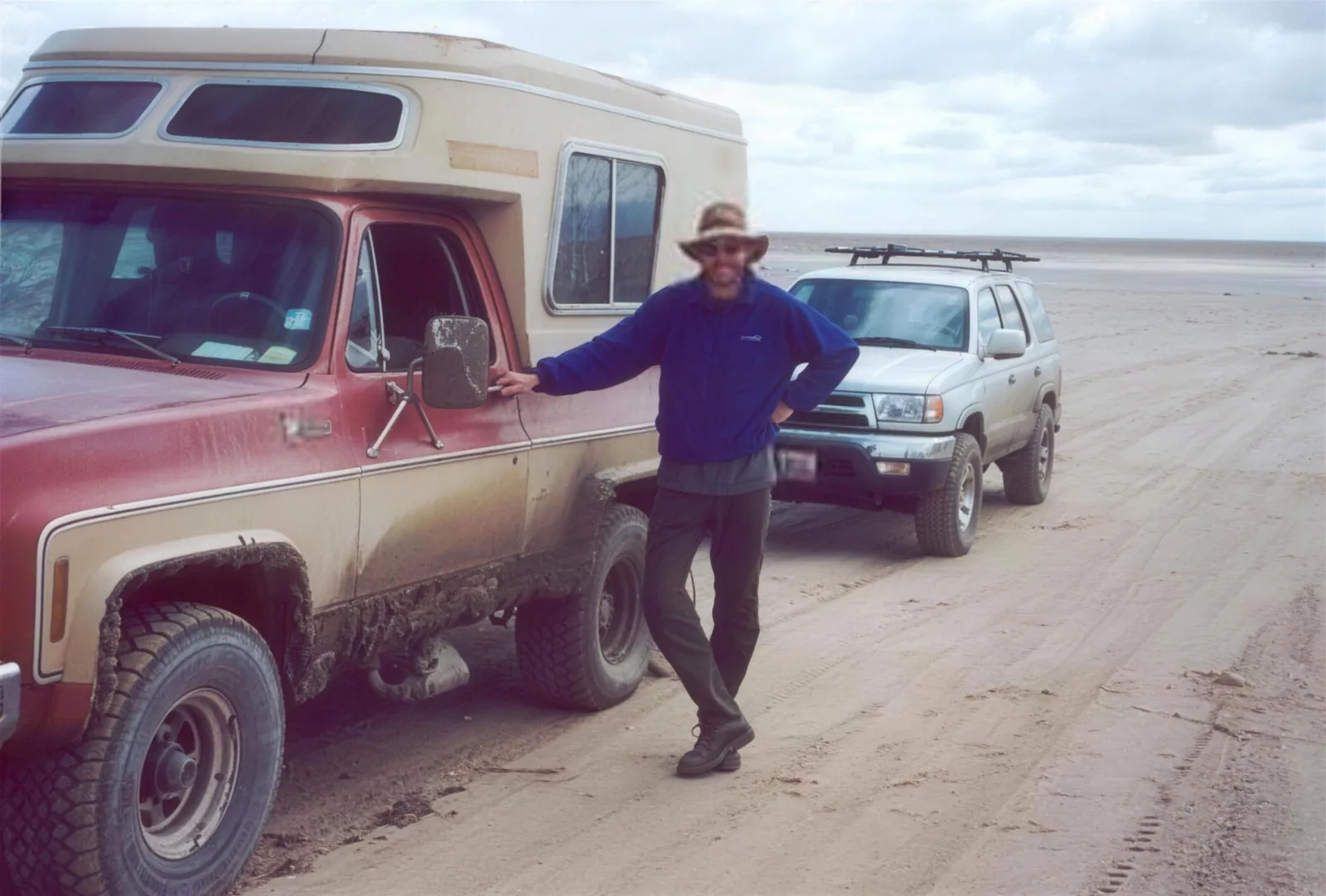
Have a
Chevrolet Blazer
for Sale?
Reach thousands of serious classic car collectors across the US.
Sell It Here →
Selling a classic? Here's how: where to sell your classic car online
Are You a Classic Car Dealer?
List your full inventory and connect with targeted classic car buyers.
Join as a Dealer →
#vintage car ads
#classic truck advertising
#chevrolet k5 blazer
#k5 blazer chalet
#squarebody Blazer
#camper conversion

About the author
Mike Sullivan
Detroit-area muscle car enthusiast and restoration specialist with three decades of hands-on experience working on American iron.
Related Listings - Chevrolet Blazer




Comments (1)
B
BarnFindBrad
3 days ago
Pulled a '77 K5 out of a barn near Staunton last year with a pop-top section stacked up in the rafters. Never would have guessed it was up there. Market-wise, those ads aimed at truck buyers, and truck buyers are still who pays for these. Get the Blazer right first and the camper story adds money on top.