
The Chevrolet K5 Blazer Chalet is one of those options that sounds like a rumor until you see a build sheet with it checked off. It was a factory-sanctioned camper package built by Chinook Mobilodge, a pop-top camper roof and a small interior kit added to a standard four-wheel-drive Blazer, and it existed for a short window in the squarebody years, offered only for the 1976 and 1977 model years. Appraising one today means starting from a simple, uncomfortable fact: almost nobody kept these as campers. They got gutted, re-roofed, wrecked, or simply outlived by their donor Blazers, and what survives is a fraction of a fraction of an already small production run.
Car Features
7 min read
Why the Blazer Chalet Is So Rare Today
Few Blazer Chalet camper conversions survive with their original roof and interior intact, and that fragility shapes how the rare option should be appraised today.
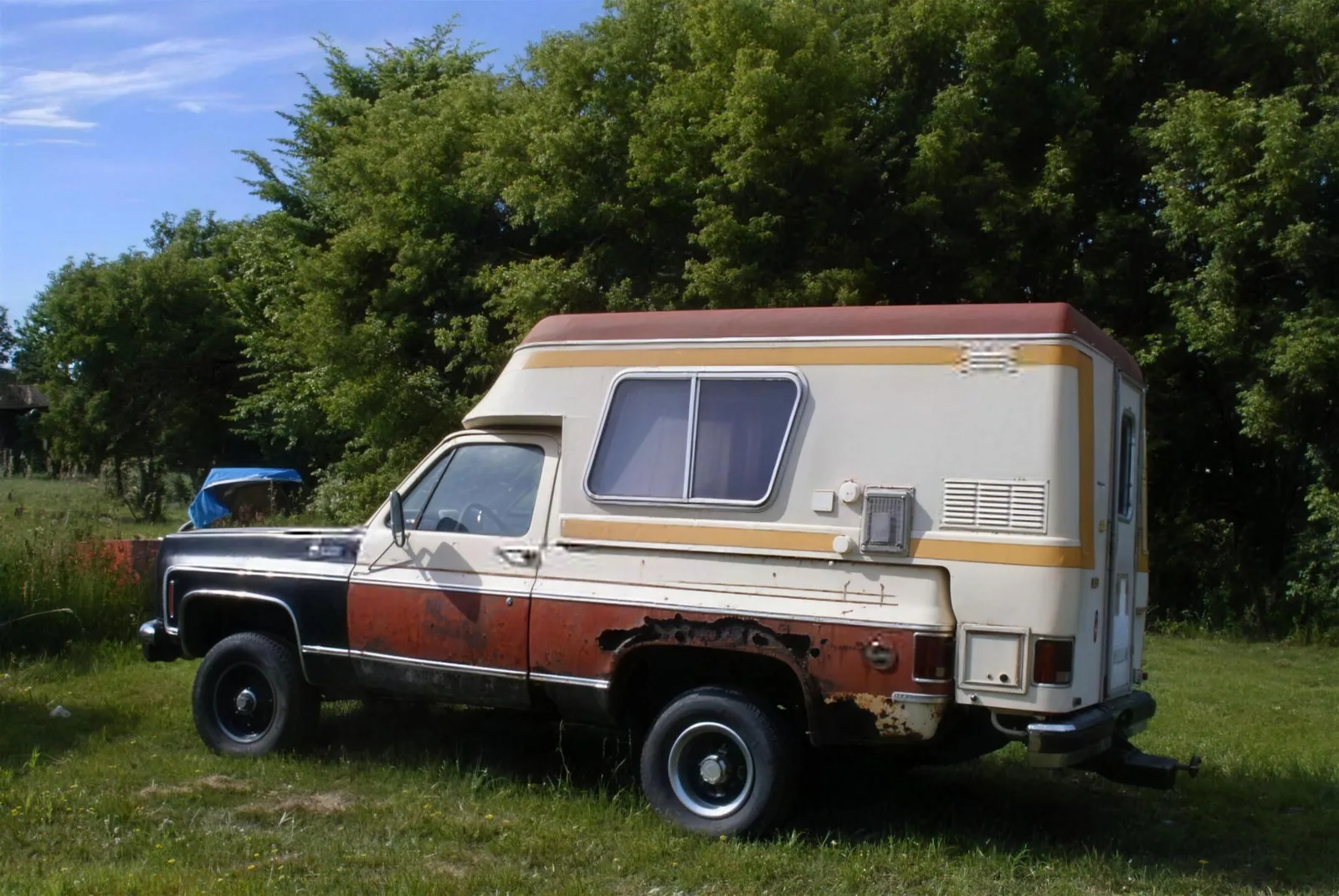
Photo courtesy of blazerchalet.com
What made the Chalet different from a regular Blazer
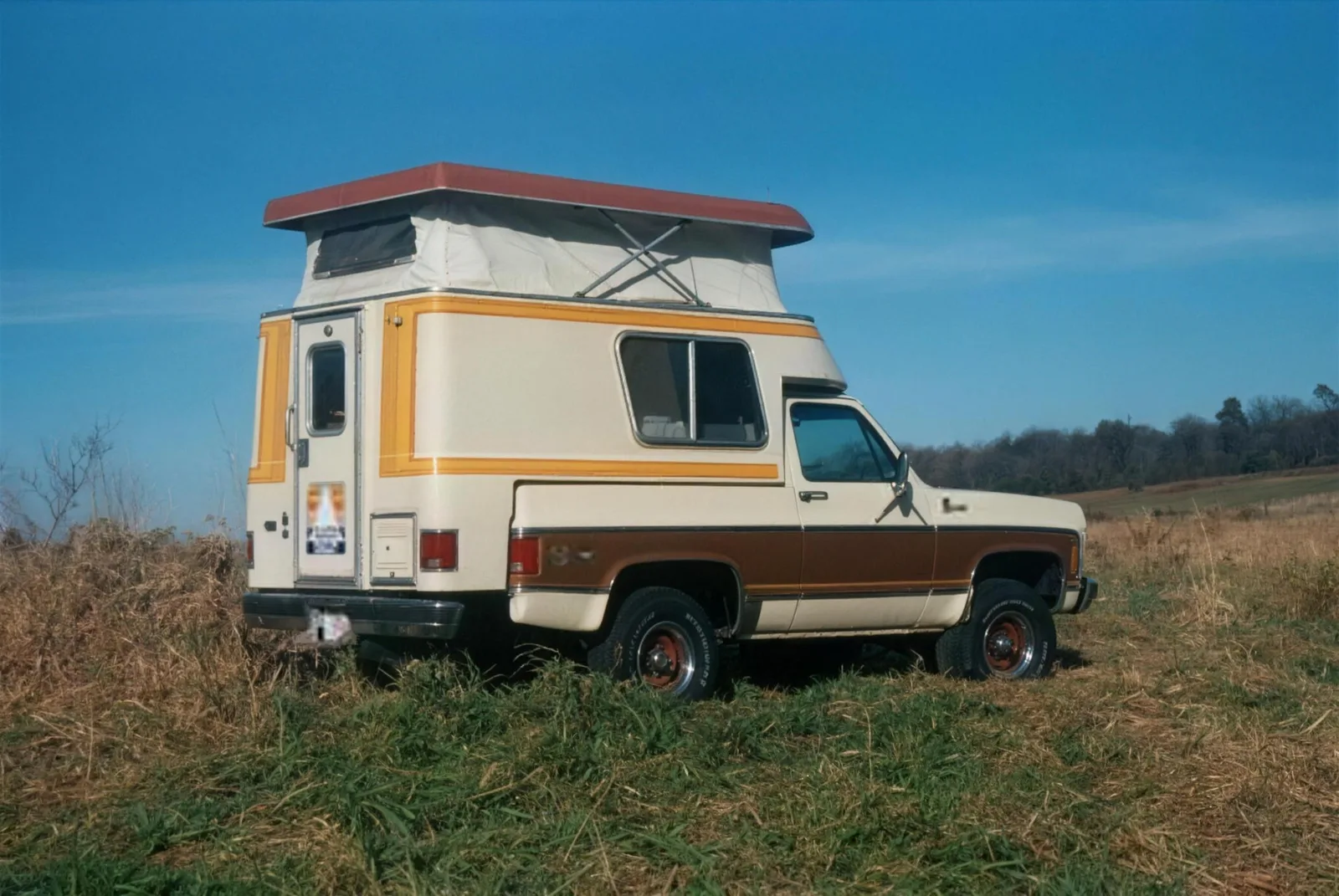
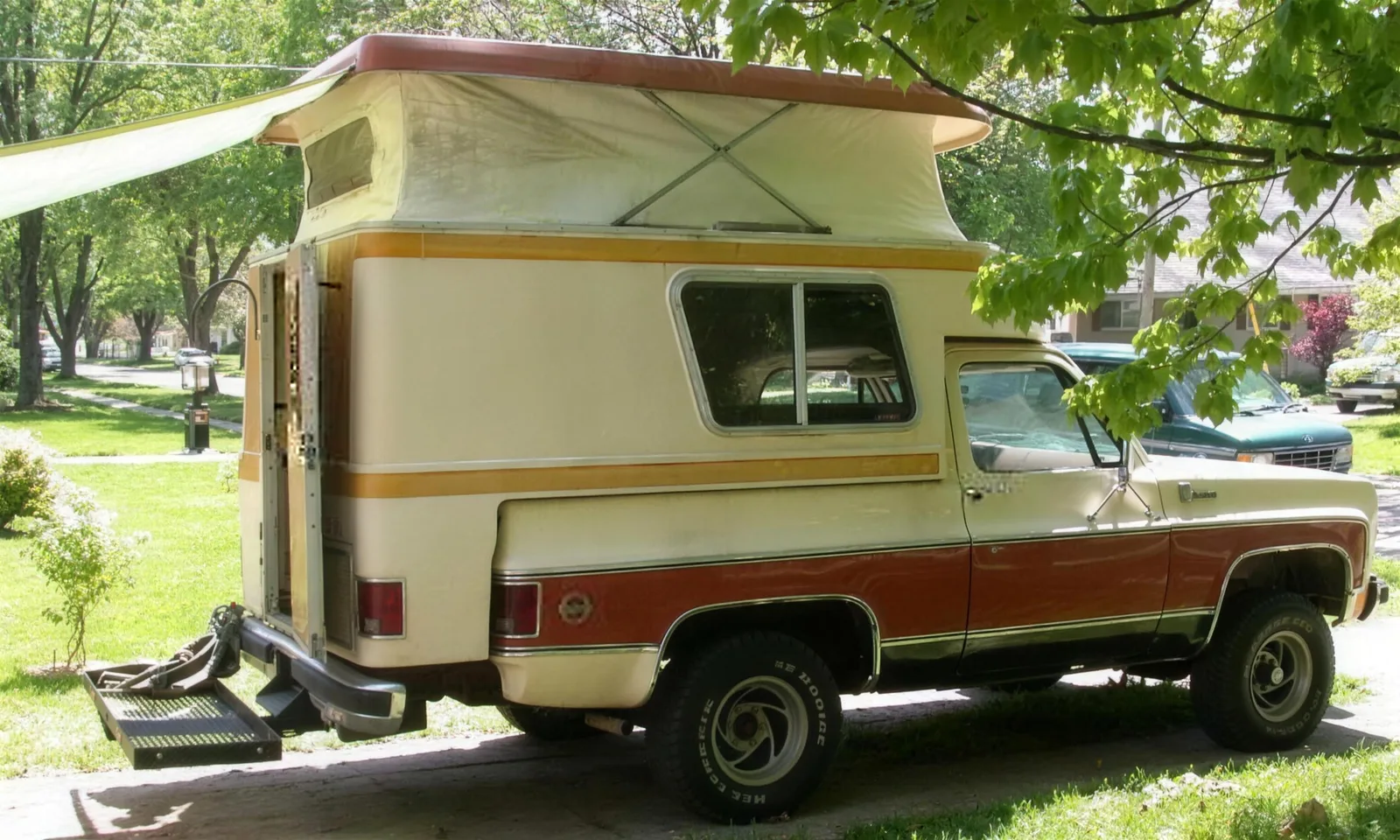
A base K5 Blazer is common enough that condition and drivetrain do most of the talking in a valuation. The Chalet complicates that model because the rarity sits in a part that most buyers never think to check: the roof and the interior conversion. The pop-top roof raised to give standing headroom in the rear, and the factory-style camper kit added a small galley with a sink and two-burner stove, an icebox, a dinette table, and beds that folded down for sleeping up to four. None of that is structural in the way a frame or a floor pan is, which is exactly why it disappeared so easily. Owners who wanted a plain work truck or a weekend off-roader had every incentive to strip the camper hardware and, in some cases, the roof itself.
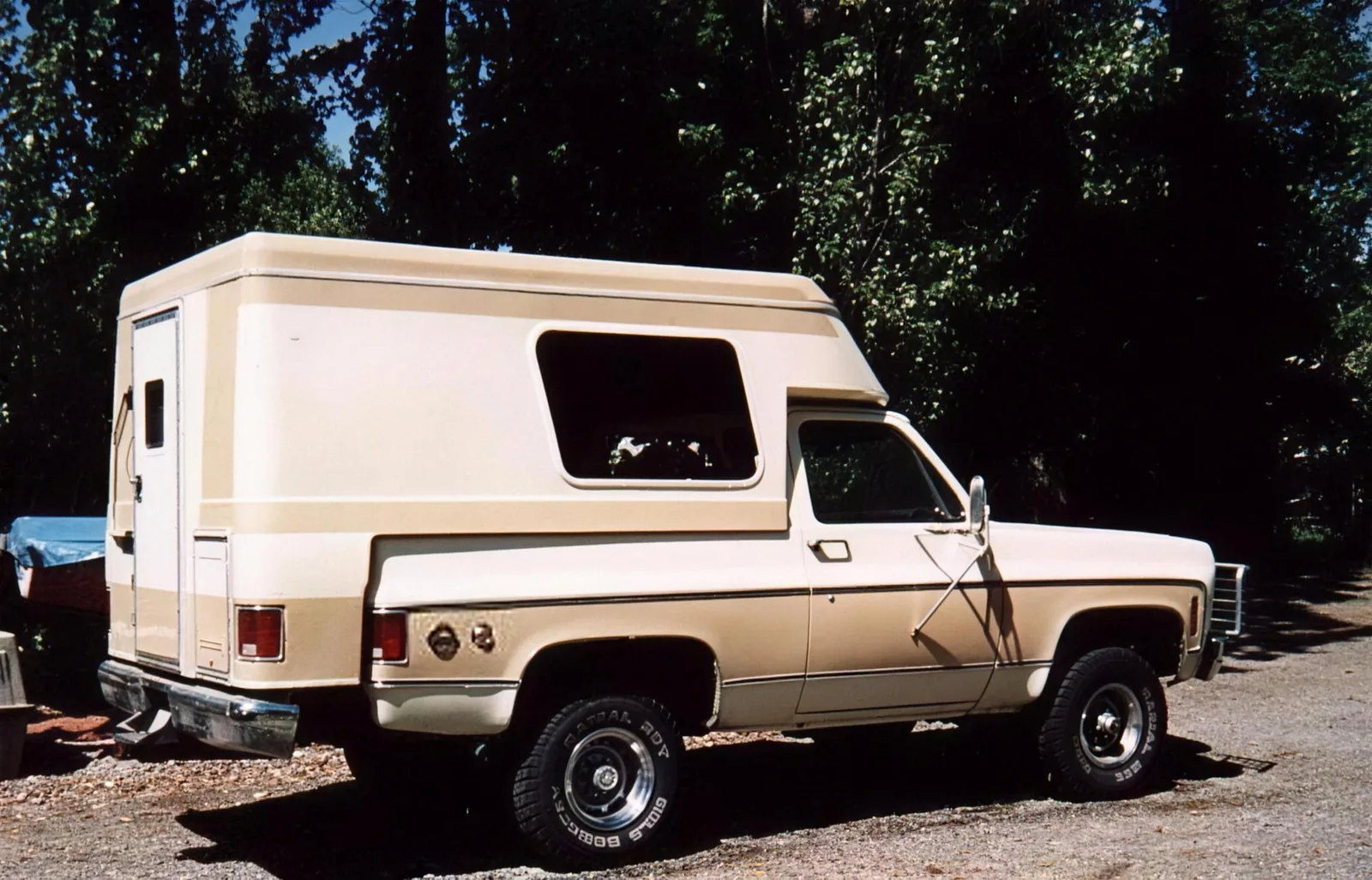
That is the appraisal problem in one sentence. A Blazer with the Chalet badge but a replaced roof is not the same asset as one with its original camper cap intact, and the paperwork rarely makes the distinction obvious. I have looked at trucks advertised as Chalets that were, on inspection, standard K5 Blazers with a similar-looking topper added decades later. The premium belongs to the real thing, not the impression of it.
Why so few survived intact
Three forces worked against the Chalet package staying original. First, it was a niche order to begin with, aimed at buyers who wanted a compact camper rather than a full-size van or truck camper, which was already a smaller market than the mainstream Blazer buyer. Second, the fiberglass cap and interior components were not particularly durable against Midwest winters, road salt, and the general abuse a 1970s four-wheel-drive truck saw in daily use. Third, and this is the one appraisers underweight, there was no collector market for camper conversions until fairly recently. For most of the Chalet's life, nobody was paying a premium to keep one stock, so there was no financial reason not to modify or discard the parts that made it unusual.
The result is a survivor population that skews toward trucks either preserved by an owner who happened to care, or trucks that sat unused long enough to avoid the modifications that would have erased their identity. Neither path produces a large number of candidates.
Reading a survivor for authenticity
When I evaluate a Blazer presented as a Chalet, the roof gets more scrutiny than the drivetrain. Seam quality, mounting hardware, and any evidence of a later-added topper all matter more here than they would on a standard truck, where the engine and frame usually carry the valuation conversation. Interior hardware, even partial, adds real weight to an appraisal because so few trucks retain any of it. Documentation, a factory order sheet, a period dealer invoice, or contemporaneous photos, closes the gap between "looks right" and "is right," and for a package this obscure, that gap is where most of the risk sits.
Buyers researching the model tend to start with our k5 blazer chalet retrospective, which lays out the package's history in more depth than a rarity discussion alone can cover. For anyone weighing what a documented example is actually worth in today's market, a related story walks through recent sales and the premium condition and paperwork command.
What rarity actually buys you
Rarity by itself is not a value driver, it is a risk multiplier in both directions. A genuine, well-documented Chalet is harder to price because there are fewer comparable sales to lean on, which can work for a seller who finds the right buyer and against one who does not. It also means liquidity is thinner than for a standard K5 Blazer. You are not selling into a deep pool of Chalet-specific buyers, you are selling into the broader K5 Blazer market and hoping enough of those buyers care about the camper history to pay for it.
"A rare option is only worth a premium if enough buyers know what it is. With the Chalet, half the job is proving the truck is what the seller says it is before you even talk price."
- Marcus Feld
My honest read is that the Chalet rewards patience more than urgency. Trucks that are genuinely original and documented are worth chasing, but the population is thin enough that a buyer should be prepared to wait for the right one rather than stretch for the first one that comes up. For those ready to look at K5 Blazers more broadly while that search plays out, K5 Blazers for sale now is a reasonable place to start, even if most listings there will be standard trucks rather than surviving Chalets.
The bottom line for buyers and sellers
If you are selling a documented Chalet, do not let a quick offer talk you out of proving the truck's history first, the paperwork is doing real work on the price. If you are buying, treat any unverified Chalet claim as a standard K5 Blazer until proven otherwise, and price your offer accordingly. The rarity is real, but it is fragile in the sense that it depends entirely on originality that was never protected or tracked at the time. That is what keeps this a small, careful corner of the K5 Blazer market rather than a headline category.
How I would appraise one, step by step
In practice, I walk a Chalet appraisal in a fixed order, because doing it out of order tends to bias the number upward before the risk gets weighed. I start with the roof, physically checking seams, mounting points, and fiberglass condition against what a factory installation should look like, not against what a well-executed later addition might look like. Then I move to interior hardware, cataloguing what is original, what is missing, and what has been replaced with parts that only approximate the originals. Only after that do I look at the drivetrain and body condition the way I would on any other K5 Blazer. Doing the camper-specific work first keeps me from anchoring on a number the roof and interior cannot actually support.
None of this makes the Chalet a bad category to buy into, it just means the appraisal work has to be more rigorous than it would be on a mainstream K5 Blazer, where condition alone tells most of the story. Buyers who put in that extra diligence tend to end up with trucks that hold their value, because they were priced against reality rather than against a seller's optimistic framing of a rare option. Sellers who invest in documenting their truck properly, even informally, before listing it usually see that effort pay for itself in a faster, cleaner sale. In a market this thin, the appraisal itself becomes part of the truck's value, not just a formality attached to it.
Sources and notes
Related Reading
Have a
Chevrolet Blazer
for Sale?
Reach thousands of serious classic car collectors across the US.
Sell It Here →
Selling a classic? Here's how: compare the places to sell classic cars
Are You a Classic Car Dealer?
List your full inventory and connect with targeted classic car buyers.
Join as a Dealer →
#rarity
#classic truck appraisal
#chevrolet k5 blazer
#k5 blazer chalet
#squarebody Blazer
#camper conversion

About the author
Marcus Feld
Accredited collector-car appraiser who reads the market through hammer prices, condition tiers and risk.
Related Listings - Chevrolet Blazer




Comments (1)
T
Tammy R.
3 days ago
Fiberglass caps crack at the mounts first. Seen a few patched with house caulk.