
Ask three appraisers what a K5 Blazer Chalet is worth and you will likely get three different numbers, because the sales data on this specific camper package is thin enough that everyone is extrapolating from a small set of comps. That is not a knock on the package, it is just the reality of pricing something this obscure. What follows is a data-first read on where Chalet values actually sit, based on what has publicly traded and what condition and documentation do to the number.
Car Features
7 min read
What a Surviving Blazer Chalet Is Worth
A data-first look at K5 Blazer Chalet values, why documentation moves the price more than condition, and a straight buy or no-buy read for today's market.
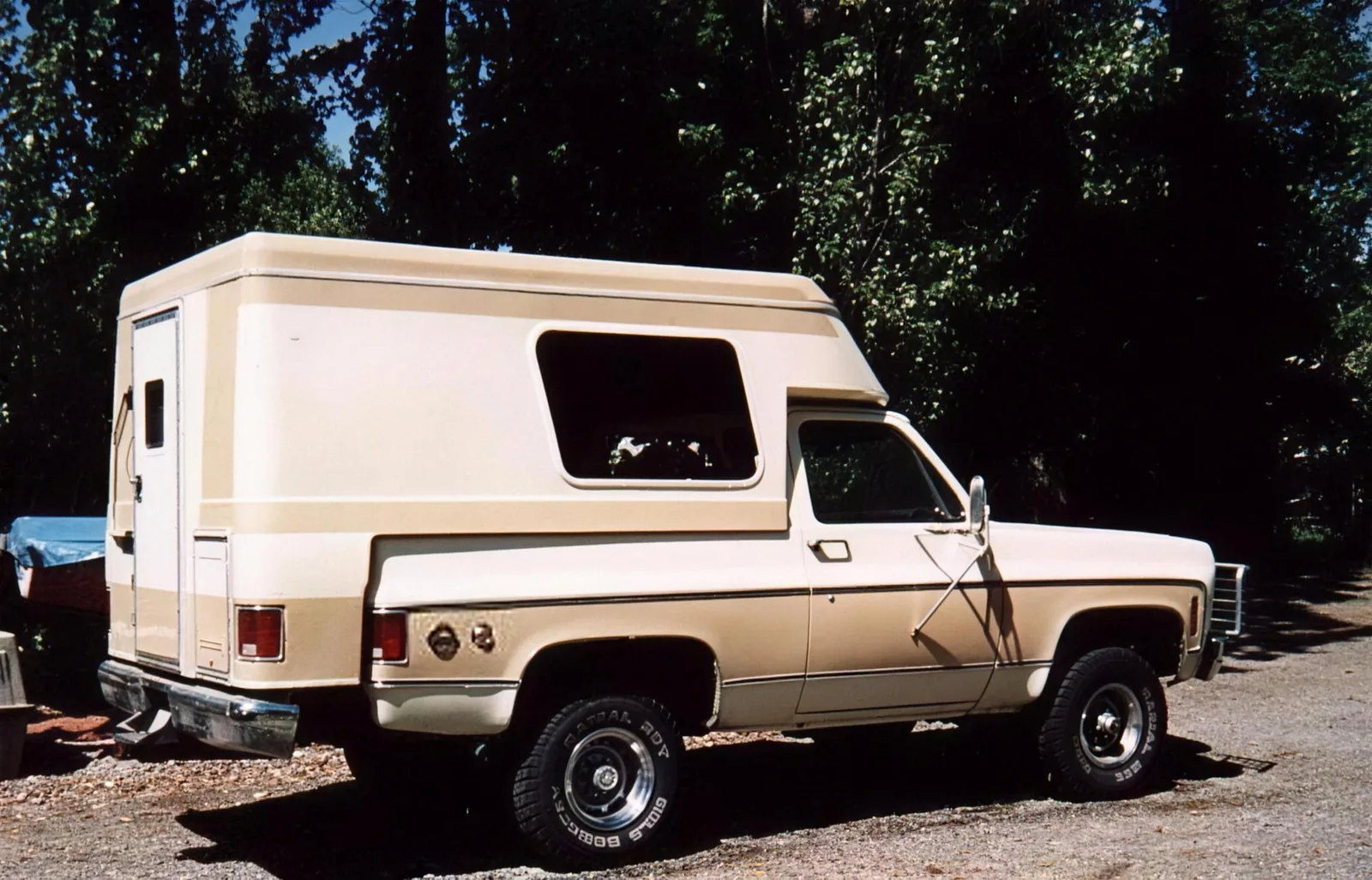
Photo courtesy of blazerchalet.com
Where a standard K5 Blazer sits before the Chalet premium
Start with the baseline. A clean, running squarebody K5 Blazer without any special package generally trades in a range driven mostly by body condition, drivetrain originality, and whether the frame shows serious rust. Project trucks sell for a fraction of that, and concours-level restorations sell for a multiple of it. The Chalet package sits on top of this baseline as a modifier, not a separate market, because buyers are still fundamentally shopping K5 Blazers. The camper history either adds to that number or it does not, depending entirely on what survives.
| Condition tier | What it typically includes | Value impact vs. a standard K5 Blazer |
|---|---|---|
| Full Chalet, documented | Original roof, interior hardware, paperwork or period photos | Meaningful premium over a standard truck, though the comp set is too thin for a reliable percentage |
| Roof only, interior removed | Camper cap present, galley and dinette gone | Modest premium over a standard truck |
| Undocumented claim | Seller says Chalet, no roof or paperwork to confirm | Priced as a standard K5 Blazer |
| Roof replaced or replica | Non-original topper resembling the Chalet cap | No reliable premium, buyer beware |
Why documentation moves the number more than condition does
On most classic trucks, mechanical condition and body integrity drive the bulk of the valuation swing. On a Chalet, documentation does more work than a fresh paint job. A truck with a rough but original camper interior and a period dealer invoice will often out-price a cosmetically nicer truck with an unverified Chalet claim, because the buyer pool for this package is small and cautious. Nobody wants to pay a premium for a story that cannot be backed up, and word travels fast in a niche this size. Read the background on how the package was built and sold in the first place, since knowing what an original Chalet should look like is the first step in judging whether a given truck's claim holds up.
What actually moves at auction and what sits
Trucks that sell quickly tend to share two traits: clear provenance and a price that respects the K5 Blazer's broader market rather than trying to charge a steep, unsupported premium for the camper option alone. Sellers who list a Chalet at a price built around rarity alone, without adjusting for the fact that most buyers are still cross-shopping regular K5 Blazers, tend to sit unsold longer and eventually reprice down. The camper history is a real value driver, but it is additive to the underlying truck's worth, not a replacement for it. A rough truck with a great camper story is still a rough truck.
The buy or no-buy call
My read on Chalet values right now is straightforward. If a truck has strong documentation and the roof and at least some interior hardware are original, it is worth paying a real premium for, and I would call that a buy at a fair asking price because the population is only going to shrink. If the Chalet claim rests on the seller's word and a resemblance rather than paperwork or intact hardware, treat it as a standard K5 Blazer purchase and do not pay extra for the story. That is not cynicism, it is just where the evidence points given how thin the confirmed comp set is.
"The number that matters is not what a Chalet sold for last year, it is what the specific truck in front of you can actually prove. Everything else is a guess dressed up as a comp."
- David Mercer
What this means if you are shopping right now
For buyers who want a documented Chalet, patience beats urgency, because forcing a purchase on a thin market usually means overpaying for an unverified claim. For buyers who are open to a standard K5 Blazer and would simply be happy to find one with genuine Chalet history along the way, the search gets easier. Either way, find a classic K5 Blazer and treat any camper claim as a bonus to verify rather than a price justification to accept at face value. The trucks that hold their value best in this niche are the ones where the paper trail and the hardware agree with each other, and that discipline matters more here than in almost any other corner of the K5 Blazer market.
How I model the numbers when the comp set is this thin
With so few confirmed Chalet sales to work from, I lean on a blended approach rather than trying to force a single number out of a handful of data points. I start with the baseline K5 Blazer value for a given truck's condition and drivetrain, then layer on a documented-premium range built from the sales I can actually verify, discounting any comp where the Chalet claim itself was not independently confirmed. That means my number for a given truck is really a range, not a point estimate, and I tell clients that up front rather than pretending more precision exists than the data supports. A wide range built on solid comps is more useful than a narrow range built on comps that might not even be real Chalets.
I also weight recency heavily. A sale from several years ago tells you less about today's market than a recent one, partly because collector interest in factory camper packages has been rising as a category, and partly because the pool of buyers who understand what a Chalet actually is has grown as more of this history gets documented and shared. A truck that might have sold as a curiosity a decade ago is more likely today to sell to a buyer who specifically sought it out, and that shift shows up in the numbers even without a large sample size to prove it statistically.
| Factor | Effect on price confidence |
|---|---|
| Verified dealer invoice or build sheet | Raises confidence significantly |
| Original roof, no interior hardware | Moderate confidence, moderate premium |
| Recent comparable sale (within 2 years) | Higher weight in valuation |
| Seller claim only, no supporting evidence | Low confidence, price as standard K5 Blazer |
None of this changes the core advice. Buy documentation, not stories, and let the thinness of the comp set make you more careful rather than more willing to guess. That is how you avoid overpaying in a market where the next comparable sale might not happen for a year or more.
Sources and notes
Related Reading
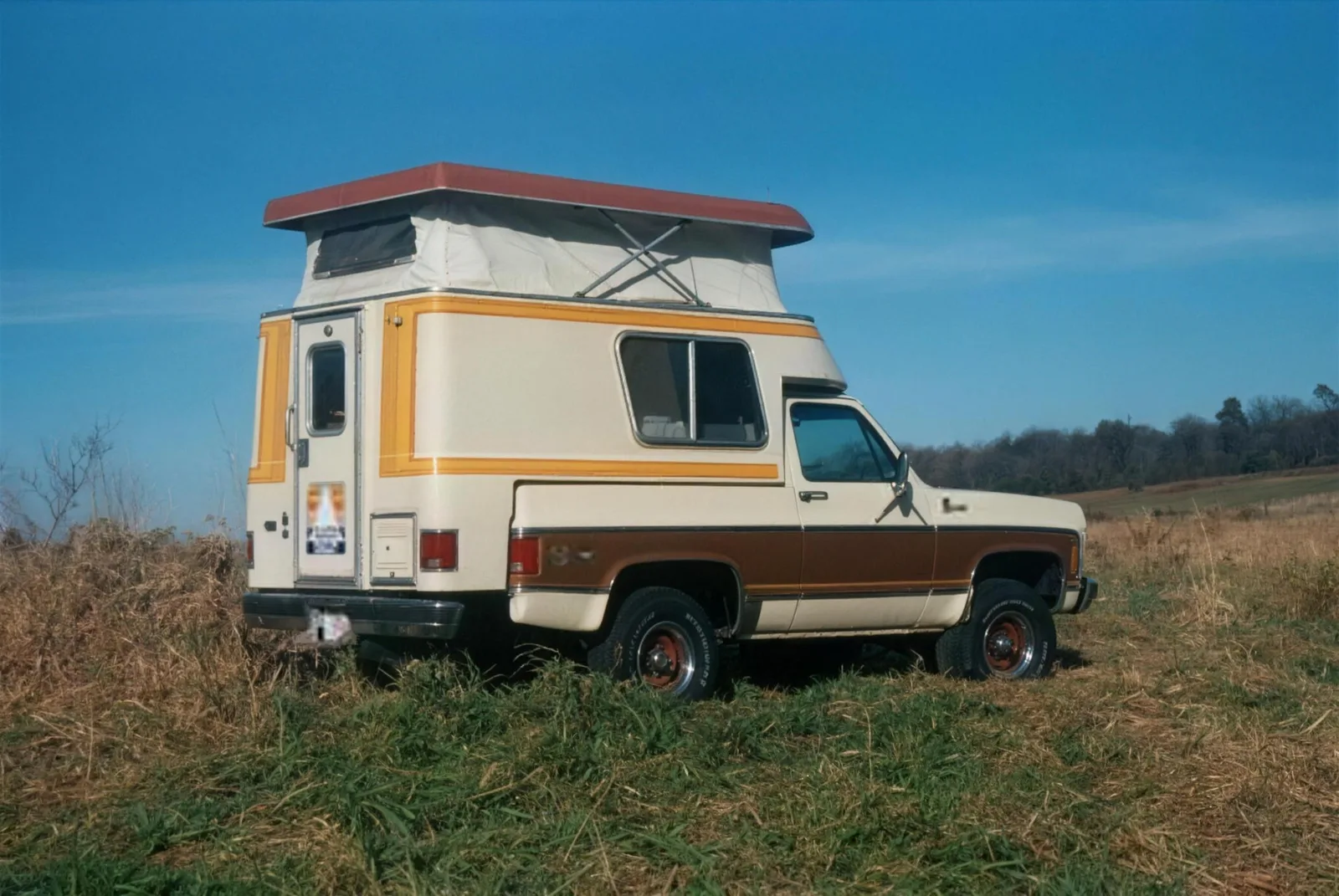
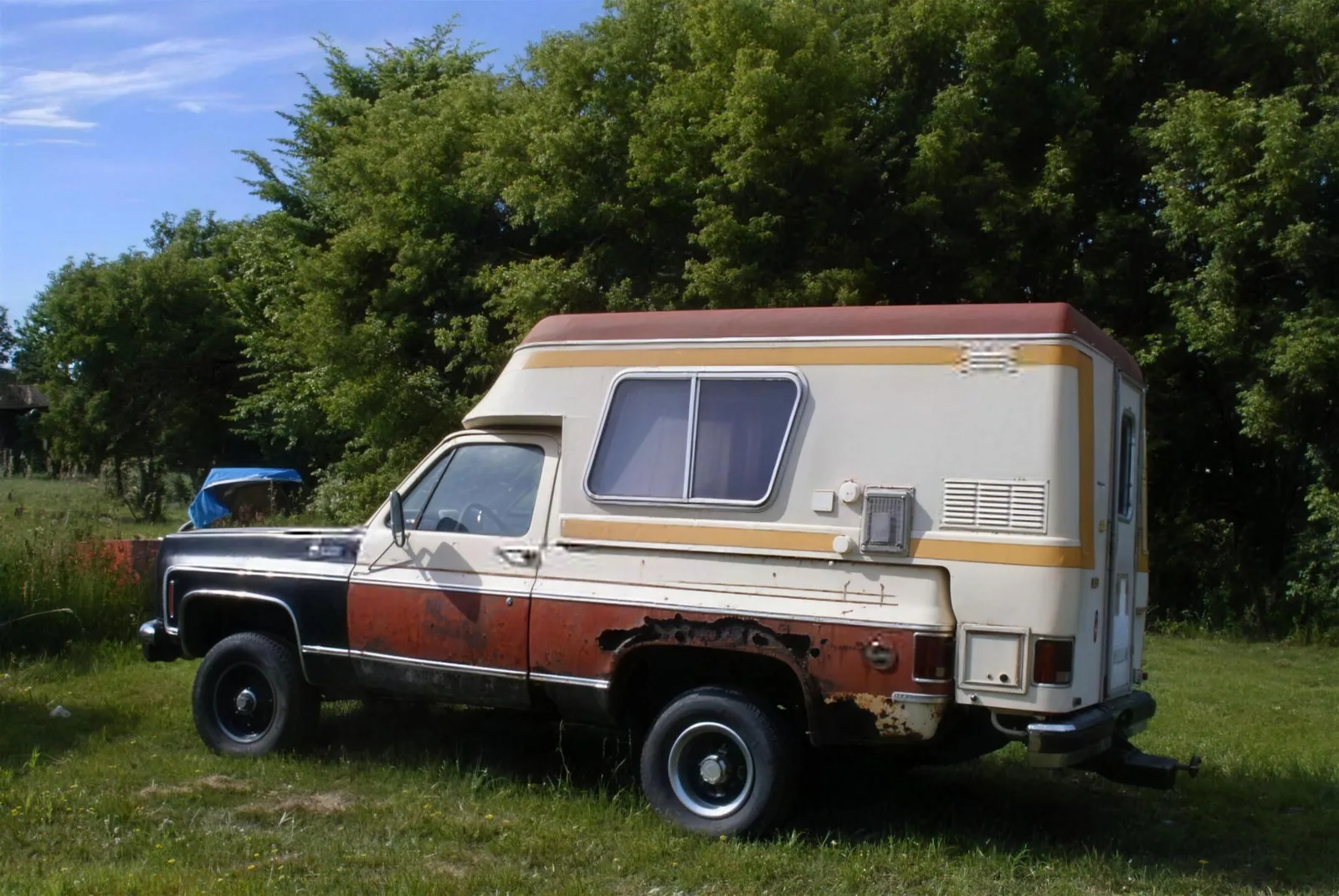
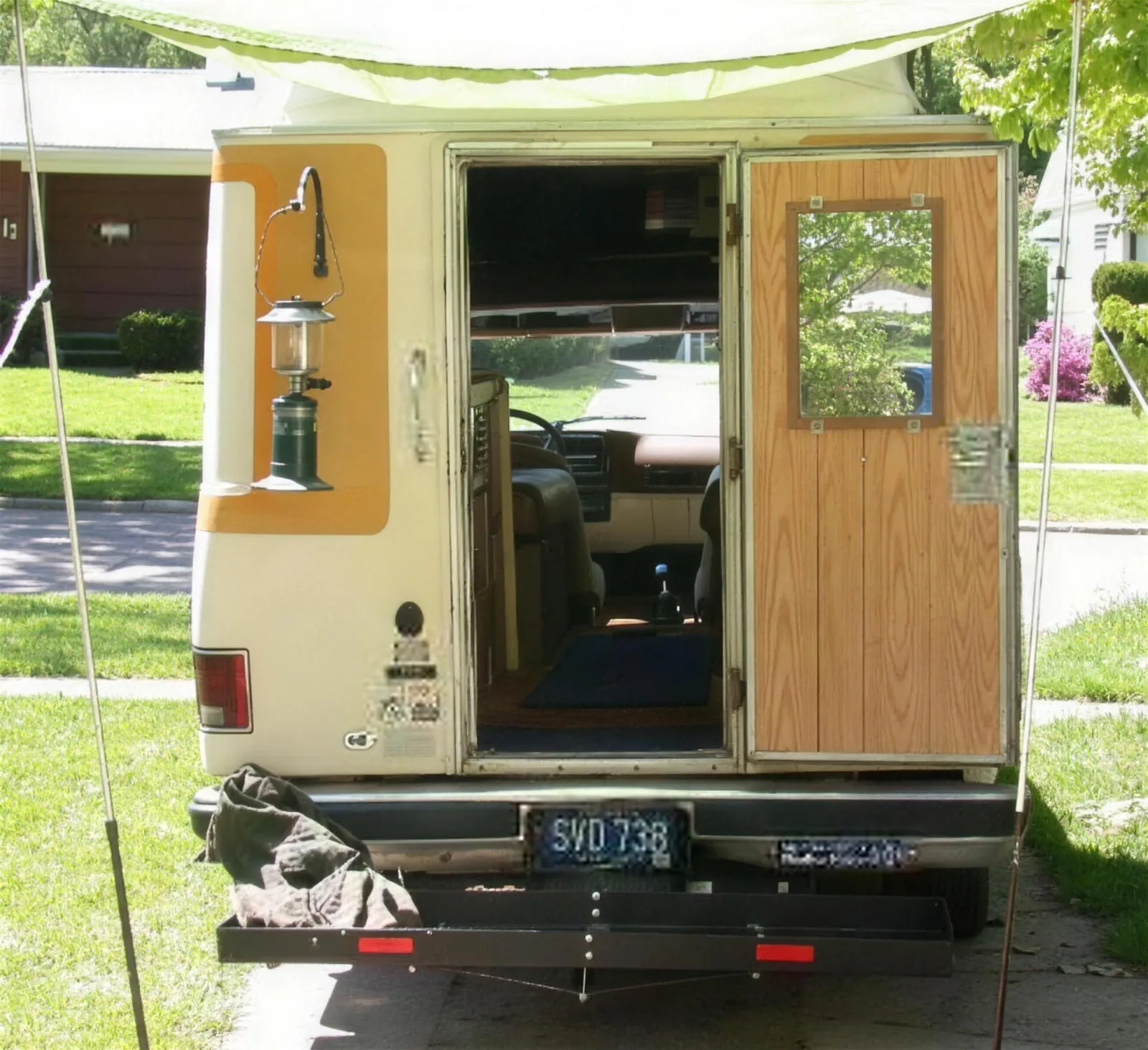
Have a
Chevrolet Blazer
for Sale?
Reach thousands of serious classic car collectors across the US.
Sell It Here →
Selling a classic? Here's how: the best sites to sell a classic car
Are You a Classic Car Dealer?
List your full inventory and connect with targeted classic car buyers.
Join as a Dealer →
#Auction Results
#market analysis
#classic truck values
#chevrolet k5 blazer
#k5 blazer chalet
#camper conversion

About the author
David Mercer
Classic car market analyst with two decades of experience tracking collector car valuations, auction results, and investment trends.
Related Listings - Chevrolet Blazer




Comments
Be the first to comment on this article.