
Every club has a guy with a Chalet story, and ours is no different. Ours is a member who found his sitting behind a barn for the better part of two decades, roof intact but sunk into the ground on flat tires, and who spent the better part of five years bringing it back not as a museum piece but as a truck his kids could actually camp out of. That is the version of the K5 Blazer Chalet restoration story worth telling, not a parts list, but what it actually means to bring one of these back when so few people even remember what a correct one looked like.
Car Features
6 min read
Restoring a Blazer Chalet as a Passion Project
A club member's years-long K5 Blazer Chalet restoration shows why bringing one of these back is as much a research project as a mechanical one.
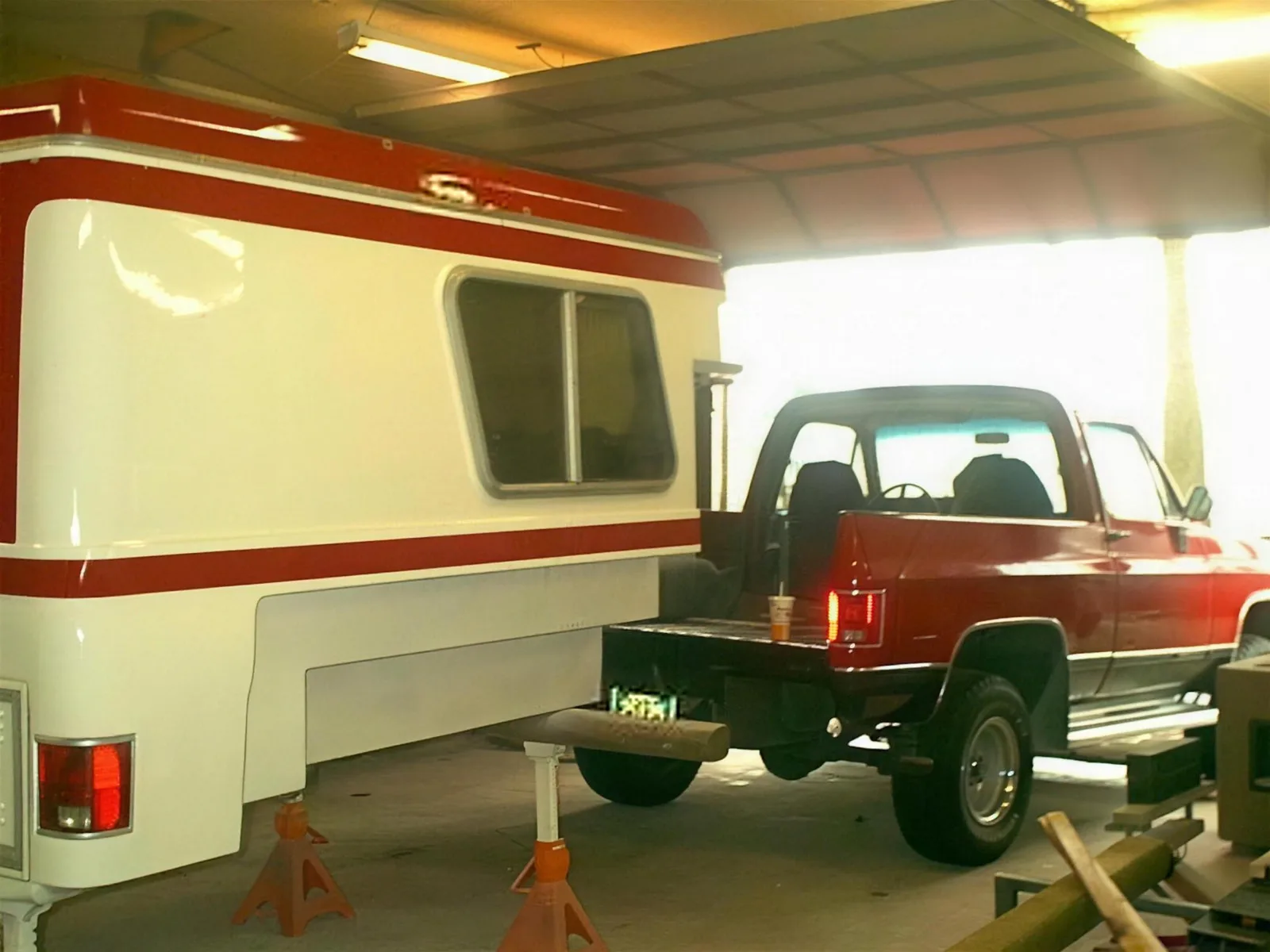
Photo courtesy of blazerchalet.com
The hardest part is not the truck, it is the research
Ask anyone who has taken on a Chalet project and they will tell you the same thing before you even ask about rust or engine work. The hard part is figuring out what correct looks like in the first place. A standard K5 Blazer restoration has decades of documentation, parts catalogs, and other finished trucks to reference. A Chalet restoration means tracking down period photos, old dealer literature if you can find it, and comparing notes with the handful of other owners who still have original interior pieces to photograph. Our member spent nearly as long researching the correct dinette layout and cabinetry as he did on the mechanical side of the project, because getting the camper details wrong would have meant finishing a truck that looked like a Chalet from a distance but was not actually one up close.
Why the roof is the make-or-break decision
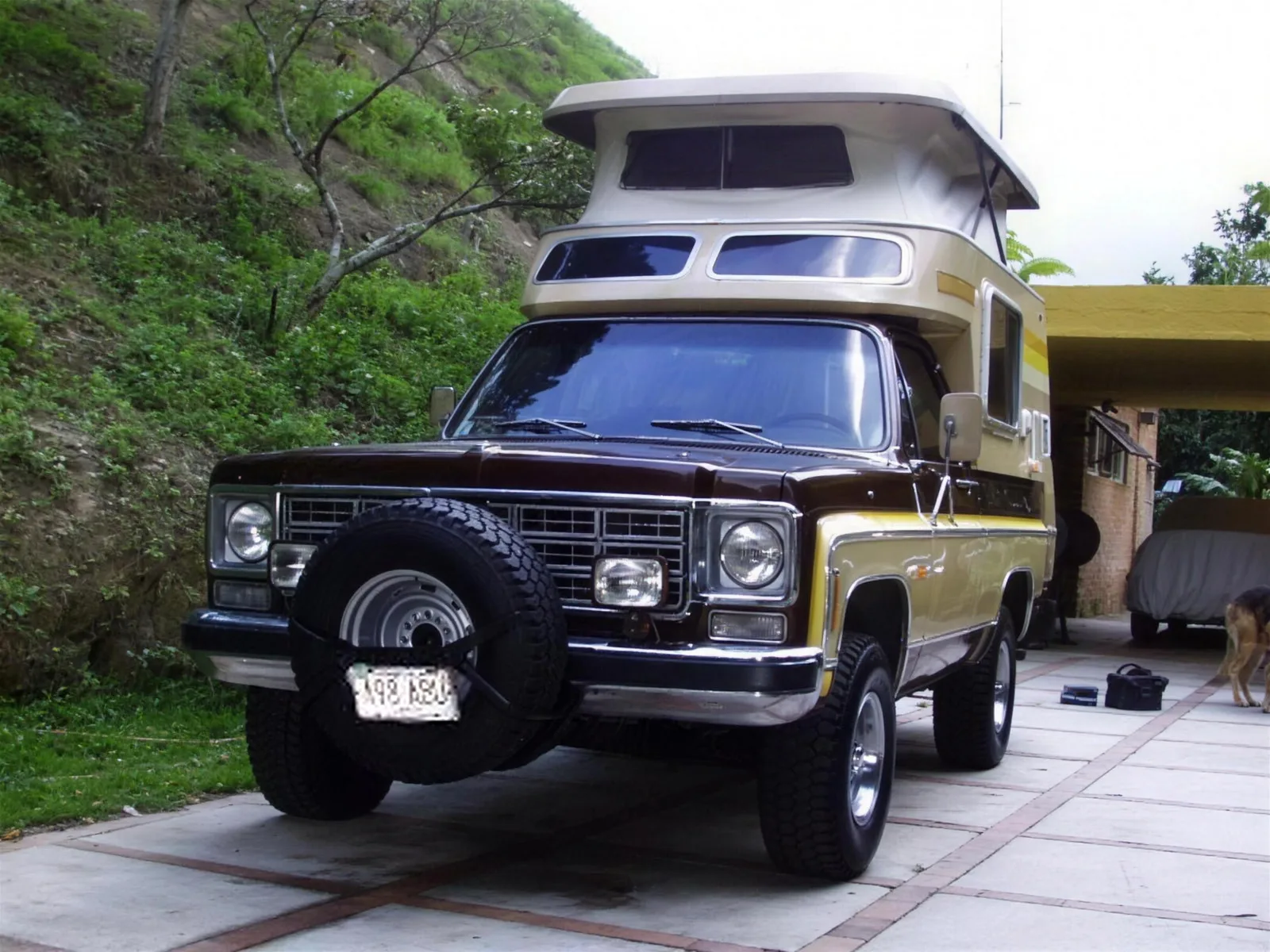
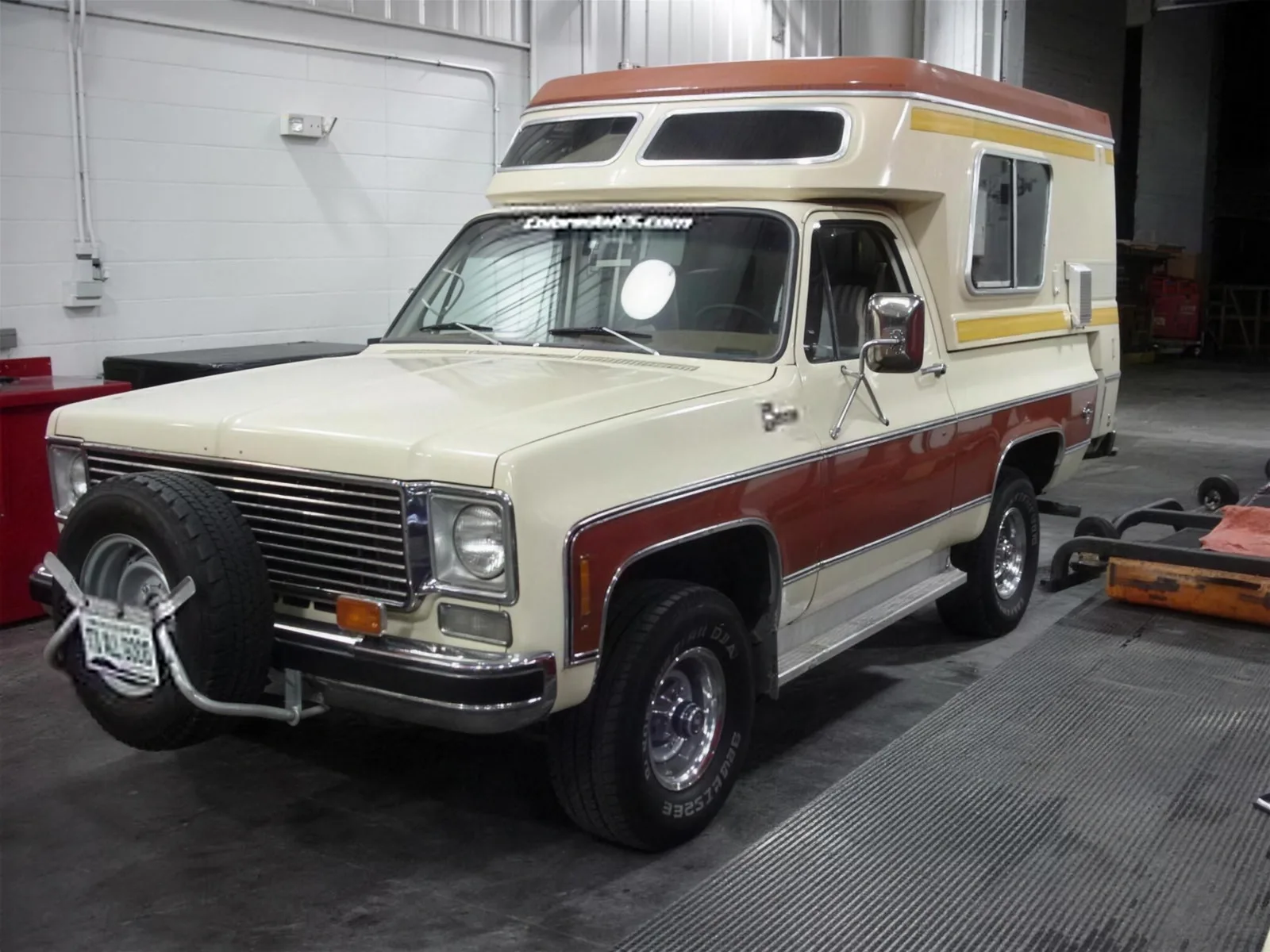
On most restorations, the biggest early decision is how far to take the mechanical rebuild. On a Chalet, the biggest early decision is what to do about the roof, because a compromised or missing camper cap changes the entire scope of the project. Our member was fortunate that his truck's roof, while rough, was original and salvageable, which meant the project stayed a restoration rather than becoming a recreation. Owners who start with a truck missing its camper roof entirely are taking on a much larger and more uncertain project, one where the goal shifts from bringing something back to essentially rebuilding a piece of history from scattered references. That is a valid choice, but it is a different project with different expectations, and going in honest about which one you are actually doing matters more than people expect at the start.
What the club learned watching this project unfold
The thing that struck the rest of us watching this restoration was how much patience it demanded compared to a standard truck project. There was no rushing the interior research, no ordering a reproduction part off a shelf because none exist for most of the camper-specific hardware. Progress happened in fits and starts, a good lead on a period photo here, a stalled month there waiting to track down a detail nobody could confirm. It was a reminder that restoring something this uncommon is as much about documentation work as it is about wrenching, and that the two have to happen together rather than one after the other. The full story on how the Chalet package came to exist in the first place is essential reading for anyone taking on a project like this, because you cannot restore something correctly without understanding what Chevrolet actually built.
What finishing the project actually meant to him
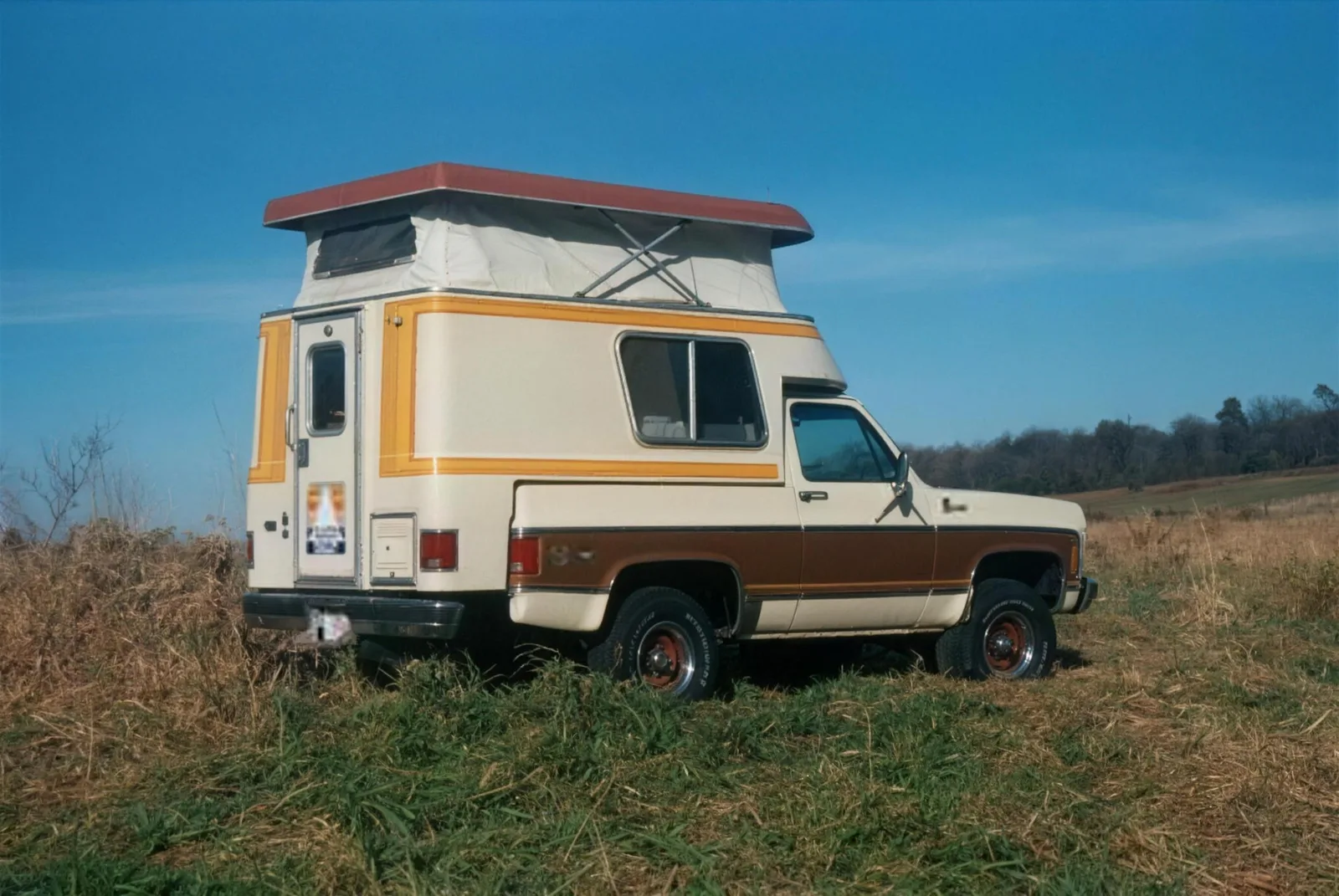
When the truck finally rolled again under its own power, camper roof reinstalled and interior functional, it was not the mechanical milestones that got the biggest reaction from him. It was the first weekend he actually took his family camping in it, the same way a family might have done in 1976. That, more than the paint or the drivetrain, was the point of the whole project. He was not chasing a trophy, he was chasing an experience that the truck was originally built to provide and that had been sitting dormant behind that barn for twenty years.
"Everybody in the club has restored a regular truck. Not many of us have had to become historians just to know what we were putting back together. That is what made this one different."
- Wayne Coburn
What this means for the next person considering it
If you are thinking about taking on a Chalet restoration, the lesson from watching this one unfold is simple. Budget more time for research than you think you need, be honest with yourself about whether you are restoring or recreating based on what actually survives on your truck, and lean on the small community of people who care about this exact package, because the parts catalogs will not get you there alone. For anyone drawn to the idea after hearing a story like this, keeping an eye on classic K5 Blazer for sale listings is a reasonable way to start looking, knowing full well that finding a genuine Chalet candidate takes patience the search itself will test.
What surprised him most about the process
Talking to him after the fact, the thing that surprised him most was not any single technical challenge, it was how much the project changed his relationship to the truck's history along the way. He started out wanting to fix up an interesting old rig he found behind a barn. By the end, he had become something closer to a local authority on the Chalet package itself, fielding questions from other owners who found him through club channels once word got around about what he had done. That shift, from restorer to informal historian, is not something most standard truck projects produce, but it happens naturally when a project is rare enough that finishing it well means becoming one of the few people who actually understands the details.
What the rest of the club took away from watching
For the rest of us in the club, the project became a kind of reference point whenever someone else considers taking on something similarly obscure. It set expectations honestly. Do not assume this will move at the pace of a standard truck build, do not assume parts will simply exist when you need them, and do not assume the internet has already documented everything worth knowing. What it will give you, if you stick with it, is a truck that very few other people can claim to own and understand as completely as you will by the time it is finished. That trade, more time and more uncertainty for a genuinely rare result, is exactly the kind of project our club exists to support, and it is part of why this particular restoration still comes up in conversation long after the truck itself was finished.
Sources and notes
Related Reading
Have a
Chevrolet Blazer
for Sale?
Reach thousands of serious classic car collectors across the US.
Sell It Here →
Selling a classic? Here's how: the best sites to sell a classic car
Are You a Classic Car Dealer?
List your full inventory and connect with targeted classic car buyers.
Join as a Dealer →
#classic truck restoration
#car club stories
#chevrolet k5 blazer
#k5 blazer chalet
#squarebody Blazer
#camper conversion

About the author
Wayne Coburn
Longtime Corvette owner, judge and club figure who knows the cars, the records and the people behind them.
Related Listings - Chevrolet Blazer




Comments
Be the first to comment on this article.