
Somewhere in Southern California in the summer of 1971, a lifeguard's Blazer sat parked above the beach with the top already off before the sun cleared the bluffs, and by noon that same truck had ferried surfboards, a cooler, and half a dozen friends down to the water twice. Nobody photographed it for a brochure. Nobody needed to. The k5 blazer convertible top open air culture that grew up around Chevrolet's new truck did not come from a marketing department. It came from people who bought the thing and immediately started using it exactly the way the engineers had hoped.
Car Features
7 min read
The Open-Air Culture the K5 Top Created
From beach mornings to desert club meets, how the K5 Blazer's removable top turned a truck feature into a lasting community and a way of spending the weekend.
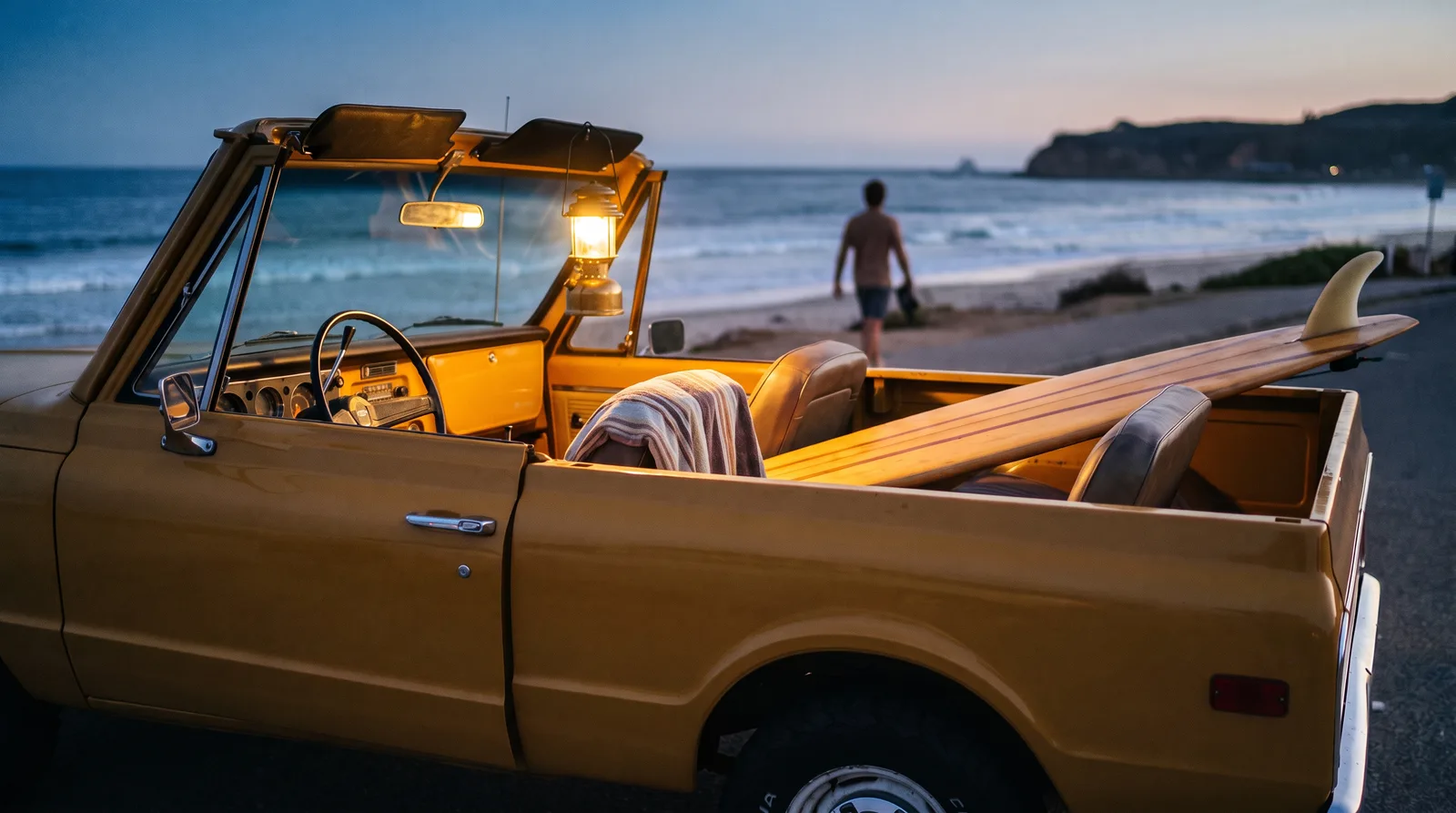
A truck that fit the decade it arrived in
Chevrolet launched the K5 Blazer in 1969, right as outdoor recreation was becoming a mainstream American pastime rather than a niche hobby for a dedicated few. Lake trips, desert runs, camping weekends, all of it was booming, and a truck that could go from enclosed daily driver to open-air hauler in the space of an hour fit that moment almost too perfectly. The removable top was not just a feature. It was an invitation to a lifestyle that a lot of buyers were already halfway toward living.
Surf culture picked it up fast on the coasts. Off-road clubs picked it up just as fast inland. The truck's toughness meant it could actually survive the terrain those communities cared about, and its open top meant it looked the part once it got there. Few vehicles of that era managed to serve both a practical need and a cultural moment at the same time as cleanly as the early Blazer did.
How the top shaped the way people actually drove
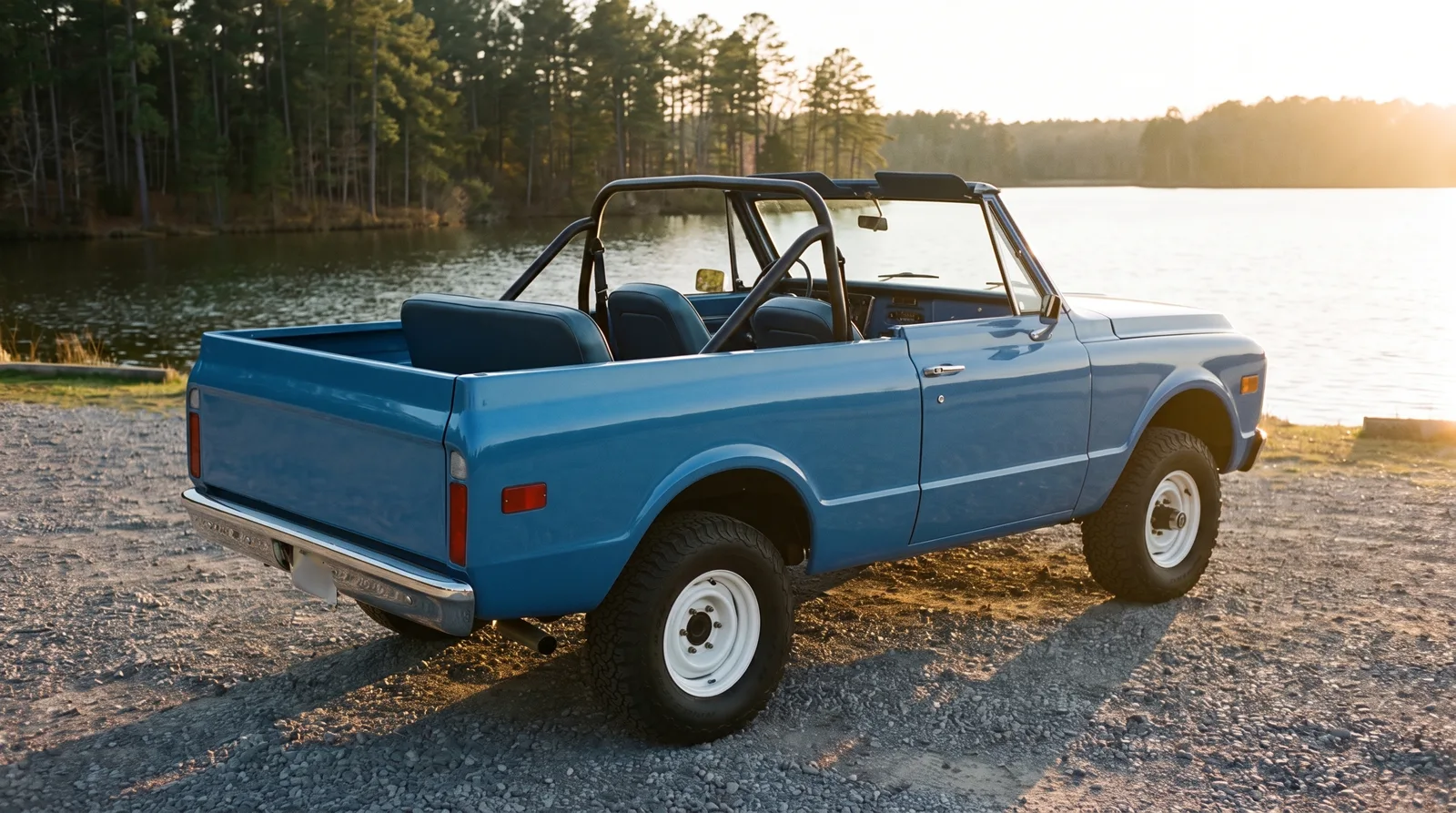
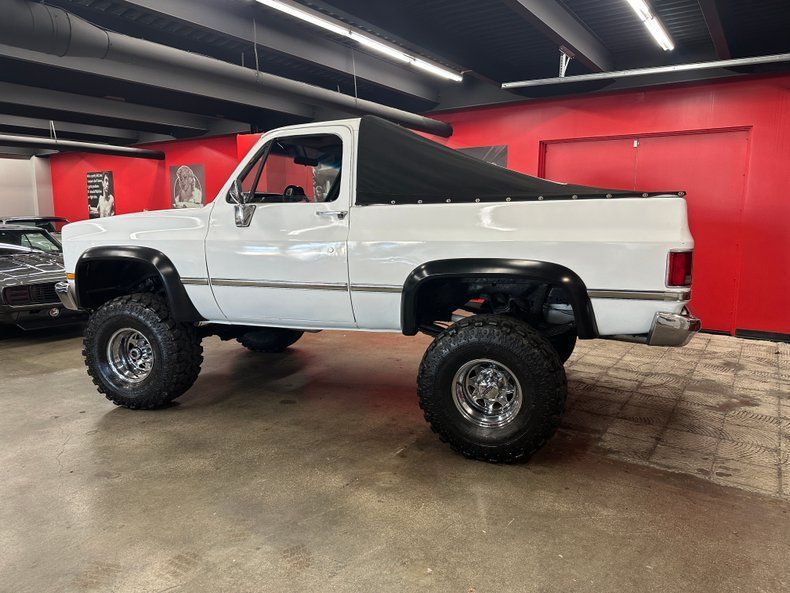
Owners talk about the top less as an accessory and more as a decision they made every time they got in the truck. Top on for the commute, top off for the weekend. That rhythm turned an ordinary vehicle into something closer to a ritual, a small act of choosing freedom that plenty of other trucks simply did not offer as an option. Photographs from the era, family albums more than magazine spreads, show the truck parked at trailheads and campgrounds with the top laid across the truck bed like a piece of furniture nobody was in a hurry to reinstall.
That casual relationship with the top is part of what separates the Blazer's open-air culture from something more performative. It was not about being seen with the top off. It was about the top actually coming off, regularly, because the truck was built to make that easy rather than ceremonial.
The club scene that formed around the design
By the mid-1970s, regional truck clubs had started forming specifically around Blazer and Jimmy ownership, trading tips at meets about top storage, weatherstripping, and where the best open-air routes in a given region actually were. These were not concours events in the early years. They were informal gatherings of people who had all made the same choice about how to spend their weekends, and the truck was simply the common thread that brought them together.
That community aspect outlasted the full-convertible design itself. Even after Chevrolet moved to the fixed-cab half-top for 1976, club culture kept growing around the nameplate, absorbing new owners who wanted a piece of the same open-air identity even if their particular truck only delivered part of it. The culture had become bigger than the specific mechanism that started it.
"You did not buy a Blazer with the top off to make a statement to anyone else. You bought it that way because it was Saturday and the ocean was twenty minutes away."
- Patrick Walsh
Music, movies, and the truck's cameo appearances
The open-top Blazer showed up in the background of enough period photography, film footage, and regional advertising to cement itself as a piece of visual shorthand for a certain kind of American freedom, sun, dust, an open bed full of gear. It rarely got the starring role that more glamorous convertibles received from Hollywood, but that supporting-cast presence is arguably more honest to how the truck was actually used. It was not a prop. It was parked in driveways and campgrounds across the country, doing exactly what its owners needed it to do that particular weekend.
Regional identity mattered too. A Blazer running the sand at a Southern California beach carried a different flavor than one climbing a fire road in Colorado or hauling hay in the Midwest with the top stowed for a dry afternoon. The truck's open-air culture was never a single monolithic scene. It was dozens of overlapping local scenes, each one interpreting the same basic invitation, take the top off and go do something, in whatever way made sense for the landscape right outside the driveway.
Why the culture still resonates with new owners today
Younger collectors coming to the K5 Blazer now are not just buying a truck, they are buying into a story that has been passed down through decades of club meets, family road trips, and beach parking lots. The open-air culture the original design created still shapes how people talk about these trucks at shows, in forums, and at trailheads, even among owners who never experienced the 1970s firsthand. Read the full story of how the top itself came to exist if you want the engineering behind the culture, but the culture is really the point people fall in love with first.
There is something durable about a vehicle that asked its owners to make an active choice every time they drove it. That small daily decision, top on or top off, built a community around itself almost by accident, and that community has outlived the specific design that started it by more than fifty years now.
If a piece of that history is calling to you, browse classic K5 Blazer listings and picture what your own version of that lifeguard's summer morning might look like. The trucks are older now, but the invitation the top extended has not changed one bit.
The lifeguard who owned that beach-town Blazer sold it sometime in the late 1980s, long before anyone thought to call it a classic. He told me once that he never regretted a mile he put on it. Every truck in this story eventually changes hands, but the culture built around taking the top off on a good morning has a way of getting passed along with the keys, whether the new owner realizes it yet or not.
That is the real inheritance here, more than any specific bolt pattern or panel gap. A generation of owners decided a truck could be furniture for adventure rather than just transportation, and every restoration, every club meet, every dusty photo album that surfaces at an estate sale keeps that decision alive for whoever picks it up next.
Sources and notes
Related Reading
Have a
Chevrolet Blazer
for Sale?
Reach thousands of serious classic car collectors across the US.
Sell It Here →
Selling a classic? Here's how: the best sites to sell a classic car
Are You a Classic Car Dealer?
List your full inventory and connect with targeted classic car buyers.
Join as a Dealer →

About the author
Patrick Walsh
Automotive journalist covering classic car shows, events, and the enthusiast community across North America.
Related Listings - Chevrolet Blazer




Comments
Be the first to comment on this article.