
Every shop I have worked in has had the same argument at least once a year, usually with a customer standing there holding a printout. The K5 Blazer convertible is real, it is not a marketing word, and it is not the truck most people think it is. Chevrolet built a genuine full-size four wheel drive with a roof that came off completely, sold it from 1969 through the 1975 model year, and then walked away from the idea. Everything after that is a half cab with a removable back section, which is a fine truck and a different animal entirely.
Car Features
11 min read
The K5 Blazer Convertible Top: The Full-Size Ragtop 4x4
From 1969 to 1975 Chevrolet sold a full-size four wheel drive with a roof that came off completely. Everything after 1976 is a half cab, and the difference is worth real money.
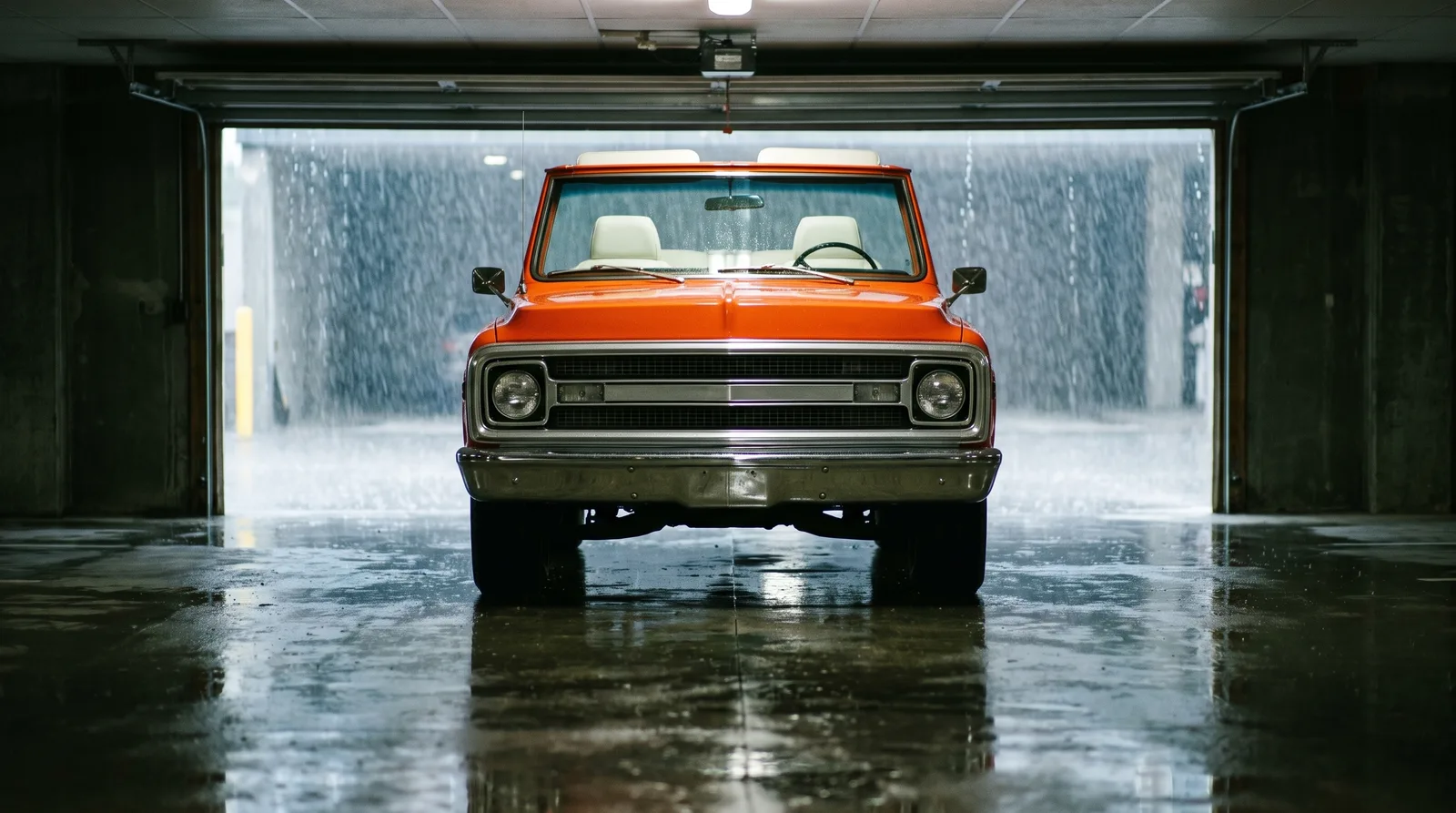
I care about this distinction for a working reason. When you strip a body down to bare metal, the two versions do not even want the same repairs, and the market pays very differently for them. So let me explain what the factory actually did, why it stopped, and how to tell a real one from a well told story.
What convertible meant on a K5
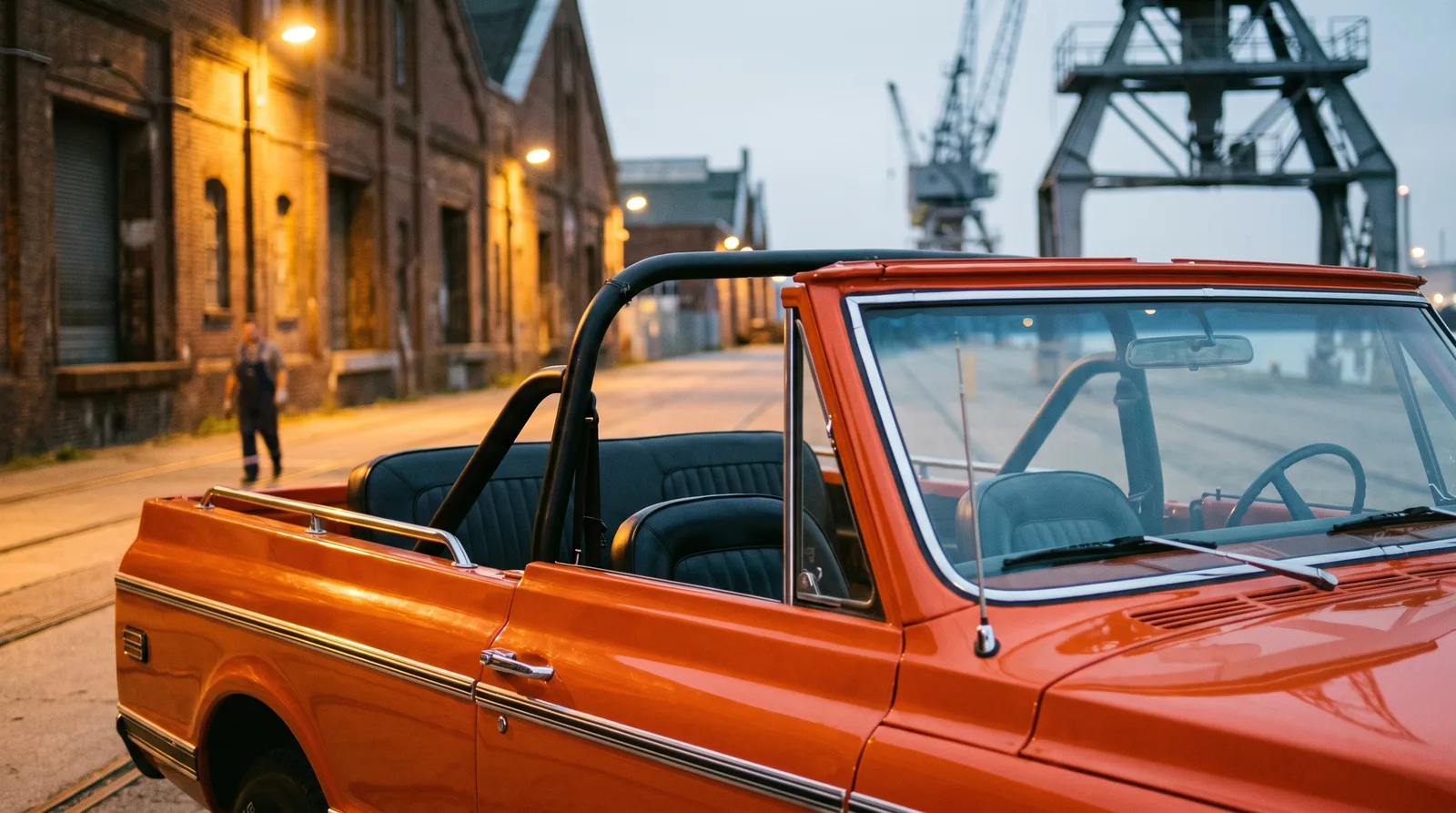
Forget the image of a folding soft top with a header latch. On a K5 Blazer convertible the entire roof structure aft of the windshield was a separate unit that unbolted. Take the fasteners out, lift, and you were left with a windshield, a cowl, doors and an open steel tub behind you. No B pillar. No roof rail. Nothing above your shoulders from the windshield header back to the tailgate.
That is why these trucks look so wrong in photographs to anyone raised on later models. The proportions go strange without the roof, because there is nothing left to give the eye a line. It also explains why the doors and the body itself had to carry loads that a roof would normally handle, and why the first generation earned a reputation for flex that anyone who has put one on a lift can confirm by watching the gaps move.
Chevrolet also offered a genuine factory soft convertible top as an alternative to the removable hardtop on the first generation truck, for buyers who wanted weather protection without the full hard unit, though survivors with original soft top hardware are genuinely rare now.
1969 to 1972, the top that needed four friends
The first generation is the purest version of the idea. The K5 launched for 1969 as a shortened C/K pickup with a full length lift off roof, four wheel drive only in the first year, and a mission statement borrowed from the Jeep and the Ford Bronco at a size neither of them could match.
The removal procedure was not a procedure so much as an event. The top was heavy, awkward and had no convenient handholds, and every long term owner developed a system involving sawhorses, a garage rafter, or a set of neighbors who were promised beer. Once it was off, storage became the next problem, because a full-size Blazer roof takes up roughly the same floor space as a small car.
Owners split into two camps within a year of buying one. The first camp took the top off in April and left it off until October, which meant living with sun, dust and the occasional soaking, and which produced the trucks that later rusted from the inside out. The second camp took it off exactly twice, decided the effort was not worth it, and unknowingly preserved the survivors we are all fighting over now. Almost every genuinely solid early convertible I have had in the shop belonged to somebody in the second camp.
None of that mattered on the first warm evening. There is nothing quite like a full-size truck with no roof at all, and the people who did it in 1971 have been trying to explain the feeling to their grandchildren ever since. If you want the wider arc of how this truck came to exist and where it went, our k5 blazer retrospective covers the whole run.
1973 to 1975, same idea on better bones
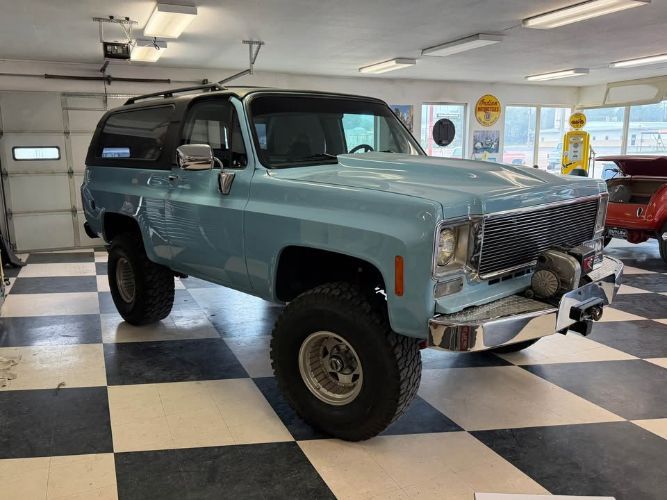
The second generation body arrived for 1973 and it kept the full removable roof for three model years. From a body man's point of view this is the sweet spot of the entire K5 Blazer convertible story. You get the drama of the first generation with a structure that was designed properly, a fixed windshield frame, real framed door glass and a cowl that does not twist every time you climb a driveway at an angle.
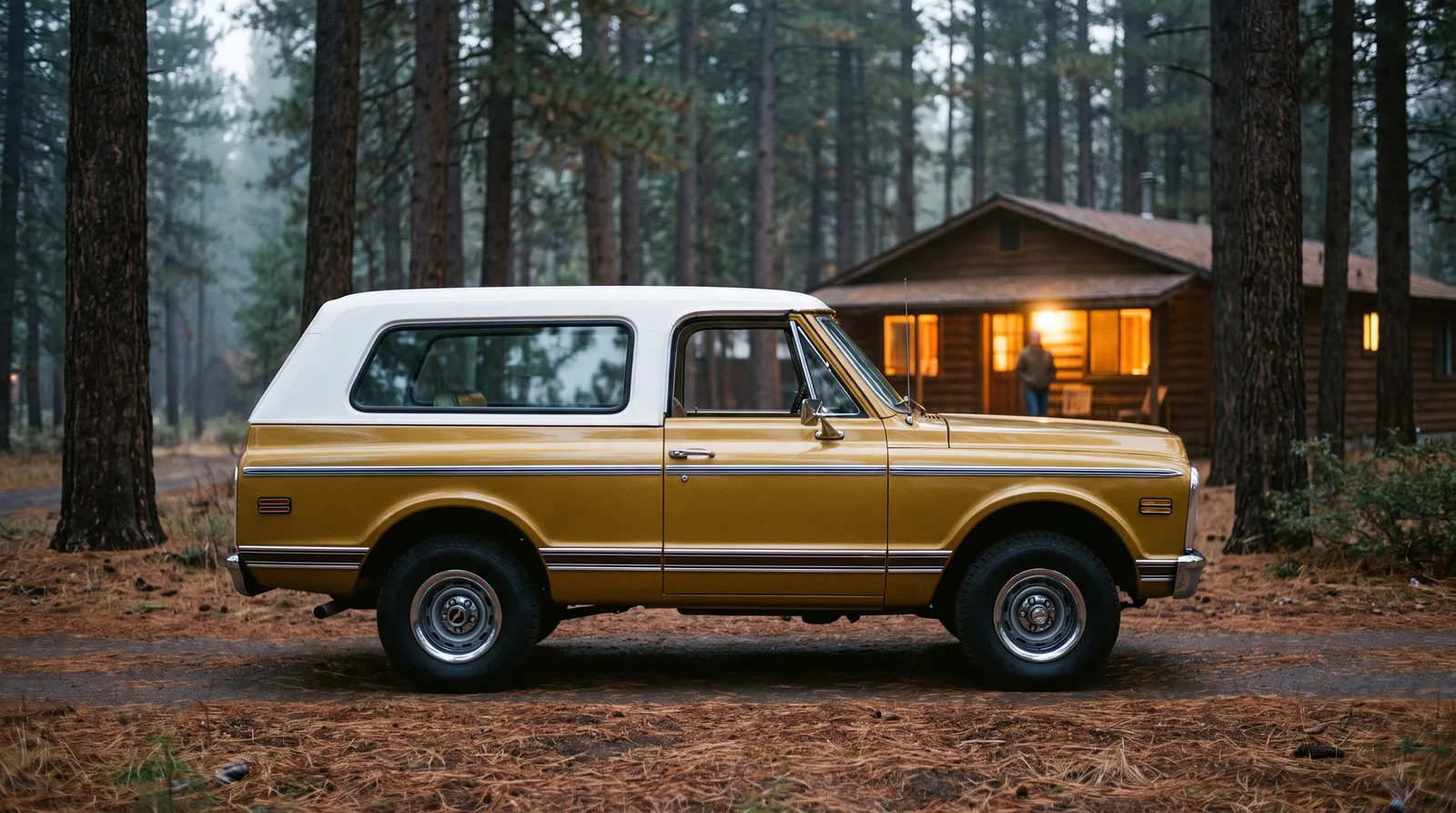
These trucks also came along just as Chevrolet's paint and trim options got interesting, so a 1974 convertible in a period two tone with the top off is one of the better looking things GM built in that decade. I have sanded a few of them. The panels are large and flat, which is unforgiving of bad blocking and wonderful when the work is right, and the lack of a roof means every reflection across the rear quarters is on public display.
There is a practical detail here that buyers underestimate. Interior trim on a full convertible truck had to survive being outdoors, so the materials, the fittings and the way panels were attached differ from a half cab. Correct pieces for those three years are much harder to source than the equivalent parts for a 1980s truck, and a convertible with a complete original interior is worth chasing even if the mechanical package needs attention. Sheet metal can be replaced. Discontinued trim from a three year production window generally cannot.
Three model years is a short window. Combine that with attrition, rust and forty years of people cutting up whatever was cheapest, and you understand why clean 1973 to 1975 convertibles are the trucks that make auction catalogues.
| Roof configuration | Model years | What it means |
|---|---|---|
| Full removable hard top, first generation | 1969 to 1972 | Entire roof lifts off, no fixed structure behind the windshield |
| Full removable hard top, second generation | 1973 to 1975 | Same open concept on the stiffer squarebody shell |
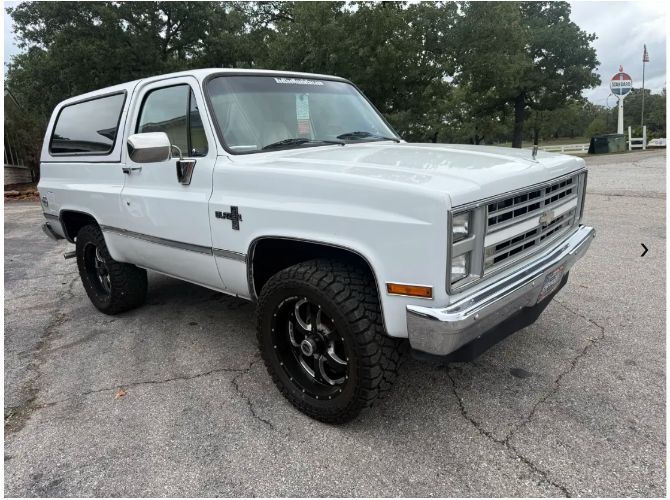
| Half cab, fixed forward roof | 1976 to 1991 | Steel roof welded over the front seats, rear section removable only |
| Factory soft top | First generation, 1969 to 1972 | Genuine factory option alongside the hardtop, rare survivor hardware today |
1976 and the end of the open truck
The half cab arrived for 1976 and the reasons were practical, not cynical. Rollover standards were being written, the full top was a warranty and leak headache, and a fixed forward roof let Chevrolet fit a proper headliner and improve the interior in ways buyers actually noticed. Sales did not suffer. If anything the K5 got more popular after the change, because it became a truck you could live with year round without a project every spring and autumn.
Still, something was lost, and everyone knew it at the time. The half cab is a convertible in the same sense that a sunroof is a targa. It is pleasant and it is not the same. That single decision drew the line that still splits this market four decades later, and it is the first thing I check when someone sends me photographs of a truck they are about to buy.
"You can tell a real one from thirty feet if you know where to look. The roofline meets the door glass differently, and no amount of good paint hides a seam that was never supposed to be there."
- Jim Vasquez
Why originals are rare and conversions are not
Here is the uncomfortable part of the hobby. Because the earlier trucks are worth more, people have been turning half cabs into convertible lookalikes for a long time. Some of that work is honest, disclosed and well executed. Plenty of it is not.
The tells are structural rather than cosmetic. The way the body reinforcement runs behind the front seats, the fastener locations along the top rail, the presence or absence of factory drain paths and the shape of the finished edge where the roof meets the body all vary between configurations. Paint and filler can smooth a lot of things. They cannot invent a factory spot weld pattern, and they cannot make the underside of a panel look untouched.
The other tell is documentation. Original build paperwork, the data plate information and a consistent ownership history do more for a convertible's value than another two thousand dollars of paint ever will. Anyone selling a genuine early truck knows this and will hand you the folder before you ask. Anyone who deflects when you ask about the roof structure is telling you something without saying it.
Period correct versus poseur
I will get letters for this section and that is fine. There is a difference between a truck built the way somebody would have built it in 1974 and a truck built to look like an internet photograph from last year.
Period correct means the wheel and tyre combination existed then, the ride height is plausible for the components fitted, the interior materials match the era and the paint is a colour the factory or a period shop would have sprayed. It does not mean the truck must be factory original. Modifying these was normal in their own time, and a well done period build has real character.
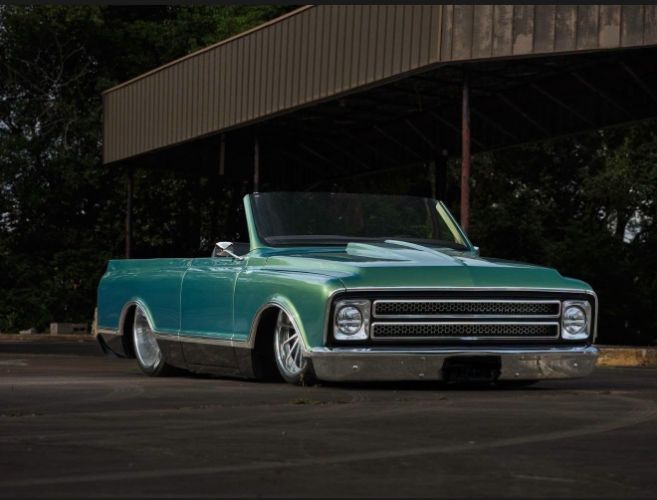
The poseur version is the one with enormous wheels, a lift that nothing structural supports, a satin black paint job hiding filler and a stance chosen entirely for photographs. It will look expensive and it will drive badly, and in ten years it will need to be undone before it can be fixed. On a rare convertible body, that kind of work is worse than neglect, because neglect can at least be reversed.
The trend I actually like right now is the mild period build. Correct ride height or close to it, a wheel and tyre package that looks like something a dealer accessory catalogue offered in 1974, a colour with some confidence in it, and honest bodywork underneath rather than a thick coat hiding shortcuts. Those trucks photograph less dramatically and drive far better, and the market has started rewarding them. Buyers have got smarter over the last decade about what sits under the paint, which is the healthiest thing that has happened to this corner of the hobby.
What a real convertible costs
The pricing hierarchy on these is simple enough to state in a sentence. Documented, unmolested 1973 to 1975 convertibles sit at the top of the K5 market alongside the best first generation trucks. Solid first generation examples follow closely, held back only by the flex and the fussier body structure. Half cabs, however clean, live in a separate and much larger pool.
Condition still beats configuration below a certain level. A rusty convertible is a body shell with a story, and the metal work involved in saving one is not a weekend of enthusiasm. If you are shopping seriously, compare a lot of trucks before committing, and use a live inventory of a classic K5 Blazer for sale to calibrate what condition actually costs at the moment rather than what a forum post claimed three years ago.
The K5 Blazer convertible is the reason the whole model line has the reputation it has. Chevrolet took the biggest, most practical version of the open truck idea and sold it to ordinary people at a dealership. That lasted seven model years and nobody has quite repeated it since. If you want to see how the competition answered the same question, keep exploring, because Ford's response is half the story.
Sources and notes
Related Reading
#removable top
#chevrolet k5 blazer
#squarebody
#k5 blazer convertible
#1970s 4x4
#classic truck restoration culture

About the author
Jim Vasquez
Southern California hot rod and custom car builder with roots in the traditional kustom kulture scene.
Related Listings - Chevrolet Blazer
Comments
Be the first to comment on this article.