
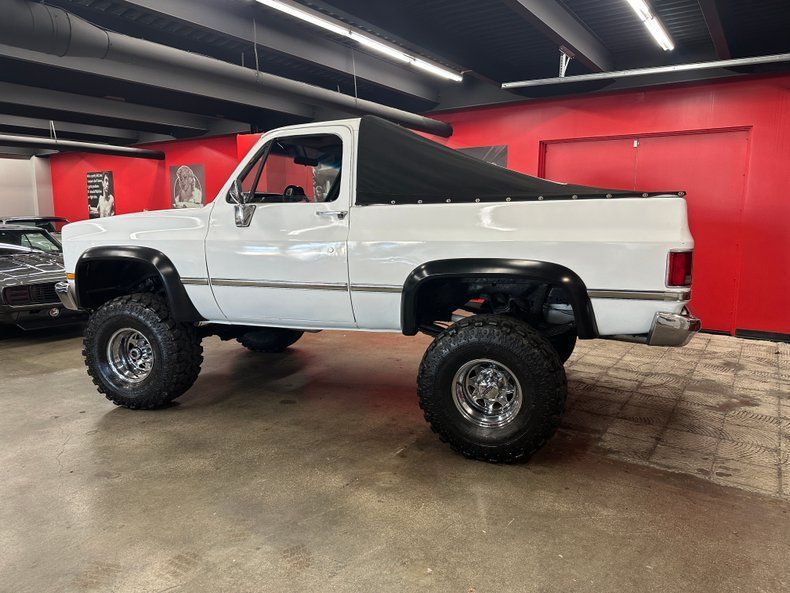
Every truck I have stripped down to bare metal tells me something before I even open a service manual, and the first-generation Chevrolet K5 Blazer tells me more than most. The k5 blazer convertible top signature is not a paint scheme or a badge. It is a whole panel of fiberglass and steel that lifts off the frame in one piece, turning a full-size four-wheel-drive truck into something closer to a beach cruiser. Nobody else was building a rig like that in 1969, and honestly nobody has built one quite like it since.
Car Features
7 min read
The Removable Top: The K5 Blazer Signature
The fully removable top defined the first-generation K5 Blazer, and a builder's eye explains why it still separates the real thing from every half-cab that followed.
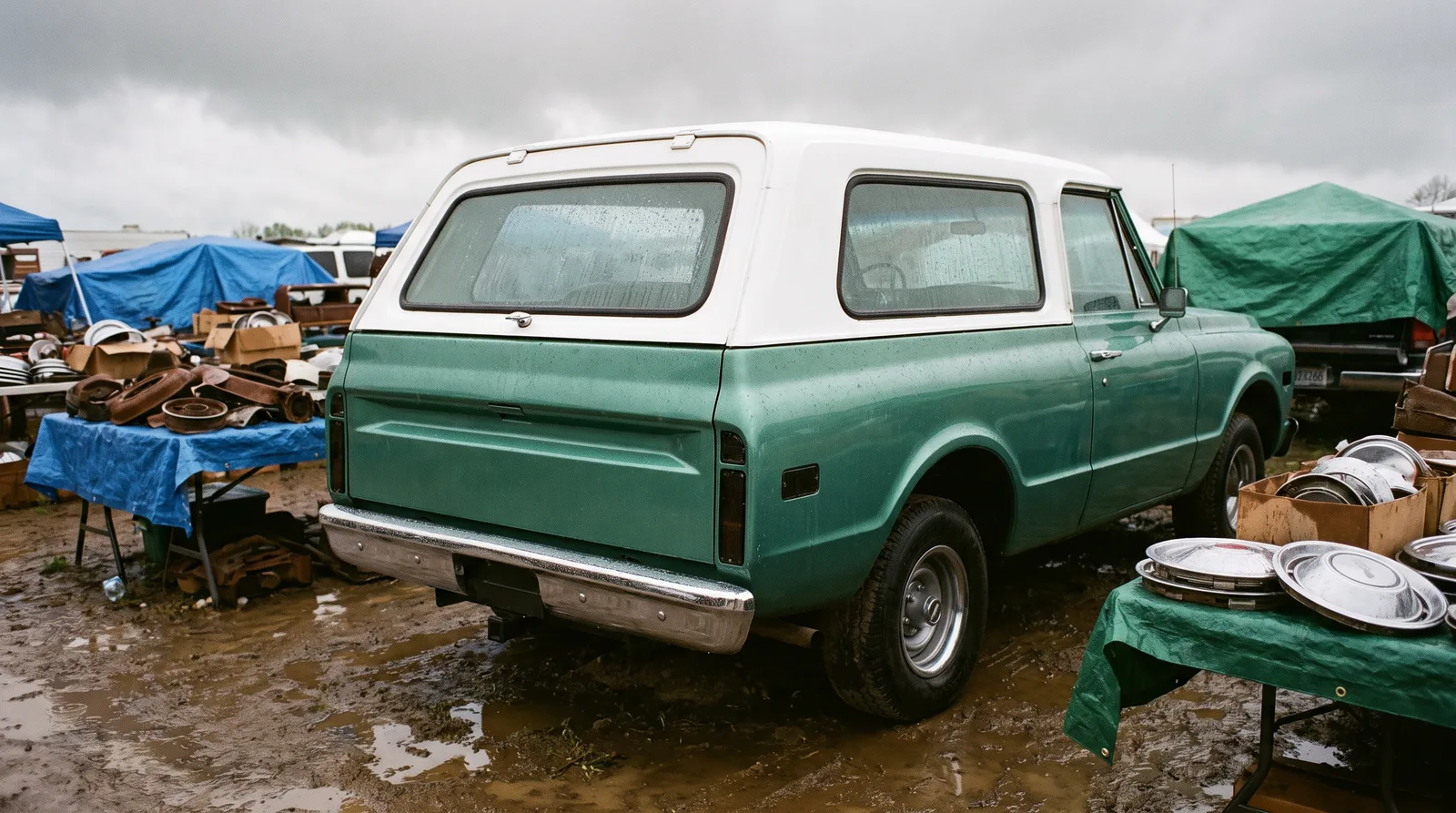
I have had three of these on my lift over the years, and the top is always the first thing a buyer asks about. Not the engine, not the axles. The top. That tells you what actually defines this truck in the minds of people who love it.
What made the top a true signature feature
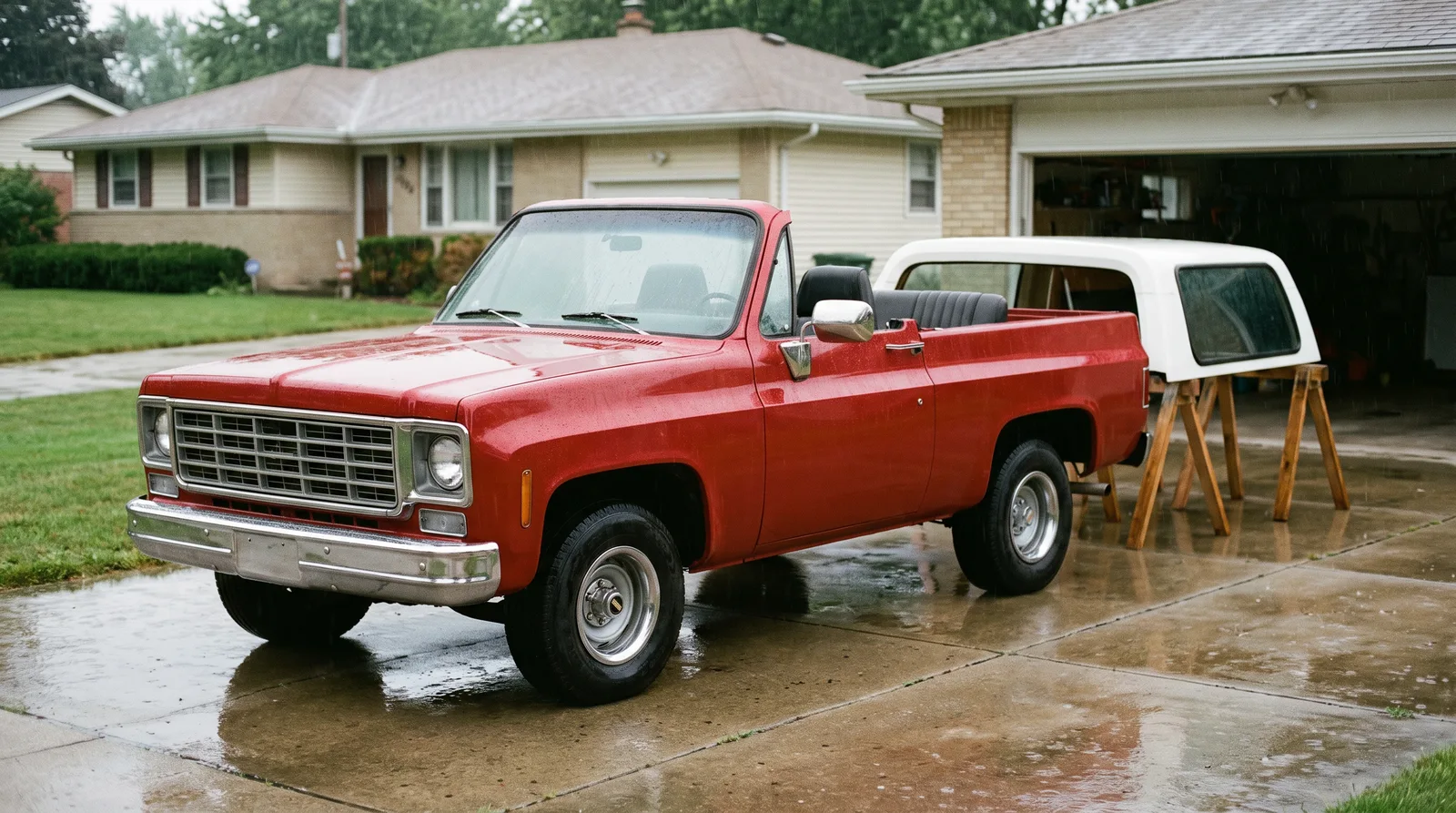
Chevrolet built the first K5 Blazer for the 1969 model year on a shortened C/K pickup frame, and the decision that separated it from every competitor was structural, not cosmetic. The entire cab covering, from the windshield header back to the tailgate, came off as a single unit. Two people with basic hand tools could remove it in well under an hour, exposing the cab, the front seats, and the cargo area to open sky. Ford's Bronco offered a removable hardtop too, but the Blazer's proportions and its GM truck-based toughness gave it a different character on the road, closer to a light truck playing convertible than a jeep pretending to be a truck.
The bows and latch points were engineered so the top sealed tight enough for daily driving in bad weather, yet came apart cleanly enough that owners actually did it themselves at the trailhead or the boat ramp, not just at a body shop. That is the part restorers underestimate today. The removable top was meant to be used, not admired.
Why the design still turns heads at a truck show
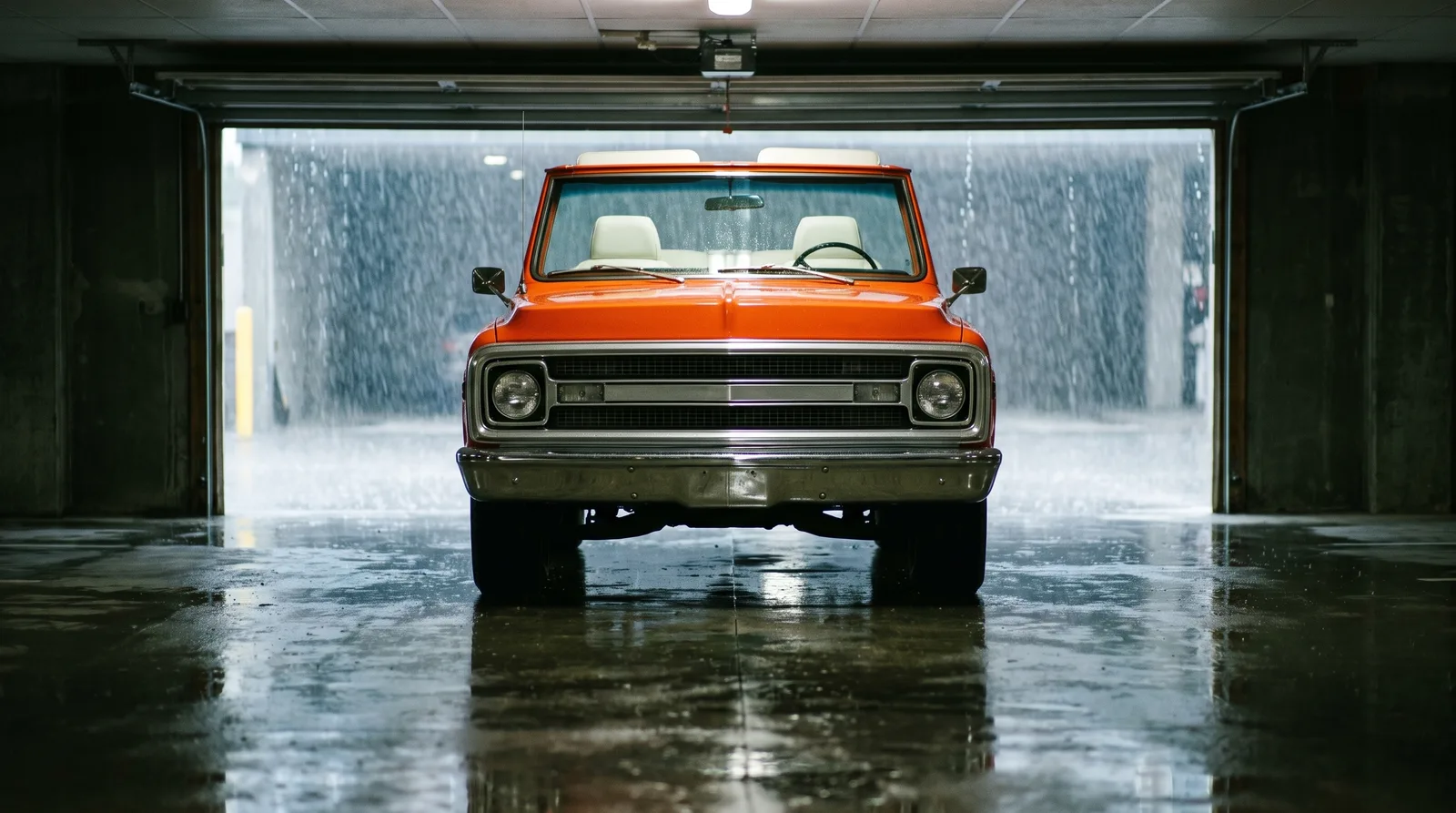
Set an original 1969 through 1972 Blazer next to a modern truck at any show and the removable top still reads as radical. There is no windshield frame doubling as a roll cage substitute, no B-pillar breaking up the silhouette once the top is off. The whole cab opens like a shoebox lid. Judges at concours and truck-club shows alike weight originality of the top hardware, the latches, the weatherstripping, heavily, because reproduction parts rarely fit as cleanly as the originals did off the St. Louis assembly line.
Paint matching on these tops is its own headache. The fiberglass shrinks and expands differently than the steel body below it over fifty-plus years, and a top resprayed without accounting for that will show a color break at the beltline within a couple of summers. I tell every owner who brings me one: match the primer system to the panel material first, worry about the topcoat second.
The half-cab redesign that changed everything
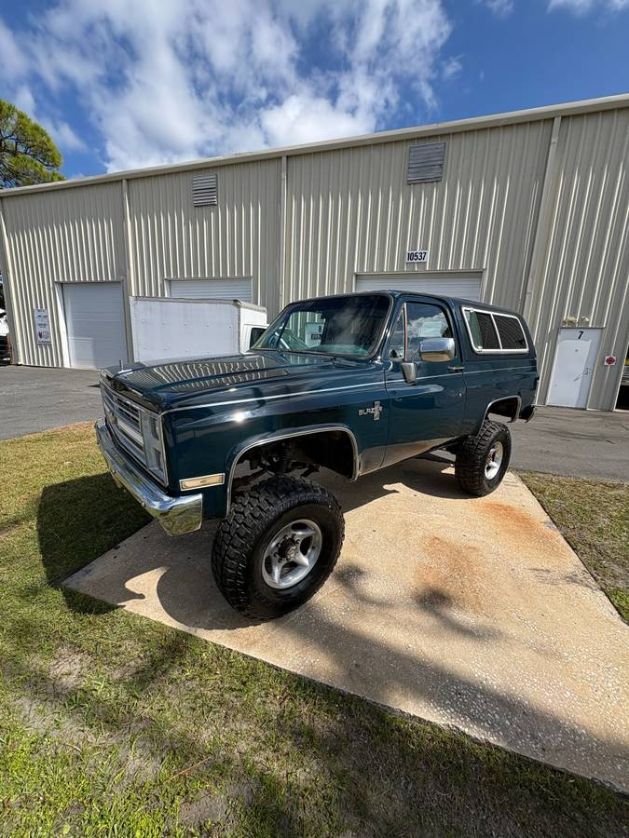
Chevrolet redesigned the Blazer for 1973 onto the new squarebody chassis, but the full removable top actually survived that transition. GM kept the one-piece lift-off shell on the redesigned truck through the 1975 model year. It was not until 1976 that the design finally gave way to a fixed steel cab with doors and a windshield frame welded permanently in place, leaving only the rear cargo section removable, a change driven largely by rollover-safety concerns as much as manufacturing cost. That meant the true full-convertible K5 Blazer had a production run of roughly seven model years, 1969 through 1975, before GM moved on. That window is exactly why the earliest trucks carry the premium they do among collectors today, and why you can read more of that story in our k5 blazer convertible history.
I have talked with owners who assume every K5 Blazer through 1991 is a convertible because the nameplate carried on so long. It is not. If the top does not come off entirely, front to back, it is not the signature design. It is the half-cab successor that arrived for 1976, a good truck in its own right, but a different animal.
What a builder looks for before buying one
When I inspect a candidate for a body-off restoration, the top gets checked before the frame does. Stress cracks radiate from the latch mounting points on fiberglass tops that were removed and reinstalled carelessly for decades. Steel-topped variants rust from the inside out around the same latch hardware if water ever sat in the channel. A top that has clearly never been off the truck, with factory overspray still intact in the seams, is worth more to a serious buyer than a shinier truck with a mismatched or repaired top. That is not opinion, that is just what happens at swap meets when two otherwise identical trucks sit side by side.
You also want to physically test the fit. Reproduction weatherstrip kits have improved a lot in the last decade, but the top itself, if it is not an original, rarely gaps and seals the way a factory piece does. A poseur top looks right in photos and leaks on the first real rainstorm.
"The top is the whole argument for this truck. Take it off and you understand in about ten seconds why people paid extra for it new and pay a lot more for it now."
- Jim Vasquez
There is a companion piece worth your time if you want the mechanics of removal explained in more detail, and I would point you toward a related story that walks through exactly how the system functioned. For now, if this signature design has you hunting for one of your own, K5 Blazers for sale now is the place to start comparing what is actually on the market against everything above.
A truck defined by one feature sounds like a gimmick until you have stood next to one with the top off on a summer evening. Then it stops sounding like a gimmick and starts sounding like the reason this truck outlasted most of its rivals in the memory of everyone who ever rode in one.
I still get calls from guys who bought a squarebody Blazer thinking they had the full open-air version, only to find out the half-cab does not lift off past the door frames. That confusion alone tells me the signature top did its job. It set an expectation so strong that people still measure every later Blazer against a feature GM only built for a handful of years, and that is a rare thing for any single component on any production truck to accomplish.
Sources and notes
Related Reading
Have a
Chevrolet Blazer
for Sale?
Reach thousands of serious classic car collectors across the US.
Sell It Here →
Selling a classic? Here's how: sell my classic car
Are You a Classic Car Dealer?
List your full inventory and connect with targeted classic car buyers.
Join as a Dealer →

About the author
Jim Vasquez
Southern California hot rod and custom car builder with roots in the traditional kustom kulture scene.
Related Listings - Chevrolet Blazer




Comments
Be the first to comment on this article.