
A dealer's product planner sat with a list of possible names on a legal pad in the late 1960s, and somewhere on that list was a word that had nothing to do with trucks. Blazer. It suggested fire, speed, a trail cut through brush, the kind of word a marketing room reaches for when it wants a vehicle to sound like an event rather than an appliance. The chevy blazer name origin is not a single dramatic story with a lone inventor, but it is a story about timing, about a market Chevrolet was chasing, and about a name that ended up outliving nearly everything else about the vehicle it was hung on.
Car Features
7 min read
Where the Chevrolet Blazer Name Came From
Chevrolet needed a name to fight the Ford Bronco and International Harvester Scout, and the word it picked ended up outliving three generations of trucks.
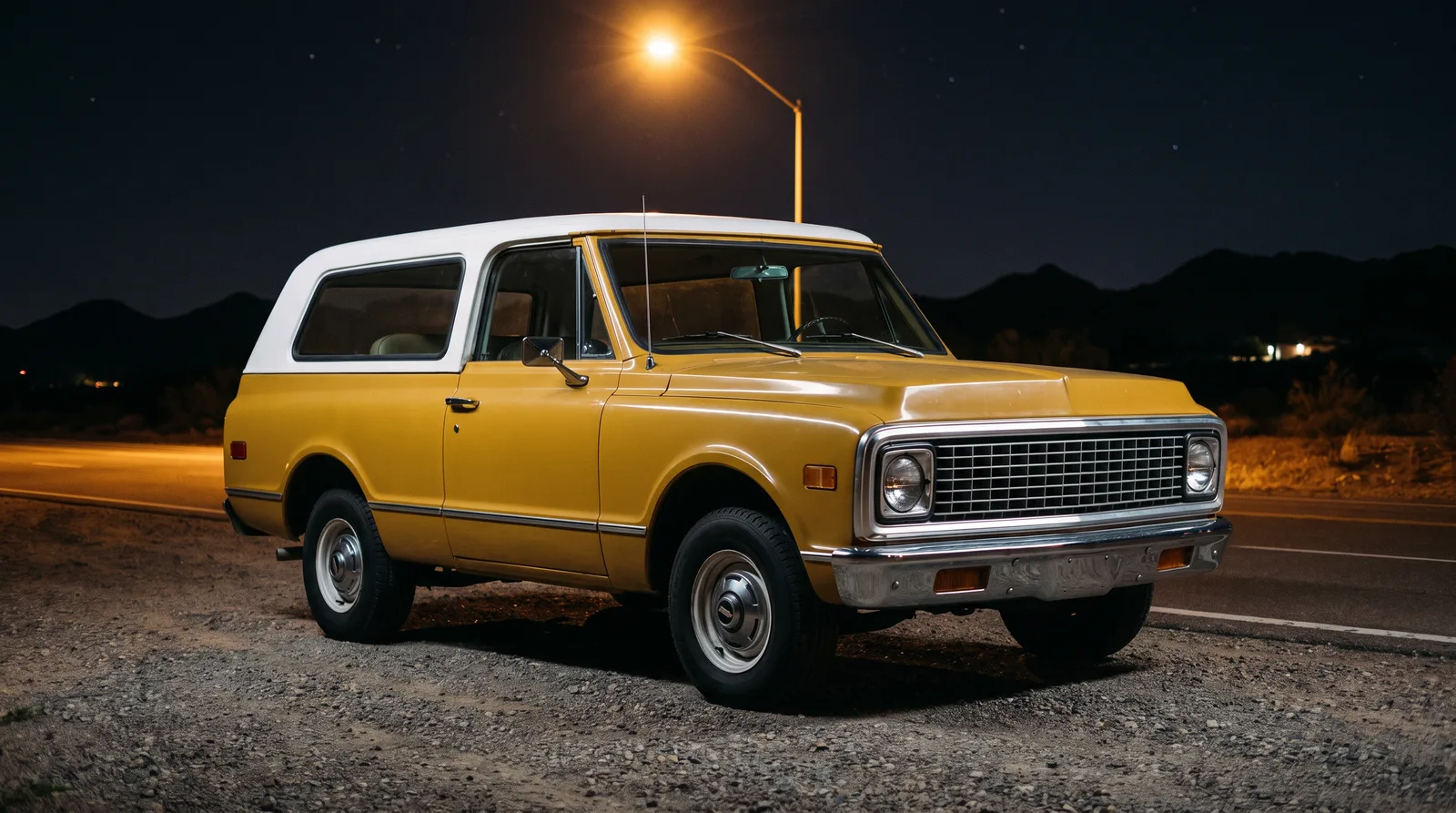
By the middle of the 1960s, International Harvester had the Scout on the road, and Ford was building the Bronco with real momentum behind it. Both were small, useful, and increasingly popular with buyers who wanted something between a full-size pickup and a passenger car. Chevrolet did not have an answer yet, and the corporation knew it. General Motors engineers were told to build something on the existing K-series truck platform that could compete directly, and fast. The result, introduced for the 1969 model year, needed a name that separated it from the C/K pickup line it was born from while still signaling that it belonged to the truck family.
A name built for a hunting jacket, not a truck
"Blazer" already had a life before Chevrolet ever put it on a fender. It was a familiar word in the outdoors and clothing world, evoking a hunting jacket or a bold plaid pattern, something associated with sport and the outdoors rather than hauling lumber. Naming committees in Detroit in that period liked words that already carried a feeling, and Blazer carried exactly the feeling GM wanted attached to this new vehicle: rugged, a little bit stylish, built for people who spent weekends away from pavement rather than people who needed a work truck five days a week.
There is no single named executive who gets sole credit in the surviving record, which is typical for GM naming decisions of that era. Naming usually moved through a product planning group, got vetted against trademark searches, and came out the other side as a decision nobody could point to as belonging to one person. What is clear is that the name was chosen to work as a stand-alone identity, not as a modified pickup trim, and that decision mattered more than it might look like on paper. Ford called its 1966 competitor the Bronco, a name with its own frontier imagery. Chevrolet's answer needed to hold its own next to that, and Blazer did.
"Names like Blazer worked because they promised a feeling before the buyer ever saw the truck. You did not need to explain what a Blazer was for. The word already told you."
- Nora Beckett
K5 was the internal code, Blazer was the public face
Inside GM's own paperwork, the vehicle carried the designation K5, part of the same alphanumeric system that labeled every Chevrolet truck by drivetrain and chassis type. The K prefix meant four-wheel drive, and the 5 slotted it into GM's model-number sequence alongside other trucks of similar size and purpose. None of that meant anything to a customer standing on a dealer lot. K5 was internal shorthand, useful to engineers and parts departments and dealer order forms, but it was never going to sell a truck by itself. Blazer was the word buyers actually heard, saw on the tailgate, and eventually adopted as their own shorthand for the whole vehicle, so that decades later enthusiasts still say "K5 Blazer" as if the two names had always been a single phrase rather than one official code and one marketing word bolted together after the fact.
That pairing gave the truck a strange kind of double identity that has stuck around in enthusiast conversation ever since. Parts catalogs and VIN records still reference the K5 code. Magazine articles, forum threads, and casual conversation reach for Blazer. Most owners use both without thinking about which one is doing which job, a small piece of naming history hiding in plain sight every time somebody talks about their truck.
A name that outlasted the truck it was invented for
What makes the naming story worth telling decades later is how far the name traveled beyond the original truck. GM kept the Blazer name through the entire run of the full-size K5, where this started in 1969, through the redesign years, and into the very different smaller S-10 Blazer that arrived later and eventually into a modern crossover carrying the same word again. A name picked in a planning meeting to sound rugged and a little sporty ended up as one of Chevrolet's longest-running nameplates, attached to vehicles that in some cases barely resembled each other mechanically.
That kind of longevity is not common. Plenty of GM nameplates from the same period came and went within a decade or two, replaced when a redesign made the old name feel dated or when a marketing group decided a fresh word would sell better. Blazer kept earning its spot on the tailgate instead. Part of that is simple brand equity, once a name builds recognition, a company is reluctant to throw it away. Part of it is that the word itself never really dated. It still sounds the same way it sounded in 1969, confident and a little bit bold, which is exactly what a naming committee wanted from it in the first place.
What the name still signals to buyers today
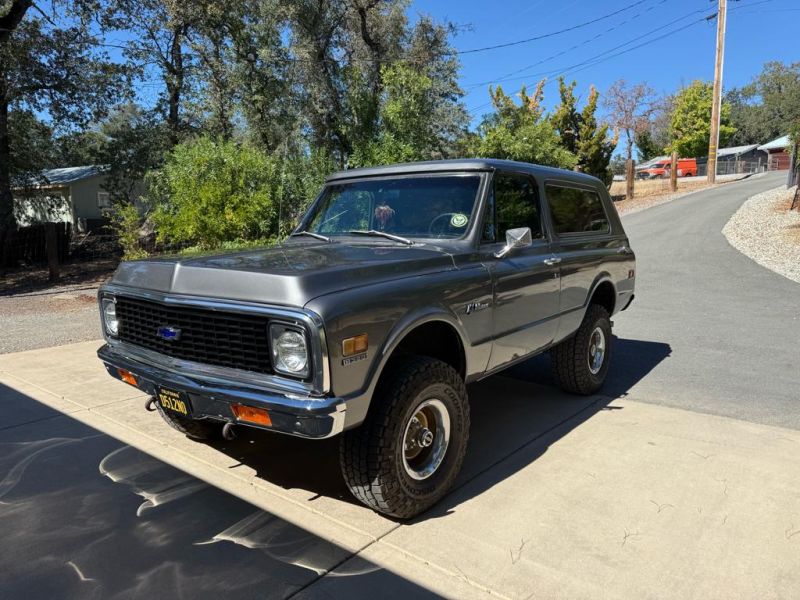
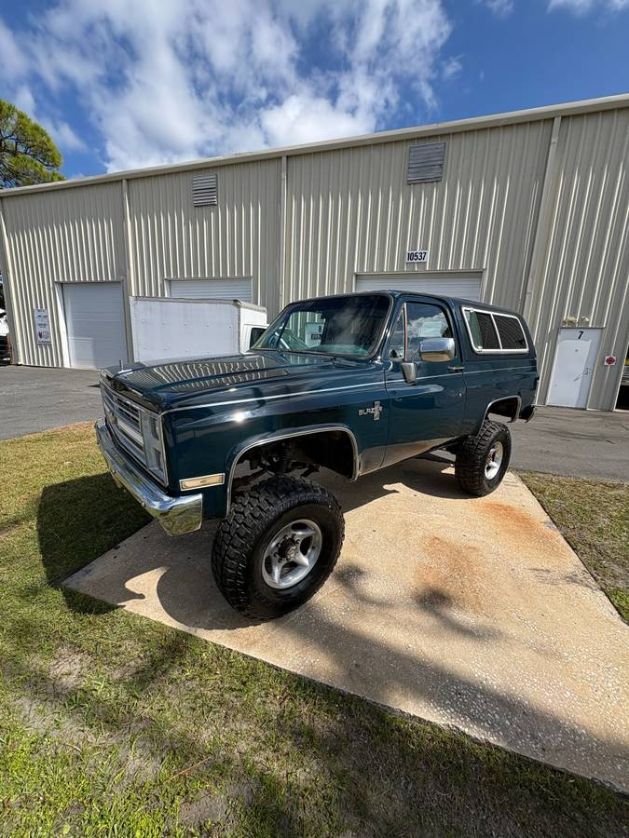
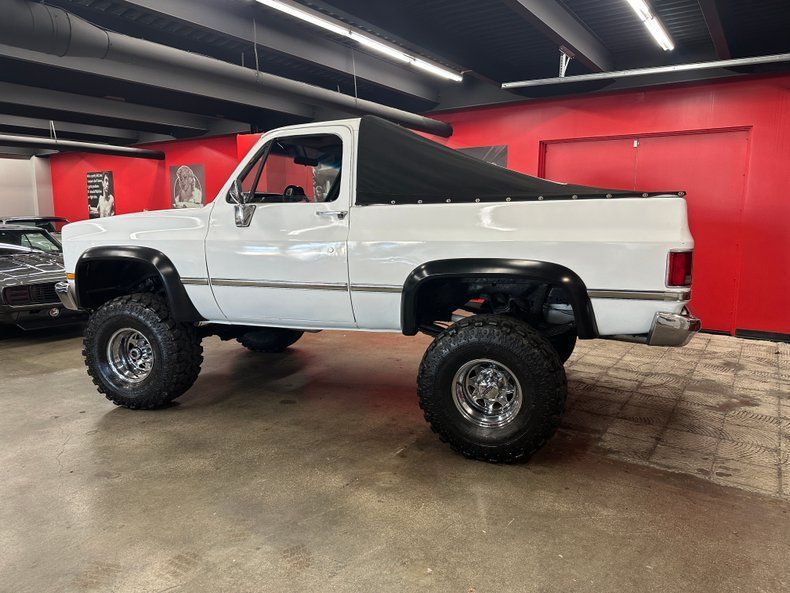
Ask a collector today why the K5 Blazer holds the appeal it does and the name rarely comes up directly, people talk about the removable top on the early trucks, the four-wheel-drive capability, the styling. But the name did its job so well that it faded into the background of how people think about the vehicle, which is the mark of good naming work rather than a failure of it. Nobody questions whether Blazer fits a rugged, capable truck built for trails and weekends away from town, because the word was chosen specifically to fit that role from day one.
For buyers hunting the used market now, that inherited reputation still carries weight. A name with decades of consistent identity behind it tends to hold collector interest better than one that got reshuffled every few model years, and anyone curious can go shop classic K5 Blazer listings to see how much of that original appeal still shows up in what people are willing to pay for a clean example. The truck earned its reputation through capability and design, but the name gave that reputation a word to live in, and that word has now outlasted three generations of the vehicle it was invented to sell.
Naming decisions rarely get remembered as anything more than a footnote, filed away in old product planning binders nobody reads anymore. This one is an exception, not because the process behind it was unusual, but because the word chosen turned out to be exactly right, durable enough to survive redesigns, market shifts, and eventually an entirely different vehicle wearing the same badge.
Sources and notes
Related Reading
Have a
Chevrolet Blazer
for Sale?
Reach thousands of serious classic car collectors across the US.
Sell It Here →
Selling a classic? Here's how: sell my classic car
Are You a Classic Car Dealer?
List your full inventory and connect with targeted classic car buyers.
Join as a Dealer →

About the author
Nora Beckett
Automotive features writer and photographer who tells the human stories behind the cars, from show fields to cross-country road trips.
Related Listings - Chevrolet Blazer
Comments
Be the first to comment on this article.