
Not every surviving 1969 K5 Blazer has a story worth telling, but a handful do, and cataloguing k5 blazer 1969 notable examples is a useful exercise for anyone trying to understand what separates an ordinary surviving truck from one that has earned genuine recognition within the collector community. The distinction usually comes down to one of three things, documented originality, an unusual verified history, or a restoration significant enough to have been recognized publicly.
Car Features
6 min read
Surviving 1969 K5 Blazers Worth Knowing
What actually separates a k5 blazer 1969 notable example from an ordinary survivor: documented originality, rare configuration, or recognized restoration, never assertion alone.
What actually makes a surviving truck notable
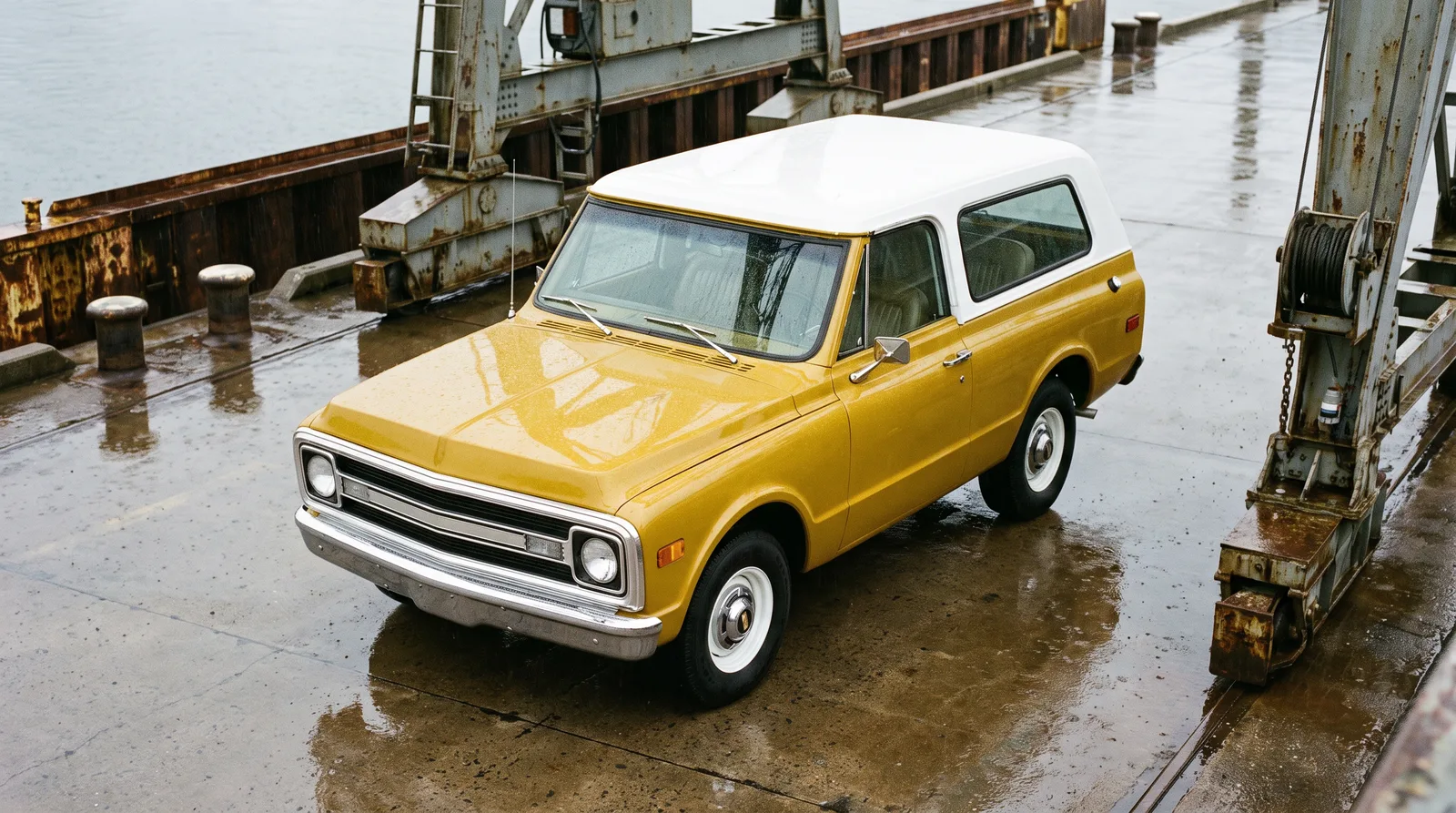
A truck does not become notable simply by surviving fifty-plus years, plenty of unremarkable 1969 Blazers have managed that through nothing more than luck and a dry garage. What separates a genuinely notable example is verifiable distinction, an unbroken ownership chain, a rare factory configuration like the two-wheel-drive variant, or a restoration thorough enough to have been featured at a recognized show or publication. Without that kind of documentation, a truck is simply old rather than historically significant, and the collector community, when it is being careful, respects that distinction even when a casual seller does not.
This piece intentionally does not name specific surviving trucks, since no independently verifiable public registry of documented 1969 Blazer provenance exists to check such claims against. Building a reliable list of specific trucks requires primary-source verification, registry records, show documentation, or direct owner-provided paperwork, rather than repeating claims that have circulated informally without a clear origin. That caution matters more in this corner of the hobby than in most, because a false provenance claim, once repeated enough times online, tends to calcify into accepted fact even when nobody can actually trace it back to a real document.
Original, unrestored survivors carry their own kind of significance
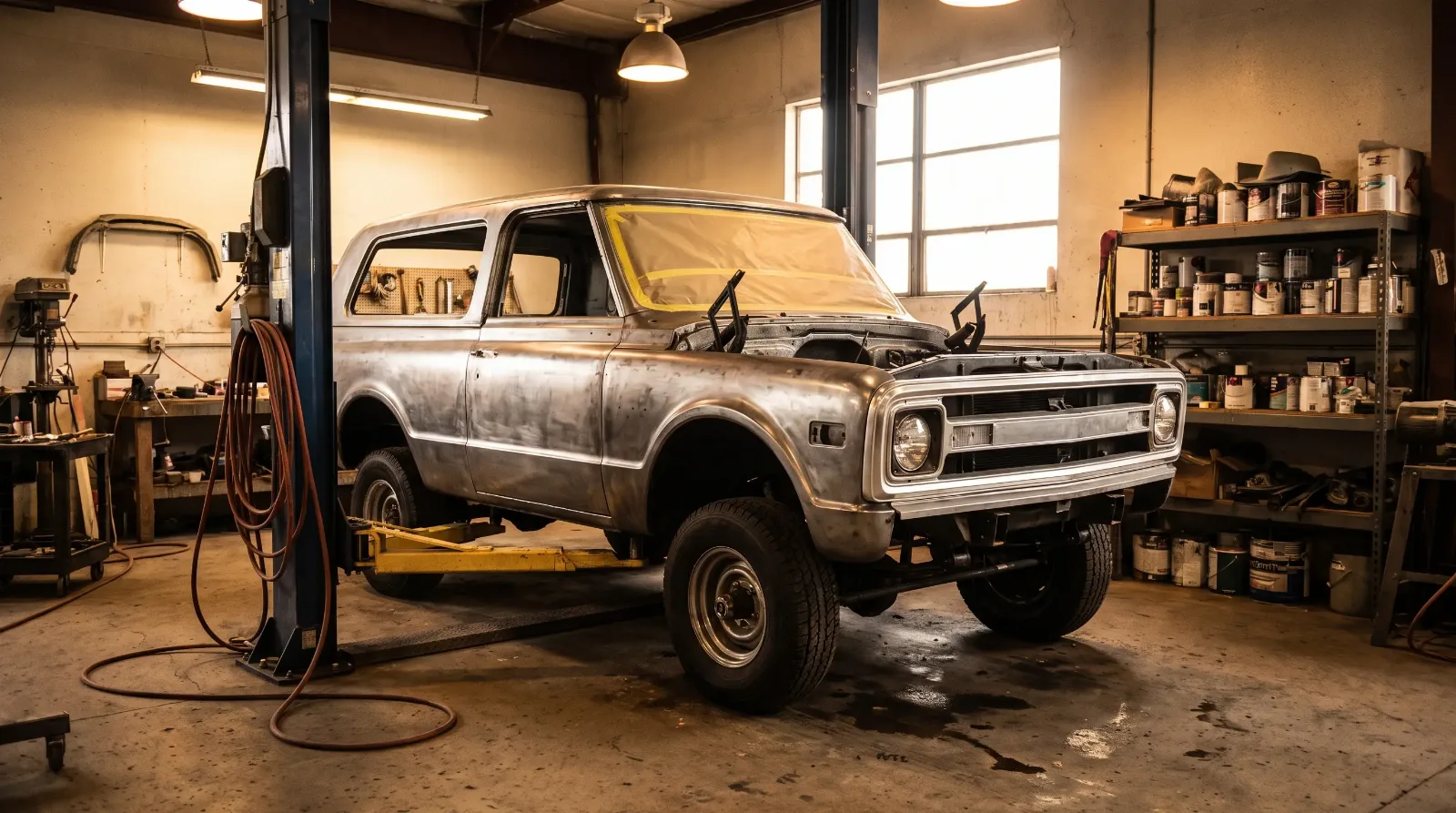
While restored show trucks tend to get the attention, a smaller and arguably more historically valuable category exists alongside them: original, unrestored survivors that have simply never been meaningfully modified. These trucks, wearing original paint however faded, original interior however worn, original drivetrain however tired, function almost as time capsules for researchers trying to understand exactly how a 1969 Blazer left the factory rather than how one has since been interpreted by a restorer's choices, however careful.
These survivors are genuinely rare, since the same hard use that defined the Blazer's original working life also tends to be exactly what destroys a truck's originality over decades. A survivor that made it through fifty-plus years without a repaint, a reupholstery, or a drivetrain swap usually did so because it sat unused for long stretches, which raises its own preservation and mechanical concerns, but it also means what remains is an unusually honest record of the original factory product.
How clubs and registries track significance
Marque-specific clubs and informal registries do much of the actual legwork of identifying and documenting notable examples, often years before a wider audience becomes aware a specific truck exists. Members with long institutional memory frequently know which trucks changed hands at which shows, which examples carry documented factory-original status, and which trucks have quietly disappeared from public view after a private sale. That informal knowledge network, more than any single published source, is where most reliable information about genuinely significant surviving 1969 Blazers actually lives.
"A club member who has followed this model for twenty years knows more about which trucks are real than any online forum thread ever will. That kind of institutional memory does not get written down often enough, and it should."
- Sarah Whitfield
| Category | What earns the distinction | Verification needed |
|---|---|---|
| Documented original survivor | Unmodified paint, interior, and drivetrain | Ownership chain, service history, period photos |
| Rare factory configuration | Two-wheel-drive or otherwise uncommon original build | Build sheet, dealer invoice, or registry confirmation |
| Recognized restoration | Public show recognition or published feature | Show program, awards documentation, or publication record |
| Continuous single-family ownership | Unbroken chain from original buyer | Title history and family documentation |
Why unverified claims spread so easily in this hobby
Provenance claims travel faster online than the documentation needed to support them, and the 1969 Blazer market is not immune to that pattern. A truck gets described in a forum post as one of only a handful known in a specific configuration, the claim gets repeated in a later listing, then repeated again in a third-party writeup, and within a few years the number has hardened into something that sounds authoritative despite never having been independently verified at any point in that chain. This is not usually deliberate deception. It is closer to a game of telephone playing out across years instead of minutes, and it happens because genuine registry data on a niche model like this one is thin enough that a confident-sounding claim can fill the gap unchallenged.
The correction for this pattern is not cynicism about every provenance claim, most sellers describing their truck's history are doing so honestly, based on what they themselves were told. The correction is simply asking for the document behind the claim before treating it as established fact, and being comfortable saying a truck's history is unconfirmed when no document actually exists to confirm it.
Why this matters for buyers, not just historians
Understanding what makes a truck genuinely notable protects buyers from paying a premium for a story that will not survive scrutiny. A seller claiming their truck is one of a handful of known survivors in a specific configuration should be able to point to something more concrete than personal assertion, club records, registry documentation, prior show recognition. Absent that, the claim is a sales pitch dressed up as history, and buyers who understand the whole picture of how genuine significance actually gets established are far better equipped to tell the difference before money changes hands.
For anyone whose research into these standout survivors has turned into an actual search, find a classic K5 Blazer through channels where sellers are willing to document their claims rather than simply assert them. The most notable trucks in this hobby earned that status through paperwork and patience, not through the confidence of a listing description, and that same standard is worth applying to any truck under serious consideration, notable or otherwise.
The broader lesson here extends past any single truck. A hobby this small, built around a niche model most of the general public would not immediately recognize, depends on its own community to keep the record straight. Registries, clubs, and long-time owners are not just nice-to-have resources for enthusiasts with time on their hands. They are the actual infrastructure that separates documented history from convenient storytelling, and every notable 1969 Blazer that gets properly recorded today makes the next researcher's job a little easier than it would otherwise have been. That quiet, cumulative work rarely gets any credit of its own, but it is the reason a serious buyer today can ask a hard question about provenance and expect a real answer instead of a shrug.
Sources and notes
Related Reading
Have a
Chevrolet Blazer
for Sale?
Reach thousands of serious classic car collectors across the US.
Sell It Here →
Selling a classic? Here's how: compare the places to sell classic cars
Are You a Classic Car Dealer?
List your full inventory and connect with targeted classic car buyers.
Join as a Dealer →
#K5 Blazer
#chevrolet blazer
#1969 Blazer
#surviving classic trucks
#Blazer provenance
#collector car registries

About the author
Sarah Whitfield
Third-generation classic car collector specializing in pre-war American and European coachbuilt automobiles. Researcher and concours enthusiast.
Related Listings - Chevrolet Blazer
Comments
Be the first to comment on this article.