
I remember hearing "Little GTO" coming out of a transistor radio propped on a workbench before I ever saw a real one parked at the curb. That was pretty common back then. A lot of kids in the Midwest knew the song before they knew the car, and for a guy who grew up wrenching, that always struck me as a little backwards and a little perfect at the same time.
Car Features
7 min read
The 'Little GTO' Song and How Ronny & the Daytonas Made It a Legend
Ronny and the Daytonas hadn't driven a GTO when they wrote about one, but the song still planted the name in a generation of future buyers' heads.
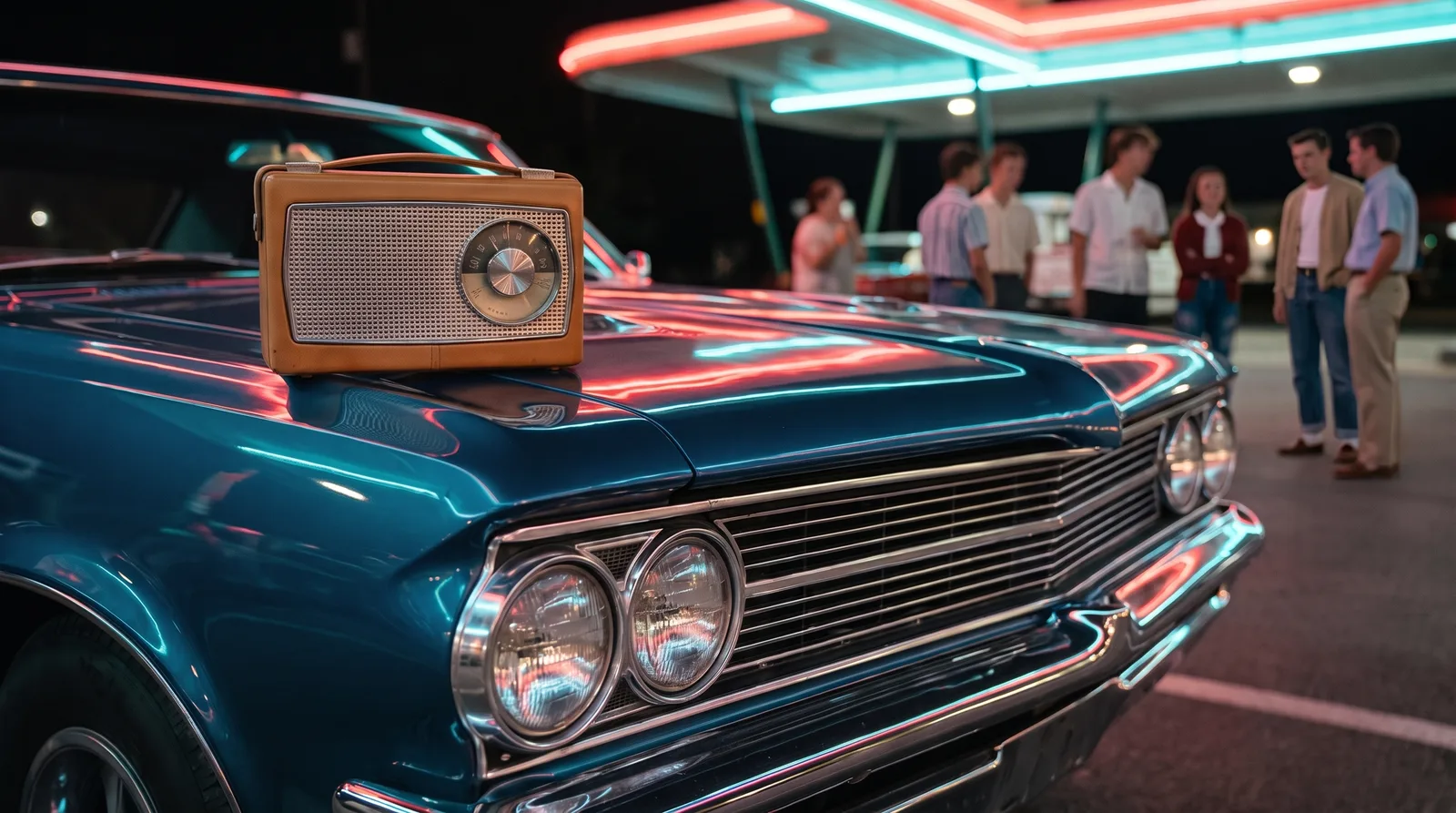
A song that outran the car it was named for
"Little GTO" came out in 1964, credited to Ronny and the Daytonas, and climbed the charts fast enough that it became one of the defining hot rod songs of the era, right alongside the Beach Boys' car tunes that were already a fixture on the radio. The odd part, and the part I always bring up when someone tells the story wrong, is that the song was written by a Nashville high schooler, John "Buck" Wilkin, who by most accounts had not yet owned a GTO himself when he wrote it in physics class. The song came together as a car-culture novelty tune first, riding the general excitement around Detroit muscle rather than any firsthand experience with Pontiac's new option package specifically. That did not stop it from becoming one of the most recognizable songs ever written about a specific American car.
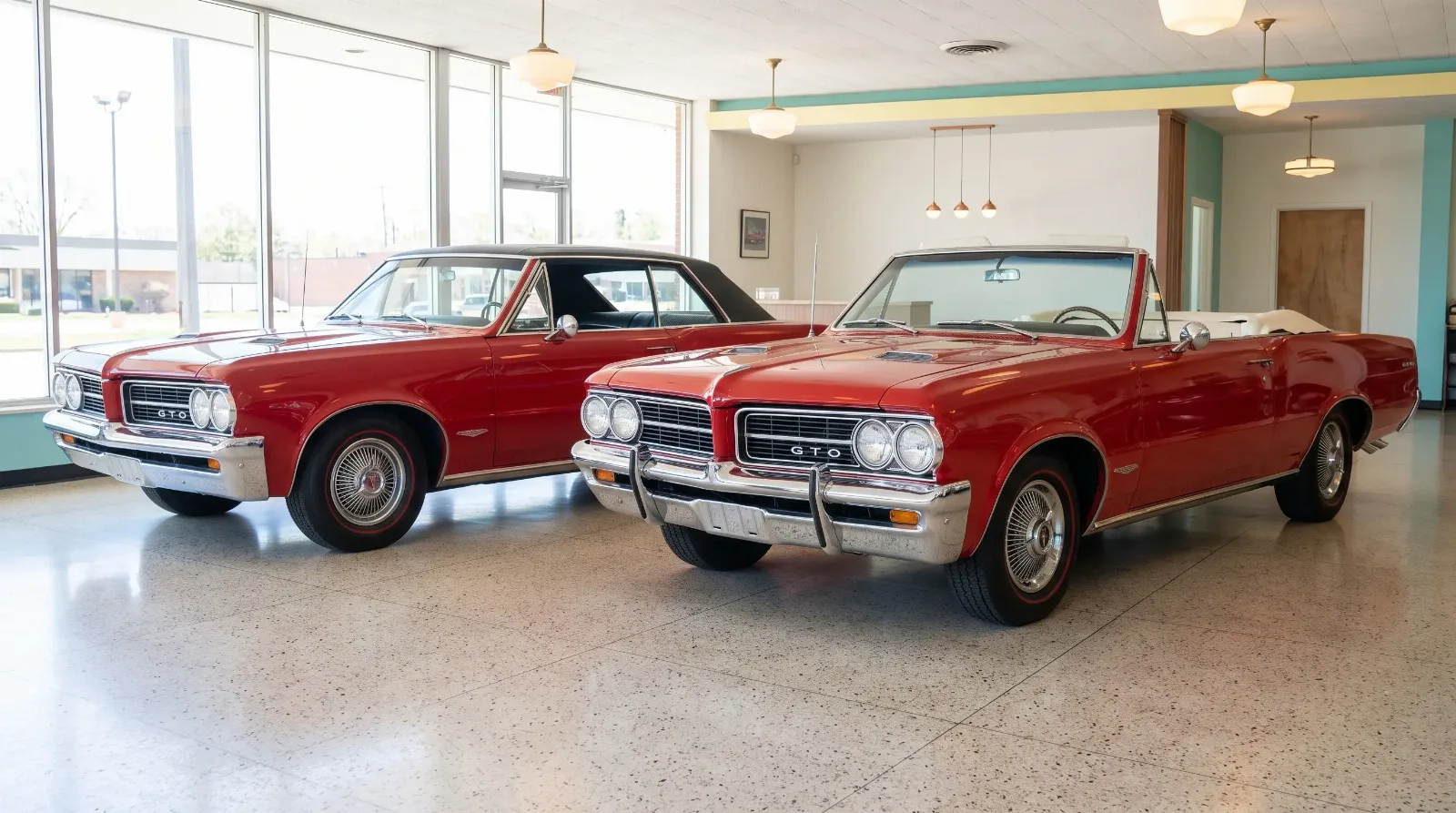
The full backstory of how that car came to exist, built as an option on a Tempest LeMans rather than a car of its own, is worth reading if you have not already; how the muscle car was born covers the internal Pontiac decisions that made the car possible before the song ever hit the airwaves.
The song peaked at number four on the Billboard Hot 100 on September 26, 1964, close enough behind the biggest hits of that summer that radio programmers had no reason to skip it once the requests started coming in, and it went on to sell over a million copies and earn a gold disc. Wilkin wrote and sang it himself, and it followed a formula that was already working for surf and drag racing songs of the period: simple lyrics built around a specific machine, sung fast enough to feel like the car itself was doing the driving. What set "Little GTO" apart from most of that formula was specificity. Plenty of car songs from that stretch of years name-check a generic hot rod or a "409" without much brand loyalty behind it. This one picked a real, currently-in-production Pontiac option package and stuck with it for the whole song.
How a novelty tune became free advertising
Pontiac did not pay for that song, near as anyone can tell, but they got the benefit of it anyway. Every teenager who heard it on the radio, who did not have a driver's license yet and would not for another year or two, filed the name "GTO" away as something worth wanting. By the time some of those kids were old enough to buy a car themselves, the name already meant something to them, and that kind of unpaid cultural reach is worth more than most ad budgets could ever buy.
I talk to guys at car shows all the time who tell me the same story, more or less. They heard the song on the radio as a kid, sitting in a kitchen or riding in the back seat of their dad's Bel Air, and years later they bought a real GTO partly because that song had been rattling around in their head since grade school. That is not nostalgia talking. That is how the song actually worked, back when it mattered.
What happened to the band afterward
Ronny and the Daytonas rode "Little GTO" to real chart success, and they followed it with a handful of other car-themed and surf-adjacent tunes trying to catch the same wave. None of the follow-ups matched the original's staying power, which is a pretty common story in that era of one-hit novelty acts built around a single catchy theme. What kept "Little GTO" alive long after the group's other material faded was the car itself. As the Pontiac's reputation grew through the rest of the 1960s, the song grew right along with it, getting replayed on oldies stations and referenced in car culture retrospectives decades after most of the band's other output had been forgotten by all but dedicated collectors.
That is not a common arrangement. Most car songs of the period are remembered, if at all, as period pieces, snapshots of a specific year rather than something that keeps finding new listeners. "Little GTO" kept getting a second life because the car kept earning new fans, and each new generation of GTO owners seems to rediscover the song around the same time they buy the car.
The bigger picture on car songs of the era
Songs like this one were doing something car magazines could not do on their own. A magazine ad reaches people already reading car magazines. A radio hit reaches everybody with a transistor radio, whether they cared about cars yet or not. "Little GTO" planted the name in kitchens, in cars, and at diner counters, in places where a Pontiac dealer's brochure never would have landed. That is the kind of reach that builds a legend faster than any single model year of good sales figures could.
There is a lesson in there about how a car earns a permanent spot in people's memory. It rarely comes down to one thing, the engine or the styling or the ad campaign. It is usually a stack of small cultural moments, a hit song here, a magazine test there, a friend's older brother who owned one, that all pile up into something bigger than any single piece could manage alone.
I've watched other manufacturers try to buy that same effect and fail at it. There were plenty of factory-sponsored jingles and sponsored racing tie-ins through the sixties and seventies, money spent specifically to get a car's name stuck in people's heads the way "Little GTO" did for free. Most of them are forgotten now, filed away with the print ads nobody kept. The difference, as far as I can tell, is that a sponsored jingle always sounds like a sponsored jingle. Kids could tell. "Little GTO" worked because it did not sound like an ad, it sounded like a song about something the writers genuinely thought was worth singing about, whether or not they had actually driven one yet.
I've come around to thinking that stack matters more than any single fast quarter mile ever did. Plenty of cars from that decade were quicker than a GTO on paper and nobody remembers their names today. What sticks in the culture, decades later, tends to be the cars that got woven into ordinary life, into songs and diner conversations and the kind of small talk that has nothing to do with horsepower figures.
"I've never met a guy my age who owned a GTO who didn't hum a few bars of that song when you brought it up. Didn't matter if the song got the details right. It got the name into people's heads before the car ever showed up in their driveway, and that's worth more than most of us give it credit for."
Gary Nowak
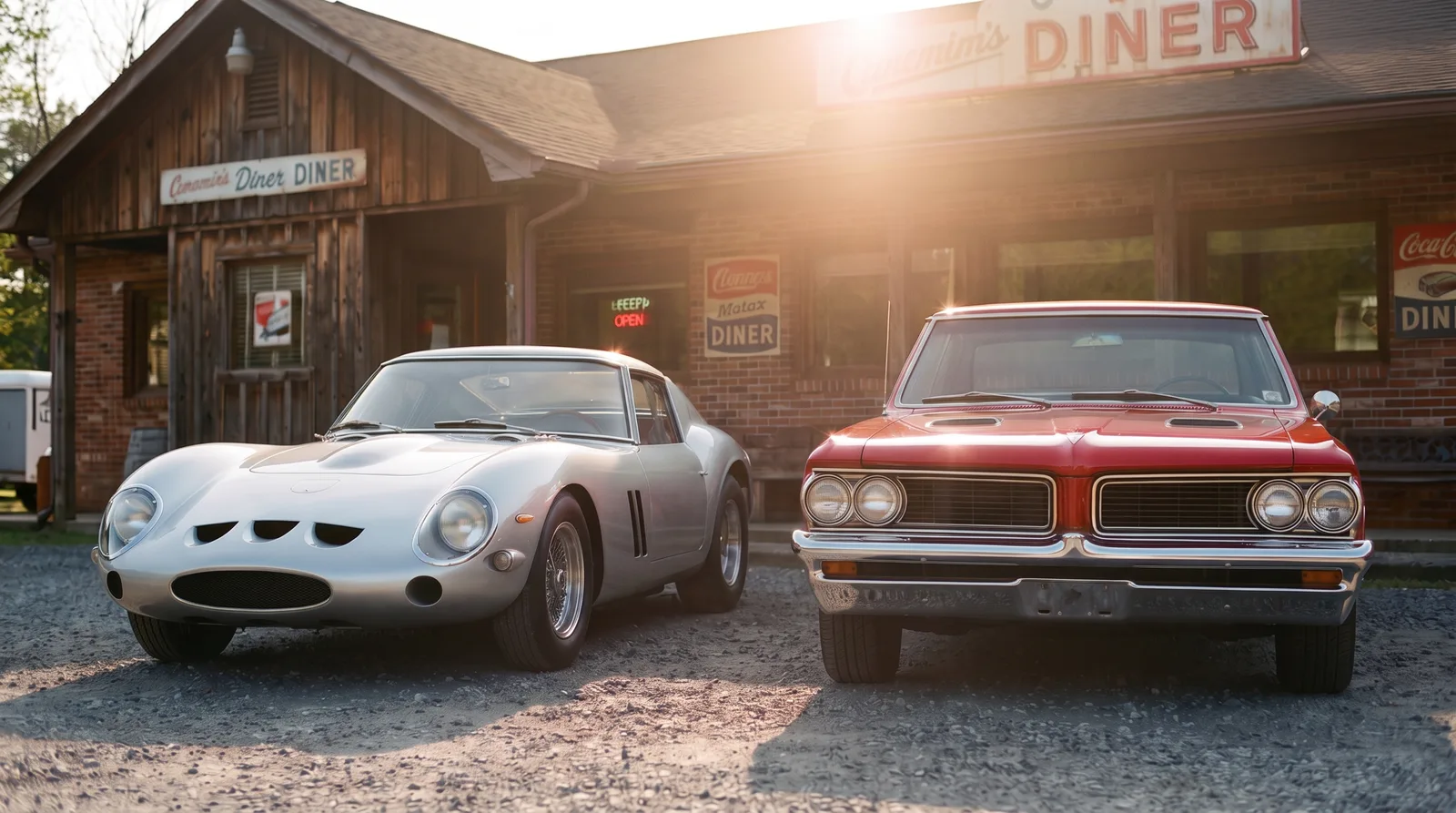
The GTO name itself came from somewhere else entirely, borrowed from a European racing pedigree that had nothing to do with Pontiac or Michigan. read on for how a Detroit option package ended up sharing a name with one of the most famous cars to ever come out of Italy.
Sources and notes
Related Reading
Have a
Pontiac GTO
for Sale?
Reach thousands of serious classic car collectors across the US.
Sell It Here →
Are You a Classic Car Dealer?
List your full inventory and connect with targeted classic car buyers.
Join as a Dealer →

About the author
Gary Nowak
Lifelong Midwest rodder who has been building and driving traditional pre-war hot rods since the 1970s.
Related Listings - Pontiac GTO
Comments (2)
C
Chuck Perkins
1 week ago
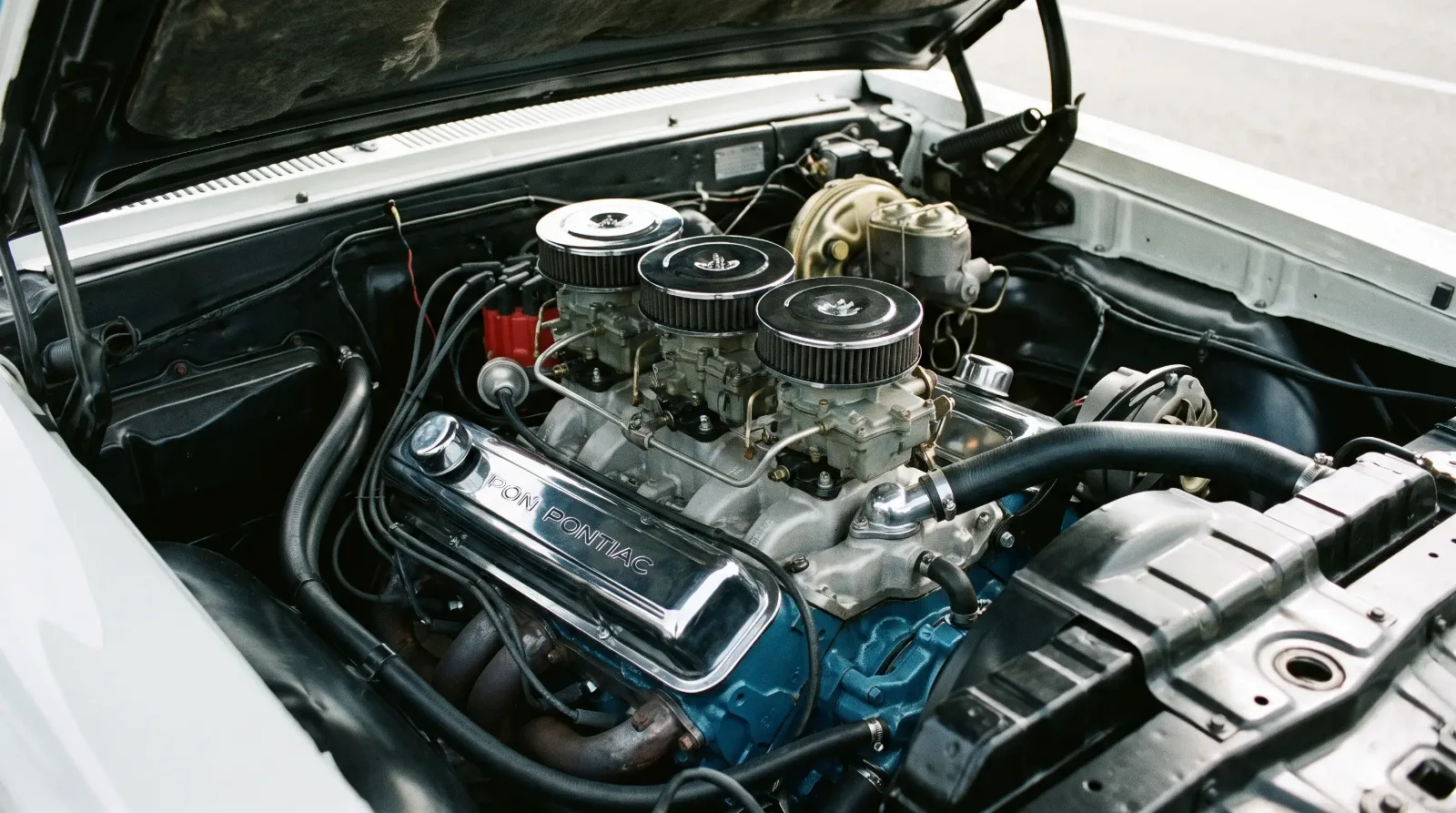
Tri-Power is what made the '64 worth singing about. Three carbs, one linkage. Sync them or don't bother.
W
Wes Hollingsworth
8 hours ago
Gary, my old shop teacher swears Wilkin wrote it in physics class without ever driving one. Is that the real story, and did he ever own a GTO later on?