
Pontiac's own planners projected the GTO option would attract roughly 5,000 buyers in its first year. That number matters because it tells you how the division actually viewed the car internally: a modest halo option, not a volume play. Final production for 1964 landed around 32,000 units, a figure that, whatever the exact rounding, is not a modest miss. It is the kind of gap that changes how a company plans its next model year, and it is the single clearest piece of evidence that the GTO caught Pontiac off guard.
Car Features
7 min read
1964 GTO Production Numbers: The 5,000-Car Gamble That Hit 32,000
Pontiac planned for a niche option package. Buyers turned the 1964 GTO into a roughly sixfold overshoot, and that gap still shapes what a documented car is worth.
The conservative starting bet
Understanding why Pontiac guessed low requires understanding what the GTO actually was on paper before it launched: an option package, not a standalone model, applied to an existing LeMans body. Option packages built around performance upgrades were not unusual, but they rarely moved big volume. Buyers checking a performance option box were assumed to be a narrow slice of the overall LeMans customer base, enthusiasts willing to pay extra for a stiffer suspension and a bigger engine while most buyers stuck with more practical, cheaper configurations. Five thousand units was a reasonable estimate for that kind of niche demand, based on how similar option packages had performed in the past.
The full account of how that option came to exist at all, including the internal GM displacement rules the GTO package worked around, is covered in the 1964 GTO story. That context is useful here because it explains why the projection was conservative by design: nobody inside Pontiac wanted to draw attention to a car that was already skirting a corporate rule.
Reading the actual numbers
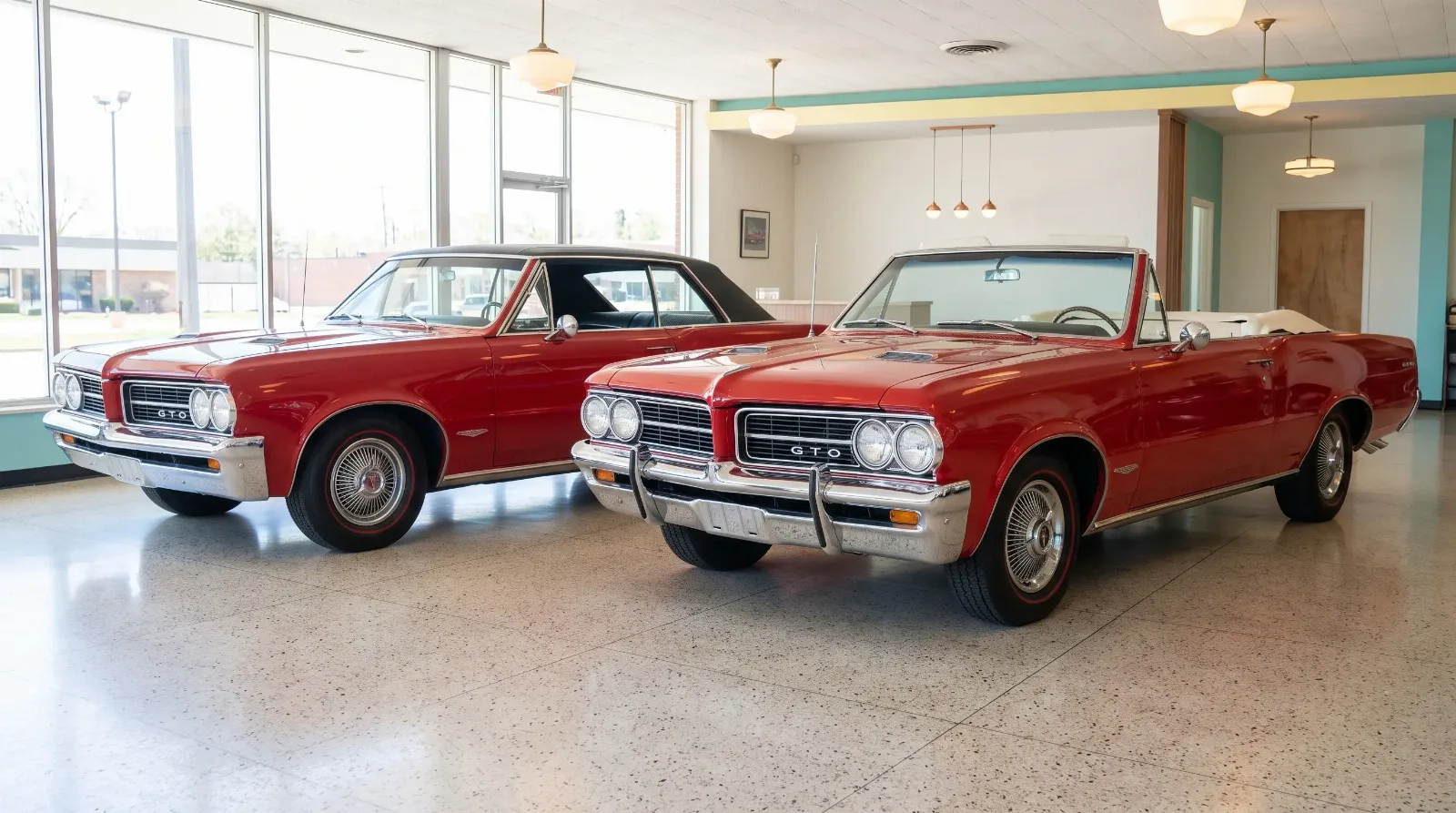
Production figures for the 1964 GTO are consistently reported at 32,450 units across the LeMans hardtop, convertible, and pillared coupe body styles the option was available on: 18,422 hardtops, 7,384 pillared coupes, and 6,644 convertibles. Whatever the precise final tally, the ratio to the original projection is the important number for anyone evaluating the car's historical significance: a roughly sixfold overshoot against internal expectations, achieved in a single model year, with essentially no advance track record to draw buyers in.
| Metric | Figure |
|---|---|
| Initial internal sales projection | Roughly 5,000 units |
| Final 1964 production | 32,450 units |
| Body styles available | Hardtop, convertible, pillared coupe |
| Structure | Option package on Tempest LeMans, not a standalone model |
How the number breaks down by body style
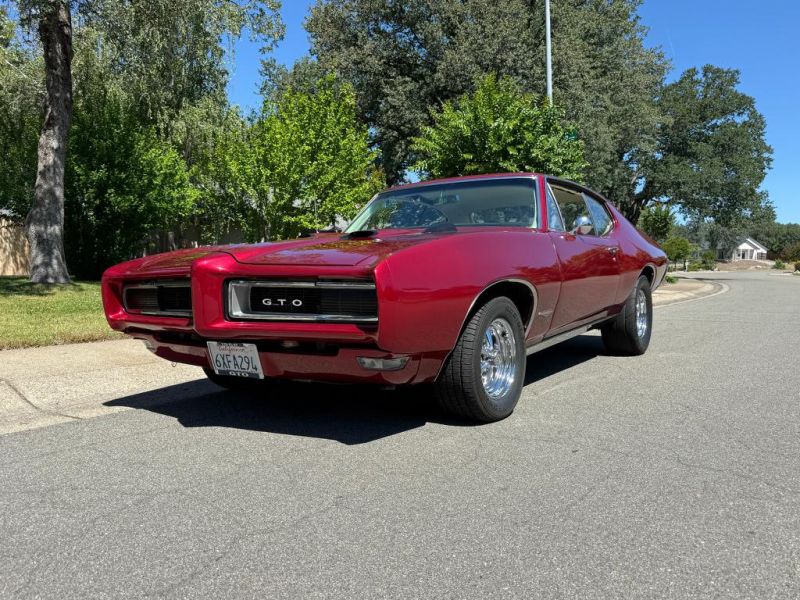
The hardtop carried the bulk of that production run by a wide margin, at 18,422 units, which is exactly what you would expect from a buyer base that wanted the performance option without giving up a practical, everyday coupe. The pillared coupe came next at 7,384 units, ordered mostly by buyers who wanted the GTO drivetrain at the lowest possible price point. The convertible, at 6,644 units, was the rarest of the three body styles by production count. That breakdown matters more to a buyer today than the headline total does, because scarcity within a 32,450-unit run is not evenly distributed. A documented convertible or a correctly optioned pillared coupe is working from a much smaller pool than a hardtop, and the asking price should reflect that pool, not the round number most people quote.
I have appraised hardtops that traded for a fraction of what a comparably equipped convertible brought at the same auction, on the same weekend, with similar mileage and condition. The body style alone was most of that gap. A buyer who only knows the 32,000 figure and does not know the body-style split is negotiating from a weaker position than the seller, whether the seller realizes it or not.
What the industry did in response
Numbers like these do not stay quiet inside a single company for long. Other GM divisions and rival manufacturers had access to the same broad sales reporting Pontiac did, and a sixfold overshoot on a niche option package is exactly the kind of result that gets circulated in internal meetings across Detroit. Within two to three model years, Oldsmobile, Buick, Chevrolet, and the Chrysler divisions had all launched their own version of the same basic formula: a big engine dropped into a mid-size body and marketed as a distinct performance package. That competitive response is, in its own way, the clearest confirmation that the 1964 numbers were not a fluke. An industry does not reorganize its product planning around a one-time accident.
What the overshoot means for value today
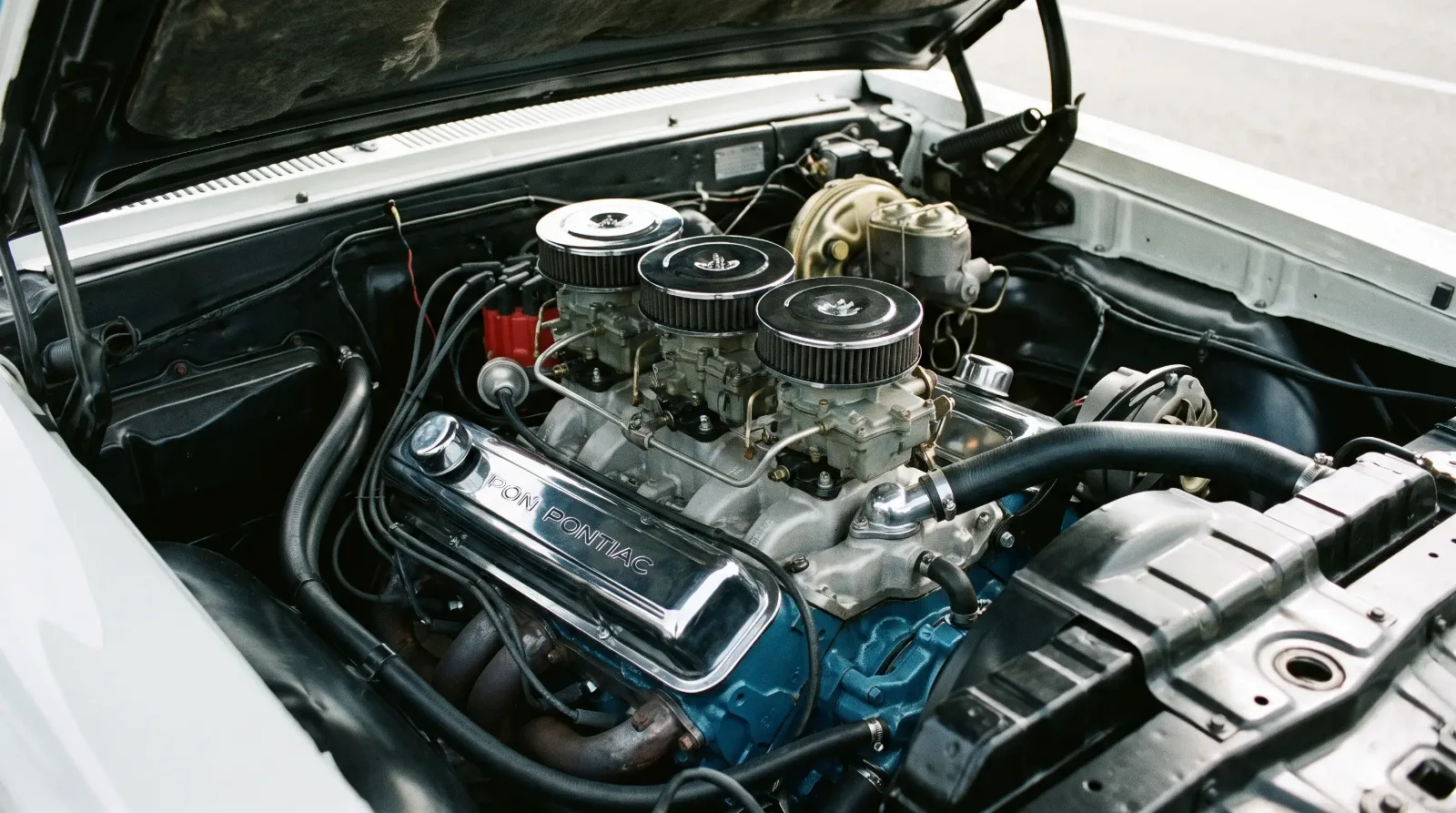
From a collector's standpoint, that production number cuts both ways. Thirty-two thousand four hundred fifty cars is not scarce in the way a hand-built low-volume special is scarce. It is, however, low enough relative to current demand that a documented, correctly optioned first-year car still commands a real premium, particularly with the Tri-Power engine option or a manual transmission, both of which represent a smaller slice of that total production run. The value case for an early GTO rests less on outright rarity and more on documentation: a build sheet, a PHS report, or factory paperwork that ties a specific car to its original option content is what separates a strong six-figure sale from a car that struggles to clear a much lower number, even when both are visually similar.
The downside risk sits exactly where you would expect. Cloned and re-created GTOs, built from a base LeMans with GTO badges and a period-correct 389 added later, are common enough in the market that documentation is not optional for a serious buyer. Given how thin the line was between a GTO and a plain LeMans on the factory floor, that risk is baked into the car's entire history, not a modern problem invented by unscrupulous sellers.
I treat undocumented first-year cars the same way I treat any asset with an easily faked provenance: the price has to reflect the uncertainty, not the seller's story. A car with a matching cowl tag, a plausible VIN sequence, and correct suspension and exhaust components is a reasonable buy even without a full paper trail, but it should be priced as such. A car with none of that supporting evidence, resting entirely on badges and a confident seller, is a bigger bet than the sticker price usually admits.
None of that is meant to scare a buyer away from the model. It is meant to point them toward the paperwork before they point them toward the paint. A well-documented 1964 GTO, even a fairly ordinary example mechanically, tends to hold its value through market swings better than a flashier but undocumented car, simply because the buyer pool for genuine history is deeper and more patient than the buyer pool for a good story.
"Thirty-two thousand cars sounds like a lot until you remember what Pontiac actually planned for. That gap between the projection and the reality is worth more to a serious buyer than any horsepower figure, because it tells you this car earned its reputation in the market, not in a boardroom."
Marcus Feld
The GTO's launch reached well past car buyers, too, into pop culture in a way few option packages ever manage. read on for how a hit single helped push the car's name into households that never set foot in a Pontiac showroom. For the broader arc of how a cautious internal bet turned into one of Detroit's defining cars, how the GTO began fills in the years that followed.
Sources and notes
Related Reading

Have a
Pontiac GTO
for Sale?
Reach thousands of serious classic car collectors across the US.
Sell It Here →
Selling a classic? Here's how: where to sell your classic car online
Are You a Classic Car Dealer?
List your full inventory and connect with targeted classic car buyers.
Join as a Dealer →

About the author
Marcus Feld
Accredited collector-car appraiser who reads the market through hammer prices, condition tiers and risk.
Related Listings - Pontiac GTO

Comments
Be the first to comment on this article.