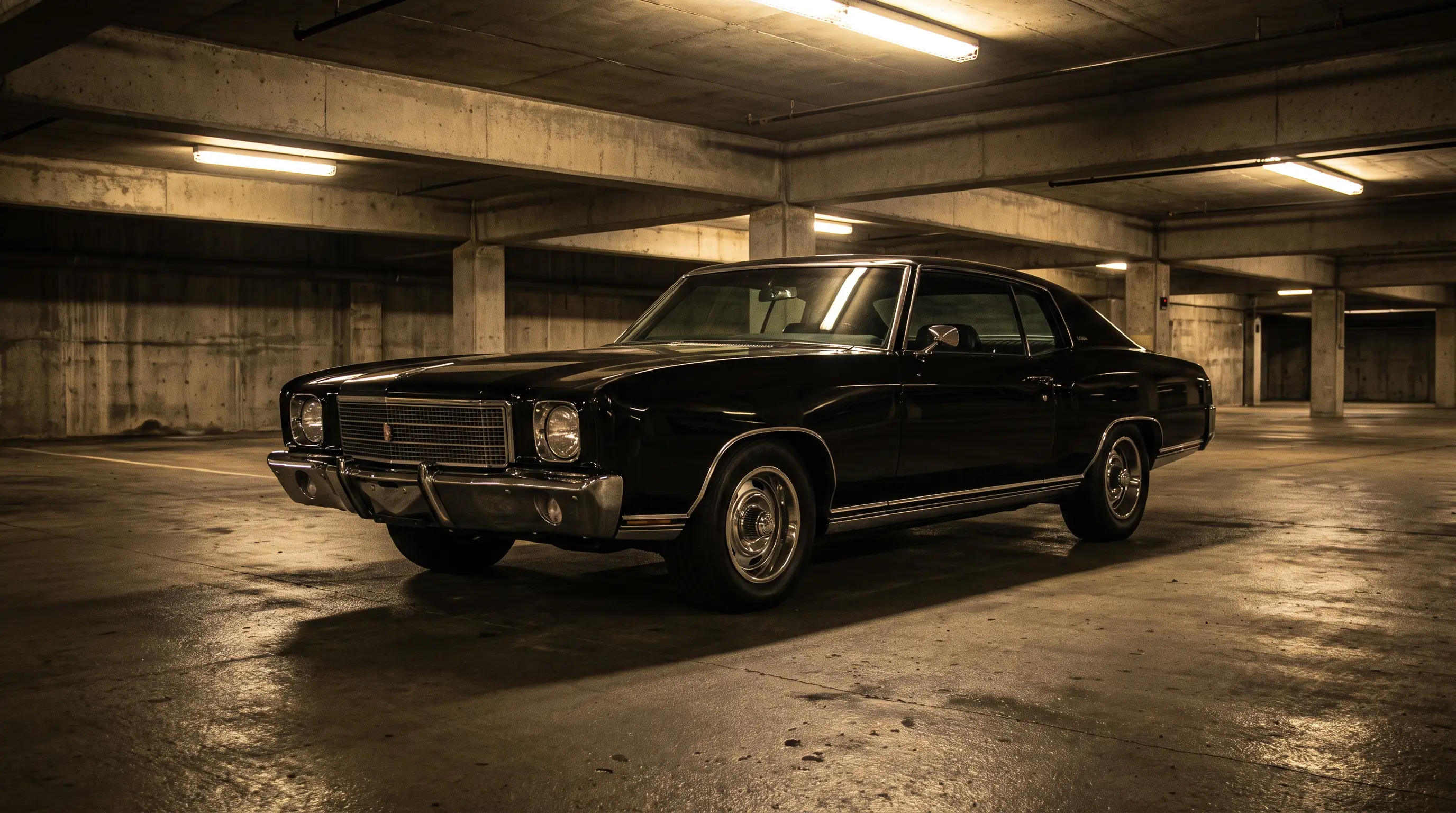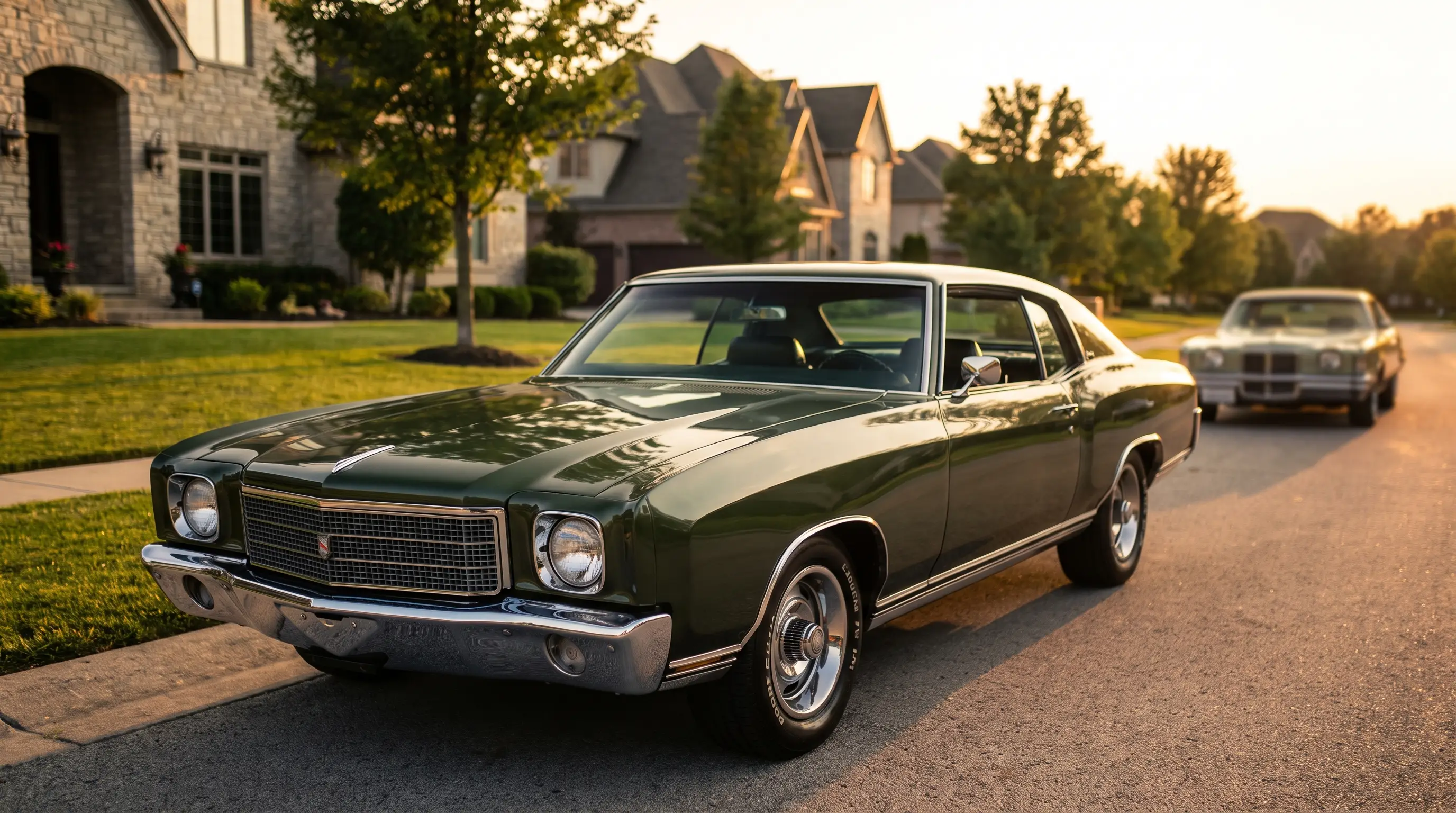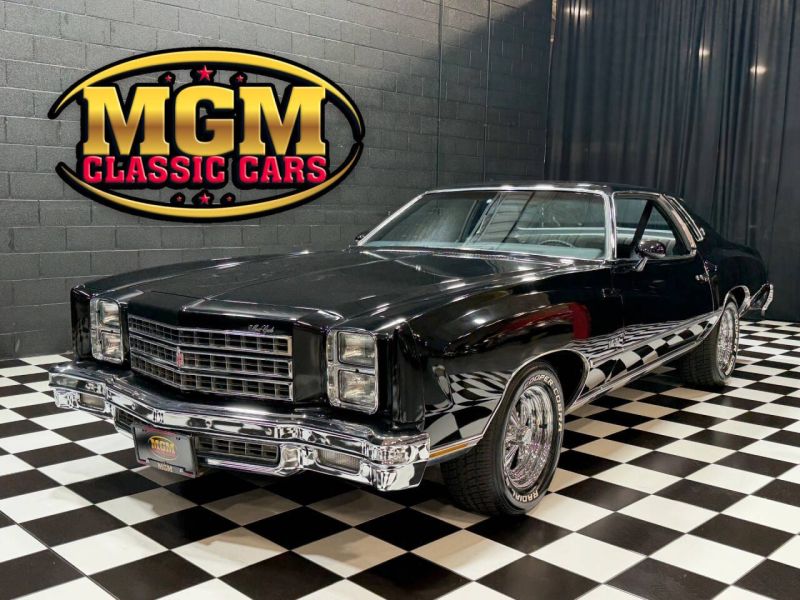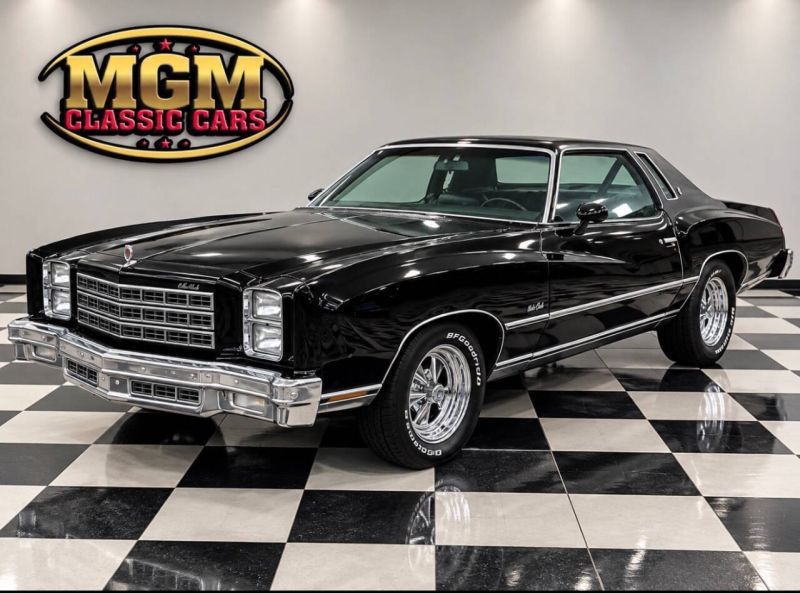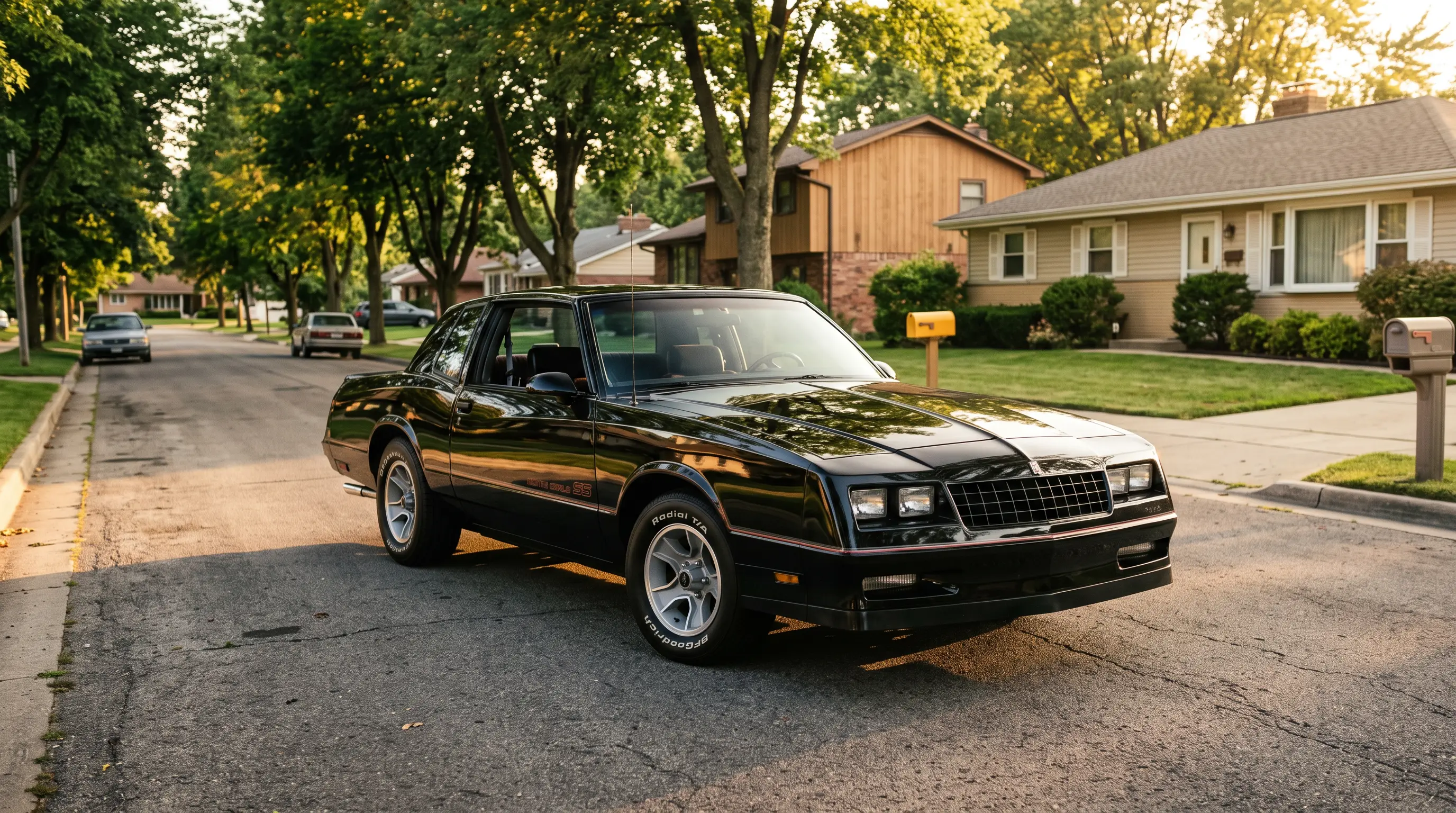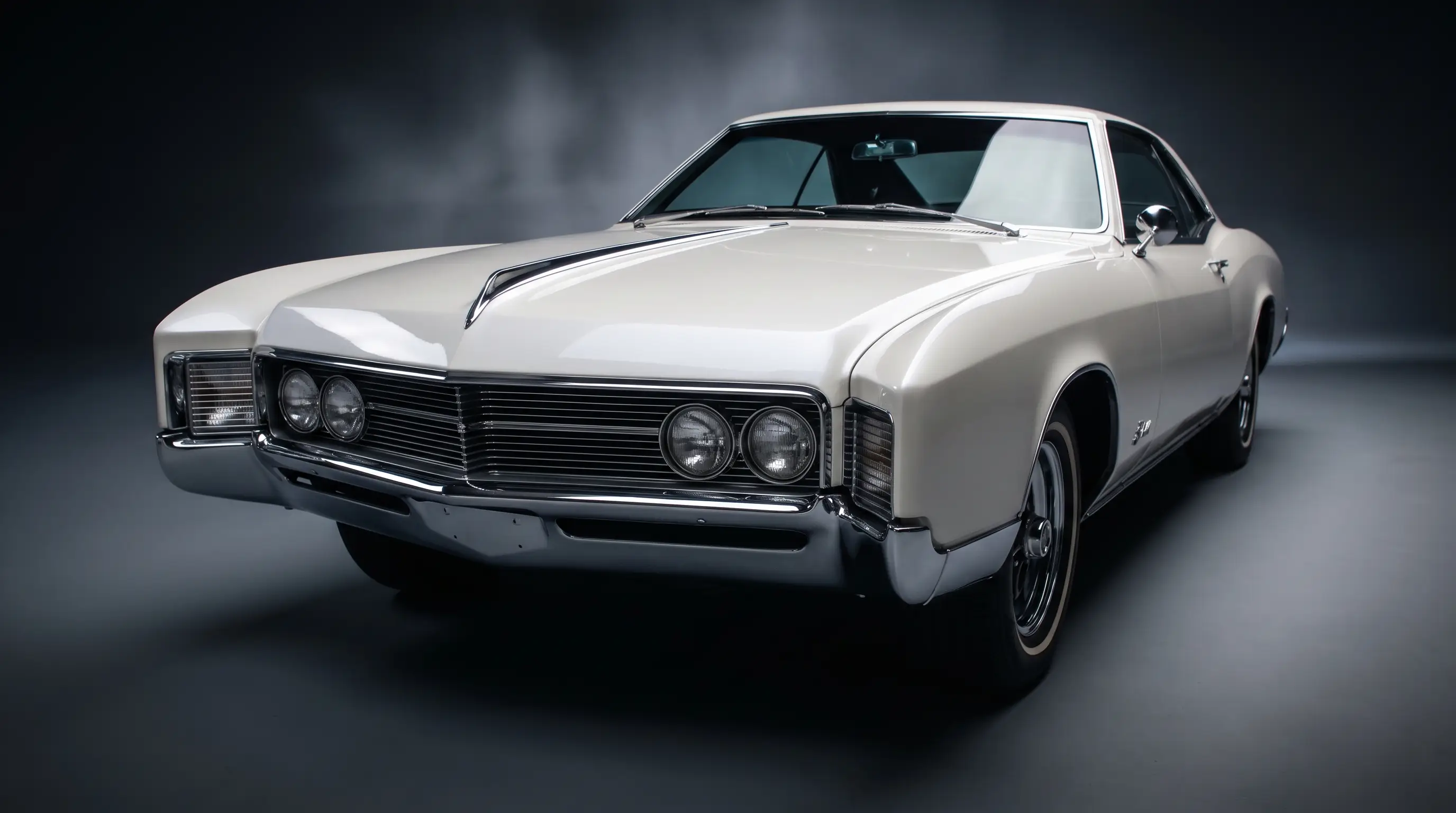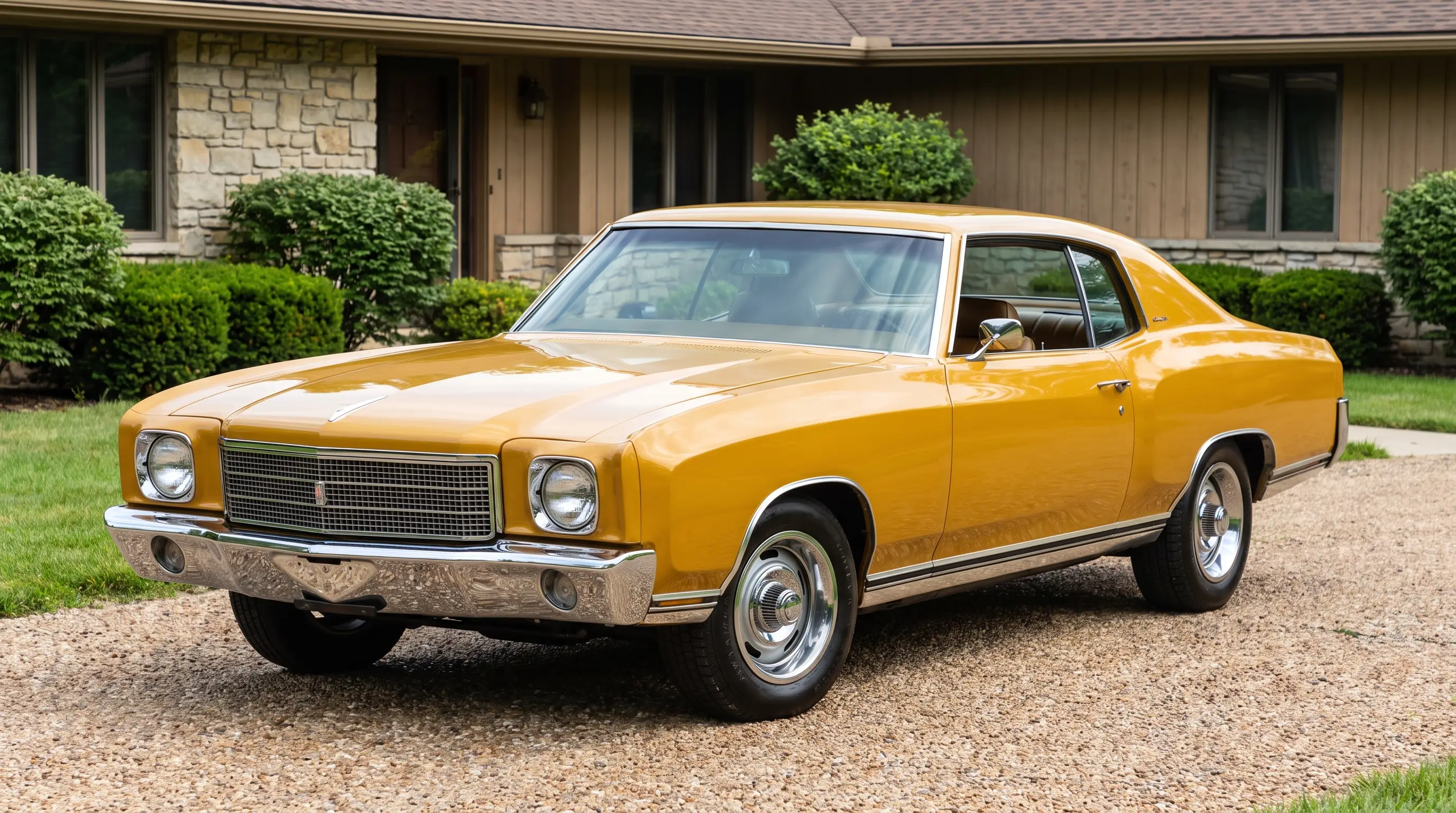
A woman in Toledo once told me she bought her 1971 Monte Carlo for the color before she ever sat in the driver's seat. The dealer had it parked under the showroom lights in a deep rosewood metallic with a white vinyl roof, and she said it looked like furniture she wanted to live inside. That is the thing about monte carlo 1971 color options: they were never an afterthought bolted onto a spec sheet. Chevrolet built the Monte Carlo to be looked at first and driven second, and the paint chart was where that idea lived or died.
A personal luxury car needed a personal luxury palette
When Chevrolet introduced the Monte Carlo for 1970, it was chasing a market that Pontiac's Grand Prix and Ford's Thunderbird had already staked out: buyers who wanted a big American coupe that read as upscale without the price tag of an actual luxury marque. For 1971 the formula held, with a mildly revised grille and taillamp treatment, but the color strategy stayed just as deliberate. Where the Chevelle SS wore loud, competitive colors built to be seen at a stoplight, the Monte Carlo leaned toward tones that photographed well in a driveway. Warm metallics, soft earth shades, and a handful of restrained pastels dominated the order sheet, and Chevrolet paired many of them with a vinyl top option in white, black, or a matching darker tone.
Anyone who wants read the background on how the car itself came together that year already knows the styling brief was restraint with a little flash underneath. The colors followed that same brief to the letter.
The shades buyers actually chose
Dealer literature and surviving build sheets point to a lineup weighted toward browns, golds, and grays, the same earth-tone family that swept American interior design in the early 1970s. The 1971 exterior chart ran to fourteen factory colors, including Antique White, Nevada Silver, Tuxedo Black, Ascot Blue, Mulsanne Blue, Cottonwood Green, Antique Green, Sunflower Yellow, Placer Gold, Sandalwood, Burnt Orange, Classic Copper, Cranberry Red, and a rich Rosewood metallic, the shade that shows up again and again in period photography and owner registries. Reds existed on the chart but were ordered far less often than on the Chevelle, since the Monte Carlo's whole pitch was quiet confidence rather than muscle-car attention.
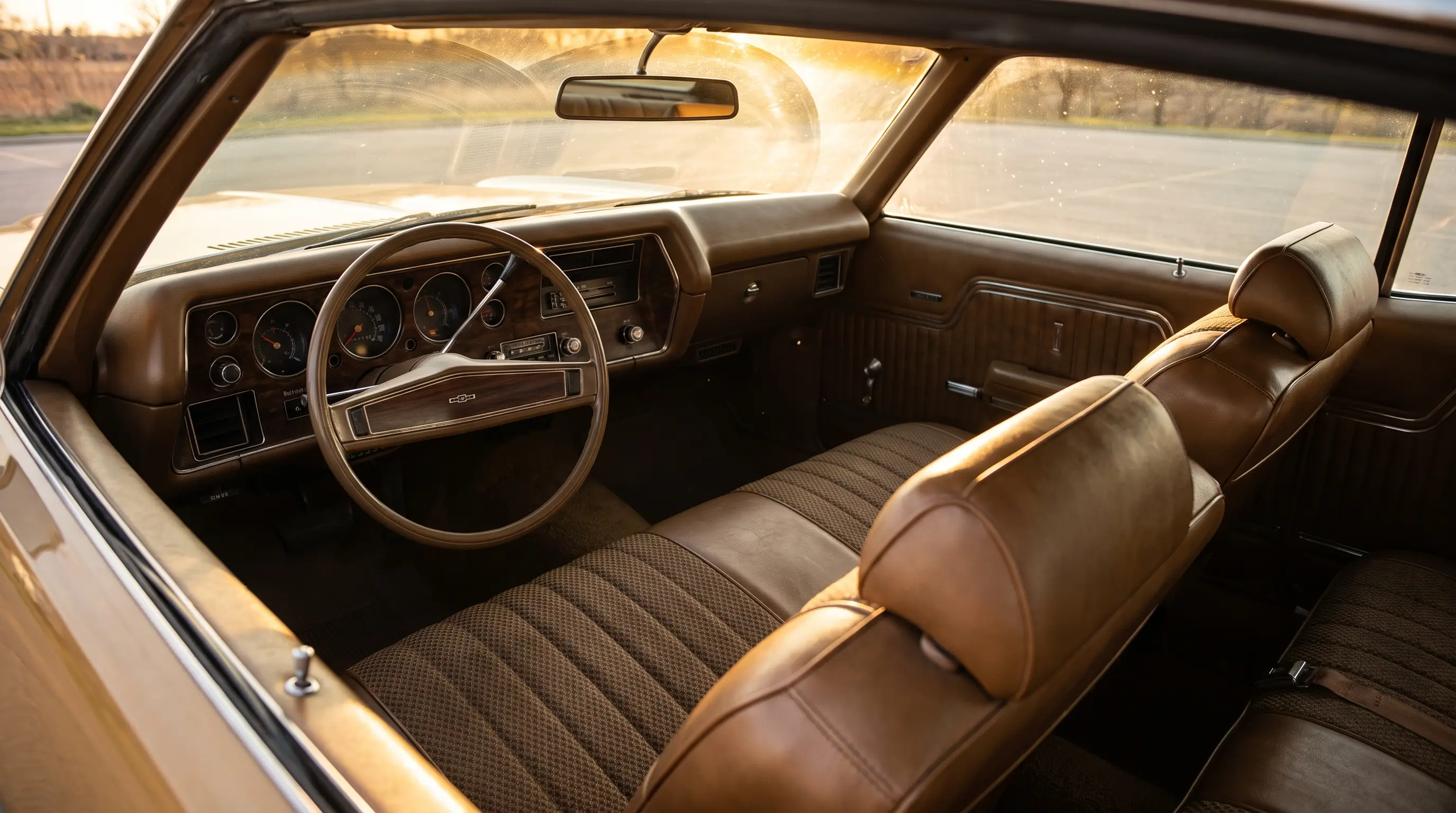
Interior colors followed the exterior mood rather than fighting it. Buyers who chose a deep brown metallic tended to pair it with a saddle or tan interior, while silver and white cars often went dark inside for contrast. It was a coordinated system more than a checklist, and Chevrolet's regional zone offices pushed dealers to keep certain combinations in stock because they simply sold faster.
Why some colors are worth more today
Collector demand has quietly rewritten what counts as a desirable color forty years on. Bright factory colors that were slow sellers in 1971 because they felt too loud for a personal luxury car are now the ones that pull a premium at auction, because they stand out in a sea of beige coupes. Meanwhile the safest, most common shades from new-car showrooms, the tans and light golds that dealers stocked heaviest, are now the ones you see most often precisely because so many were built. Scarcity, not popularity, drives the collector market, and it has flipped the original sales logic on its head.
Documentation matters as much as the color itself. A build sheet or a Protect-O-Plate confirming the factory paint code turns a repainted car into a verified survivor, and that paperwork routinely adds real money to a sale even when the color itself is common.
"People assume the rare colors were always rare because nobody wanted them. Mostly it is the opposite. The colors nobody wanted back then are the ones nobody bothered to keep, and now they are the ones you cannot find."
- Nora Beckett
How the region you bought in changed what you got
Chevrolet's zone distribution system meant color availability was never quite even across the country. A dealer in the upper Midwest tended to stock darker metallics and vinyl tops because buyers there wanted a car that hid road grime through a long winter, while a Sun Belt dealer leaned on lighter colors and open-air appeal, betting that a white or pale gold coupe would show better against a cloudless sky for eleven months of the year. None of this was written policy so much as habit built up over years of watching what sold off the lot fastest, but it means a 1971 Monte Carlo built for a Phoenix dealer and one built for a Minneapolis dealer often looked like they came from two different eras of the same design, even though the paint chart handed to both dealers was identical.
That regional bias still shows up in registries today. Cars that surface out of the Southwest are disproportionately light-colored and vinyl-topless, while barn finds pulled out of the Rust Belt skew toward the darker end of the chart with a vinyl roof doing double duty as rust protection for the rear window channel, whether or not that was ever the intent.
Living with a color decision fifty years later
Ask any long-time Monte Carlo owner about repainting a car back to its factory shade versus something else entirely, and you will get a strong opinion either way, usually delivered without being asked twice. Purists argue the original color is part of the car's identity, tied to a build date, a plant, and a specific run of paint that will never be mixed the same way again. Others point out that a driver-quality Monte Carlo repainted in a color the owner actually loves gets used more, shown more, and enjoyed more than one kept "correct" out of obligation. Neither argument is wrong. It just depends on whether the car is a document or a companion.
That tension is part of why so many owners spend more time debating a paint code than they ever spend debating an engine option. The Monte Carlo was sold on how it looked in the driveway, and fifty years later, that is still the argument people are having about it, at car shows, in forum threads, and over the hood of a half-finished project in somebody's garage. If that history has you curious enough to go looking, you can find a classic Monte Carlo in something close to the original shade that once caught someone's eye under a showroom light.