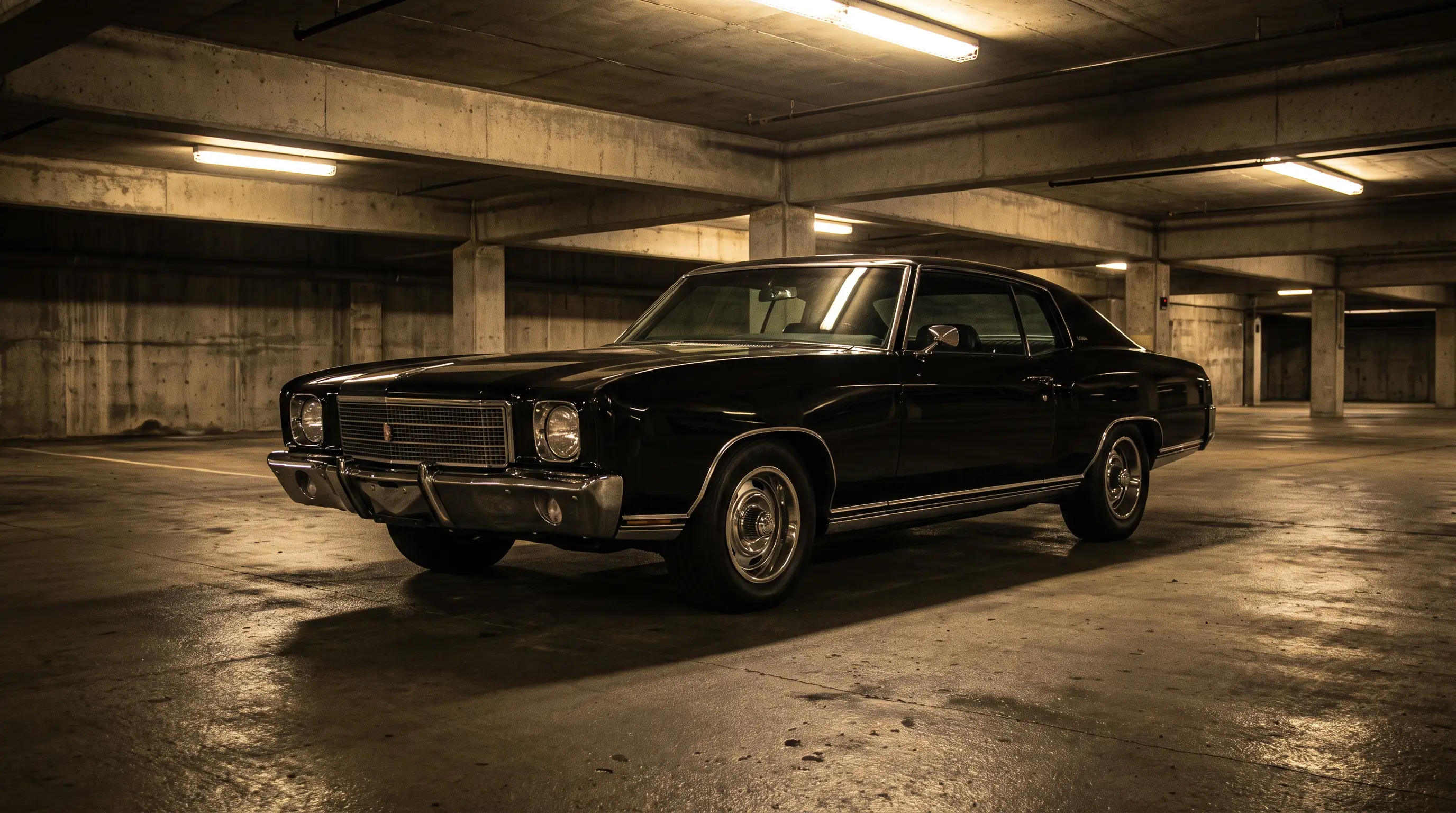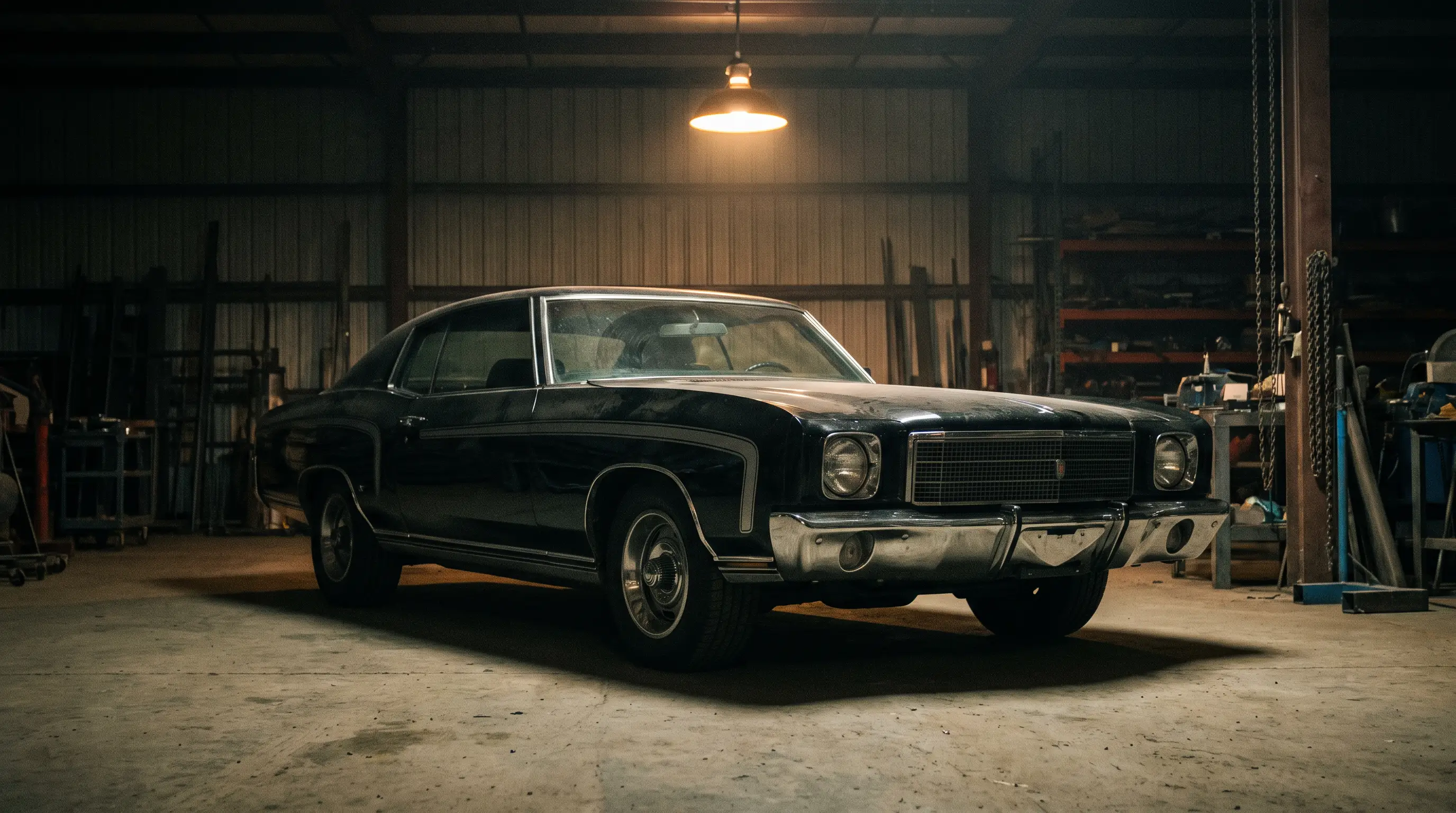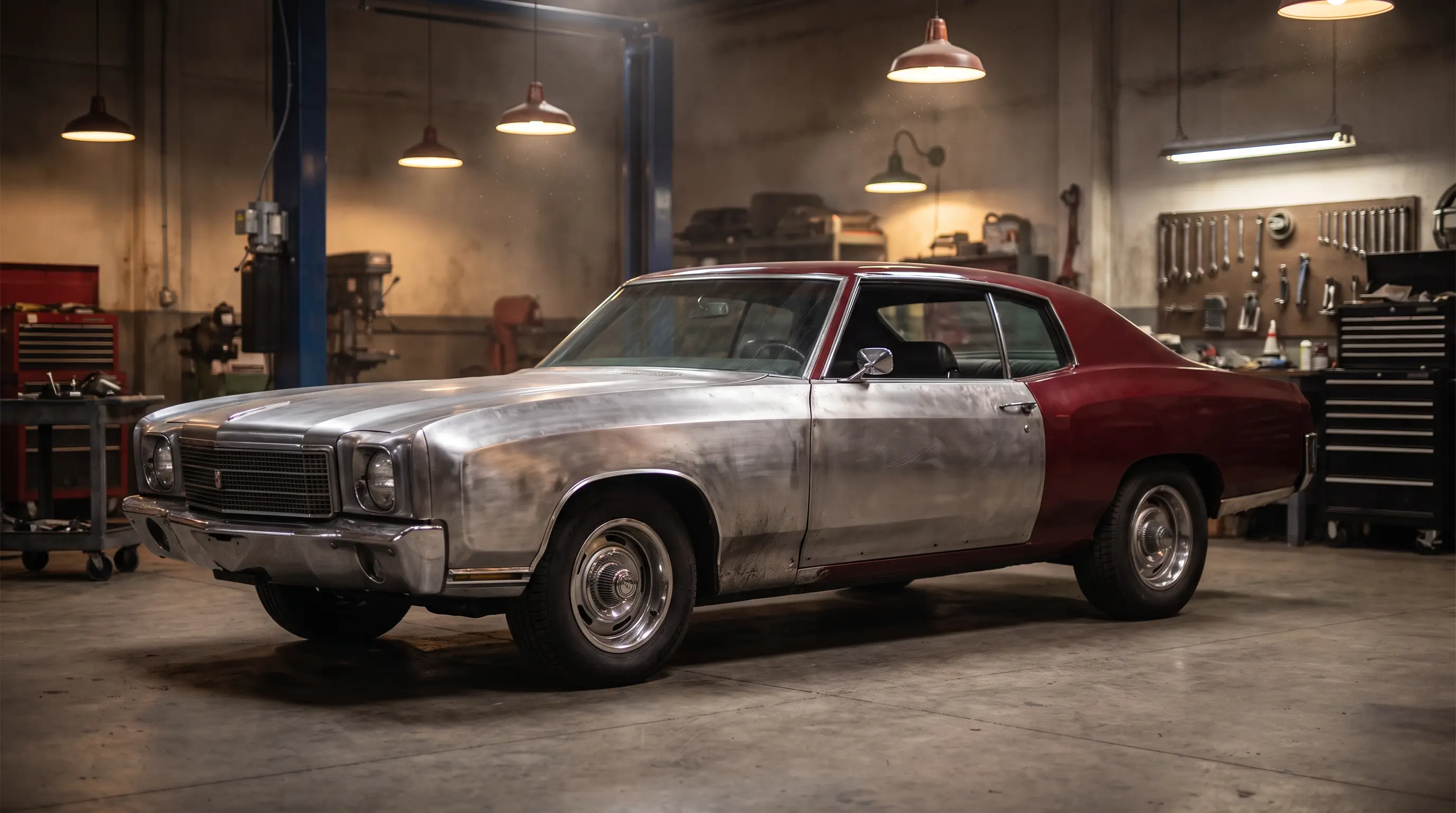
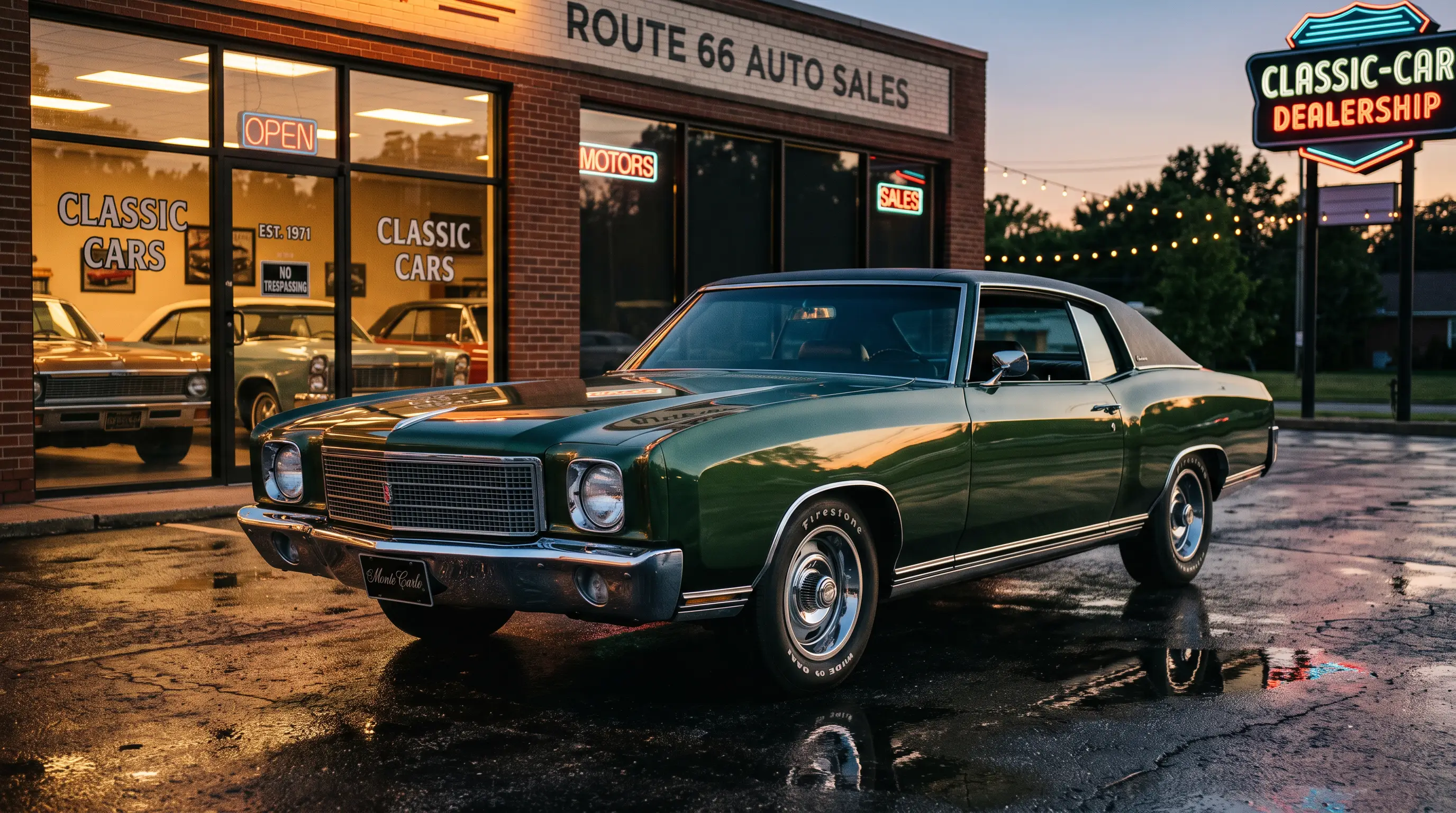
Every surviving 1971 Monte Carlo carries a paper trail if you know where to look for it, and the best monte carlo 1971 survivor stories are the ones where that paper trail actually holds up. Fifty-plus years is long enough for most cars to be scrapped, wrecked, or quietly parted out, so the ones still running today earn a closer look at how they made it this far and what that survival actually says about them.
What actually makes a car a survivor
The term gets used loosely, but among researchers a genuine survivor means something specific: a car with its original drivetrain, original body panels, and enough factory finish remaining that a knowledgeable eye can confirm it has not been substantially rebuilt or reproduced. That is a higher bar than "runs and drives" or "no rust." Plenty of solid-looking 1971 Monte Carlos on the market today have had engines swapped, quarter panels replaced, or interiors redone decades ago, and none of that makes them bad cars, but it does take them out of true survivor status. The genuine article usually shows its age somewhere: a worn driver's seat bolster, an interior that has faded unevenly with the sun, factory overspray still visible in the trunk or door jambs.
The full arc of how this generation of Monte Carlo was built and sold is covered in the full story, and it is the right starting point before chasing any individual survivor claim, since knowing what a factory-correct car should look like is the only way to judge whether a specific example still matches it.
Where the survivors actually came from
Climate did more to determine survival than anything an owner did on purpose. Cars that spent their lives in the dry Southwest or in mild coastal climates avoided the rust that ate through rocker panels, floor pans, and trunk floors across the Rust Belt and the upper Midwest. A disproportionate share of today's best-documented survivors trace back to states where road salt was never part of winter driving, and that geographic pattern shows up again and again in registry records and auction provenance. Garage storage mattered too. A car parked outdoors year-round for three decades rarely survives with original paint intact, no matter how dry the climate, while even a modest carport made a measurable difference over that span of time.
Single ownership is the other recurring thread. Cars that stayed with one family from new, sometimes passed down a generation before finally being sold or donated to a collector, tend to have the cleanest documentation because nobody along the way had a reason to misplace the original invoice or lose track of service records.
The stories collectors actually tell each other
Ask around any Monte Carlo club meet and you will hear the same category of story repeated with different details: a car found in a barn after decades, purchased from the original owner's estate, or discovered still registered and insured despite sitting untouched for years. What makes these stories worth telling is rarely the car alone. It is the documentation that turned up alongside it, a window sticker tucked in a glovebox, a dealer invoice folded into an owner's manual, a stack of maintenance receipts that confirms the odometer reading is real rather than assumed. Those details turn a good find into a documented one, and documented is the word that actually moves a sale price.
Not every survivor story has a happy ending. Plenty of genuinely original cars have been over-restored by well-meaning owners chasing show-quality paint, unintentionally erasing the very originality that made the car special in the first place. The hobby has gotten better at recognizing this trade-off over the last decade, and a growing number of clubs and judging classes now specifically reward preserved originals over trailer-queen restorations, a shift that has helped keep more genuine survivors from being converted into something they were never meant to be.
"The best survivor I ever researched came with a shoebox of receipts nobody had bothered to throw away for forty years. That shoebox was worth more to the eventual sale price than a fresh coat of paint would have been."
- Tom Ramirez
Reading a survivor's wear correctly
Experienced researchers learn to read specific wear patterns rather than judge a car on overall shine. Factory-applied undercoating in wheel wells, if it has never been touched, ages in a distinctive way that reproduction undercoating does not replicate convincingly. Original paint on a horizontal surface like a trunk lid or a roof fades differently under decades of sun than a repaint does, developing a soft, slightly chalky texture rather than an even sheen. Even the factory-applied inspection marks and grease-pencil notations that assembly line workers left inside doors and under seats, meant to be invisible in daily use, become meaningful evidence decades later precisely because nobody thought to fake them at the time.
None of this is exotic knowledge, but it takes an eye trained on genuine examples to spot reliably, which is why so many buyers lean on club members and marque specialists before finalizing a survivor purchase rather than trusting their own read on a car they saw once at a swap meet. A second opinion from someone who has handled dozens of these cars is cheap insurance against paying survivor prices for a car that only looks the part.
What this means if you are hunting for one
Anyone chasing a genuine 1971 Monte Carlo survivor should treat the paperwork as the primary search criterion, not a bonus. A clean title history, a build sheet, service records, even old registration cards all tell a more reliable story than a walk-around inspection alone, since a careful cosmetic restoration can fool an untrained eye far more easily than it can fool a paper trail. Patience matters more than urgency in this hunt. The cars with real documentation surface rarely, often through estate sales or long-time club connections rather than open listings, and buyers willing to wait for the right one tend to end up far better off than those who settle for the first solid-looking car they find. Joining a regional or national club before buying rather than after is one of the more underrated moves a serious hunter can make, since club members frequently hear about estate cars and long-parked survivors well before they ever reach a public listing. If you want to start that search today, there are classic Monte Carlo for sale listings worth working through with that same standard in mind, shoebox of receipts or not.