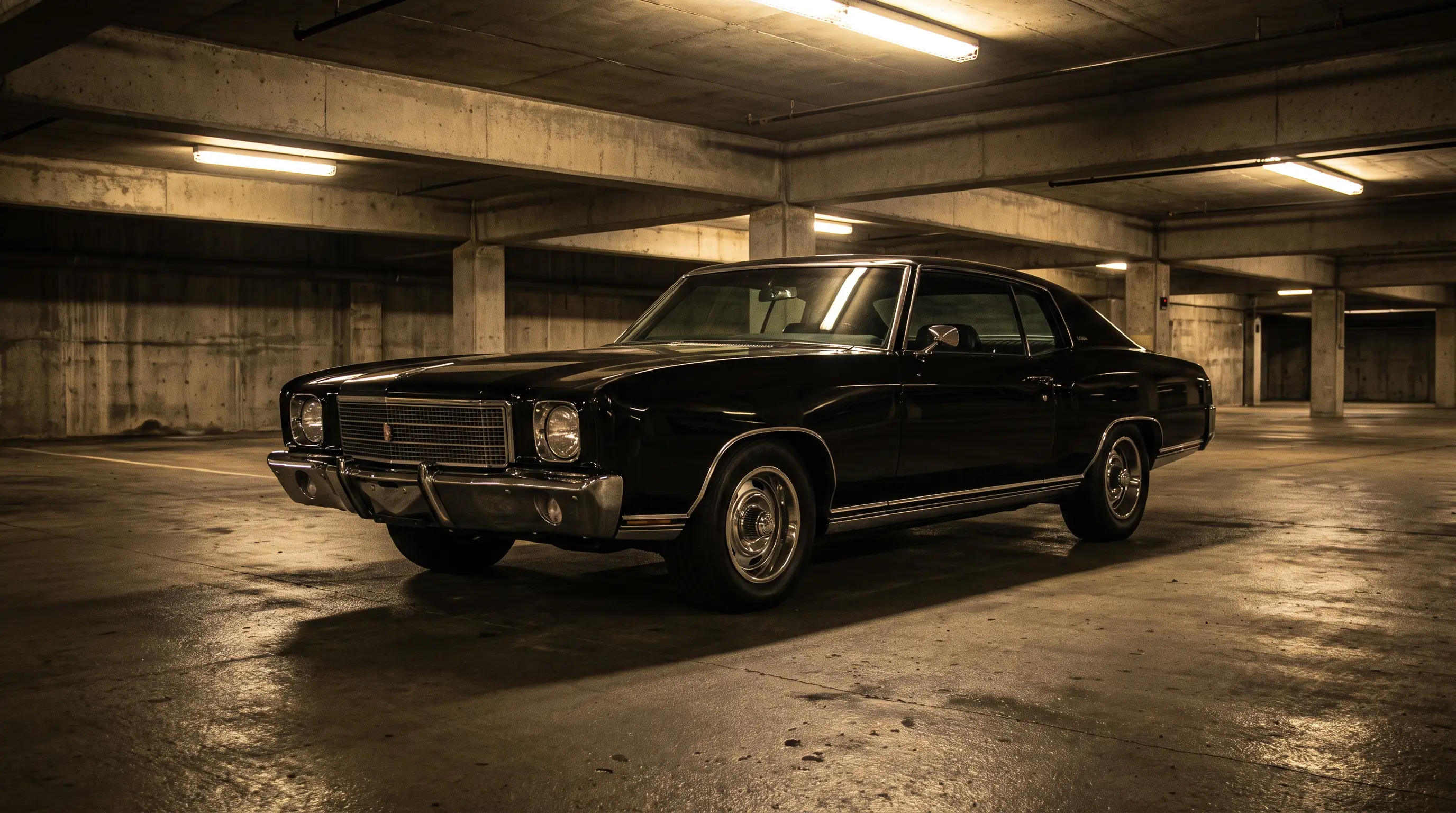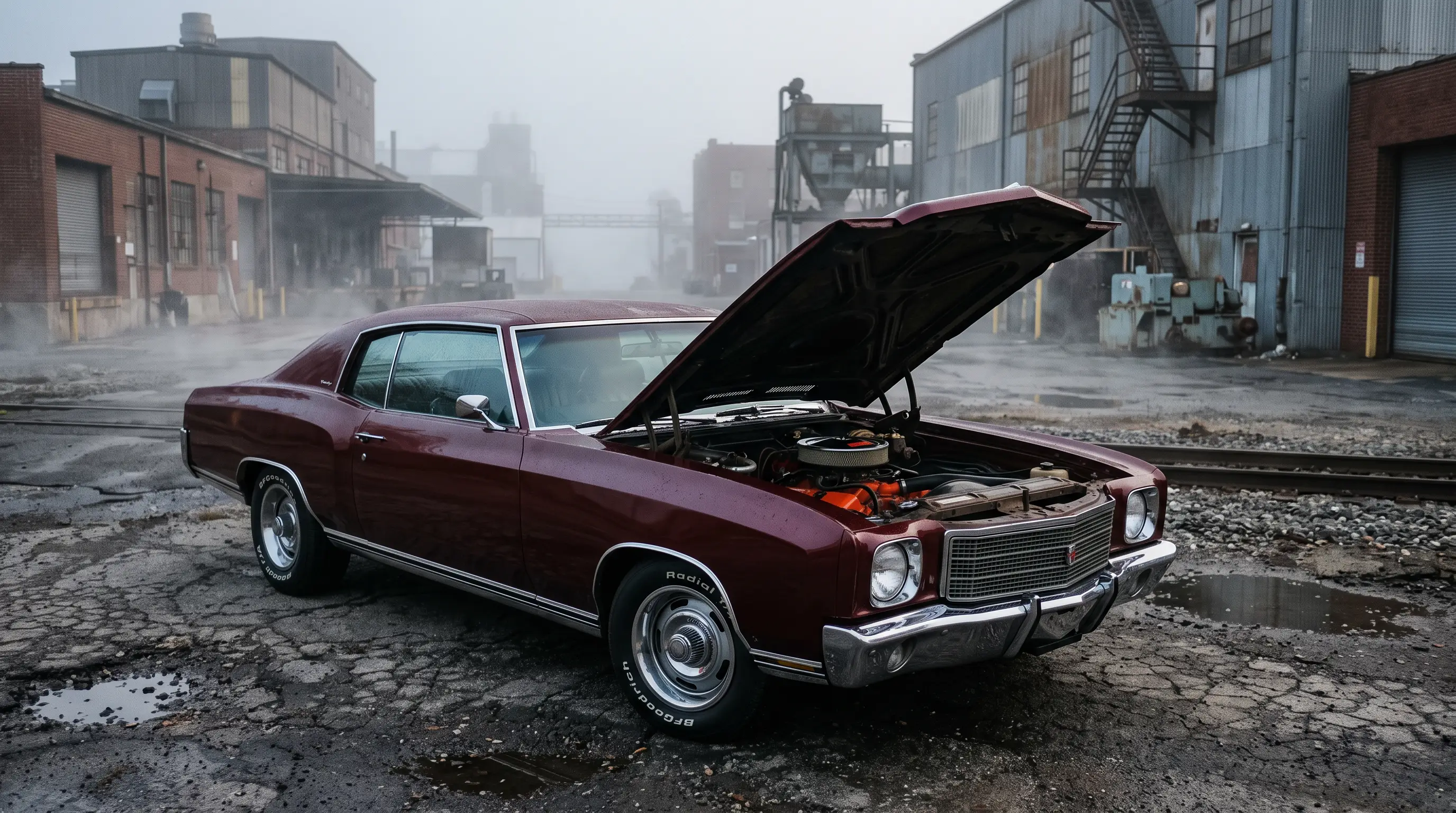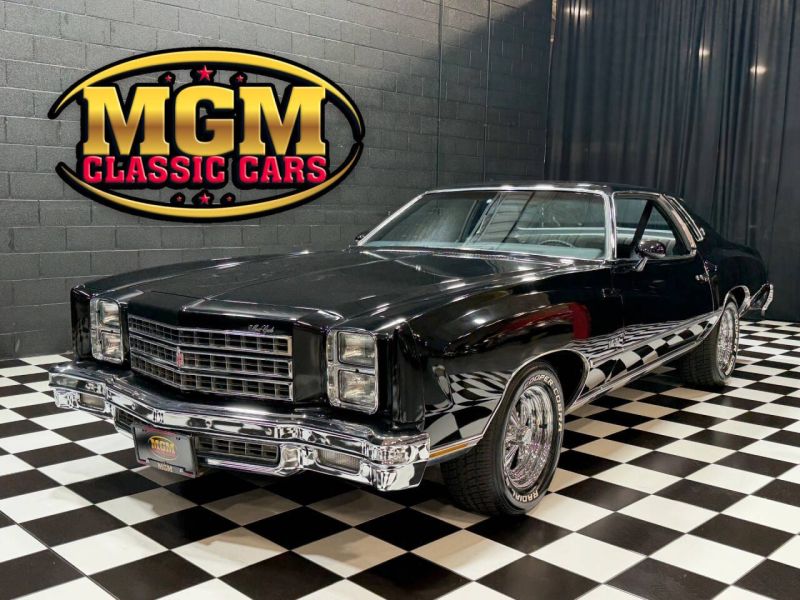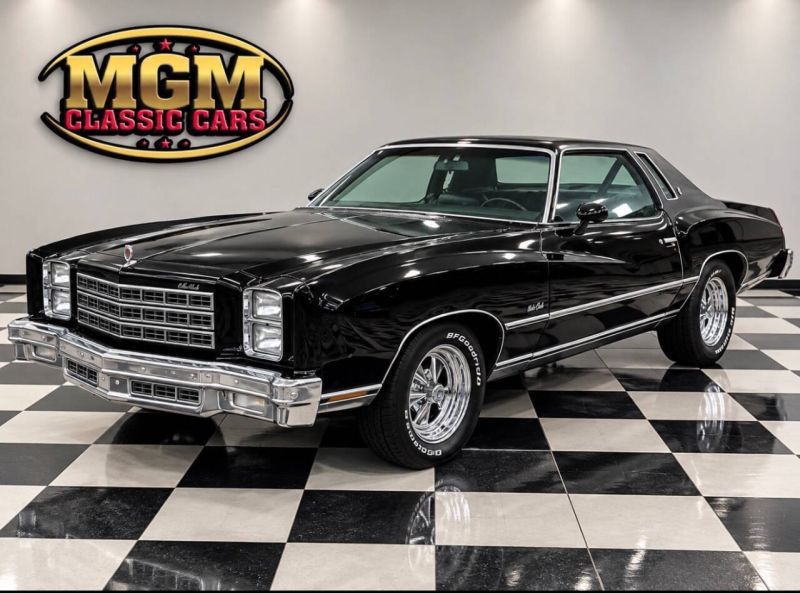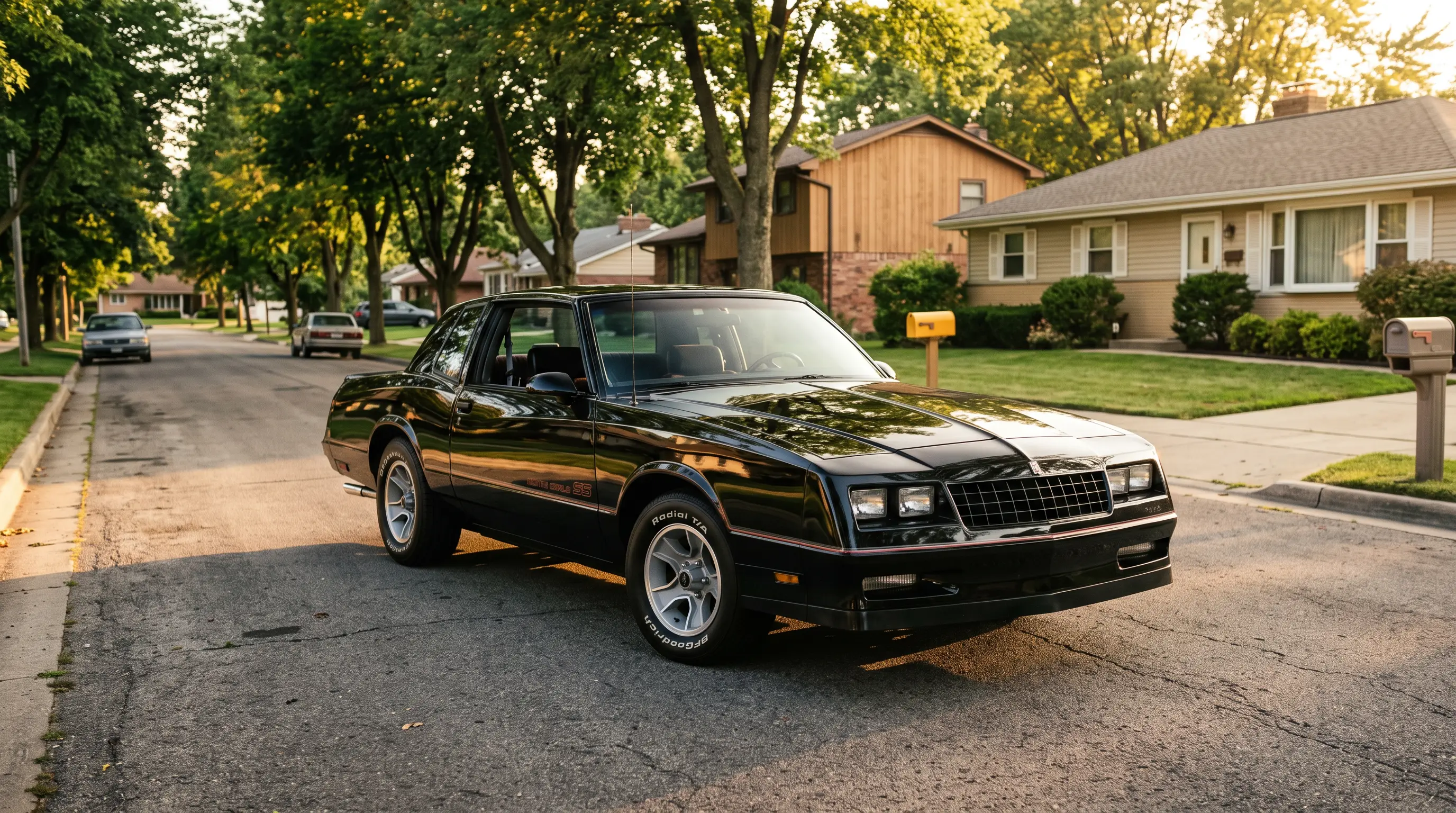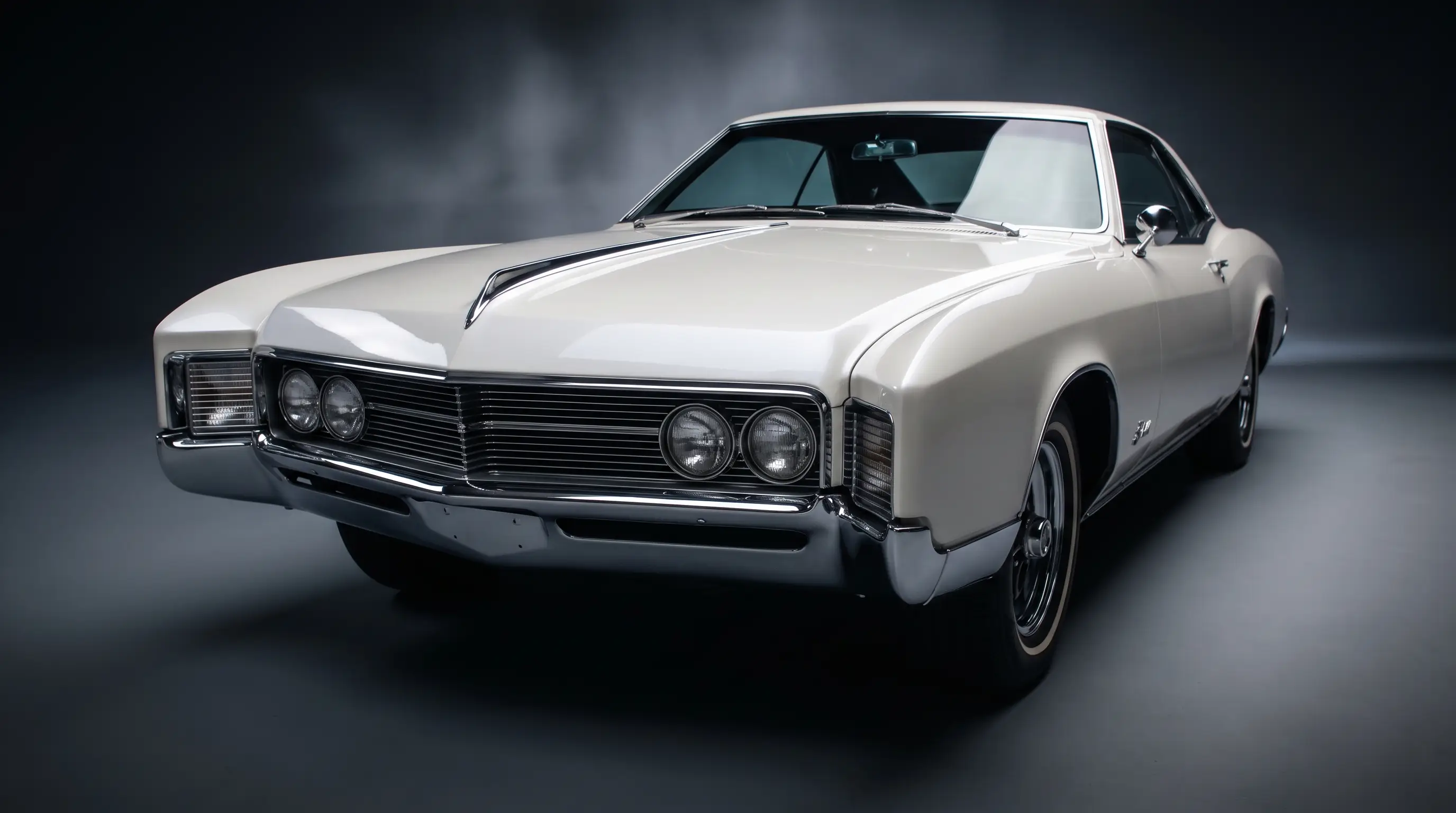
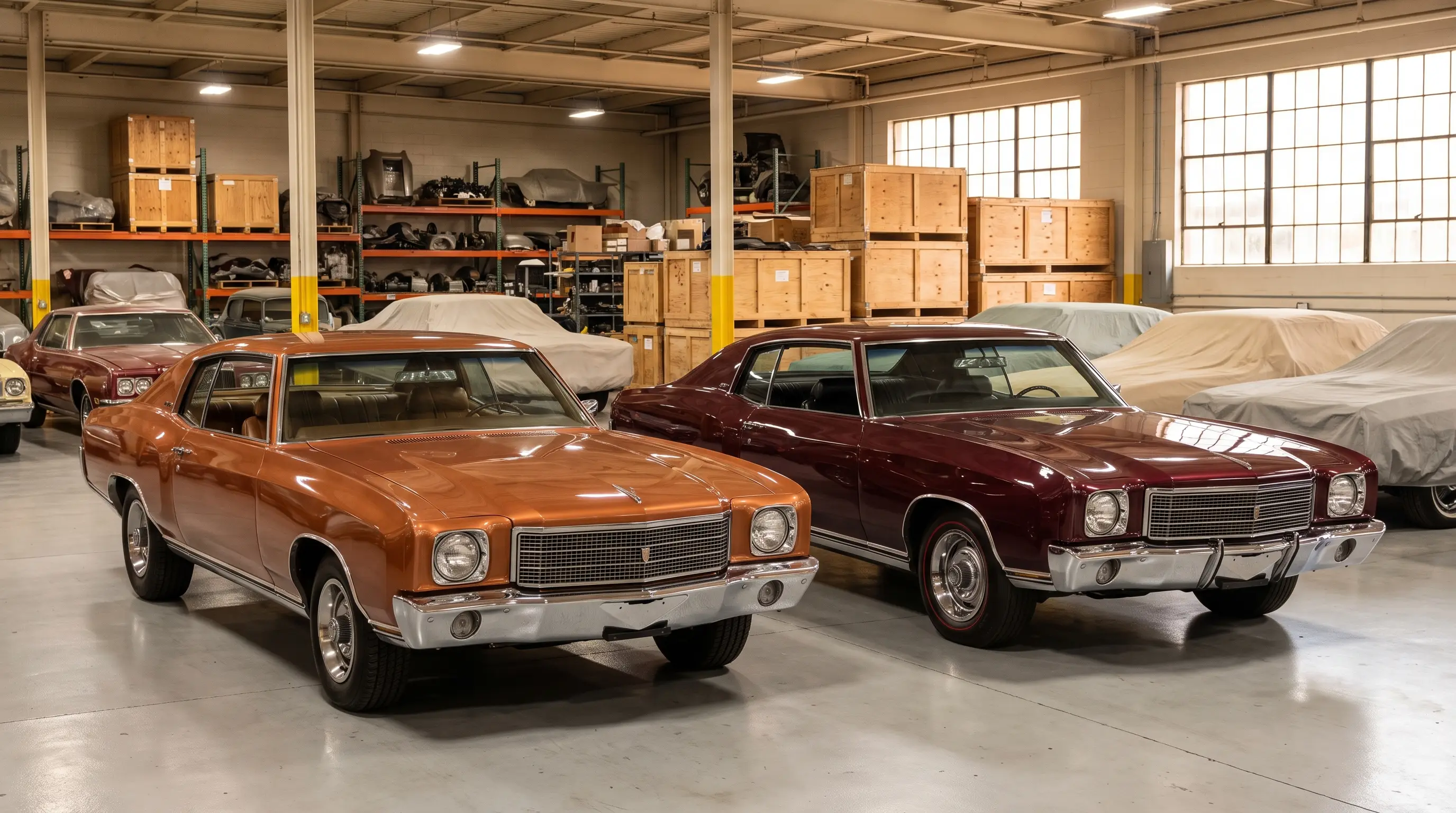
Parked side by side, a 1970 and 1971 Monte Carlo can fool a casual observer at fifty paces. Chevrolet did not redesign the car for its second model year, and the factory record shows a deliberate set of refinements rather than a new generation. Knowing exactly what changed, and just as importantly what did not, is the difference between correctly identifying a car and guessing at its year from memory.
The front end tells the story fastest
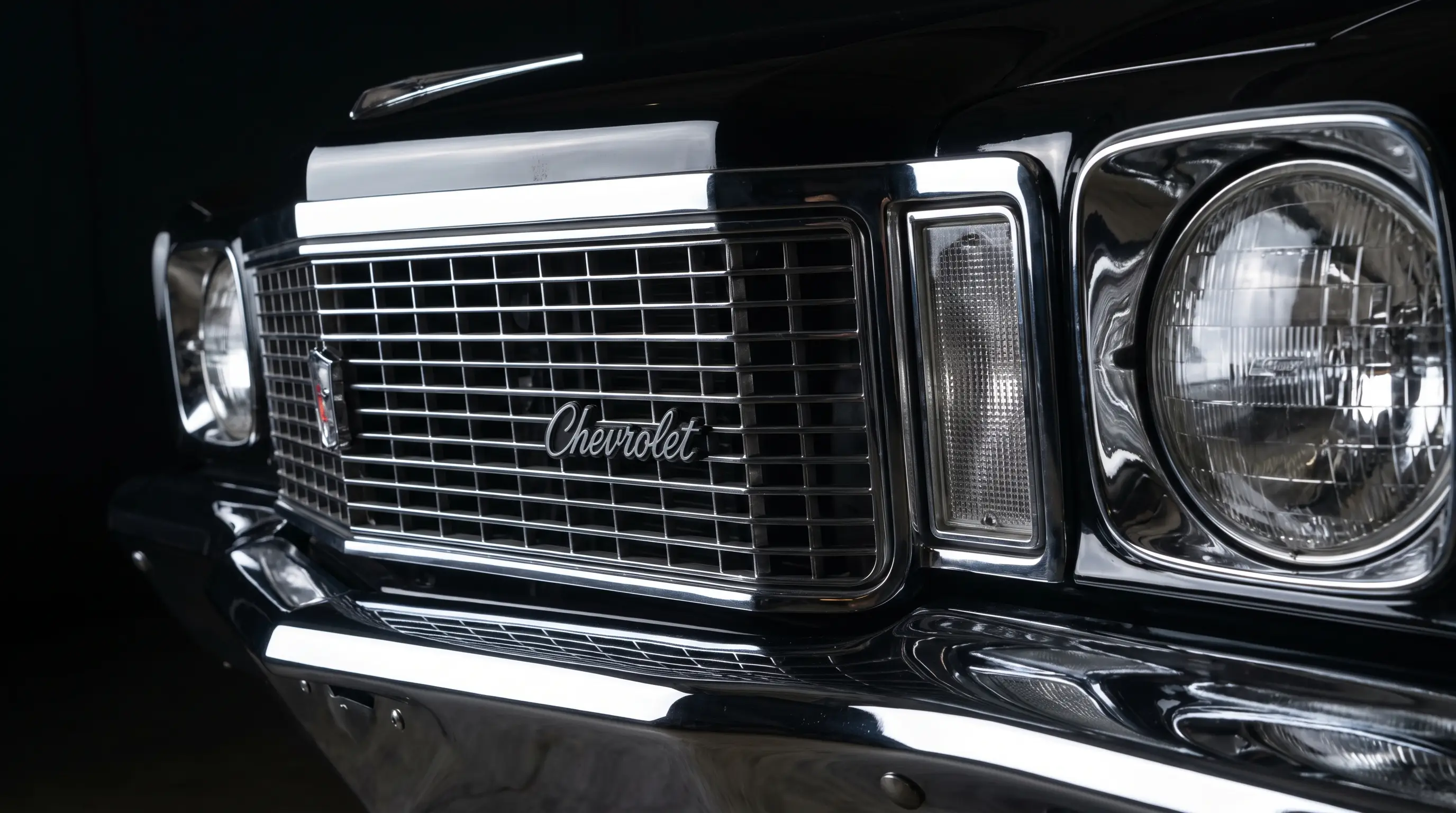
The quickest way to separate a 1971 from a 1970 Monte Carlo is the grille and front fascia. Chevrolet revised the grille pattern and trim detailing for 1971, giving the front end a slightly different texture and character than the debut year's design. The changes were not dramatic enough to alter the car's overall silhouette, but they were deliberate enough that period Chevrolet dealers used them in advertising to signal the new model year to returning customers. Anyone documenting or authenticating a car by its front clip should treat this as one of the more reliable visual markers available, and the specific details of that grille and trim update are covered in full elsewhere on this site, a subject worth a look too for anyone chasing exact factory specifications.
Beyond the grille, minor trim and badge placement shifted in small ways across the 1971 model year, the kind of detail that Chevrolet's own parts catalogs distinguish carefully but that can blur together in casual photographs or faded memory. Restorers sourcing NOS or reproduction trim need to confirm year-specific part numbers rather than assuming 1970 and 1971 pieces are interchangeable across the board.
Under the hood, the bigger story is compression, not displacement
Engine displacement options carried over largely unchanged between the two years, but the internal specifications did not. Chevrolet lowered compression ratios across its 1971 lineup industry-wide, a fuel-chemistry and regulatory response rather than a Monte Carlo-specific decision. The practical effect is that a 1971 engine of a given displacement will show a different rated output than its 1970 counterpart, even where the block casting and displacement figure are identical on paper. This is a common point of confusion for owners and buyers who assume a lower horsepower rating signals a smaller or weaker engine, when in fact it reflects the same displacement tuned differently for that year's fuel supply.
This distinction matters most when verifying originality. An engine pulled forward or backward a model year during a prior repair, whether intentionally or through simple parts availability at the time, will carry compression and output specifications that do not match its host car's build sheet. Careful buyers cross-reference casting numbers and date codes rather than relying on displacement alone.
Interior and trim refinements buyers often miss
Chevrolet made incremental adjustments to interior trim, upholstery pattern options, and dashboard detailing between 1970 and 1971, the sort of running changes that were common practice for a nameplate in only its second year on the market. These changes rarely show up in casual online comparisons because they require a trained eye and, ideally, a factory parts book to confirm precisely. A buyer relying purely on memory of "what a Monte Carlo interior looks like" risks missing small but real distinctions that a knowledgeable inspector or a period brochure would catch immediately.
Color and trim availability also shifted modestly year to year, following the broader industry pattern of refreshing paint and upholstery offerings annually even when the underlying car stayed largely the same. Anyone restoring a 1971 example to factory-correct specification needs to confirm the exact palette and trim combination offered that specific year rather than assuming carryover from 1970.
Badging and emblem placement is another small but checkable detail. Chevrolet's script and crest placement on the fenders and deck lid saw minor adjustments between the two years, changes documented in factory assembly manuals but rarely discussed outside restoration circles. A car wearing a full set of correct, year-specific badges is a small but genuine signal that it has not been picked apart for parts and reassembled from mismatched sources over the decades.
Wheel and hubcap offerings followed a similar pattern of gentle, year-specific evolution rather than wholesale redesign. Buyers relying on wheel covers alone to date a car should be cautious, since these are among the most commonly swapped components during a car's working life, long before anyone thought of it as a collectible.
Taken together, these details form a pattern any serious researcher will recognize. A second model year rarely brings sweeping change, but it almost never brings zero change either. Chevrolet's product planners were refining a car that had just proven itself in the market, not reinventing it, and the paper trail from that refinement is still there for anyone willing to check it against the actual car in front of them rather than a general impression of what a Monte Carlo from that era should look like.
Why getting the year right actually matters
None of these differences are large enough to make a 1970 and 1971 Monte Carlo look like different cars from across a parking lot, and that is precisely why misidentification happens so often in casual conversation, online listings, and even some restoration shops working from memory rather than documentation. For collectors, correct identification affects parts sourcing, judging accuracy at concours events, and ultimately resale value, since a car advertised under the wrong model year with mismatched original documentation raises legitimate questions for a serious buyer.
The full background on what Chevrolet changed and preserved across the 1971 model year, including the styling refinements and the engine specification shift, is laid out in more detail in the site's broader coverage of the year. Readers who want the complete picture beyond this direct comparison should read the background before making a purchase or restoration decision based on year-specific assumptions.
| Element | 1970 | 1971 |
|---|---|---|
| Grille and front trim | Debut-year design | Revised pattern and detailing |
| Engine compression | Higher, pre-transition ratios | Lowered fleet-wide for fuel and regulatory shift |
| Interior trim options | First model year offerings | Incremental running changes |
| Overall silhouette | Unchanged between years | Unchanged between years |
"People assume the first two years of a nameplate are identical twins. The factory paperwork tells a different story, one small part number at a time."
- Tom Ramirez
Correctly separating a 1970 from a 1971 Monte Carlo comes down to three areas: the grille and trim revisions up front, the compression and output changes under the hood, and the smaller interior and color adjustments that ran between the two years. None of these differences turn the car into something new, but all of them matter to a documentation-focused buyer, a concours judge, or a restorer chasing factory-correct parts. Shoppers ready to compare examples from both years directly can shop classic Monte Carlo listings and see how these details show up, or fail to show up, on cars currently for sale.
Sources and notes
- 1970-1971 Chevrolet Monte Carlo SS 454: Specs and History
- 1971 Monte Carlo Body Style, Engines, and VIN Decoder - ChevyHardcore
- Chevrolet Monte Carlo - Wikipedia
- Disco-Era Darling: The Chevrolet Monte Carlo - Ate Up With Motor
- A New Dimension in Luxury: The 1978 Chevrolet Monte Carlo - Mac's Motor City Garage