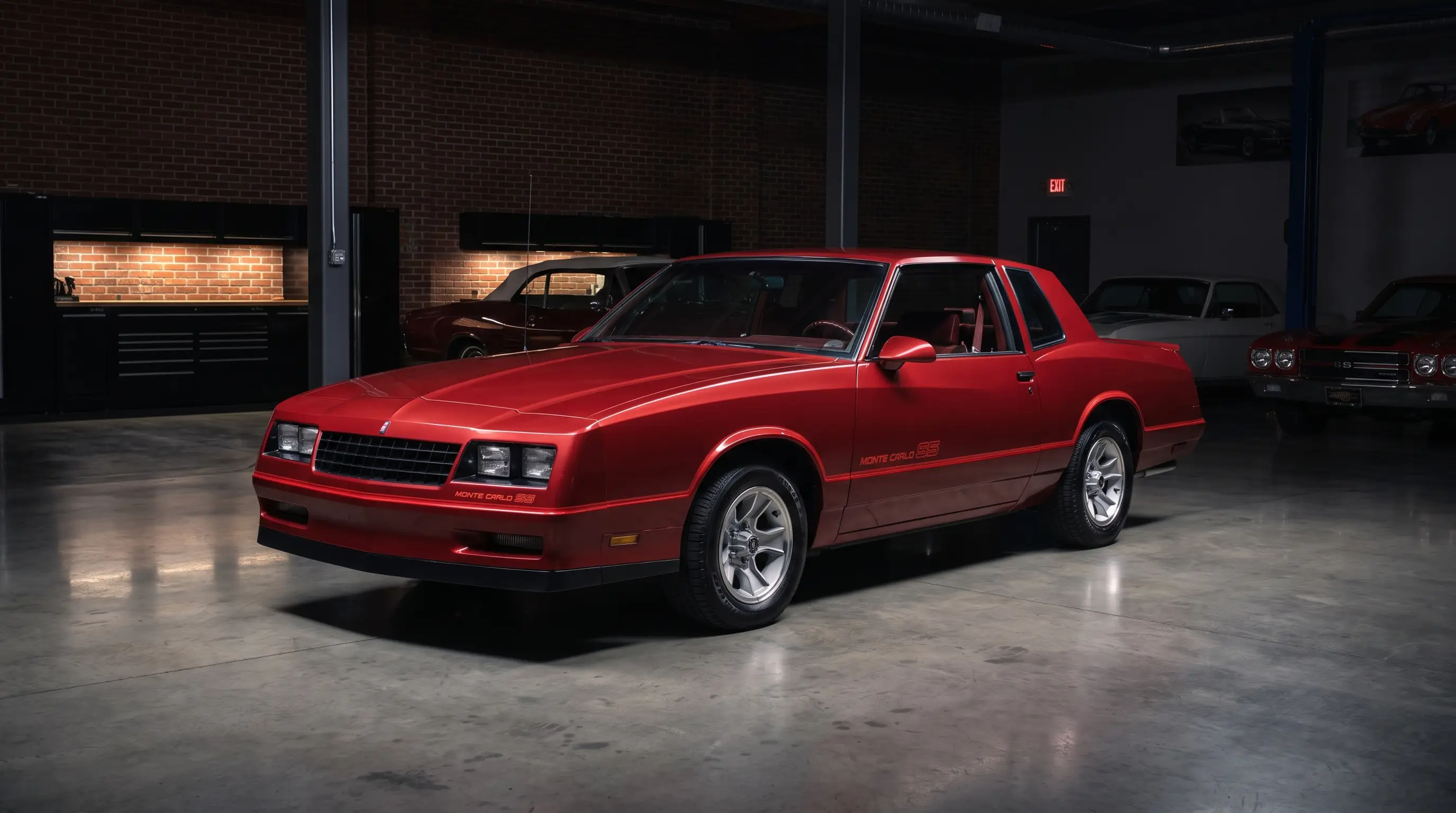
A dealer's lot in the fall of 1970 was the first place most people saw it: a new grille on a car they thought they already knew. The Monte Carlo had only been on sale one year, but Chevrolet was already tuning its face for 1971, and the small crowd of returning customers walking the showroom that season noticed before the sales staff had to point it out.
A grille designed to say "new year" without saying "new car"
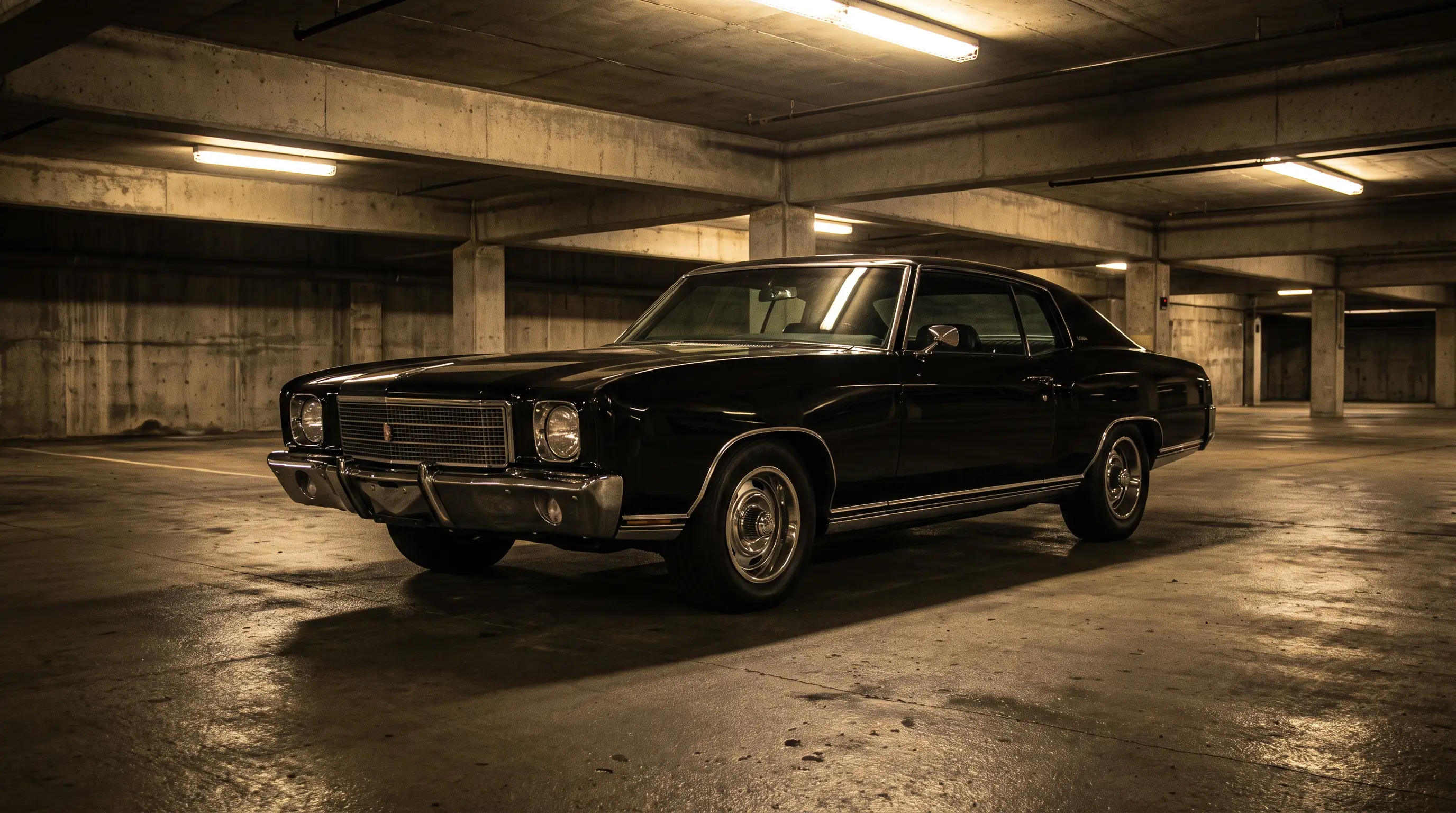
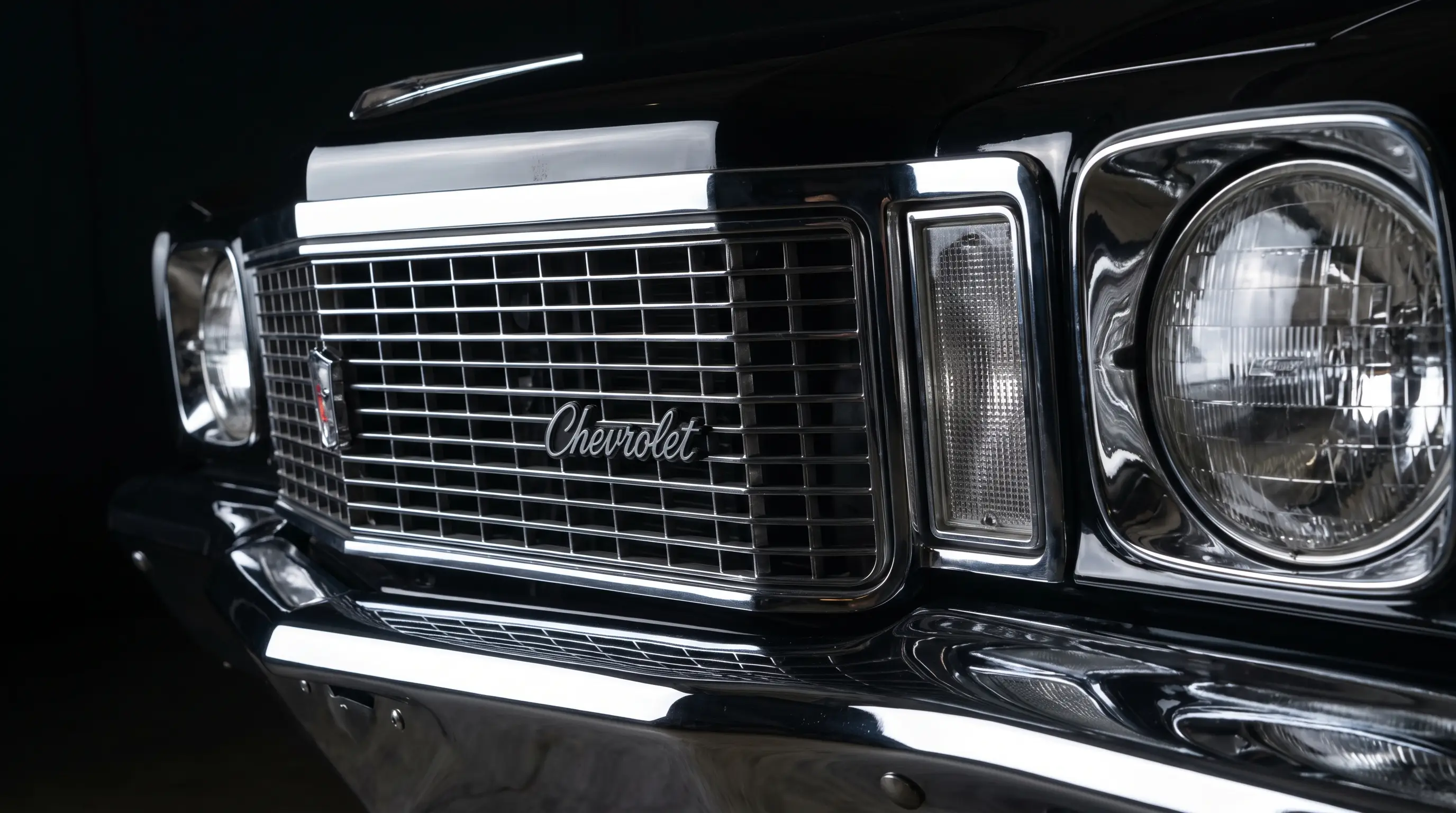
Chevrolet's stylists had a narrow assignment for 1971. The Monte Carlo had launched to strong reception in 1970 as a genuinely new nameplate, a personal luxury coupe built to compete with Ford's Thunderbird and the Pontiac Grand Prix, and there was no appetite internally to mess with a winning silhouette. What the design team could touch was the grille pattern and the trim detailing around it, the kind of front-end refresh that signals a new model year to a showroom customer without asking the tooling budget to fund a full redesign.
The result was a grille with a different texture and character than the debut year's design, subtle enough that it would not alarm a buyer who loved the 1970 car, distinct enough that a returning customer, or a sharp-eyed neighbor, would clock the difference at a glance. That is a harder needle to thread than it sounds. Change too little and the car looks stale on the lot next to newer competitors. Change too much and you risk making last year's buyers feel like they bought the wrong version.
The people who noticed, and the ones who did not
Most drivers never gave the grille a second thought. They bought a Monte Carlo because it looked substantial, rode smoothly, and said something about arriving somewhere that mattered. But dealers noticed, because the front-end change was a selling point in showroom conversations, a way to nudge a hesitant shopper who had been eyeing the same car for a year toward believing this was, in fact, the new one. And decades later, restorers and swap-meet regulars notice too, because that grille and its associated trim pieces are exactly the kind of detail that separates a correctly dated car from one wearing the wrong year's parts after some prior repair.
There is something almost tender about how specific this kind of change is. Nobody remembers a grille the way they remember a color or an engine option. It lives in old brochures, in factory parts catalogs, in the muscle memory of a mechanic who has swapped enough of them to know the difference by feel in a dim garage. For everyone else, it simply blended into the overall shape of a beautiful, formal coupe that looked right parked in front of a nice restaurant or a suburban driveway in 1971.
Small trim, real consequences for today's owners
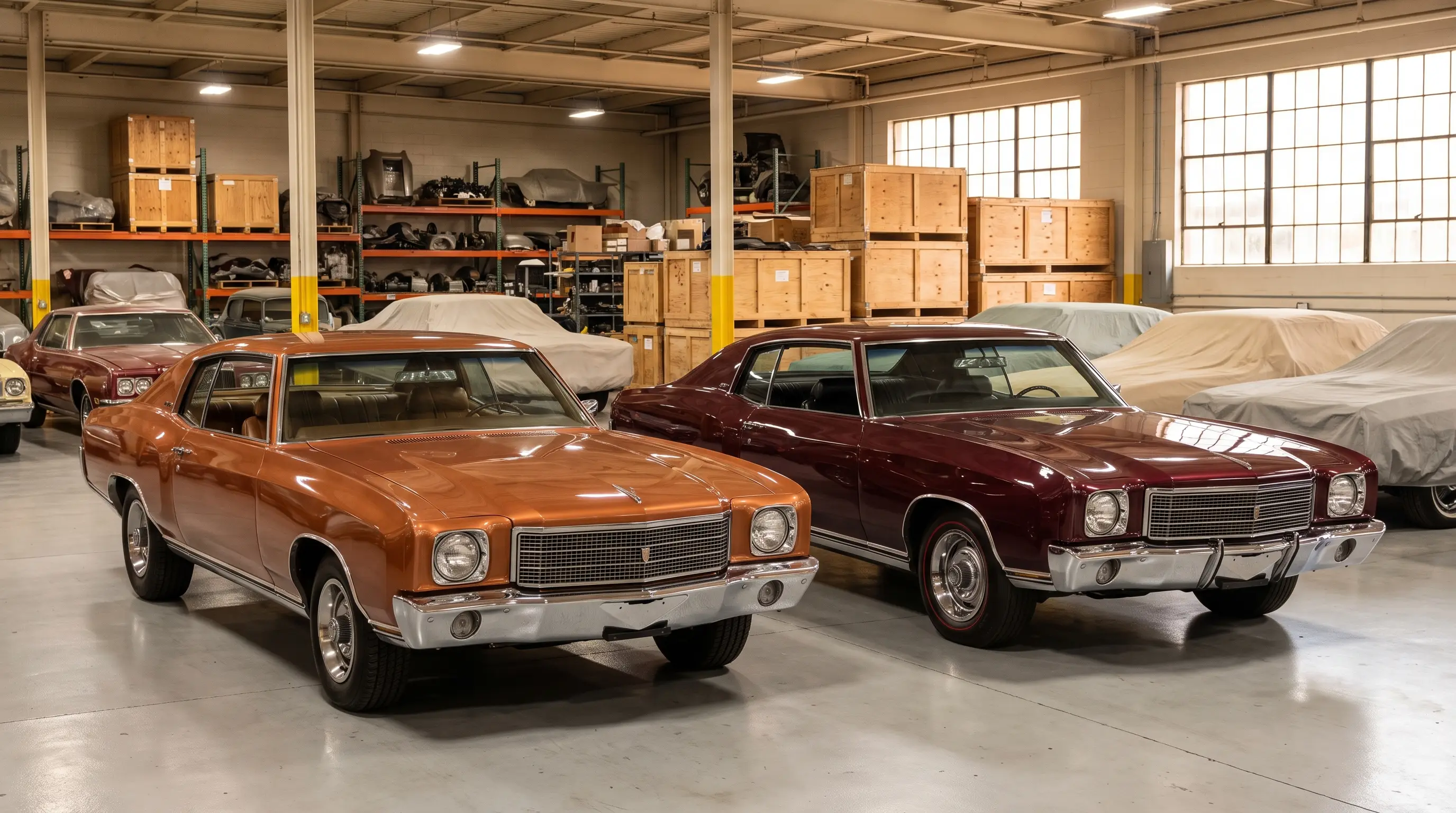
What was a subtle styling refresh in 1971 has become a genuine authentication tool five decades later. Reproduction and NOS trim pieces for the Monte Carlo are not universally interchangeable across model years, and a restorer chasing factory-correct front-end detailing on a 1971 car needs to source parts specific to that year rather than assuming a 1970 or 1972 piece will do. Getting this wrong does not ruin a car cosmetically, since the differences are subtle, but it does matter to anyone judging originality closely, whether at a concours event or simply in the eyes of a knowledgeable buyer inspecting the car before purchase.
Swap meets are where this history is still being written, in a way. A box of used grille sections and trim clips, unlabeled and priced by the seller's best guess, sits on a folding table while buyers argue quietly about which year each piece belongs to. Some of that argument is genuine expertise. Some of it is a story someone heard once and has repeated with increasing confidence ever since. The factory paperwork does not care about either. It simply records what left the plant that year, and it is the only source that settles the argument for good.
There is a small irony in all of this. The 1971 grille update was designed to be noticed briefly, in a showroom, by a customer deciding whether to buy. It was never meant to be studied. And yet here it is, still being studied, because the same subtlety that made it a tasteful styling choice in 1971 is what makes it a useful, hard-to-fake authenticity marker today. Few design decisions get a second life like that.
Ask around long enough at a regional Monte Carlo gathering and someone will eventually pull out a worn factory brochure, corners soft from being handled for fifty years, to settle exactly this kind of dispute. That brochure, more than memory or confidence, is what actually decides whether a grille belongs on the car in front of everyone.
For readers who want the fuller arc of what Chevrolet changed and preserved across the model year, from trim to engine specifications, more on the 1971 monte carlo covers that ground in detail. And for anyone curious how this single model year fits into the nameplate's entire run, the origin story, the moment the Monte Carlo first arrived and set the template these later refinements built on, is where this started.
Why a quiet detail still matters
It would be easy to wave off a grille update as trivia, the kind of thing that only matters to people with clipboards at a car show. But that misses what these small, deliberate choices actually represent. Chevrolet's designers were managing a brand new nameplate's second impression, deciding exactly how much to change and how much to protect, and they made that call one grille pattern at a time. Fifty years on, that same decision is quietly doing a different job: telling a careful buyer whether the car in front of them is exactly what its title claims, or something assembled from parts that never shared a build sheet.
"Nobody falls in love with a grille pattern. But somewhere out there is a person who remembers exactly which showroom they were standing in when they noticed theirs looked different from their neighbor's car."
- Nora Beckett
The 1971 grille and trim update on the Monte Carlo was never meant to be the headline of the model year, and it was not. It was a quiet, disciplined refresh, the kind of decision that keeps a beloved new car feeling current without asking it to become someone else. That quietness is exactly why it survives today as one of the more reliable ways to tell a genuine 1971 example from a car wearing the wrong year's face. Anyone chasing the details this closely is usually shopping seriously, and those buyers can find classic Monte Carlos on the market to compare grille, trim, and everything else against the factory record.
Sources and notes
- 1970-1971 Chevrolet Monte Carlo SS 454: Specs and History
- 1971 Monte Carlo Body Style, Engines, and VIN Decoder - ChevyHardcore
- Chevrolet Monte Carlo - Wikipedia
- Disco-Era Darling: The Chevrolet Monte Carlo - Ate Up With Motor
- A New Dimension in Luxury: The 1978 Chevrolet Monte Carlo - Mac's Motor City Garage