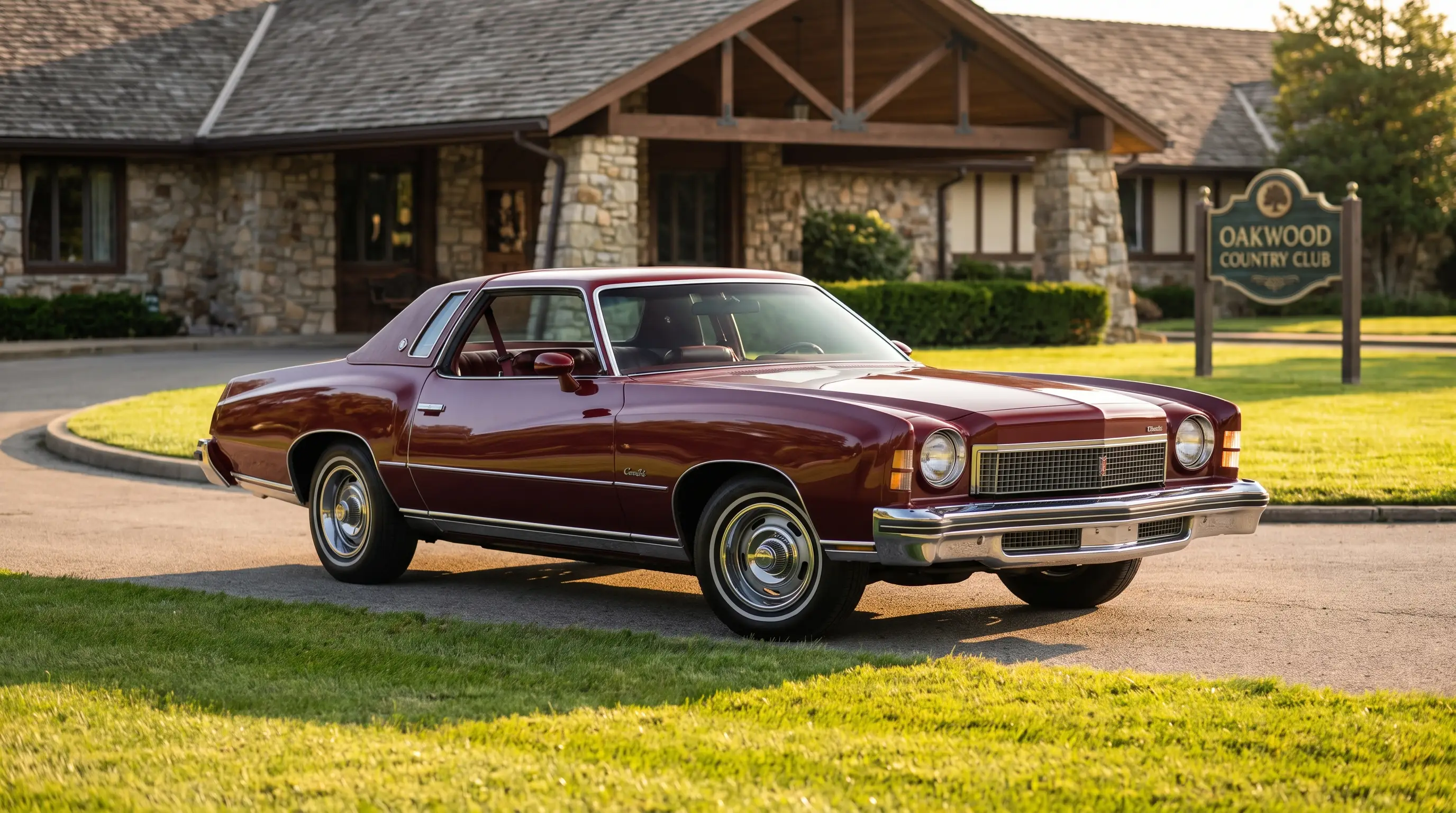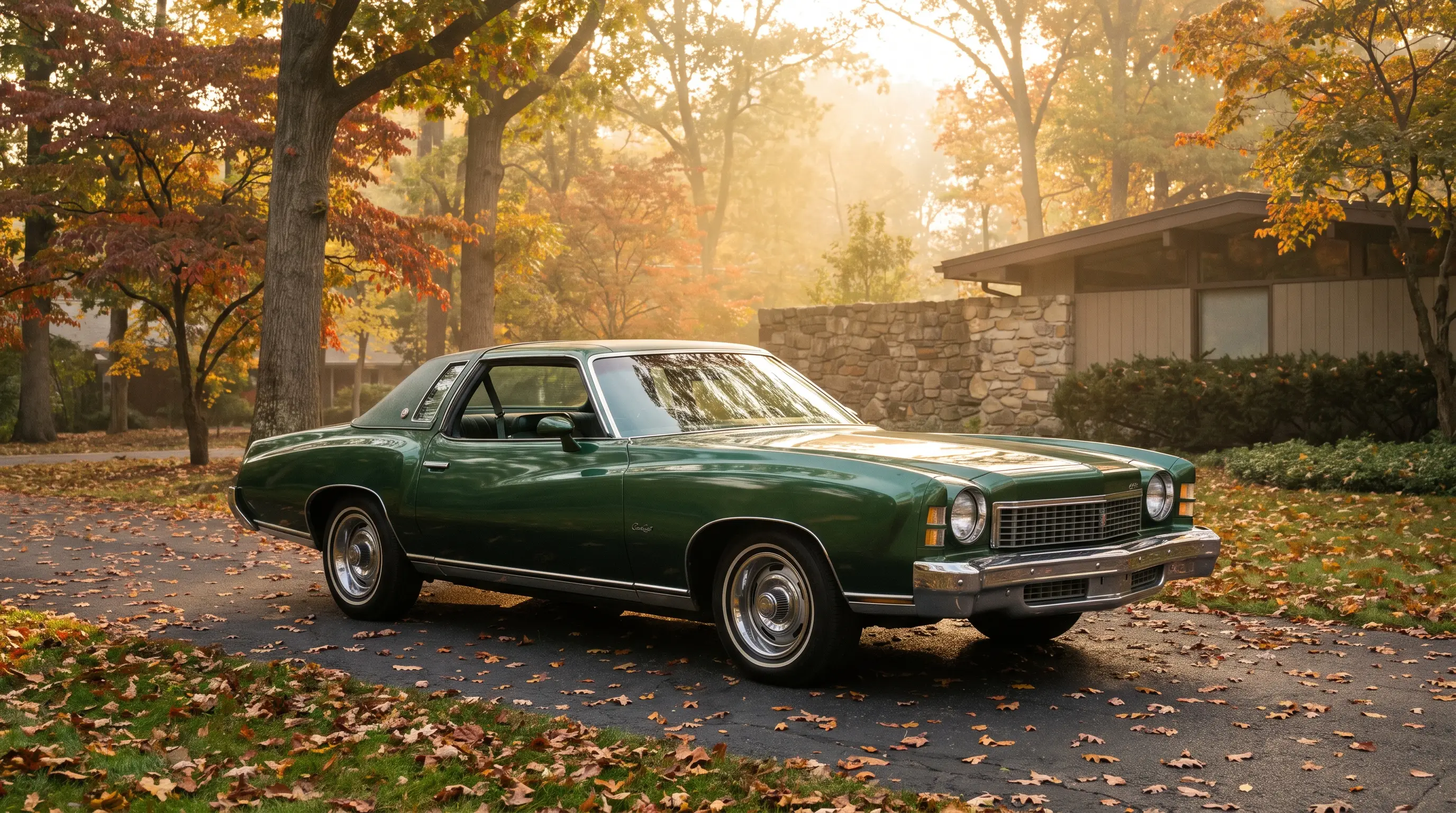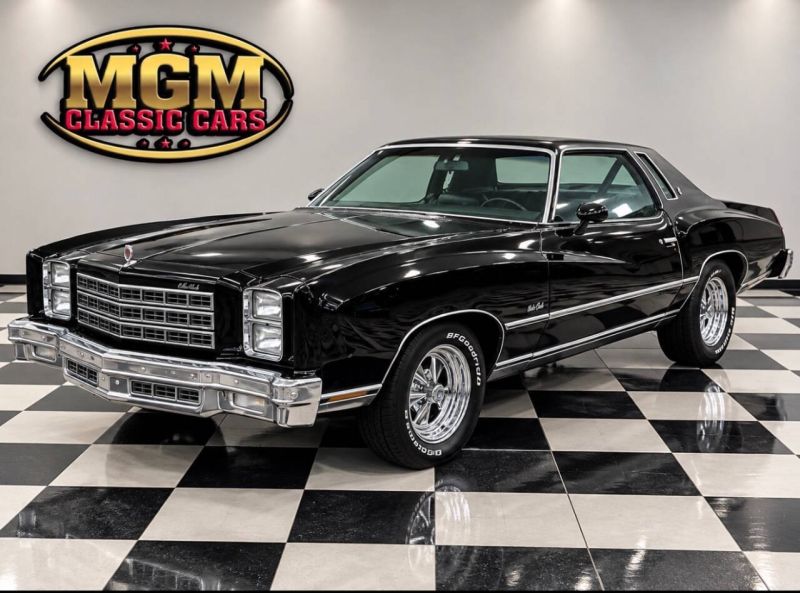
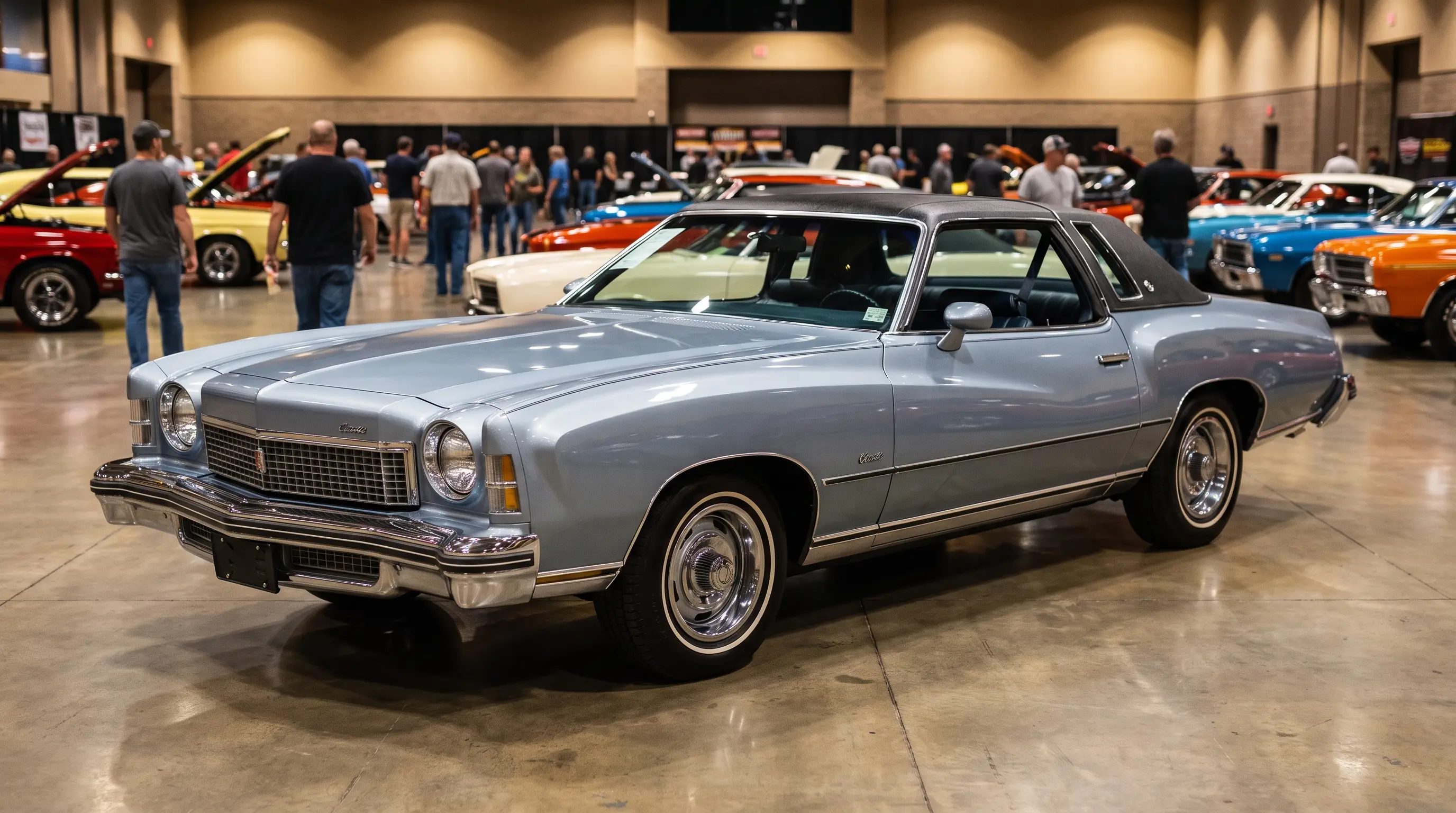
Ask most collectors what a Chevrolet Monte Carlo means and they will point to the 1970 SS 454 first, the model with the big-block muscle car credentials. That leaves the 1973 Colonnade Monte Carlo's collector appeal today badly underpriced relative to what the car actually offers, and I think the numbers back that view up rather than just my own hunch.
Where 1973 sits in the current market
Auction and private sale data for 1973 Monte Carlos consistently lands below comparable-condition first-generation cars, often by a meaningful margin, even when the Colonnade example has a documented history and lower mileage. That gap exists almost entirely because of nameplate perception rather than any objective measure of build quality, rarity, or driving experience. A clean, well-optioned 1973 Monte Carlo with the correct color and vinyl roof combination, a straight body, and a running big-block or small-block V8 typically trades in the range of roughly $10,000 to $25,000 depending on options and documentation, with rougher project cars available for less and exceptional documented examples pushing higher, a figure that has been climbing steadily as buyers priced out of first-generation cars start looking at the Colonnade years instead.
That price gap is exactly the kind of inefficiency collectors should pay attention to. Markets for classic cars are not perfectly rational. They are driven heavily by which model year gets talked about at shows, which one shows up in magazine retrospectives, and which one collectors grew up wanting. The 1970 SS 454 has decades of muscle car mythology behind it. The 1973 Colonnade car has none of that mythology yet, which means its price still mostly reflects actual scarcity and condition rather than hype, a rare thing in this hobby.
What is actually driving demand upward
Several factors are pushing 1973 Monte Carlo values higher even without a mythology boost. First, survival rates for well-kept examples are genuinely lower than total production numbers would suggest, since these cars were bought as daily-use luxury coupes rather than garaged collector pieces from day one, and plenty were driven hard and eventually scrapped. Second, the generation that grew up riding in or aspiring to a Colonnade Monte Carlo is now reaching the exact age and income bracket where nostalgia-driven collector purchases happen, the same demographic pattern that drove first-generation Mustang and Camaro values a decade ago. Third, parts support for the Colonnade Monte Carlo has improved as more restoration shops specialize in this specific era, lowering the practical cost and risk of ownership compared to a decade ago.
None of these factors are speculative. They are the same structural forces that have driven appreciation in other previously overlooked model years across the muscle and personal luxury car markets, and there is no obvious reason the 1973 Monte Carlo should be exempt from that pattern.
The buy case, and the honest risks
My actual recommendation here is straightforward. Buy the best-condition 1973 Monte Carlo you can find with verified documentation, prioritize originality over modification, and expect it to outperform the broader collector car market over the next several years as the price gap with first-generation cars narrows. That said, I am not going to pretend this is a risk-free bet. Values in this hobby move on sentiment as much as fundamentals, and if the current generation of buyers ages out before a younger cohort develops the same nostalgia for Colonnade-era cars, appreciation could stall rather than continue climbing. Liquidity is also thinner for this model year than for genuinely blue-chip classics, meaning a seller in a hurry may need to accept a discount to move a car quickly.
Condition and documentation matter more here than with an already-established collector car, because the market has not yet fully priced in the difference between a mediocre survivor and an exceptional one. Buyers who do the diligence now, verifying paint codes, engine numbers, and ownership history, are positioned to benefit disproportionately as the broader market catches up to what careful buyers already know.
"The 1973 Monte Carlo is one of the clearer undervalued plays left in the personal luxury coupe segment. The fundamentals are there, the survival numbers are real, and the only thing missing is the mythology, which markets eventually catch up to once enough serious buyers start asking the right questions."
- David Mercer
How to act on this if you are actually shopping
For readers who want the background before making a purchase decision, our complete history of this generation covers the engineering and market context that explains why 1973 looks the way it does today, and understanding that context makes it easier to spot a genuinely well-preserved example versus a car dressed up to look better than its documentation supports. From a pure numbers standpoint, I would rather own three well-documented 1973 Monte Carlos than one first-generation SS 454 at current asking prices, purely on a value-versus-upside basis, though I recognize that is a minority view in this hobby right now.
If you are ready to act on this thesis rather than just read about it, the smartest move is to browse classic Monte Carlo listings now, while the price gap between generations still exists, rather than waiting until the broader market has already recognized what the fundamentals are pointing toward.
Segmenting the market by option level and condition
Not every 1973 Monte Carlo is chasing the same buyer, and treating this generation as a single undifferentiated market misses where the real appreciation is concentrated. Base cars with the smaller V8 and minimal options sit at the lower end of the value range and will likely stay there, since they lack the specific combination of rarity and desirability that drives collector interest. Cars with the big-block V8, the Landau roof package, and documented low ownership counts occupy a meaningfully higher tier, and that gap between the two tiers has widened over the past several years as informed buyers learn to distinguish between them rather than pricing every 1973 Monte Carlo the same way regardless of specification.
Condition grading matters just as much as options here. A rough number three or four condition car, however correctly optioned, still trades at a steep discount to a genuine number two example, and the spread between those grades has grown wider as restoration costs have climbed. My advice to buyers entering this market is to stretch the budget toward the best condition car available within the correctly optioned tier rather than buying a cheaper, rougher example and planning to restore it later, since labor costs on a full restoration frequently exceed the price gap between a project car and a finished one.
Geography plays into this analysis too. Regional markets with strong Chevrolet club presence and dry climates tend to hold noticeably more well-preserved 1973 Monte Carlos than areas with heavy road salt use, and buyers willing to shop nationally rather than locally often find better value simply by widening their search radius. That extra effort in sourcing a car from a dry-climate region can pay for itself several times over compared to buying locally and then paying for rust repair that a drier-climate car never needed in the first place.