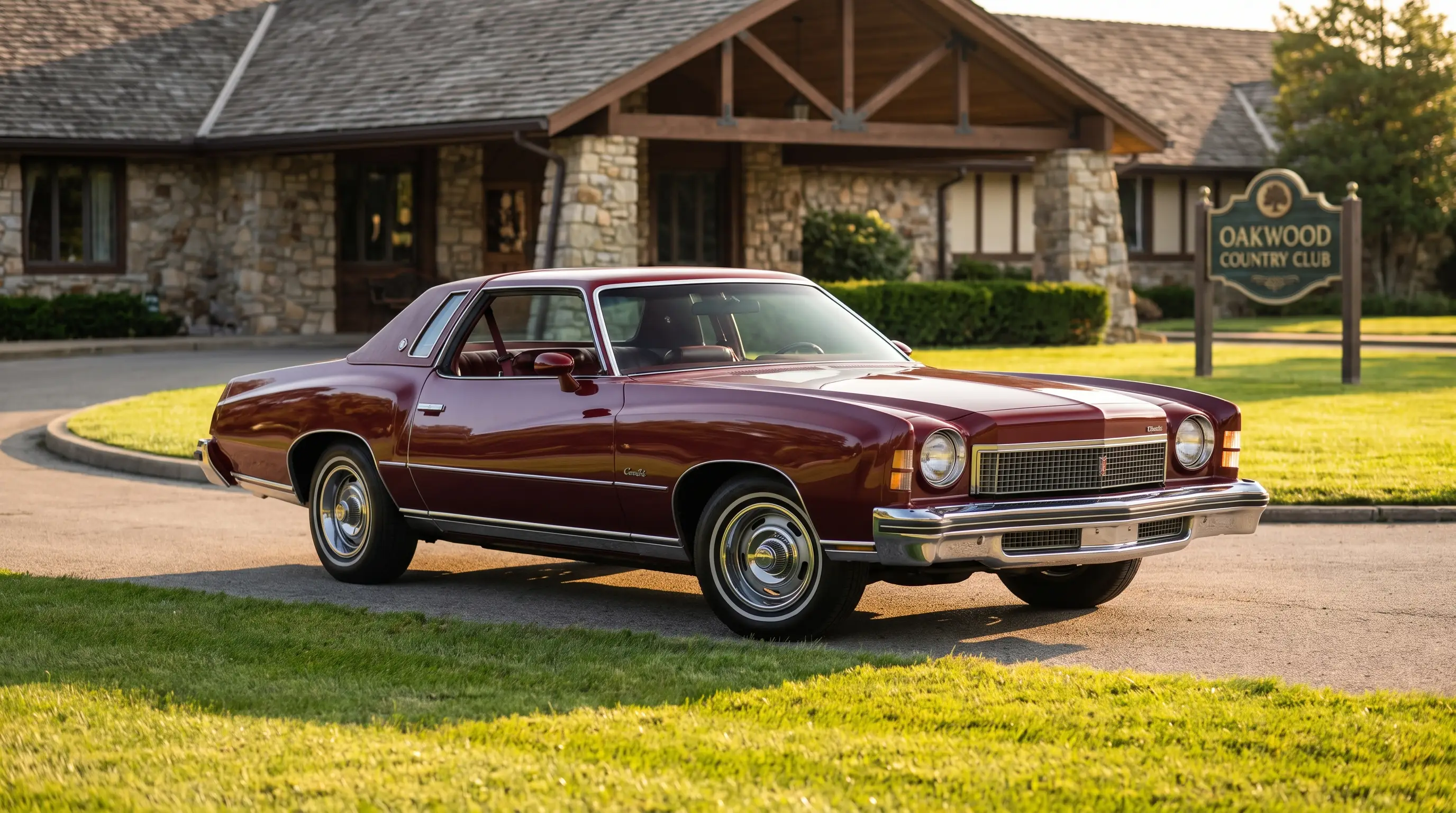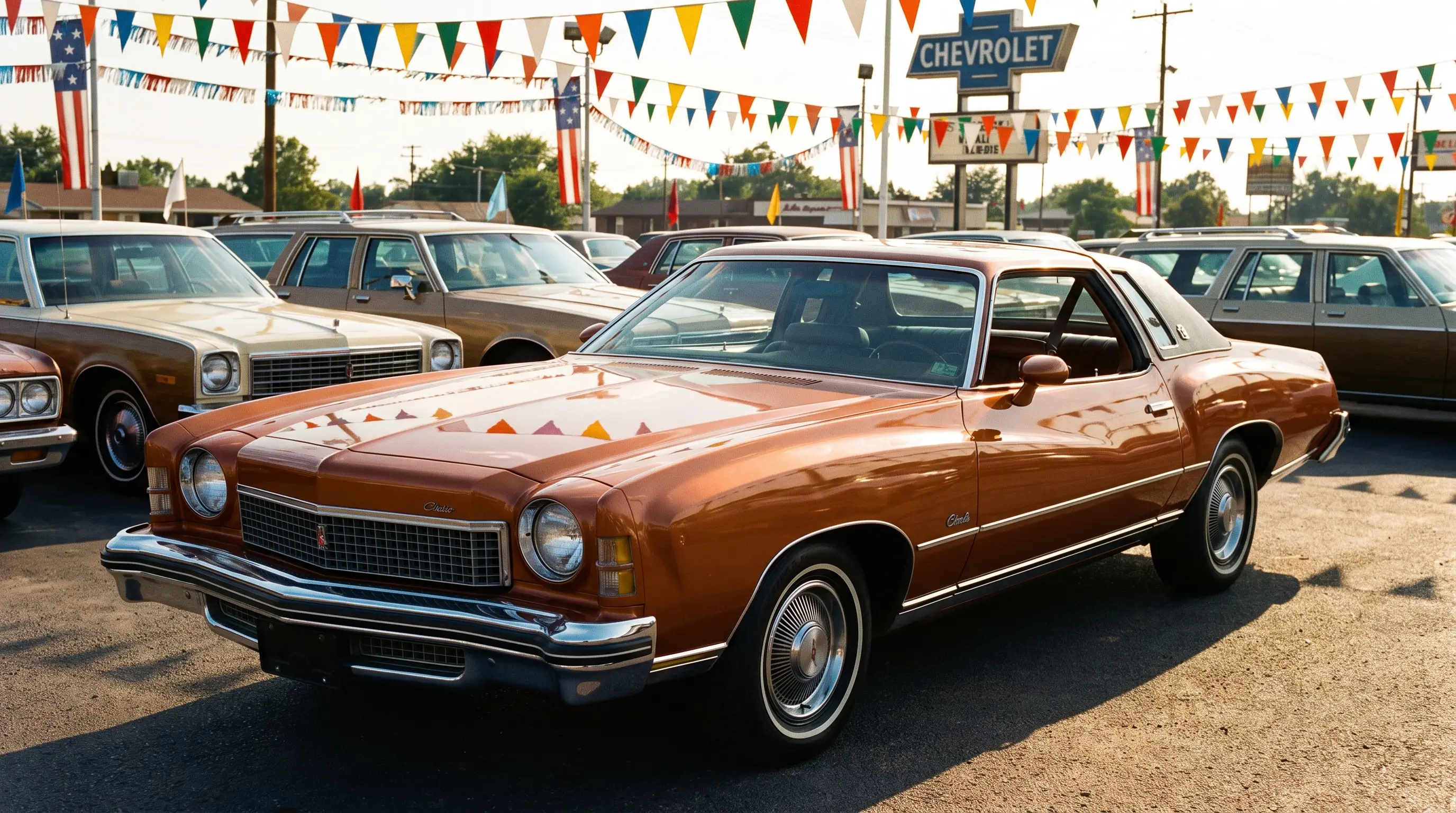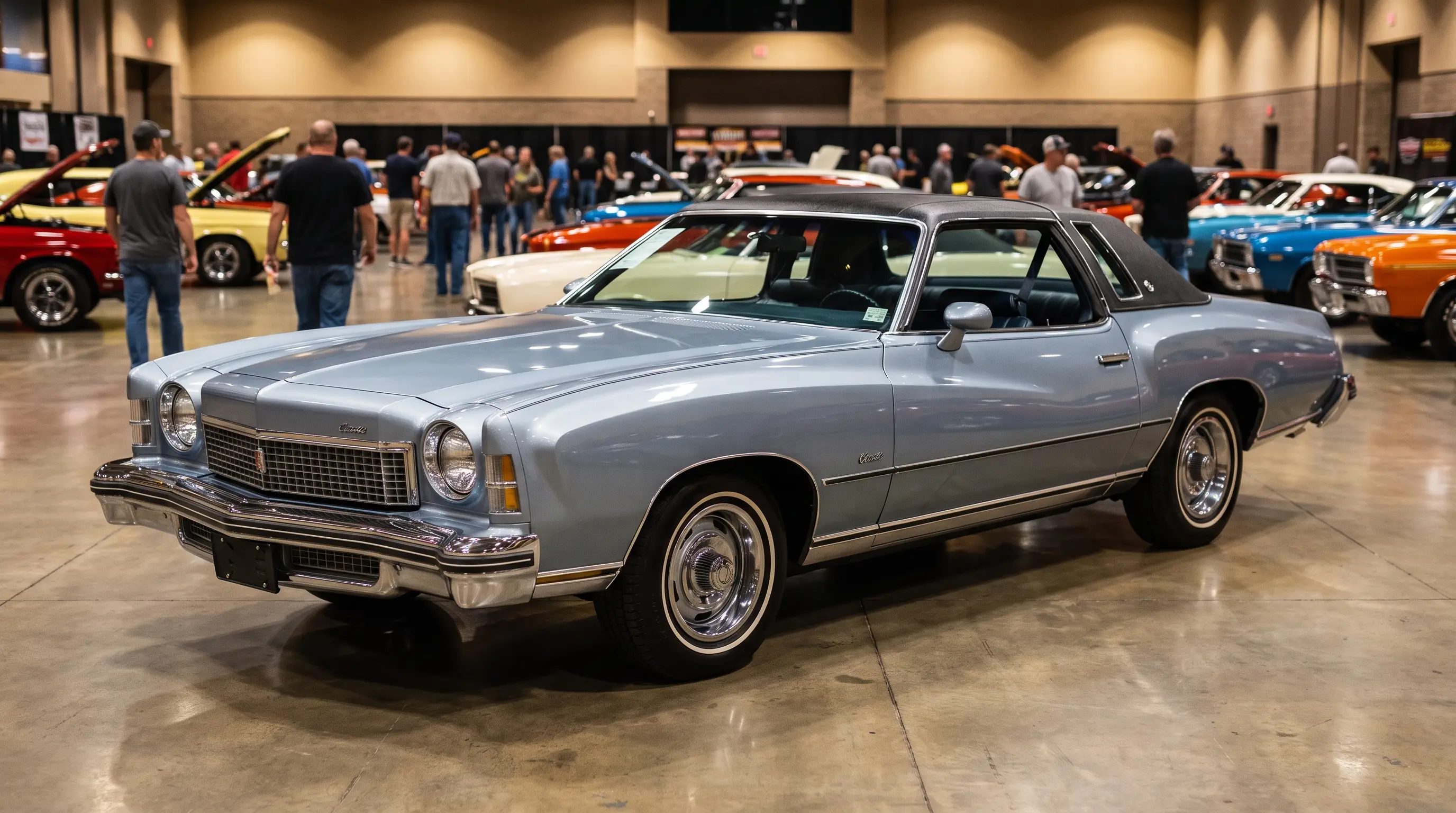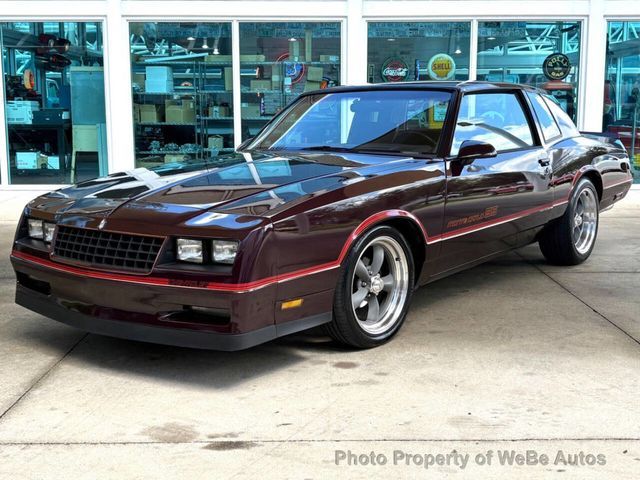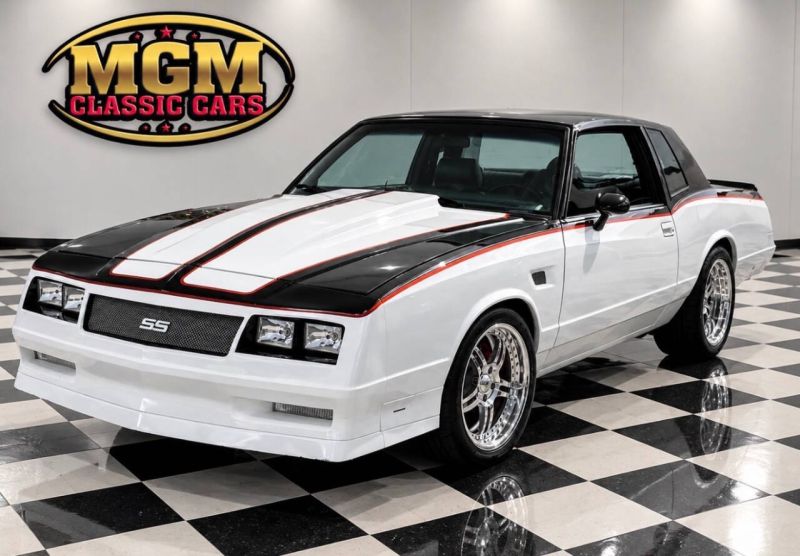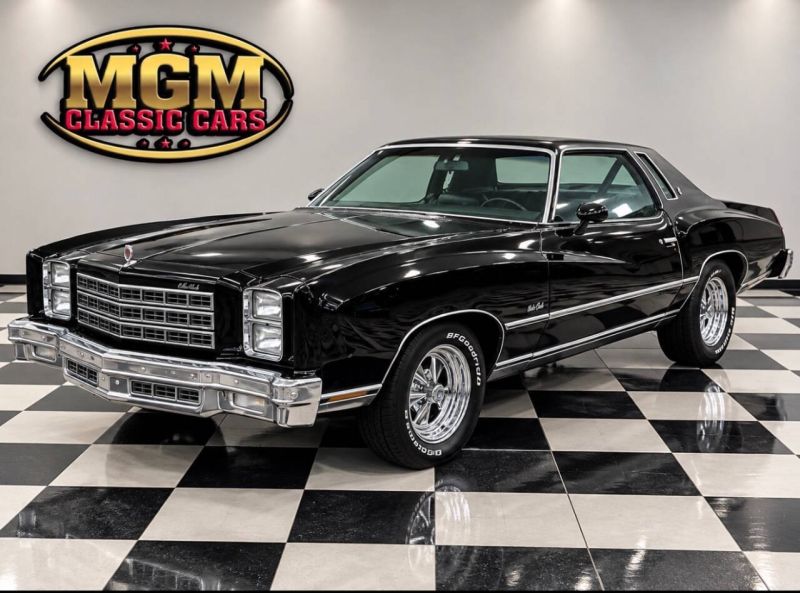
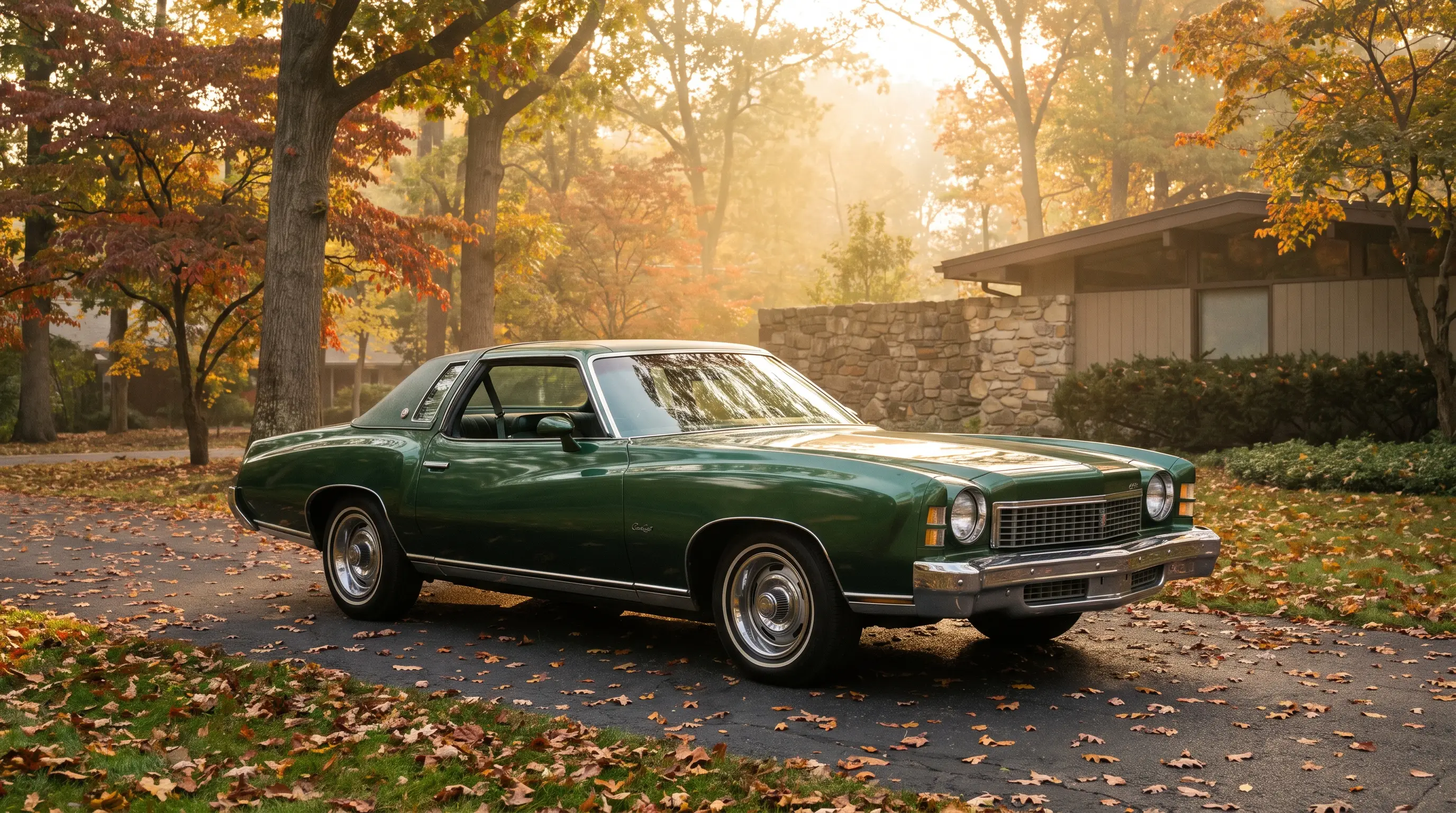
Production records and factory documentation make the 1973 versus 1972 Monte Carlo generation shift one of the clearest turning points in the nameplate's history, and unlike some model year changes that amount to little more than a new grille, this one touched the frame, the body structure, and the entire engineering philosophy behind the car. Anyone researching a Monte Carlo from either side of this divide needs to understand what actually changed and why, rather than relying on the vague sense that "the styling got heavier" in 1973.
The rollover standard that never quite arrived
The single biggest driver of the shift from the 1972 to the 1973 Monte Carlo was a federal rollover safety standard that General Motors' engineers anticipated but that never took final form in the way the industry expected. GM committed to a fixed-pillar body structure across its entire mid-size line, including the Monte Carlo, the Chevelle, and their corporate siblings, well before the regulation was finalized, and by the time the rule was ultimately softened, the tooling and engineering investment in the new "Colonnade" body style was already sunk. The result was that 1972 Monte Carlos retained a more open, semi-hardtop greenhouse with thinner pillars, while 1973 cars gained the thicker, fixed B-pillar structure that gave the generation its name and its noticeably different profile.
Factory documentation from this period shows GM engineering teams working through multiple body configurations before settling on the Colonnade approach, and the Monte Carlo's specific execution, with its formal roofline and available half-vinyl Landau treatment, was designed to make the heavier structure look intentional and upscale rather than compromised by regulation.
What actually changed underneath the sheet metal
Beyond the visible pillar structure, the 1973 redesign brought a longer wheelbase and an overall larger footprint than the 1972 car, part of a broader General Motors push to give its mid-size personal luxury coupes more road presence to compete with rivals like the Ford Thunderbird and Oldsmobile Cutlass Supreme. The frame itself was revised to accommodate the new body mounting points required by the Colonnade structure, and while the engine lineup carried over familiar small-block and big-block V8 options from 1972, the added weight of the new body meant real-world performance softened slightly even where displacement stayed similar.
Interior architecture changed just as much as the exterior. The 1973 dashboard moved to a more rounded, safety-conscious design with recessed switchgear, reflecting both the rollover-driven body changes and separate federal interior safety standards that were tightening around the same time. Buyers cross-shopping a 1972 and 1973 Monte Carlo side by side at the time would have noticed immediately that the newer car felt like a different class of vehicle, heavier and more formal, even though both wore the same nameplate.
Why this generation shift split the ownership community
Collectors and enthusiasts have argued about the 1972 versus 1973 Monte Carlo divide for decades, and the disagreement usually comes down to what each buyer values most. Owners of first-generation cars point to the lighter body, the crisper semi-fastback lines, and in some ways more direct steering feel as evidence that the original formula was never broken and did not need fixing. Owners and admirers of the Colonnade cars counter that the 1973 redesign gave the Monte Carlo a more distinctive identity separate from the Chevelle it was based on, along with genuine gains in ride comfort and interior space that mattered more to the actual buyers Chevrolet was targeting.
Neither side is entirely wrong. The 1972 Monte Carlo represents the nameplate's original, tighter execution of the personal luxury coupe concept, while the 1973 redesign represents Chevrolet adapting that concept for a changing regulatory and market environment, one where comfort and formality mattered more than sportiness. Both approaches sold well in their respective years, which suggests Chevrolet successfully navigated two different eras of buyer expectation rather than simply choosing one direction and hoping for the best.
"When you pull the factory paperwork on both the 1972 and 1973 Monte Carlo, what jumps out is how much engineering resource went into a body change that was driven almost entirely by a regulation that ultimately softened before it ever forced anyone's hand. That is not a footnote, that is the whole story of why this car looks the way it does."
- Tom Ramirez
What this means for buyers comparing the two generations today
For anyone shopping across this divide today, understanding the generation shift changes what questions to ask about a given car. A 1972 model should be evaluated against first-generation parts availability and its lighter body's specific rust patterns, while a 1973 car needs inspection focused on the Colonnade structure's own known trouble spots, including the roof rail area where the vinyl top and pillar structure meet. Readers looking for the full story behind exactly how and why this shift happened should start with the background on the 1973 redesign itself, since it explains decisions that otherwise look arbitrary when you only look at one model year in isolation.
Whichever side of 1973 you end up shopping, the market for both generations remains active, and buyers can find a classic Monte Carlo for sale representing either era without much difficulty, provided they know which specific engineering compromises and strengths came with the car they are considering.
Reading factory build sheets across the divide
One practical consequence of this generation shift shows up whenever a researcher tries to compare build sheets from either side of the 1973 line. The coding structure Chevrolet used for options and trim carried some continuity from 1972, but enough changed with the new body and its expanded option list that a build sheet reader familiar with one year cannot simply assume the same codes apply to the other. Anyone doing serious documentation work on a car near this dividing line needs to consult the correct year-specific reference material rather than assuming a shortcut will work across both generations.
That distinction extends to how dealers marketed the two cars as well. Showroom materials for 1972 leaned on the Monte Carlo's established reputation as a sporty, semi-fastback alternative to a full personal luxury car, while 1973 materials pivoted hard toward comfort, quiet, and formal presence, language that tracks closely with the actual engineering changes underneath. A collector reading period brochures side by side can watch Chevrolet's own marketing team adjust its pitch in real time to match what the redesigned car actually delivered, which is itself a small but telling piece of the larger generational story.
Engine codes deserve the same careful comparison. Several small-block and big-block V8 options carried across both years under similar displacement figures, but emissions tuning and compression changes between 1972 and 1973 mean the same nominal engine could produce meaningfully different output depending on the model year it was built for. Anyone verifying a car's originality against its build sheet needs the correct year-specific engine code reference rather than assuming a 1972 chart applies cleanly to a 1973 car, since Chevrolet updated several codes specifically to reflect the tightening federal emissions requirements taking hold across this exact period.