
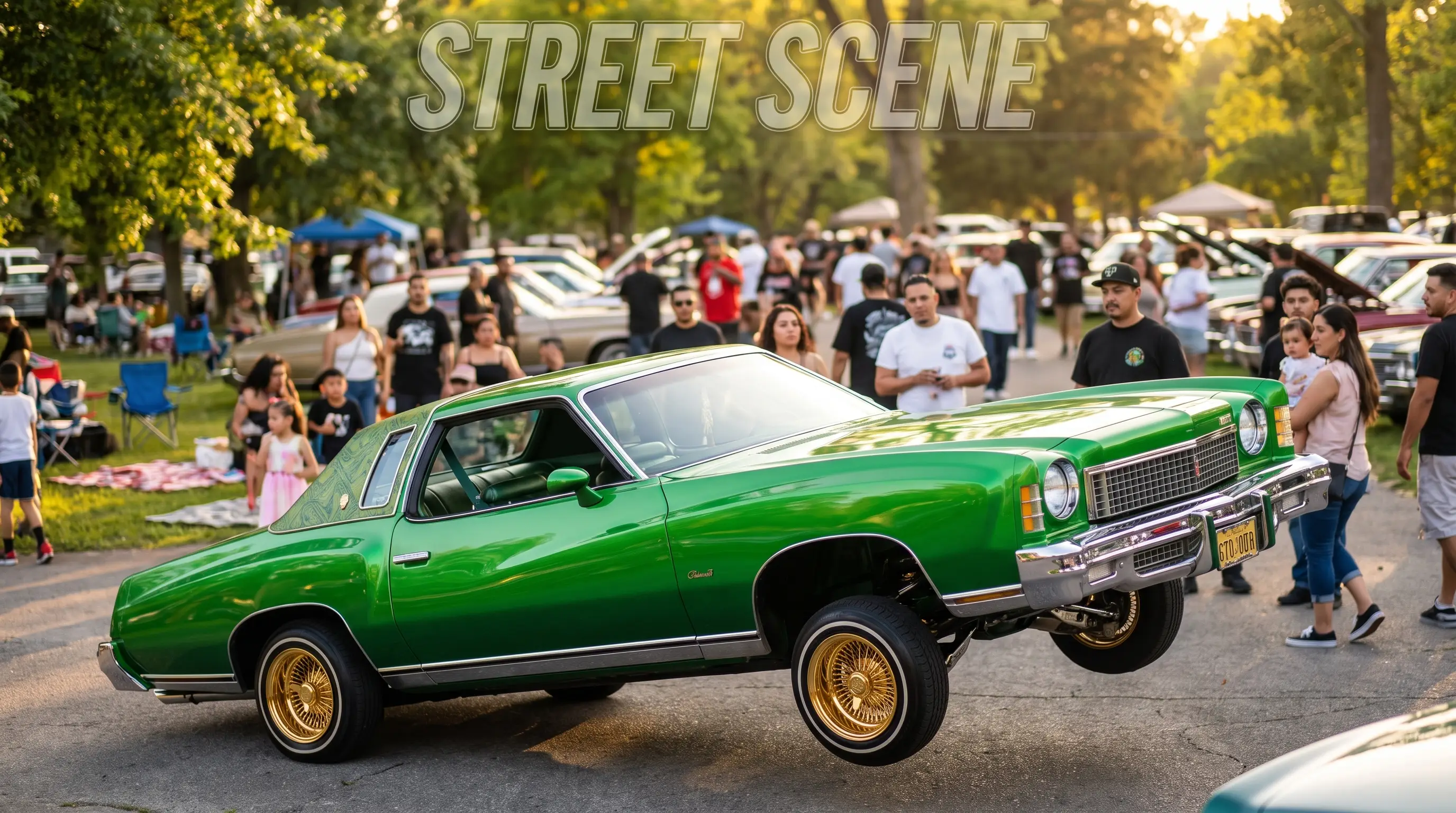
In our neighborhood, the 1973 Monte Carlo was never just a Chevrolet. It was a canvas, a long, low, heavy body that gave builders exactly the proportions they needed to make a statement, and that is why so many of us grew up watching Colonnade Monte Carlos become lowriders long before anyone in the broader collector world thought to pay attention to this generation at all.
Car Features
7 min read
Why the Colonnade Monte Became a Lowrider Favorite
Long before collectors noticed the 1973 Colonnade Monte Carlo, lowrider builders saw a wide-bodied canvas and a natural donor platform.
Why this specific body shape found its people
The Colonnade Monte Carlo's long hood, formal roofline, and generous body panels gave builders something the tighter, sportier first-generation car never quite offered, which was surface. A wide expanse of hood and quarter panel is exactly what you want when you are planning detailed mural work or deep, multi-layer candy paint, and the 1973 redesign handed lowrider builders acres of that surface to work with. We took what Chevrolet built as a personal luxury coupe and turned it into something else entirely, a rolling piece of art that said as much about who built it and where they were from as it said about General Motors.
The frame underneath mattered just as much as the sheet metal on top. Body-on-frame construction, standard across the Colonnade generation, made these cars natural candidates for the hydraulic suspension work that defines lowrider culture, since builders could modify ride height and add hydraulic setups without fighting a unibody design the way they would with some other cars from the same era. That mechanical compatibility, as much as the styling, is why the Monte Carlo became such a natural donor platform for our community.
What "donor culture" actually means here
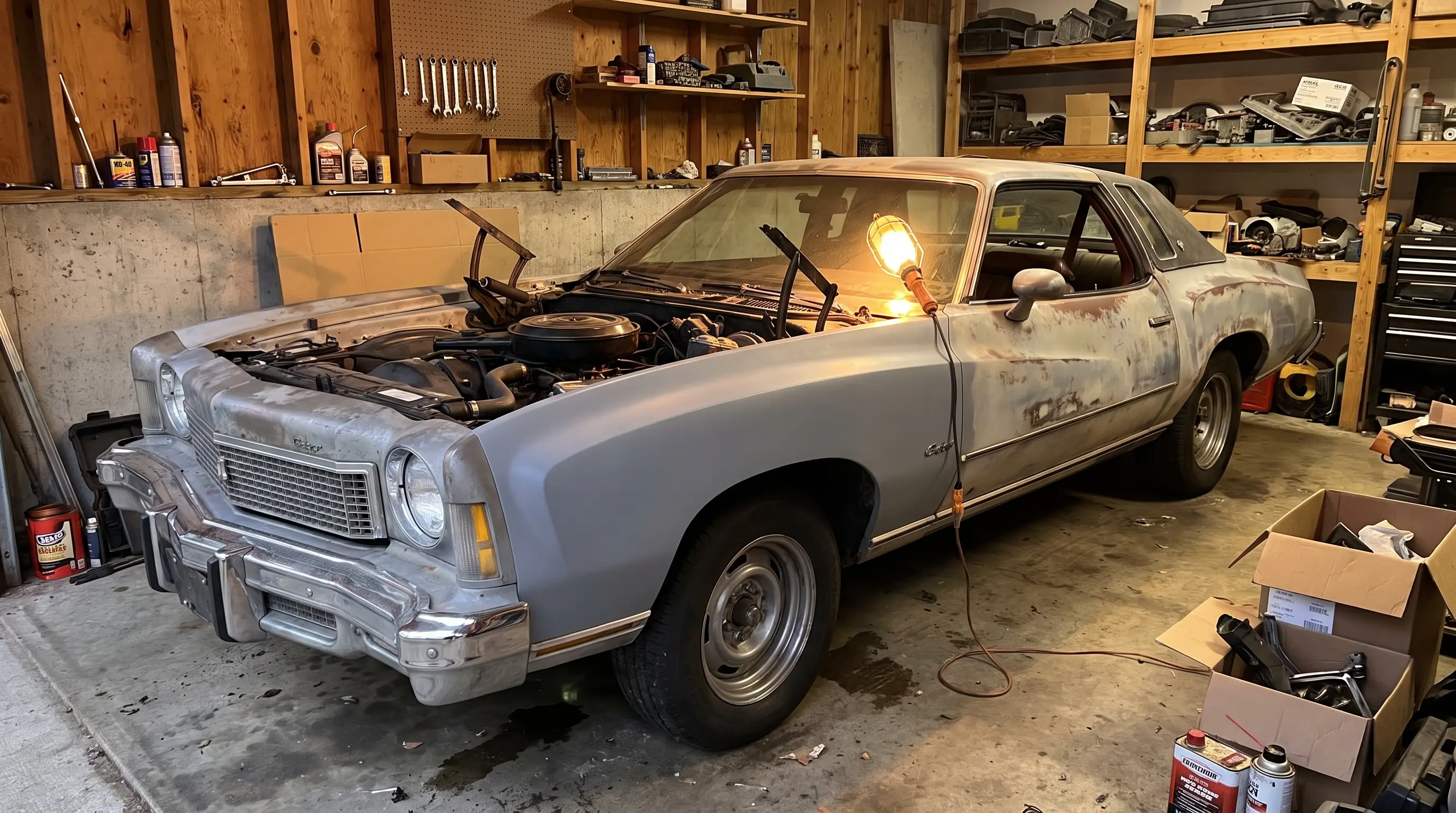
Calling the Colonnade Monte Carlo a donor car in our world is not an insult, it is a description of respect. These cars gave up their stock identity, their factory colors, their original interiors, so that builders could pour years of work into transforming them into something with real personal and cultural meaning. A donor Monte Carlo might start as a rough, high-mileage survivor nobody in the traditional restoration hobby would look at twice, and end up as a show-winning lowrider with a paint job that took a full year of layered work and an interior redone by hand by craftspeople whose skill rivals anything you would find at a formal concours event.
We do not think of this as destroying an original car. We think of it as giving that car a second purpose, one that honors the community's history as much as any factory-original restoration honors Chevrolet's. Both approaches take real skill, real patience, and real respect for the platform underneath.
Building community around a shared platform
What outsiders sometimes miss about this scene is how much it is built around teaching and passing down knowledge, not just showing off finished cars. Older builders in our community mentor younger ones on everything from bodywork technique to how to properly lay a mural, and the Colonnade Monte Carlo has become one of the platforms that connects generations of builders because it remains affordable enough for a young builder just starting out to find a solid donor car without needing the budget a rarer classic would demand.
Car clubs built around this culture host regular gatherings where finished Monte Carlos, along with other favored donor platforms, get shown, judged, and celebrated by people who understand exactly how much work went into every layer of paint and every inch of chrome. That community recognition means more to most builders than any outside validation ever could, since the judges at these shows genuinely understand what they are looking at.
"We did not choose the Monte Carlo because Chevrolet marketed it as a canvas. We chose it because the body gave us the room to do the work we wanted to do, and because it was a car our families could actually afford to bring home and start building on."
- Hector Morales
A generation reconsidered from two directions
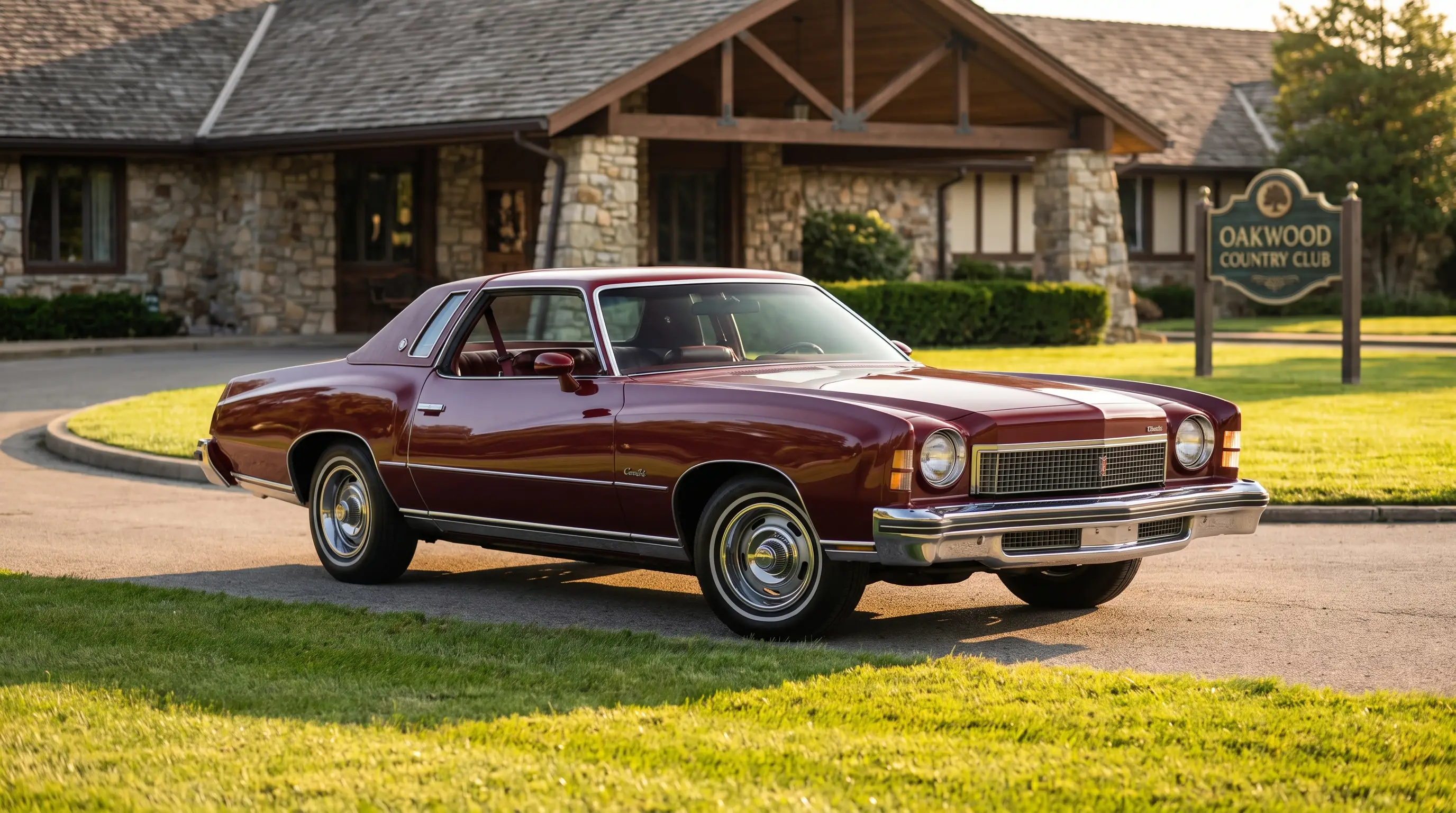
It is worth noting how this lowrider donor culture and the traditional restoration hobby have started to overlap in ways that surprise people from both sides. Some of the same 1973 Monte Carlos that our community transformed decades ago are now recognized within lowrider history as significant builds in their own right, cars with documented histories and respected builders behind them, judged and preserved with the same seriousness a factory-original restoration receives in a different corner of the hobby. For readers who want the whole picture on how this generation came to exist in the first place, the background on the 1973 redesign explains why the car's proportions made it so adaptable to begin with.
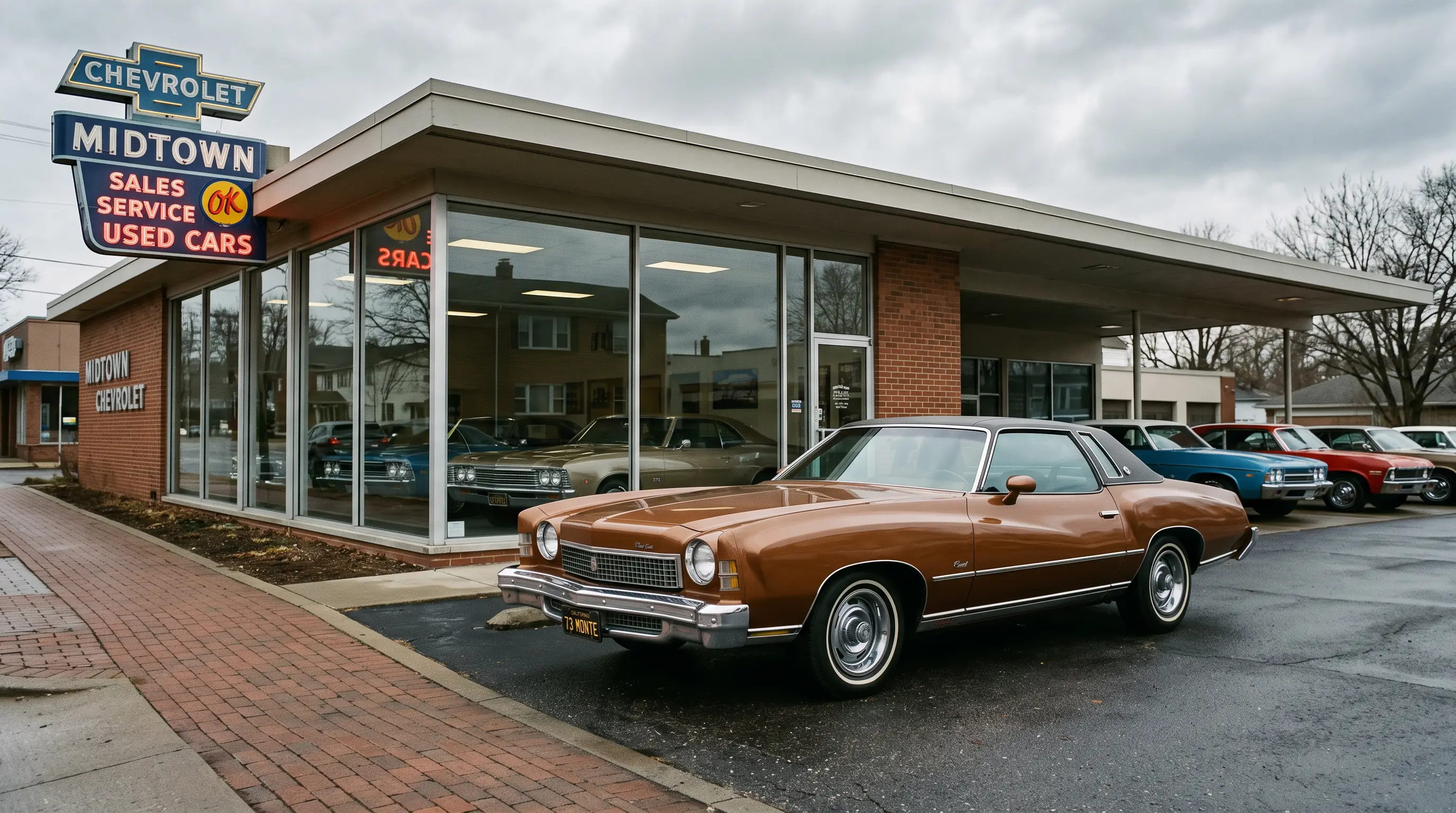
Whether you come to this generation looking for a donor platform or a stock survivor, the supply is still out there, and anyone ready to start their own project can find a classic Monte Carlo worth bringing into the family, wherever that next chapter takes it.
What crossover recognition has meant for the community
As lowrider history itself has become a subject of serious documentation, museums and cultural institutions have started reaching out to builders and clubs asking about specific cars and their histories, including plenty of Colonnade Monte Carlos that spent decades known only within our own circles. That kind of outside recognition feels strange to some of the older builders who spent years having their work dismissed by people outside the community, but most of us see it as overdue rather than surprising. We always knew what these cars represented. It just took the rest of the world longer to catch up.
That recognition has not changed how we actually build, though. The same standards, the same patience, and the same respect for the platform that drove builders forty years ago still drive the young builders coming up now. A Monte Carlo donor car still gets treated the same way it always has in our shops, stripped down, planned out carefully, and rebuilt into something that carries meaning far beyond what Chevrolet originally intended when the car rolled off the line in 1973.
Family history runs through a lot of these builds too, and that is a part of the culture outsiders rarely see written down anywhere. A Monte Carlo passed from a father to a son or daughter often gets rebuilt not because the original owner needed a new project, but because the next generation wanted to honor what the car meant to the family in the first place, updating the build while keeping the same frame and the same history running through it. That continuity, one car carrying a family's story across decades and multiple builds, is something we take real pride in, and it is part of why so many of us see this as preservation just as much as customization.
Sources and notes
Related Reading
Have a
Chevrolet Monte Carlo
for Sale?
Reach thousands of serious classic car collectors across the US.
Sell It Here →
Selling a classic? Here's how: sell my classic car
Are You a Classic Car Dealer?
List your full inventory and connect with targeted classic car buyers.
Join as a Dealer →

About the author
Hector Morales
East LA lowrider builder and lifelong member of the car-club scene, writing lowrider culture, hydraulics and custom paint from the inside.
Related Listings - Chevrolet Monte Carlo




Comments
Be the first to comment on this article.