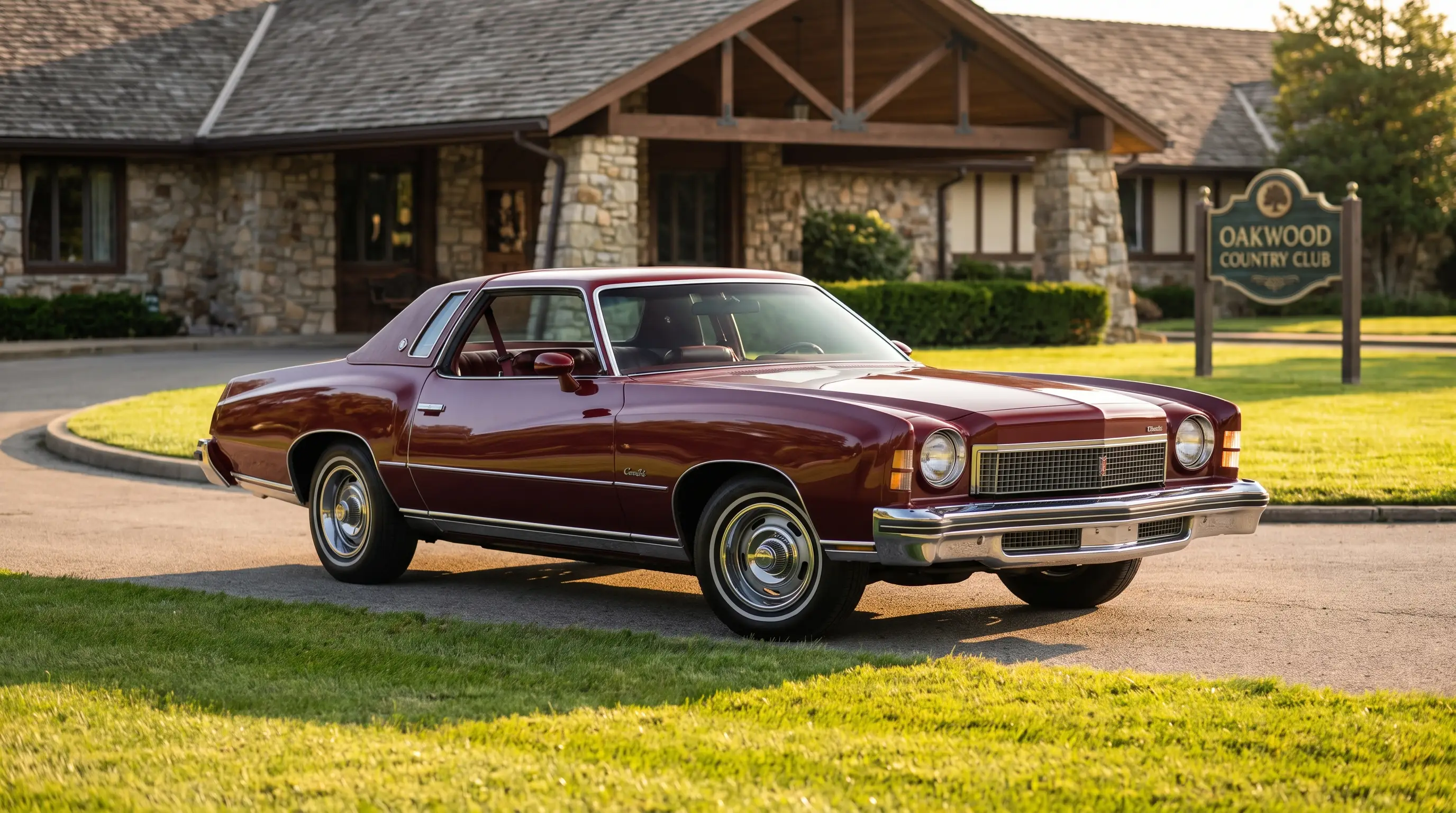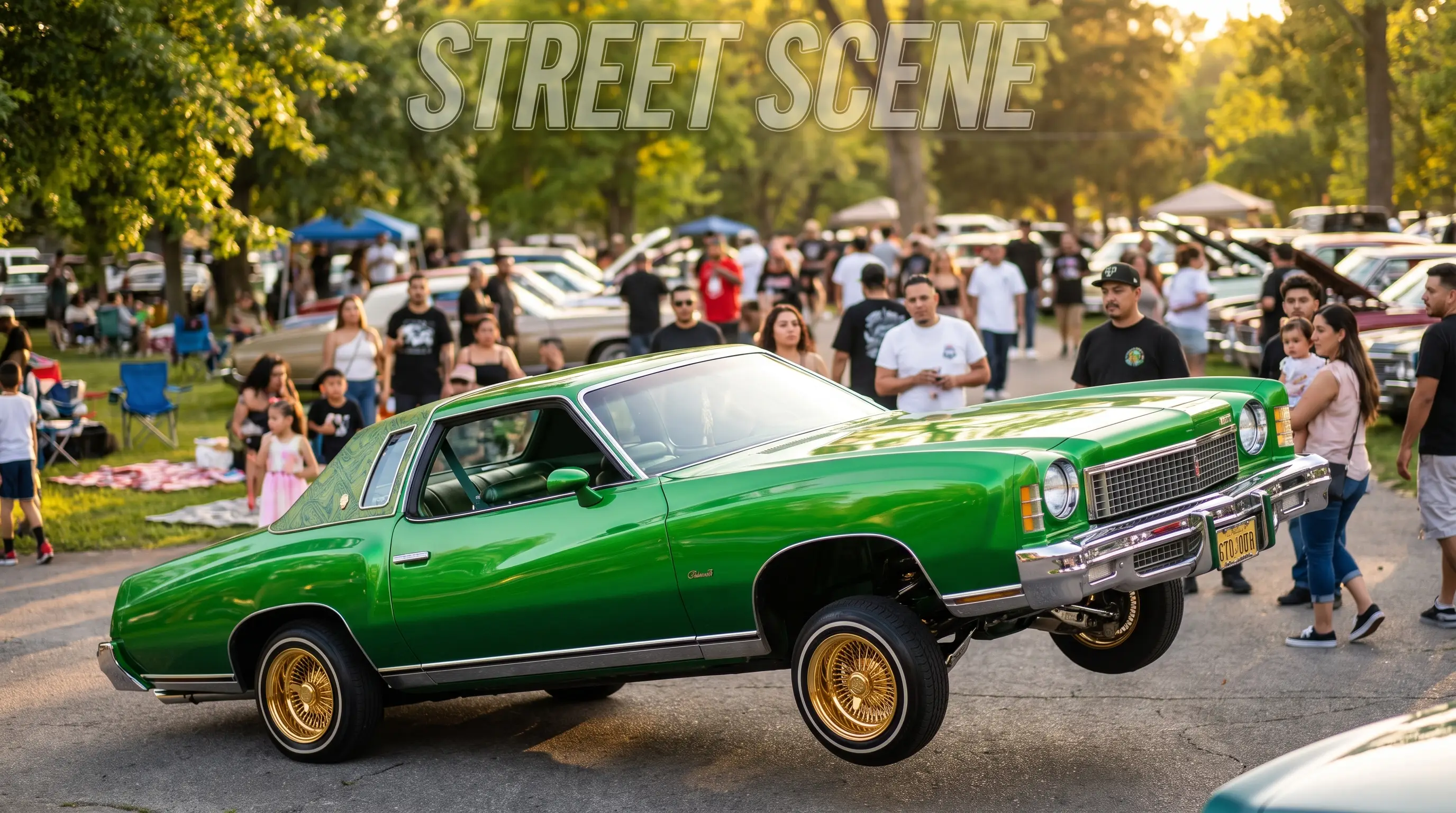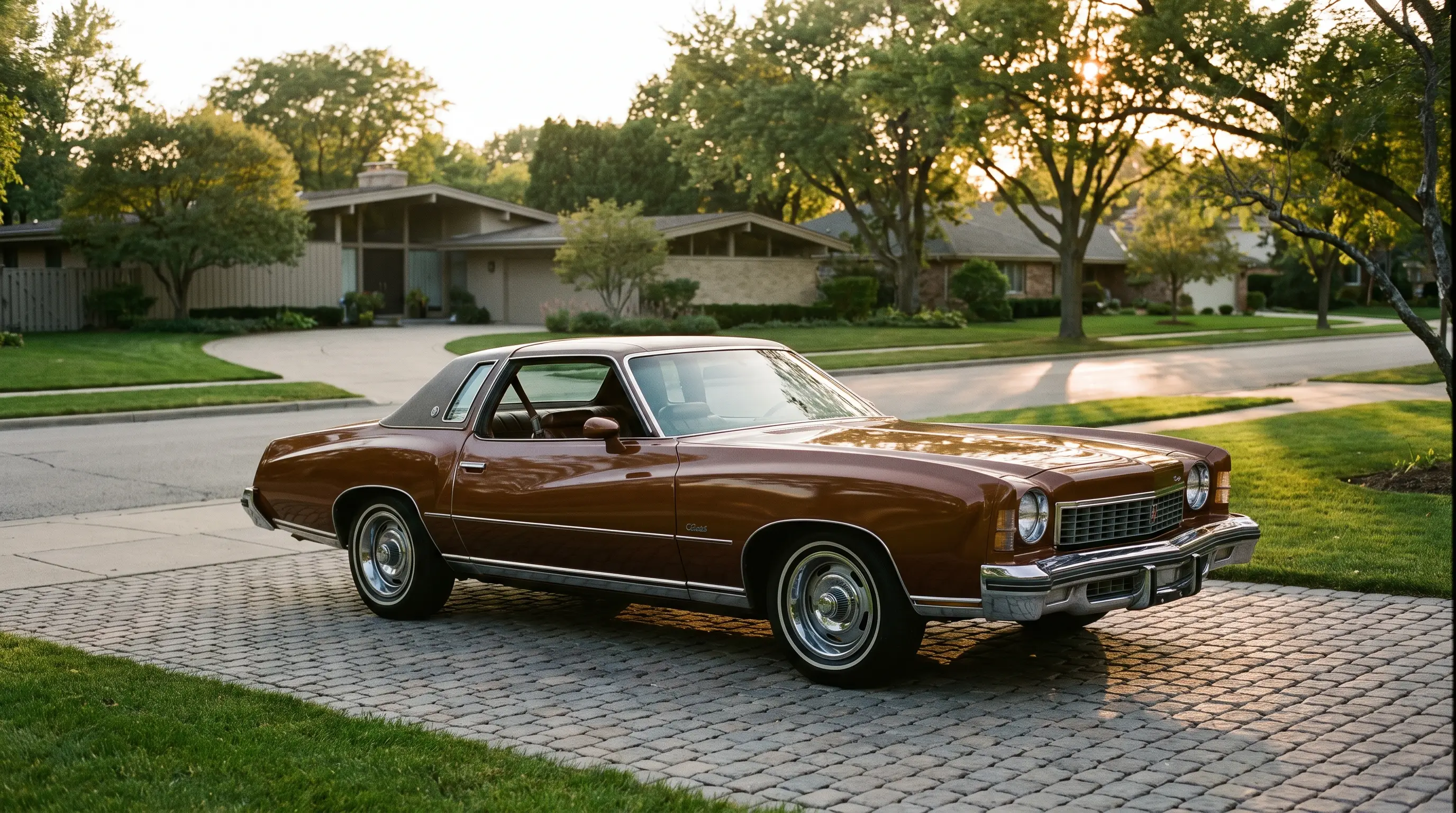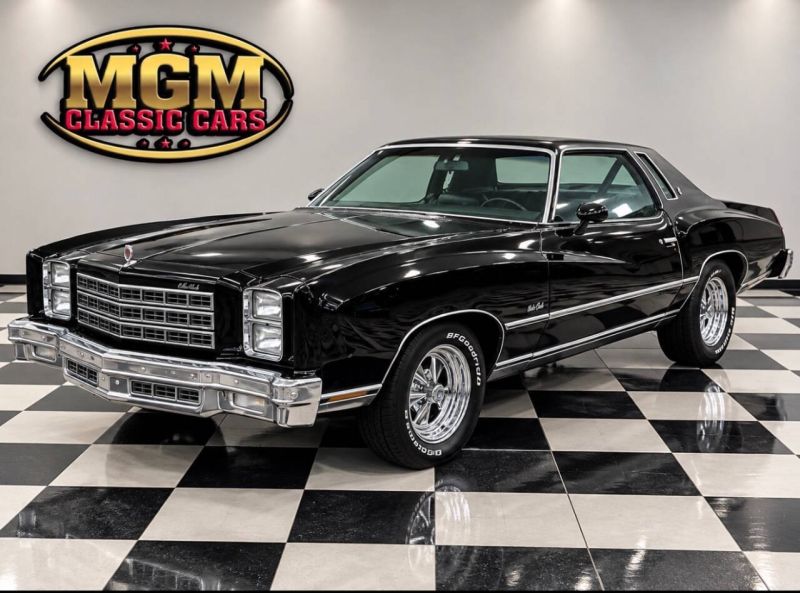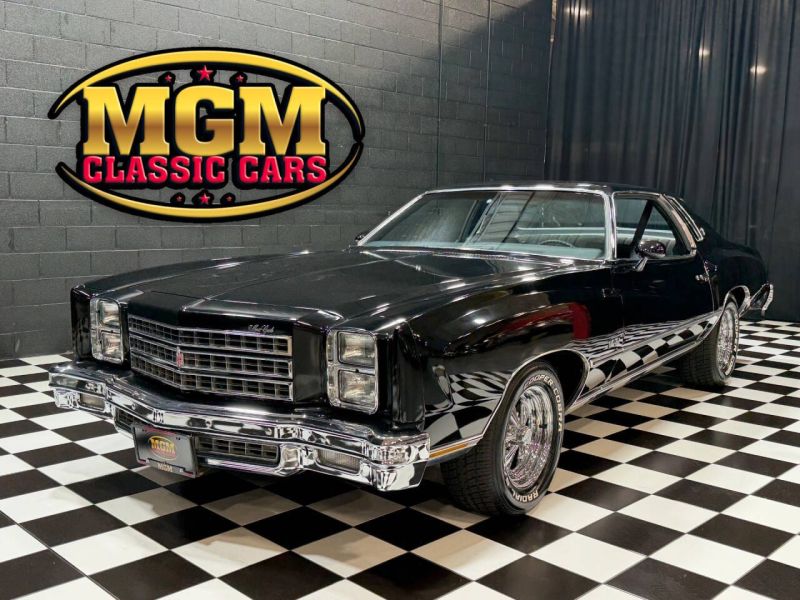
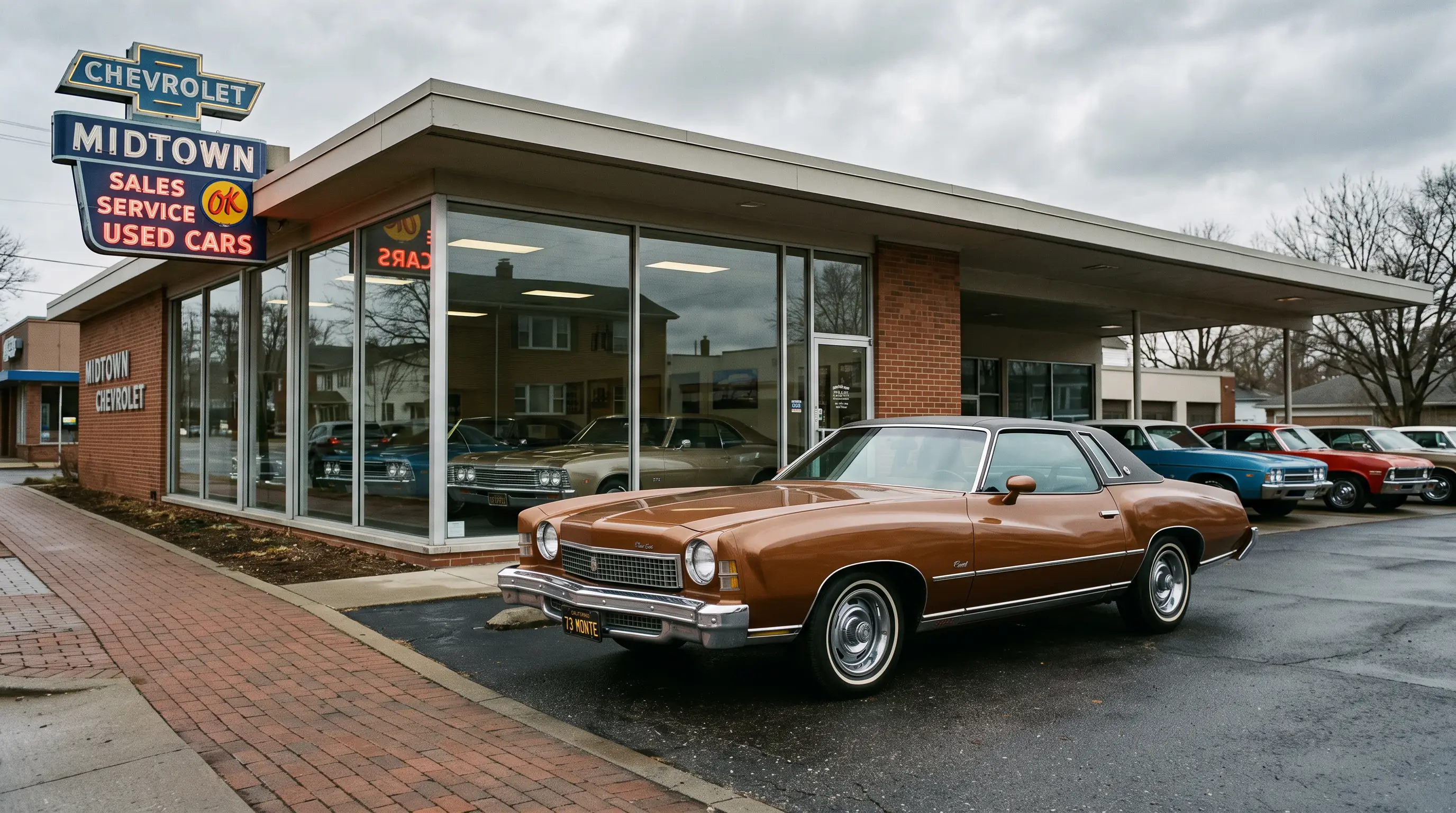
Automotive journalists in 1973 did not universally love what Chevrolet had done to the Monte Carlo, and the period press reaction to that redesign is a more interesting, more mixed record than most modern retrospectives let on. Reading through what reviewers actually wrote at the time reveals a press corps grappling with a car that represented a genuine philosophical shift, not just a new set of sheet metal.
Praise for the interior and the ride
Where period reviewers were consistently positive was inside the cabin. Writers covering the 1973 Monte Carlo repeatedly singled out the quieter cabin, the improved sound insulation, and the more substantial-feeling dashboard and seating as genuine improvements over the outgoing first-generation car. Several period road tests noted that the Colonnade structure, whatever its origins in anticipated safety regulation, delivered a noticeably more solid, rattle-free driving experience than the more open-bodied car it replaced, a benefit few buyers would have predicted from a body change driven by rollover concerns rather than comfort engineering.
Ride quality drew similar praise. The longer wheelbase and revised suspension tuning gave the 1973 Monte Carlo a smoother highway ride than its predecessor, and reviewers writing for buyers cross-shopping against the Ford Thunderbird and Oldsmobile Cutlass Supreme generally found the Chevrolet competitive on comfort grounds, even when they had reservations about other aspects of the redesign.
Where the criticism landed
The sharpest period criticism centered on weight and performance. Reviewers who had driven earlier Monte Carlos, particularly the big-block-equipped SS models from the first generation, noted that the heavier Colonnade body blunted acceleration and dulled handling response compared to the outgoing car, even with comparable engine displacement under the hood. This was not a surprise to Chevrolet's own engineers, who understood the tradeoff they were making, but it did register with journalists who remembered what the nameplate had offered just a few years earlier.
Some reviewers also questioned the styling shift itself, arguing that the more formal, upright greenhouse and thicker pillars traded away some of the visual drama that had made the first-generation Monte Carlo distinctive in the first place. This criticism was never universal. Plenty of period writers appreciated the more formal look as appropriate for the car's positioning as an attainable luxury coupe rather than a sporting model, but the disagreement itself shows that the 1973 redesign was genuinely contested among people paying close attention at the time, not the unanimous triumph later marketing materials sometimes implied.
How sales numbers answered the critics
Whatever reservations some journalists expressed, the buying public answered clearly and quickly. Sales for the 1973 Monte Carlo climbed sharply over the outgoing model, proving that the qualities period reviewers praised, quietness, comfort, and a more substantial feel, mattered more to actual buyers than the handling and weight concerns that occupied enthusiast press coverage. This is a pattern that shows up repeatedly in automotive history: journalists evaluating a car against the standards of driving dynamics sometimes miss what the broader market is actually prioritizing in a given moment, and 1973 is a clean example of that gap.
Later retrospective coverage, written with the benefit of decades of hindsight and the Monte Carlo's continued sales success through the rest of the Colonnade generation, tends to treat the 1973 redesign far more favorably than the mixed original reviews suggested at the time. That revision of the historical record is worth noting for anyone doing serious research into how this car was actually received when new, rather than how it gets remembered now.
"Go back and actually read the 1973 road tests instead of relying on modern summaries, and you find a press corps that respected what Chevrolet accomplished with the interior and ride quality while genuinely mourning what got traded away in performance and visual drama. Both reactions were correct, and neither one predicted how well the car would ultimately sell."
- Tom Ramirez
Why the original reaction still matters for collectors
Understanding how period press actually received the 1973 Monte Carlo gives modern collectors useful context for evaluating the car today. The performance and handling criticism that period reviewers raised remains true of the Colonnade body relative to the lighter first-generation car, and buyers expecting muscle car dynamics from a 1973 Monte Carlo will find the same disappointment period road testers noted decades ago. But the comfort and refinement praise holds up equally well, and it explains why so many original owners kept these cars for years rather than trading them in quickly. Readers curious about where this started, meaning the full engineering and market context behind the 1973 redesign, will find that background useful alongside this look at how the press actually covered the car when it was new.
For collectors weighing a 1973 Monte Carlo against other Colonnade-era or first-generation options, the honest period reaction offers a more balanced starting point than nostalgia alone, and anyone ready to shop classic Monte Carlo listings with that fuller picture in mind will make a more informed purchase than buyers relying on marketing history alone.
What specific publications actually reported
Digging into individual period road tests rather than relying on general summaries turns up specific, useful detail. Coverage from major buff books of the era tended to run comparison tests pitting the Monte Carlo against its Thunderbird and Cutlass Supreme rivals directly, and the Chevrolet often came out ahead on value while trailing on outright prestige, a distinction period writers were careful to draw rather than declaring one car simply better than another. Fuel economy commentary also started creeping into road tests by late 1973, a new concern for reviewers as the oil embargo unfolded mid-model-year, and some coverage noted the Monte Carlo's smaller-displacement engine options as a genuine practical advantage heading into an uncertain fuel environment.
Advertising copy from Chevrolet itself in this period is worth reading alongside the independent press coverage, since the contrast is instructive. Dealer materials leaned entirely into comfort, status, and value language, rarely engaging with the performance tradeoffs that independent reviewers flagged directly. That gap between manufacturer messaging and independent press coverage is a useful reminder for anyone researching this car today that period advertising and period journalism told two different, and only partially overlapping, stories about the same redesign.
International press attention was minimal but not entirely absent. A handful of European automotive publications covering the American market noted the 1973 redesign mainly as an example of the broader industry-wide shift toward heavier, safety-regulation-driven body structures happening across Detroit that year, treating the Monte Carlo as one data point in a larger story about American car design rather than singling it out for special commentary either way. That outside perspective, distant from the domestic buff book debates over handling and prestige, offers a useful reminder that the changes reshaping the Monte Carlo in 1973 were part of an industry-wide pattern rather than a decision unique to this one nameplate.