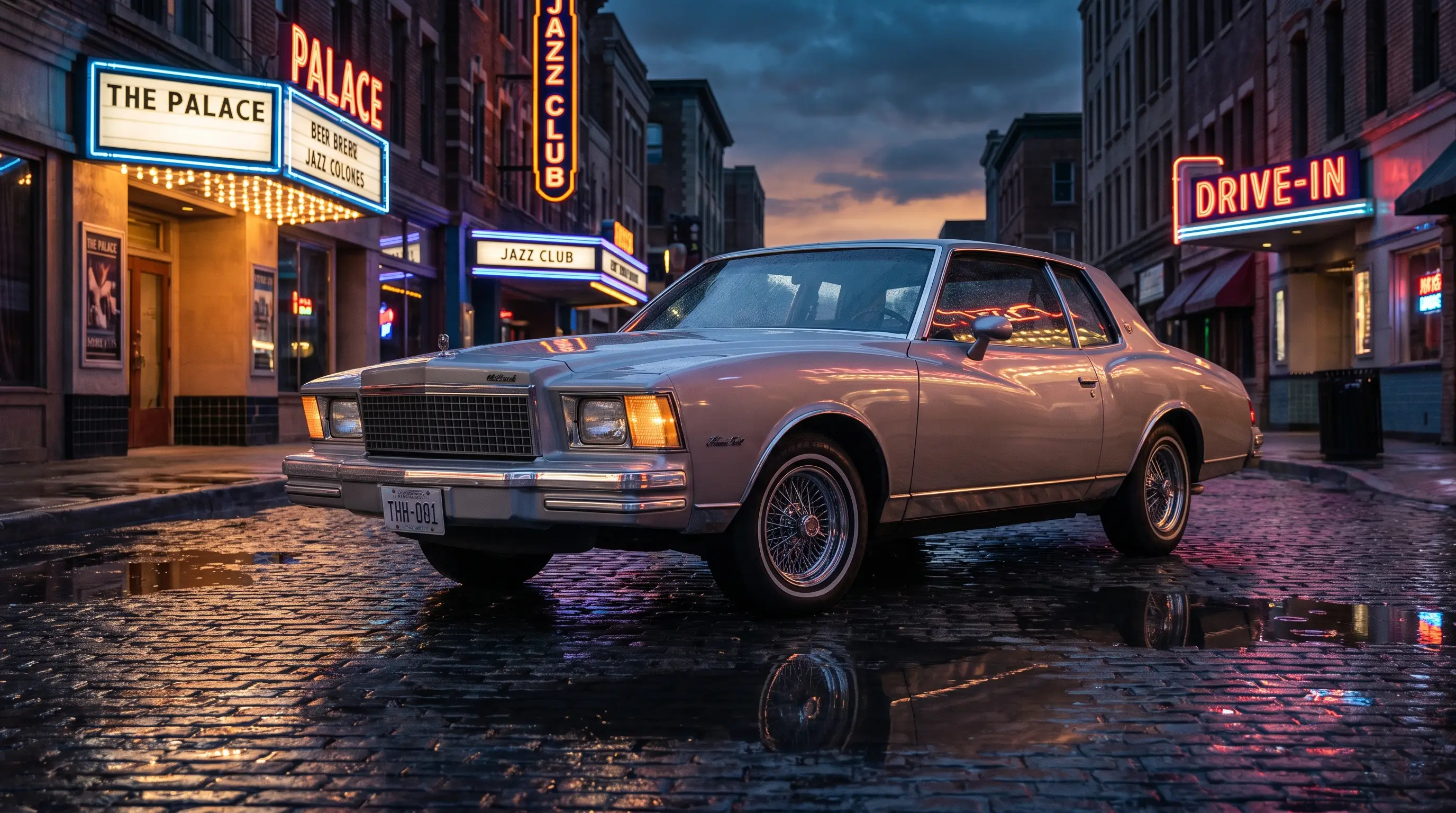
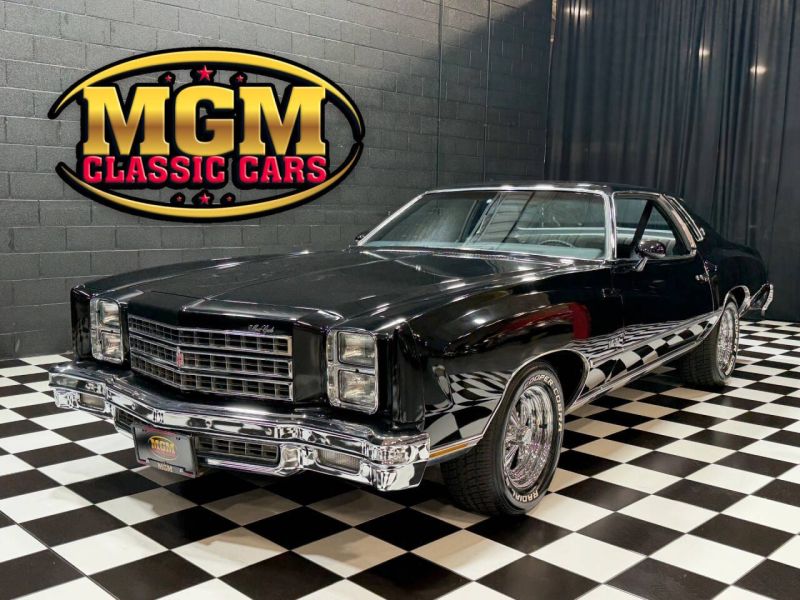
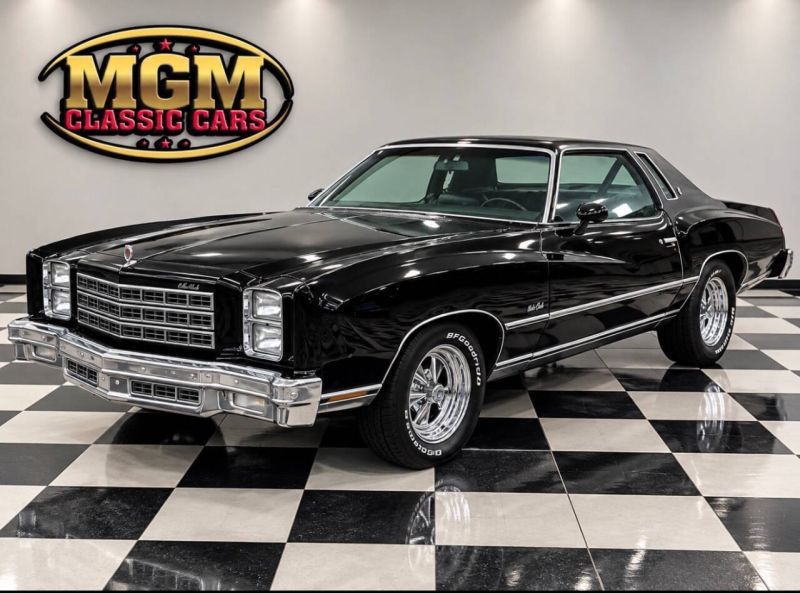
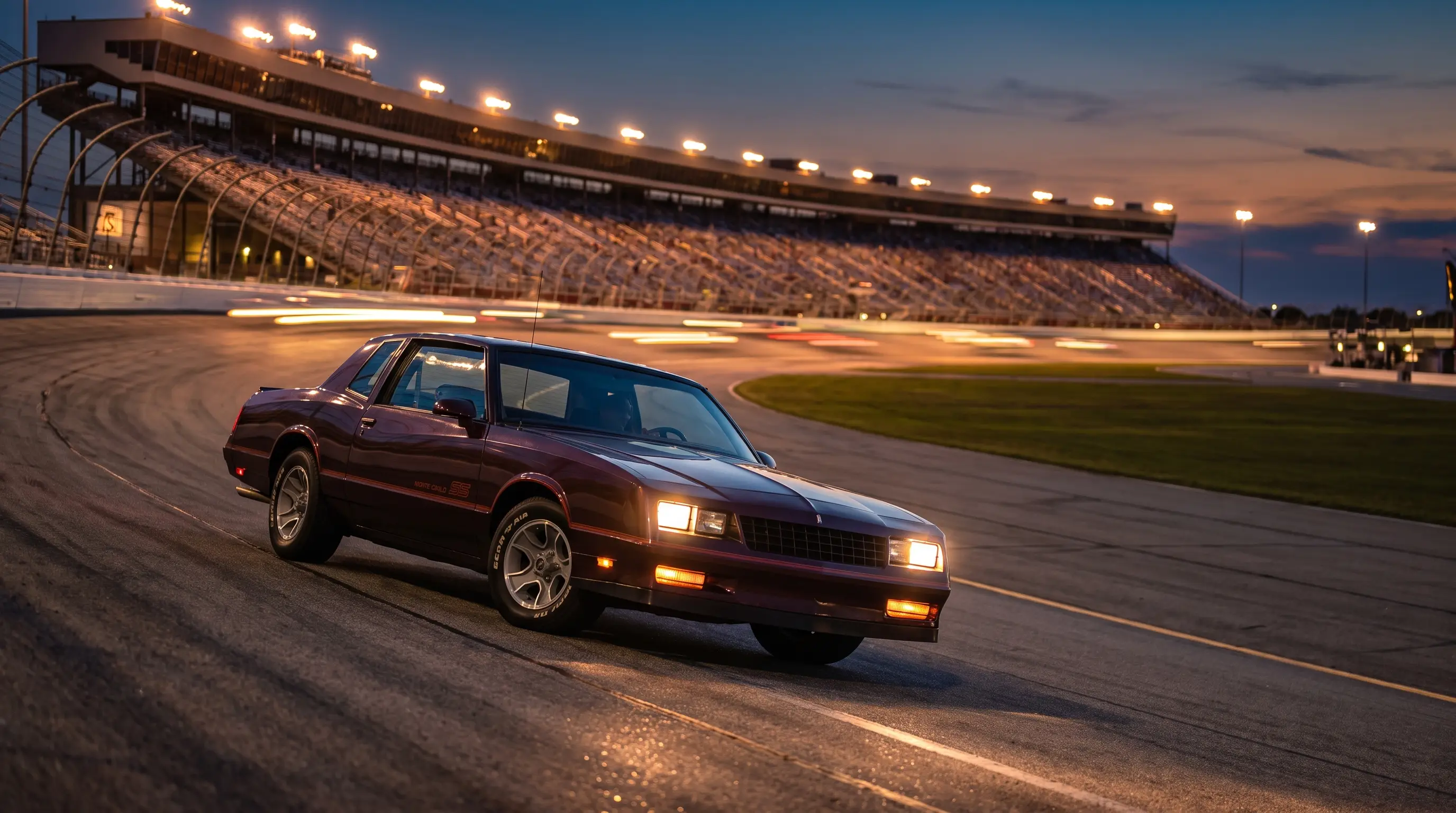
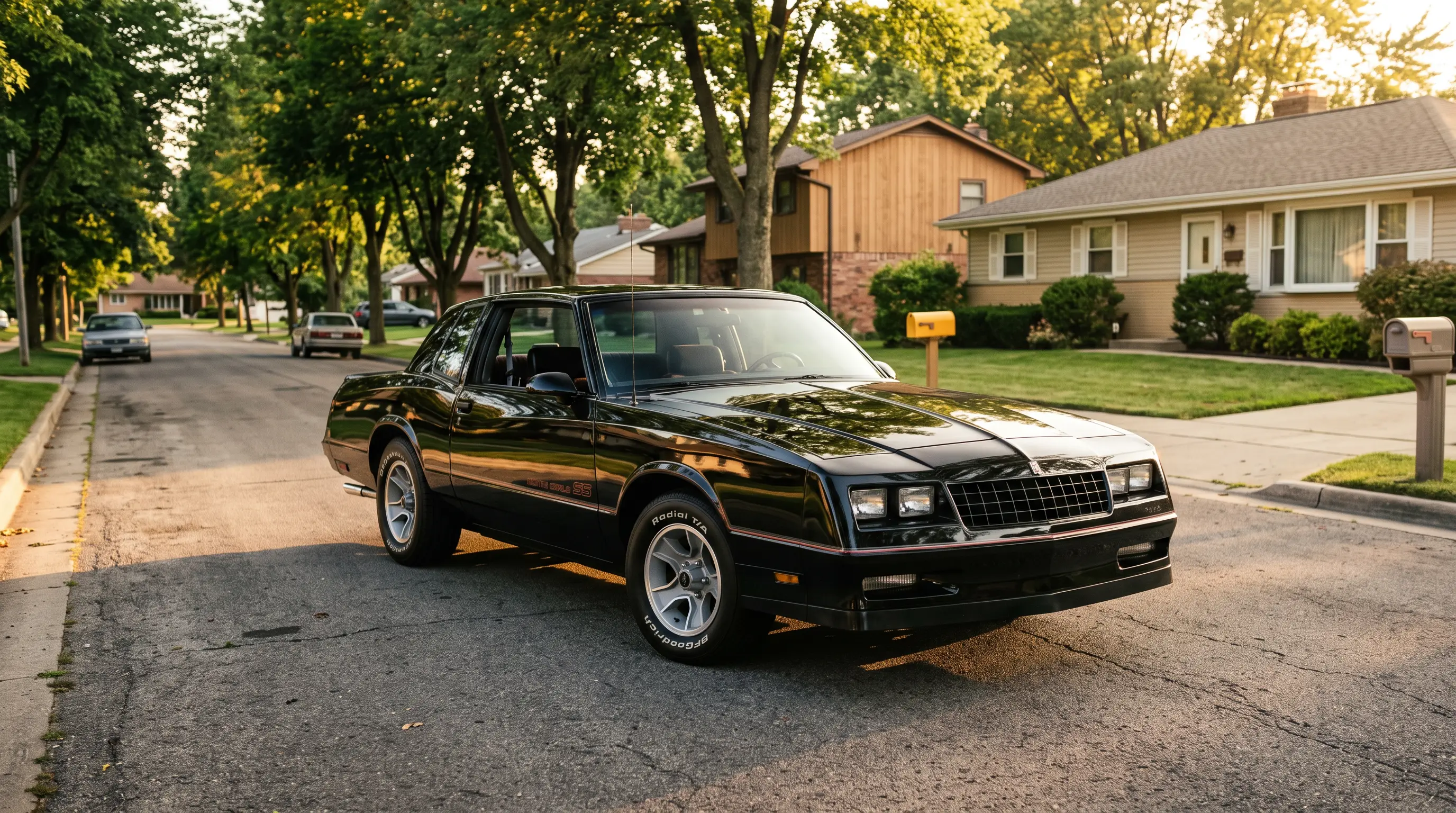
Ask a certain generation of American drivers about their first car, and a surprising number will describe a hand-me-down 1978 Monte Carlo, usually inherited from a parent or grandparent well into the 1980s or even 1990s, long after the fuel economy debates that shaped its creation had faded from memory. That is the heart of monte carlo 1978 daily driver nostalgia, a story less about performance figures and more about a car that simply kept showing up in ordinary American life for decades after it left the factory.
A car built to last in the background
The 1978 Monte Carlo was never marketed as a car you would still be driving in twenty years, yet a remarkable number of them ended up doing exactly that. Chevrolet's mainstream engineering, including the durable 305 cubic inch V8 and a straightforward suspension and drivetrain layout, produced a car that tolerated years of ordinary use, oil changes skipped a little late, and the general wear of being someone's actual transportation rather than a garage-kept showpiece.
This durability meant the 1978 Monte Carlo had an unusually long second life as a daily driver passed between family members. A car bought new by a parent in 1978 often became a teenager's first car by the mid-1980s, then sometimes got passed along again to a younger sibling or cousin before finally retiring to occasional use or a barn sometime in the 1990s. That extended, multi-generational ownership pattern is a big part of why so many Americans have a personal memory attached to this specific car, even people who never once considered themselves classic car enthusiasts.
What people actually remember
Ask around and the memories tend to cluster around similar details. The particular sound of the V8 idling in a school parking lot. The bench seat that fit three teenagers across for a drive-in movie. The velour interior that had gone slightly threadbare by the time it reached its second or third owner but still felt more comfortable than anything in a friend's newer, smaller economy car. These are not spec-sheet memories. They are the kind of sensory, specific recollections that only come from years of actual daily use, and they explain why the 1978 Monte Carlo occupies a warmer place in a lot of people's memory than its modest period reputation might suggest.
For the fuller 1978 monte carlo history behind why this car was built the way it was, the engineering decisions that shaped this durability are worth understanding in their own right, since Chevrolet's downsizing choices directly influenced how well these cars held up over decades of ordinary family use.
Why nostalgia hits this car differently
Unlike a muscle car that people admire from a distance, the 1978 Monte Carlo tends to generate nostalgia rooted in genuine lived experience. People do not just remember seeing one. They remember driving one to their first job, or borrowing their parent's car for a first date, or learning to parallel park in one during driver's education. This is nostalgia built on utility and familiarity rather than on aspiration, and that distinction matters enormously to why the car resonates the way it does with people now in their fifties and sixties who grew up around one.
That lived familiarity also explains why the collector market for this generation skews toward buyers reconnecting with a specific personal memory rather than buyers chasing investment potential. Someone shopping for a 1978 Monte Carlo today is more likely motivated by wanting to recreate a specific feeling from 1987 than by any expectation of significant appreciation, and that emotional motivation shapes how these cars actually change hands in the current market.
"Most people do not remember the 1978 Monte Carlo from a magazine road test. They remember it from their own driveway, and that kind of memory does not fade the way a spec sheet does."
- Tom Ramirez
The press angle worth reading alongside this
Period reviewers had their own take on how this car would age in daily use, and a related story covers what those contemporary road tests actually said about the car's everyday livability when it was brand new, a useful counterpoint to the warmer hindsight nostalgia most owners carry today.
What both perspectives agree on is that the 1978 Monte Carlo was built to be lived with, not just looked at, and that quality is exactly why it earned a permanent place in so many family histories rather than fading into obscurity the way plenty of its more forgettable contemporaries did. If that kind of daily driver history speaks to you, Monte Carlos for sale now is worth a look for anyone hoping to recreate a piece of that memory in their own driveway today.
How this nostalgia is reshaping the market
Something interesting has happened to demand for the 1978 Monte Carlo over the past several years, driven largely by this exact nostalgic pull. Buyers now in their fifties and sixties, with disposable income and a specific personal memory attached to this generation, have started actively seeking out the same car they or a family member once drove daily, sometimes hunting for the same color combination or trim level they remember from decades ago. This is a distinctly different buying motivation than the investment-driven demand chasing rarer, higher-performance nameplates.
Dealers and private sellers who understand this dynamic have learned to market these cars around story and memory rather than around spec sheets, describing a car's history and prior ownership almost as prominently as its condition and mileage. That approach resonates because it speaks directly to the actual reason most buyers in this segment are shopping in the first place. They are not trying to build a portfolio of appreciating classic cars. They are trying to recover a specific feeling from a specific driveway, decades later, and a well-told history often closes the sale faster than a spotless paint job alone ever could.
This nostalgia-driven demand has quietly kept prices for clean, honest 1978 Monte Carlos stable even as broader interest in malaise-era cars has fluctuated, since the buyers chasing this specific memory tend to be less price-sensitive than buyers shopping purely on investment logic. It is a reminder that not every corner of the classic car market runs on the same motivations, and this one runs almost entirely on memory. For sellers and buyers alike, understanding that distinction is worth more than any pricing guide could offer on its own, since the real currency in this segment of the hobby is a story worth telling honestly, not a spreadsheet of comparable sales figures pulled from some unrelated auction three states away and two decades removed from the memory that actually matters.