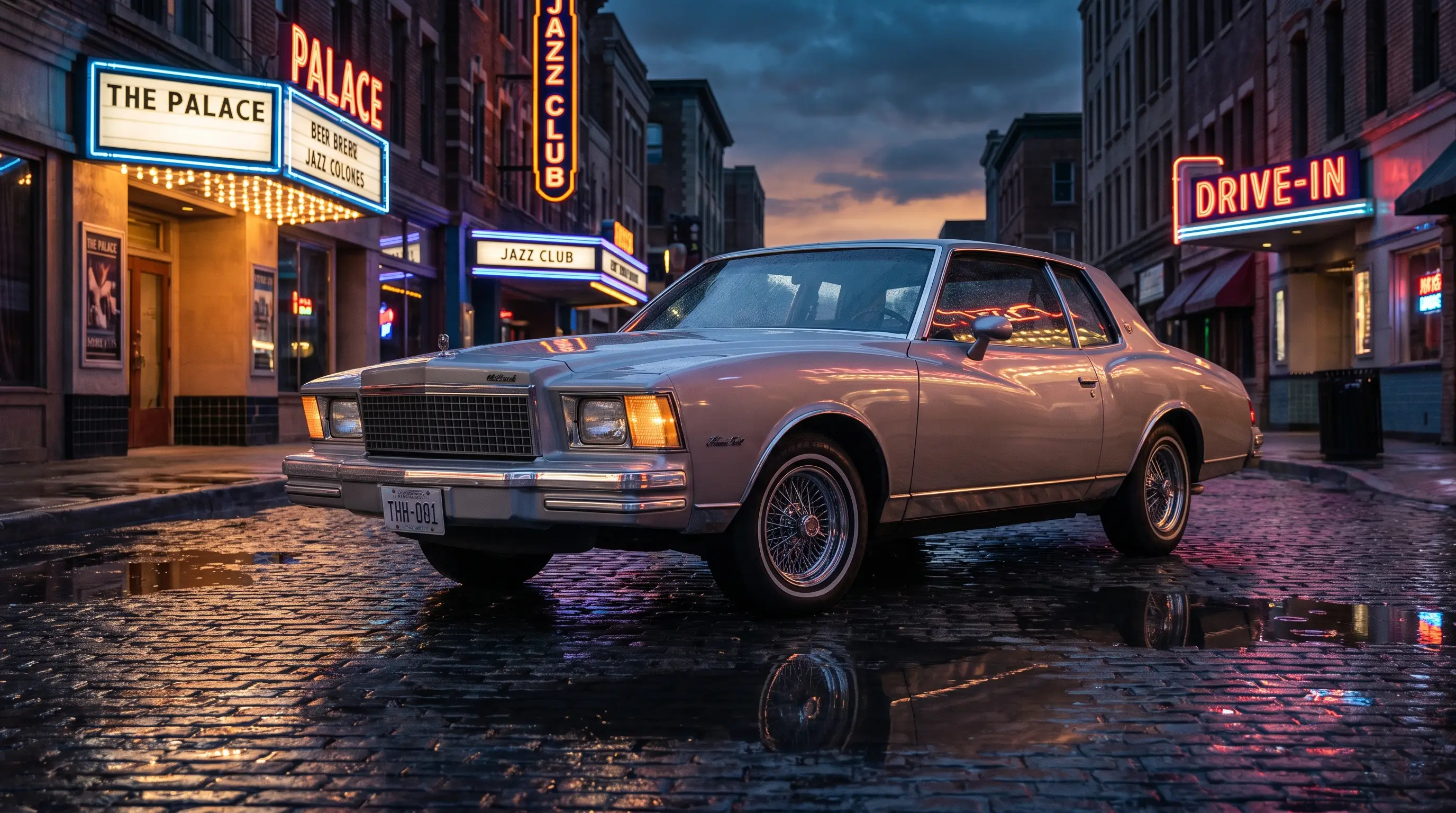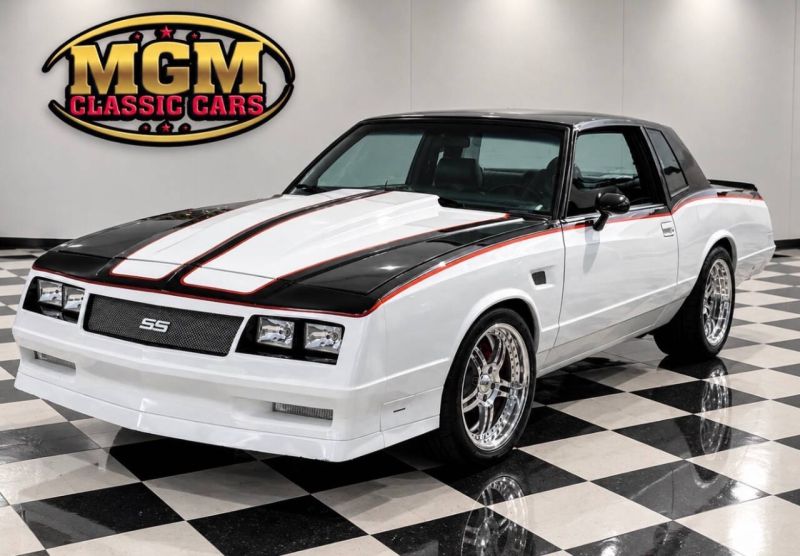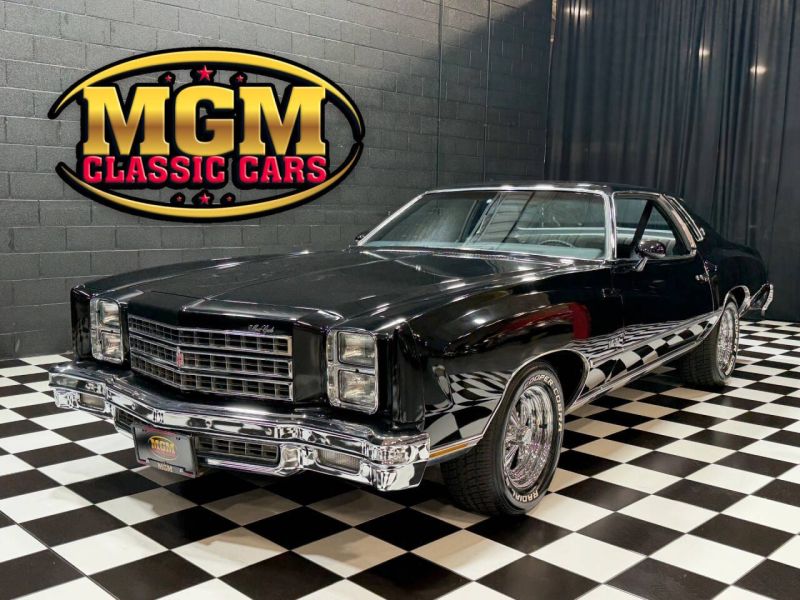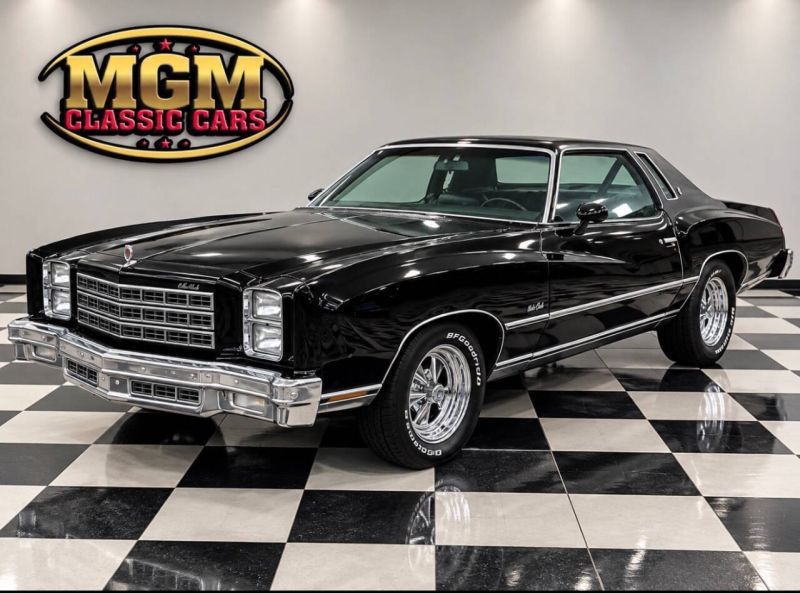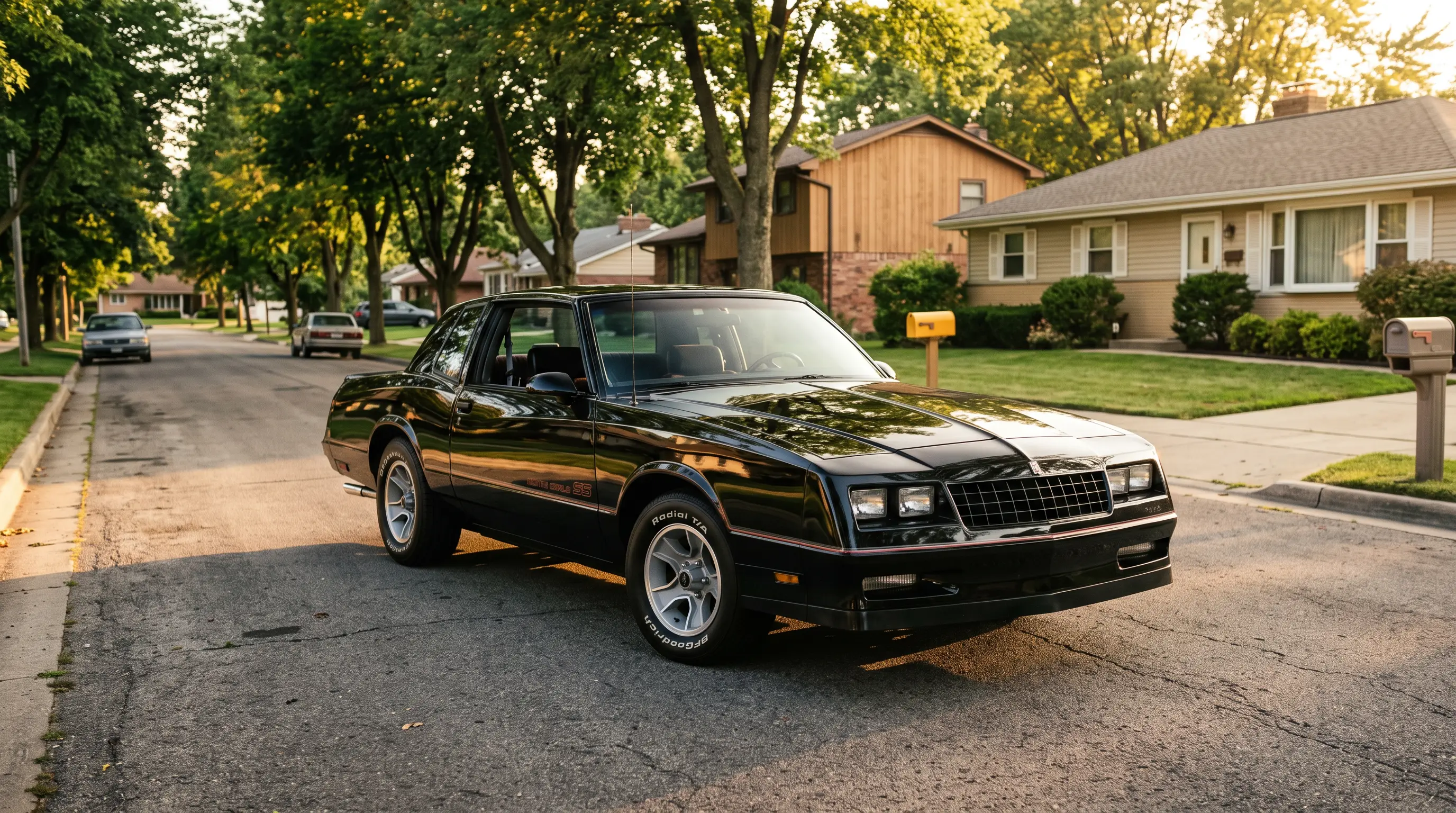

The monte carlo 1978 restoration scene is smaller and quieter than the crowds that gather around big-block muscle cars, but it is no less devoted. These are the owners and shop proprietors who spend weekends chasing correct velour swatches and period-accurate vinyl roof samples for a car most of the hobby still underrates, and their stories say as much about patience as they do about horsepower.
A community built on documentation, not bravado
Walk into a shop that regularly handles G-body work and ask about the 1978 Monte Carlo specifically, and the conversation rarely turns to lap times or quarter-mile figures. It turns to build sheets, to trim codes, to whether a particular shade of camel velour matches what left the factory or whether it is a slightly off reproduction that will bother a discerning owner for years afterward. This is a restoration culture organized around getting details right rather than making a car faster than Chevrolet ever intended it to be, and that distinction shapes everything about how this specific corner of the hobby operates.
Shops that specialize in this generation tend to accumulate deep informal archives of period photography, factory literature, and dealer brochures, because so much of getting a 1978 Monte Carlo correct depends on comparing a given car against documented factory specifications rather than working from memory or assumption. Owners who bring their cars to these shops are often surprised by how much research goes into a project before a single panel gets touched.
The people who keep this scene alive
Sarah, a retired schoolteacher in Ohio, has owned the same 1978 Monte Carlo since buying it used in 1985, and her car has become something of a reference point for other owners in her regional club, since she kept the original window sticker and has never let the car stray from its factory color and trim combination. People email her photographs asking whether a particular vinyl roof shade looks correct, and she answers patiently, treating the question as a small act of preservation rather than an inconvenience.
Then there are the shop owners who specialize almost accidentally in this generation, having started with one customer's 1978 Monte Carlo years ago and slowly built a reputation within the G-body community for getting these cars right. Word travels slowly in a niche this specific, but it travels reliably, and a shop that earns trust on one correctly restored Monte Carlo tends to keep earning referrals within the same tight-knit circle of owners for years afterward.
What makes this generation a specific challenge
Because the 1978 Monte Carlo was never treated as an instant collectible when new, a meaningful share of surviving examples passed through decades of ordinary daily use before anyone thought to preserve them carefully. That history means the restoration scene around this car spends real energy simply establishing what a given example originally looked like before deciding how faithfully to bring it back, a research process that can take longer than people expect for a car built in genuinely large numbers.
This scarcity of clean documentation, paradoxically for a high-production car, is part of what makes the community around it feel close-knit. Owners lean on each other constantly, trading photographs, comparing notes on trim tag codes, and building a shared body of knowledge that did not exist in any single organized place a generation ago. For the fuller engineering and sales background that gives this restoration effort its context, our complete history covers how the 1978 redesign came together in the first place.
"This community does not chase attention. It chases accuracy, and that patience shows in every correctly restored 1978 Monte Carlo you find at a regional show."
- Sarah Whitfield
Why this scene matters beyond nostalgia
Every carefully documented restoration adds to a body of shared knowledge that benefits the entire ownership community, not just the individual owner doing the work. A correctly identified paint code, a properly sourced velour pattern, a well-documented original option combination, each one becomes a reference point that helps the next owner get their own car right. This is how a niche restoration scene sustains itself over decades without the benefit of the larger parts industry and enthusiast infrastructure that supports flashier, more famous nameplates.
The 1978 Monte Carlo restoration community may never draw the crowds that gather around an SS 396 or a genuine muscle car icon, and its members seem largely at peace with that. What they have built instead is a quieter but genuinely rigorous culture of preservation, one car and one correctly matched trim detail at a time. For anyone curious about joining that community from the ownership side, browse classic Monte Carlo listings is a reasonable place to start looking for a project or a driver worth preserving properly.
How regional clubs organize around this generation
Most G-body clubs do not organize exclusively around the 1978 Monte Carlo, since the platform's popularity spans four GM nameplates and multiple model years, but within these broader clubs a dedicated subset of members has developed real specialization in this specific year. Regional meets often feature a table or corner devoted to trim identification, where owners bring photographs of their own cars and compare notes against reference materials other members have accumulated over years of collecting dealer brochures and factory documentation.
These gatherings function as informal clearinghouses for exactly the kind of knowledge that formal parts catalogs and reproduction suppliers cannot always provide. A member who spent months tracking down a correct interpretation of a rare color code becomes, almost by accident, the person everyone else in the club consults when a similar question comes up. This kind of distributed expertise, built slowly and shared generously, is the actual engine driving quality restoration work in this corner of the hobby, more so than any single well-funded shop or famous restorer could accomplish alone.
National conventions for broader G-body ownership groups sometimes feature judged classes specific to this era, where correctness against factory specification carries more weight than showroom shine, rewarding the kind of patient documentation work that defines this restoration culture at its best. Owners who win these classes rarely describe the experience as competitive in the way a drag racing trophy feels competitive. They describe it more as validation that years spent chasing a correct trim code or an accurate paint match were worth the effort, a quiet reward for a kind of patience the wider collector car hobby does not always recognize or celebrate loudly enough, even as it quietly protects the accuracy of every 1978 Monte Carlo that passes through these owners' hands for the next generation to inherit.