The Chevrolet Monte Carlo entered 1978 as a smaller, lighter car, and by most textbook accounts of the malaise era that should have been a hard sell. Buyers were supposedly mourning big engines and long hoods. Instead, Chevrolet moved the redesigned Monte Carlo in numbers that embarrassed the doom-and-gloom narrative, and the production ledgers back that up plainly. This is a story about why a downsized coupe thrived while the industry around it struggled, and the answer has less to do with luck than with Chevrolet reading its own customer base correctly.
The context nobody wants to admit
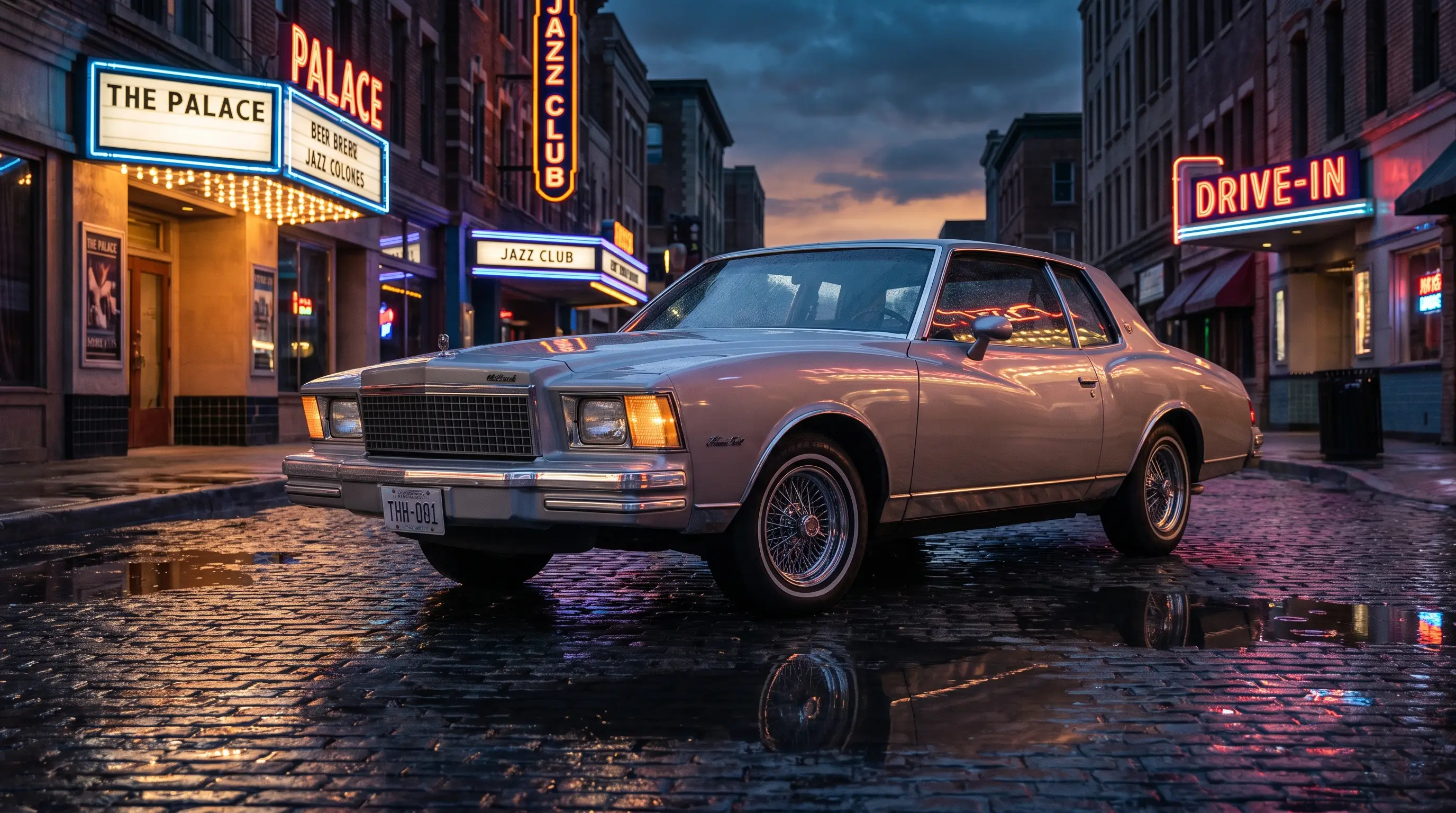
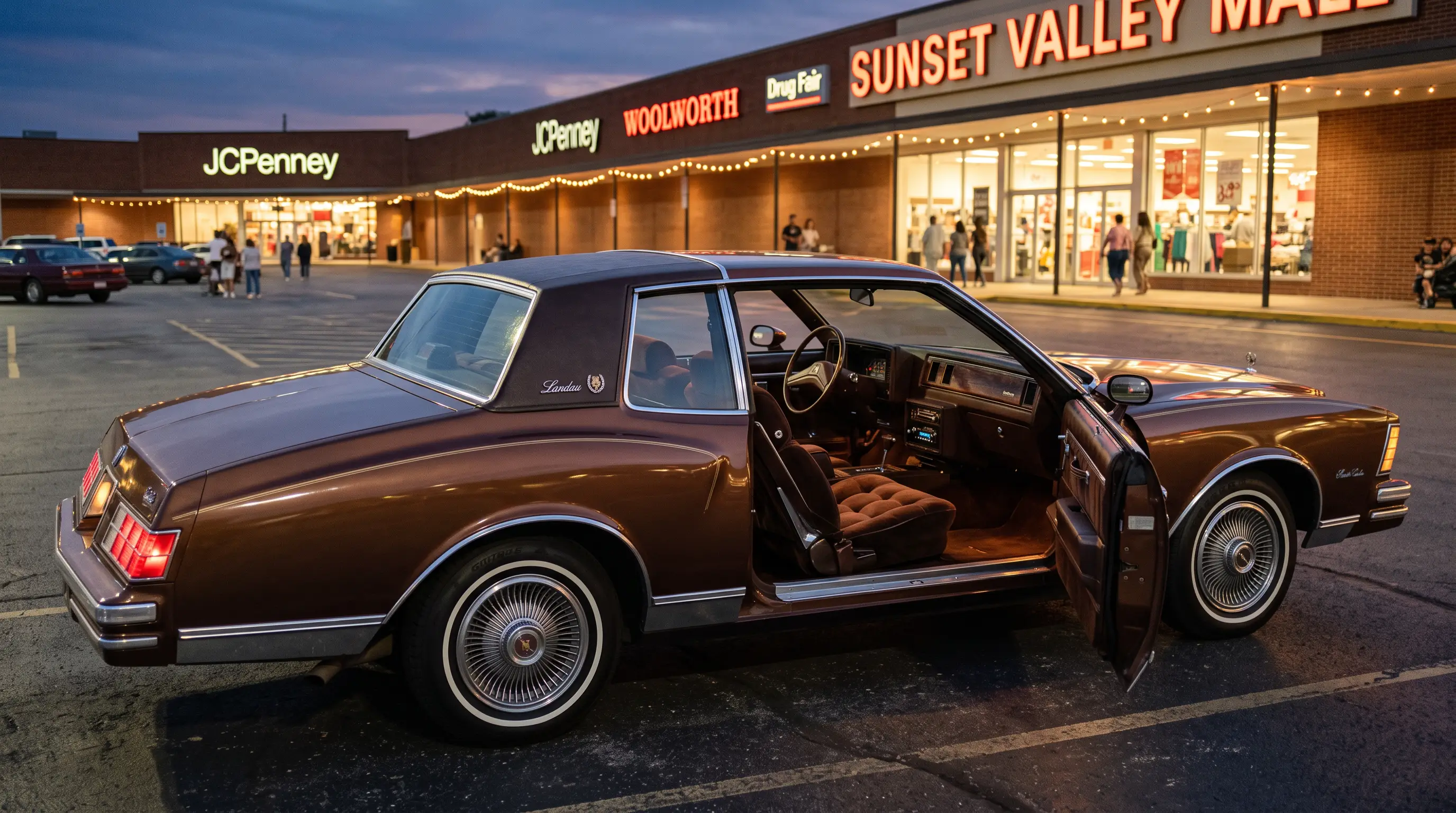
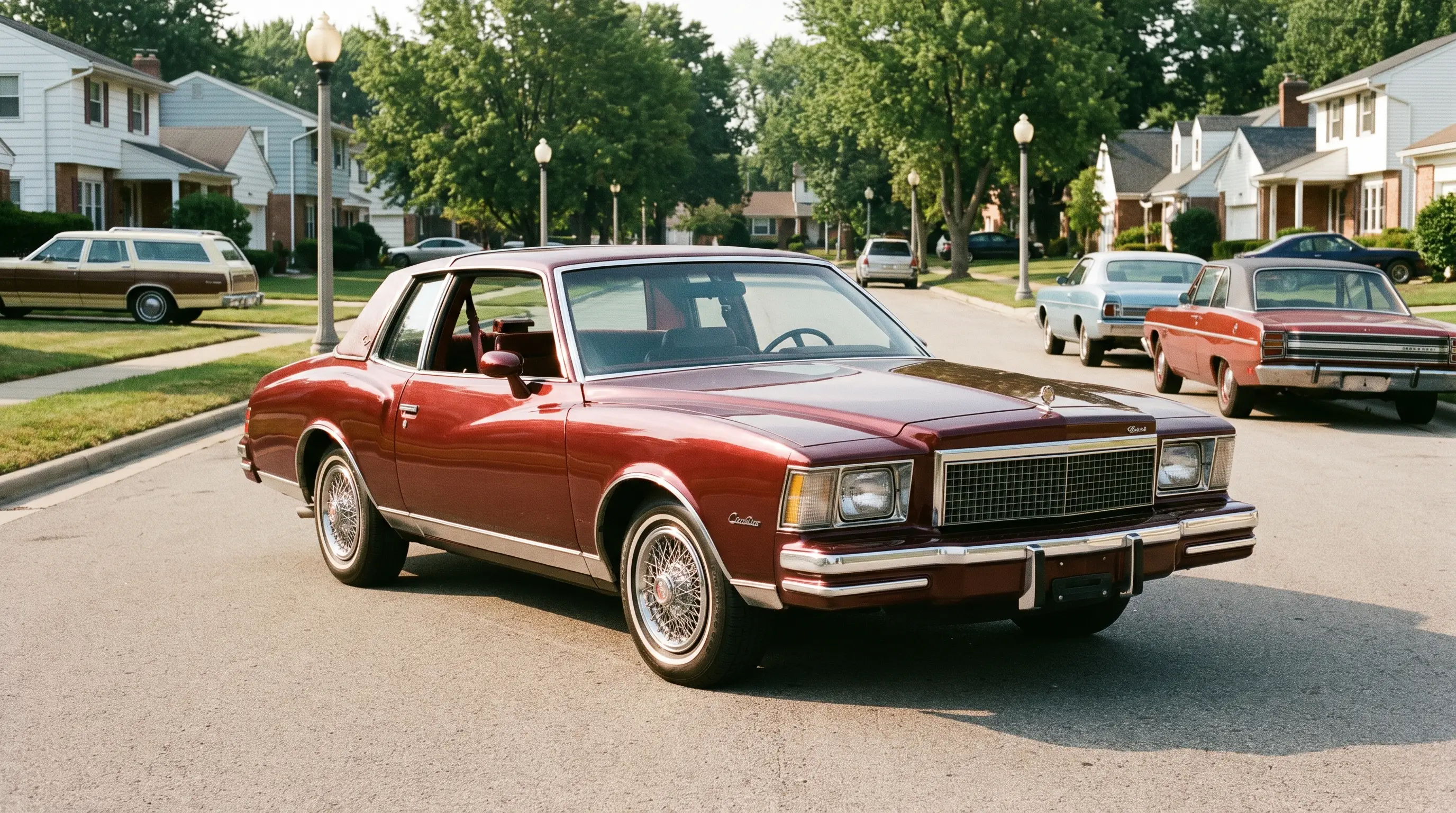
By 1978 the American car market had absorbed two oil shocks worth of anxiety and a run of federal fuel economy mandates that were reshaping every full-size and mid-size platform in Detroit. Chevrolet's answer was the G-body Monte Carlo, roughly 800 pounds lighter than the 1977 model and nearly a foot shorter overall, built on a wheelbase trimmed from 116 inches to 108. On paper this reads like a car built by committee to satisfy regulators, not customers. In practice, the proportions worked. The new Monte Carlo kept the long-hood, short-deck personal-luxury silhouette that had defined the nameplate since 1970, just scaled down to something that fit in a normal garage and returned better mileage at the pump.
That distinction matters because plenty of downsized cars from this period looked like apologies. The Monte Carlo did not. Chevrolet's designers preserved the visual cues, including the formal roofline and the prominent grille, and the car photographed as confident rather than compromised. Dealers reported that walk-in customers who arrived skeptical of a "smaller Monte" often left convinced once they saw the proportions in person.
What the sales figures actually show
Chevrolet built roughly 358,000 Monte Carlos for the 1978 model year, and it remained one of the best-selling personal-luxury coupes in the country that model year, trading blows with the Oldsmobile Cutlass Supreme rather than getting buried by it, since Cutlass Supreme and Cutlass Supreme Brougham production landed in a nearly identical range the same year. The car's price stayed accessible relative to rivals, and the smaller drivetrain lineup, headlined by the 305 cubic inch V8 as the volume engine, kept insurance and fuel costs in a range that mainstream buyers could stomach. This is the part of the monte carlo 1978 sales strength malaise story that gets lost when people only remember the era for its horsepower drought. Chevrolet was not selling raw performance in 1978. It was selling a coupe that looked expensive, drove smoothly, and did not punish the owner every time they filled the tank.
The showroom traffic data from the period, filtered through dealer accounts and period trade press, suggests Chevrolet undercounted just how ready the public was for smaller personal-luxury cars. GM's own X-body compacts and the downsized full-size Caprice had already tested the water in 1977, and both sold well despite the size reduction. The Monte Carlo simply confirmed the pattern a year later in the coupe segment specifically.
Reading the competition correctly
The G-body Monte Carlo shared its platform with the Oldsmobile Cutlass Supreme, Buick Regal, and Pontiac Grand Prix, and internal GM planning treated these as siblings competing for the same broad audience rather than direct clones fighting to the death. Chevrolet's marketing leaned on brand loyalty and price positioning to keep the Monte Carlo competitive within its own family of GM products, and it worked. Buyers who wanted a Chevrolet badge stayed with Chevrolet, and the smaller footprint did nothing to shake that loyalty since the styling still read as unmistakably Monte Carlo from thirty feet away.
Meanwhile, Ford's competing Thunderbird and Cougar XR-7 were larger and, by 1978, starting to feel dated against the crisper G-body design language. Chrysler's mid-size coupes were fighting their own financial battles that had nothing to do with product quality. The 1978 Monte Carlo essentially inherited a wide-open lane simply by being new, efficient, and still recognizably a Monte Carlo. For a deeper walk through that redesign, our 1978 monte carlo retrospective covers the engineering decisions that made this possible in far more detail.
The interior played its part too
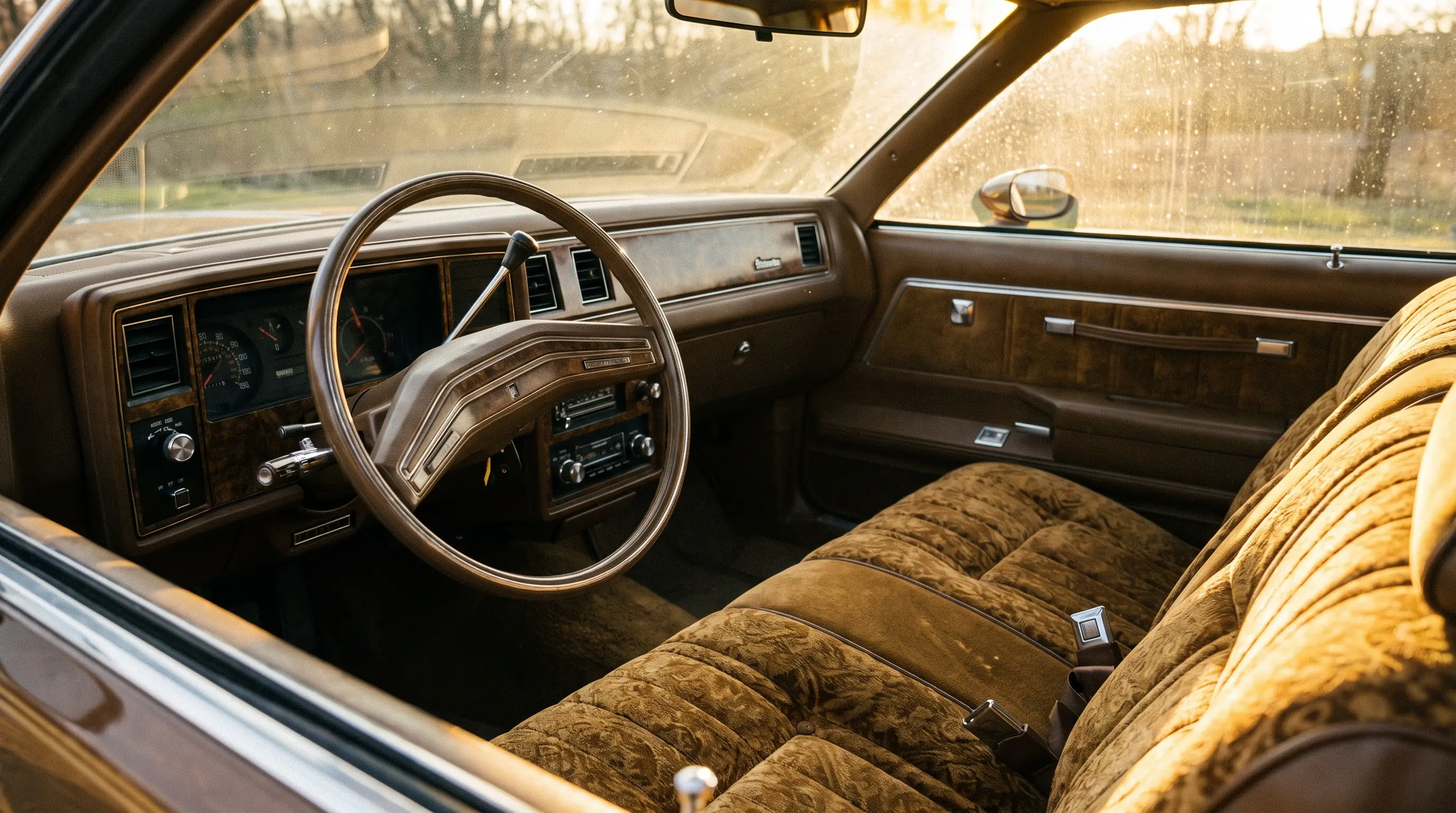
Sales success in this era was rarely just about sheet metal and fuel economy. The cabin experience mattered enormously to personal-luxury buyers, and the 1978 Monte Carlo delivered velour upholstery options, a padded dash, and trim choices that signaled comfort rather than austerity. Chevrolet understood that a downsized car could still feel upscale if the materials and details held up their end of the bargain, and a related story goes into how that cabin mood was constructed and why it resonated with buyers who cross-shopped against the Cutlass.
The result was a car that never asked its owner to apologize for buying smaller. That psychological trick, more than any single spec sheet number, explains why the Monte Carlo held its ground while so much of the industry around it was bleeding sales and confidence in equal measure.
"Chevrolet did not shrink the Monte Carlo and hope for the best. They shrank it and kept every visual promise the nameplate had made since 1970, and that is the entire reason the sales held."
- Tom Ramirez
Why this era still matters to collectors
Understanding the monte carlo 1978 sales strength malaise story is not just a history exercise. It explains why so many 1978 Monte Carlos survived in decent numbers today, since strong original sales volume means a larger surviving population for the collector market to draw from decades later. It also explains the car's reputation as an underrated entry point into G-body ownership, since it was never a low-volume oddity built to satisfy a quota. It was a genuine sales success in one of the industry's roughest stretches, and that context adds real weight to any example you find on the market now.
Chevrolet's willingness to trust its own design language, rather than panic and over-correct, is the throughline connecting the boardroom decisions of 1976 and 1977 to the showroom results of 1978. It is a case study in restraint paying off, and it is worth remembering every time someone dismisses the downsized G-body Monte Carlo as a lesser car simply because it followed the biggest, boldest generation the nameplate ever produced. If you want to see what survives from that production run, Monte Carlos for sale now gives a current snapshot of the market.
What the dealer floor actually rewarded
Talk to anyone who worked a Chevrolet showroom floor in 1978 and the story is consistent. Customers walked in braced for disappointment and left surprised. The car did not feel like a punishment for existing in the malaise era, and that single reaction, repeated across thousands of transactions nationwide, is what production numbers eventually confirmed on paper. Chevrolet's regional zone offices tracked customer feedback closely during this transition, since a failed redesign at this scale could have dragged the entire personal-luxury lineup down with it. The feedback loop worked in Chevrolet's favor almost immediately.
None of this happened by accident. Chevrolet's product planners had watched the 1977 downsized full-size cars succeed and applied the same playbook to the coupe segment a year later, trusting that buyers cared more about proportion, comfort, and price than about raw exterior dimensions. The 1978 Monte Carlo proved that bet correct, and it did so during a stretch of the industry's history when very few bets were paying off at all.