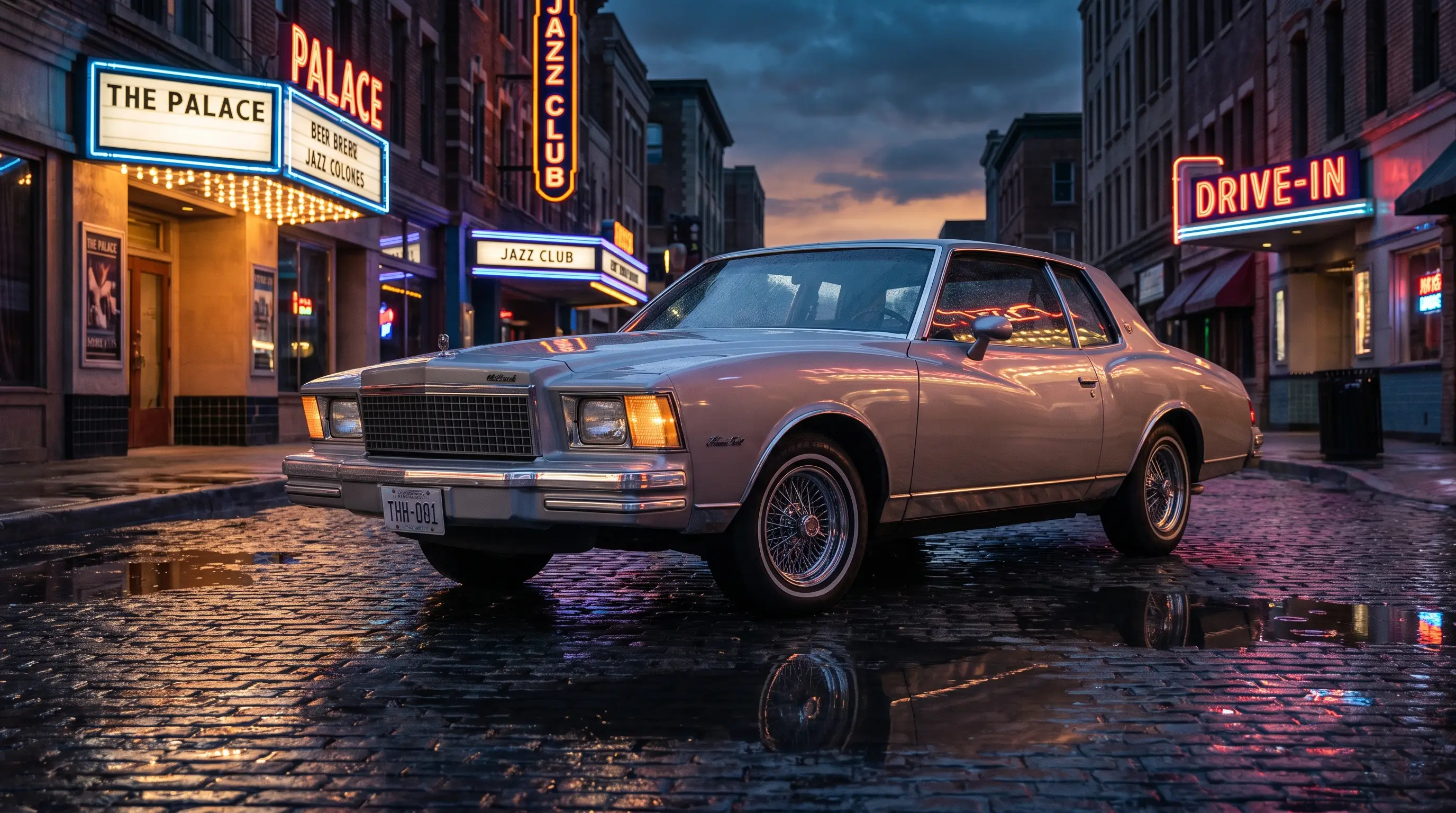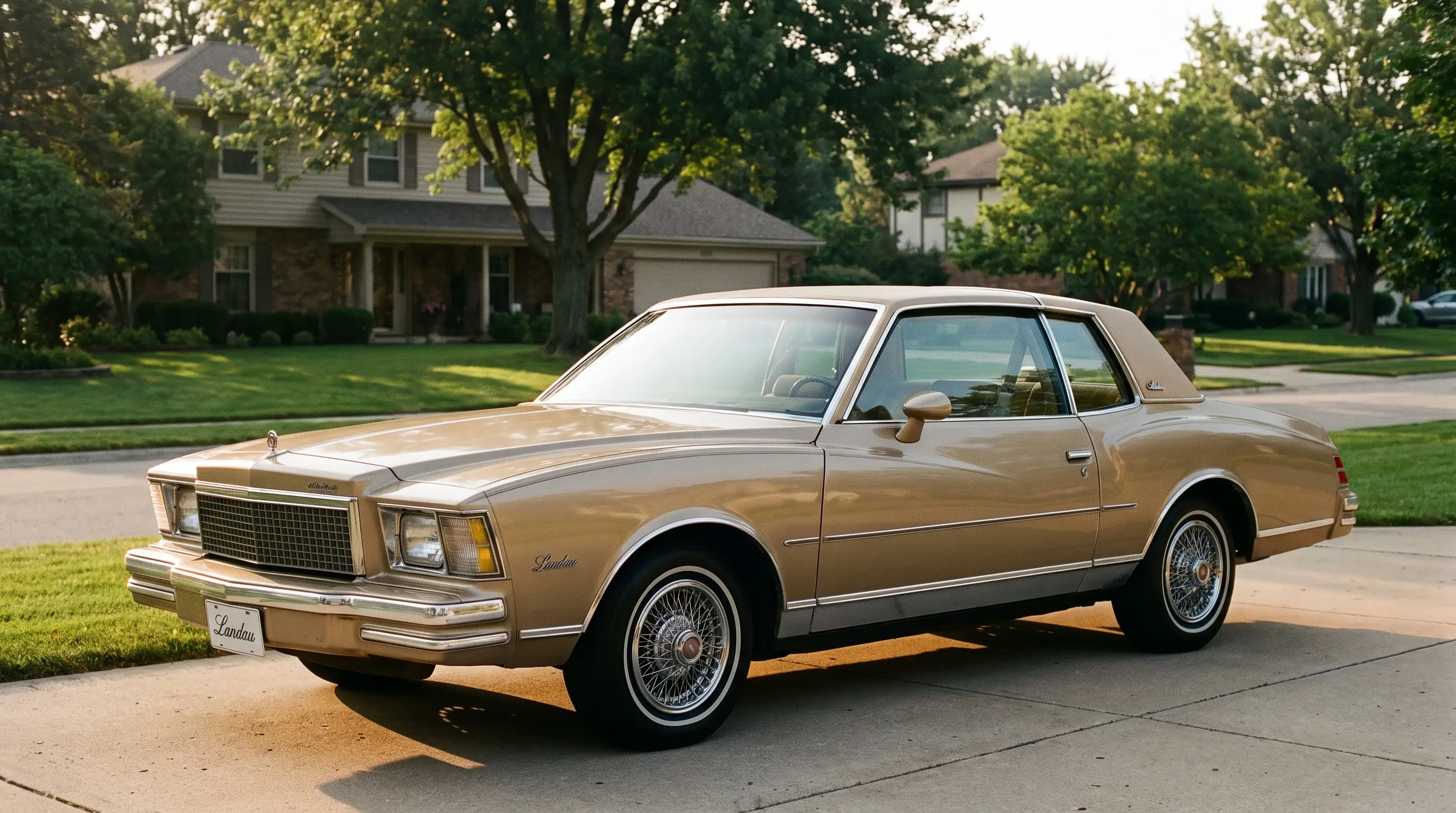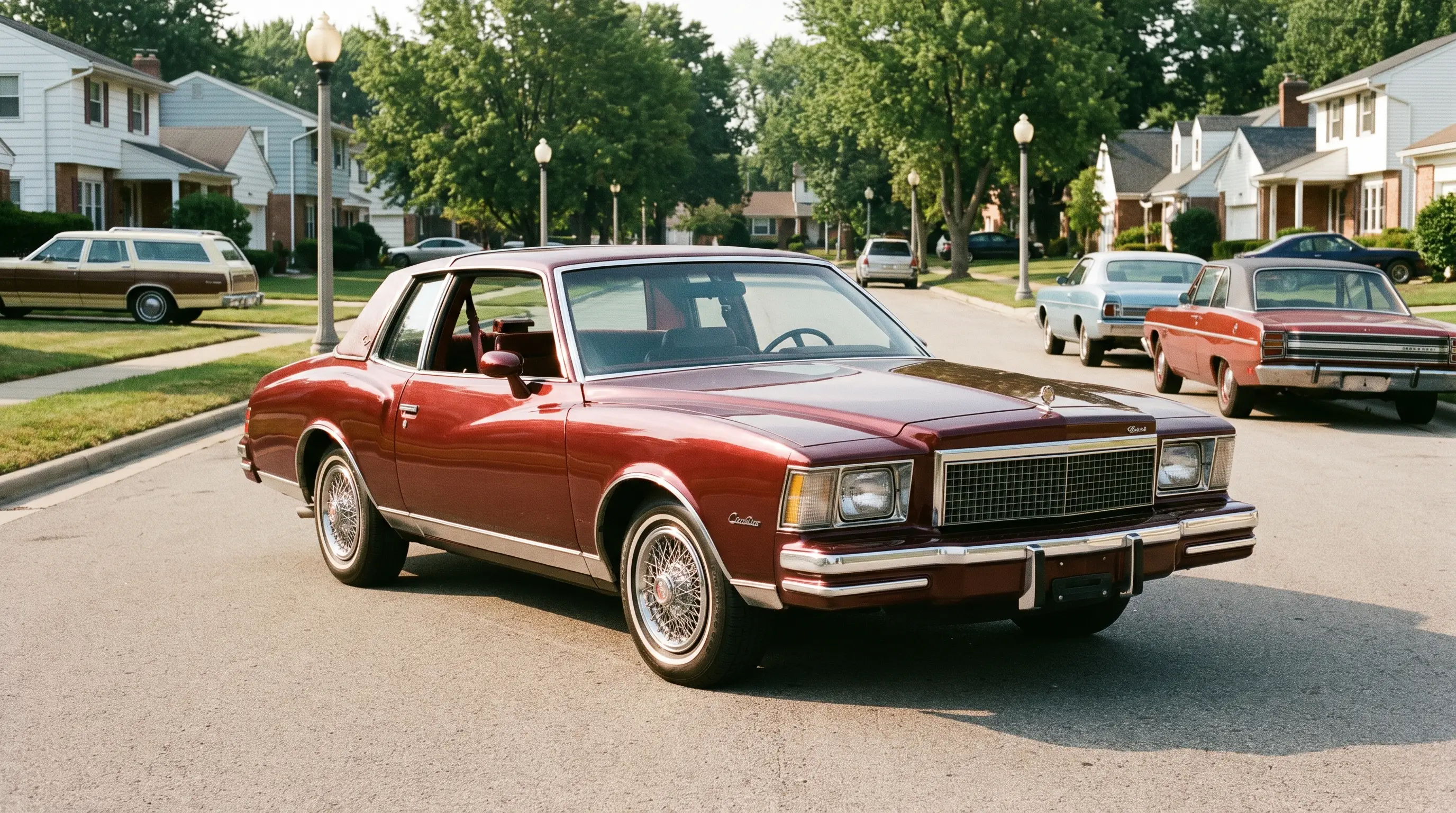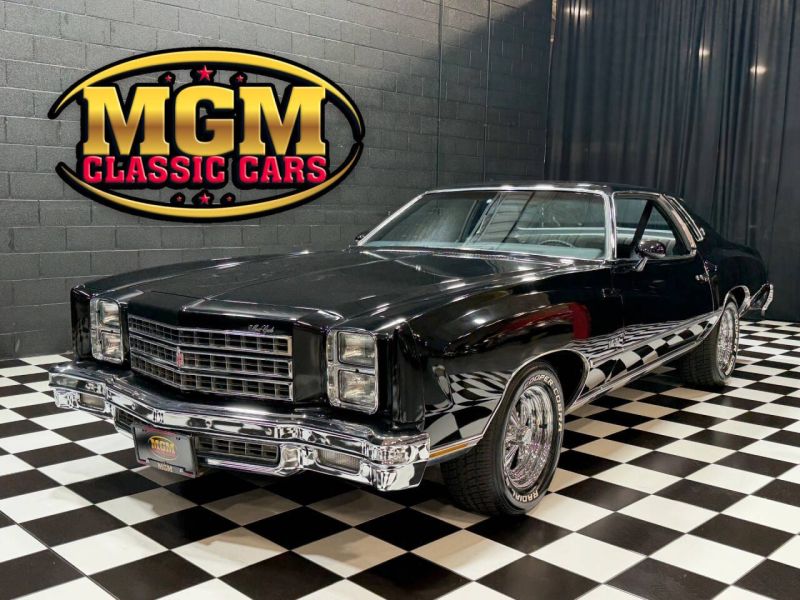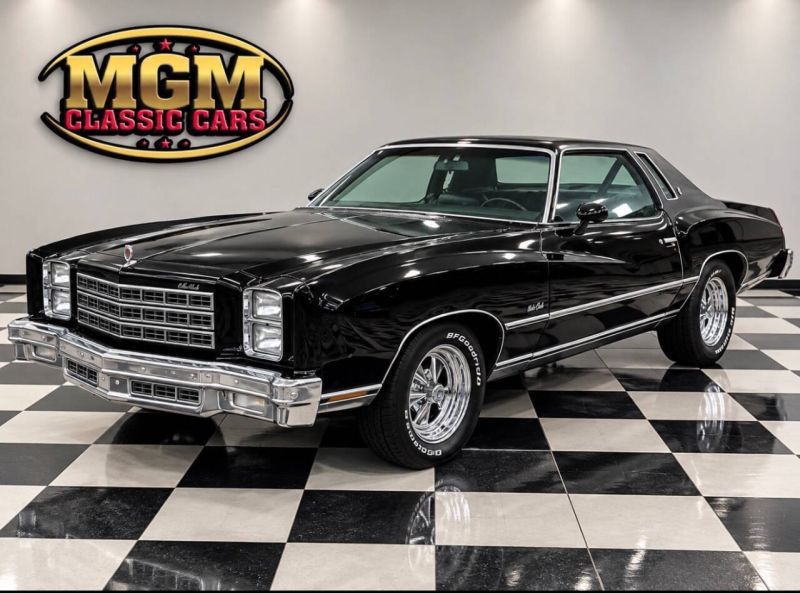
The Landau package on the 1978 Monte Carlo was never about performance, and it does not need to be. It was a luxury trim strategy built around a padded vinyl roof, brushed pillar accents, and interior upgrades that let Chevrolet charge more for the same basic downsized platform, and it worked well enough that the formula got copied across the industry for another decade. The monte carlo 1978 landau luxury trim is a case study in how a coupe with modest horsepower numbers still commanded a premium, and the auction data on these cars today still reflects that same logic.
What the Landau package actually included
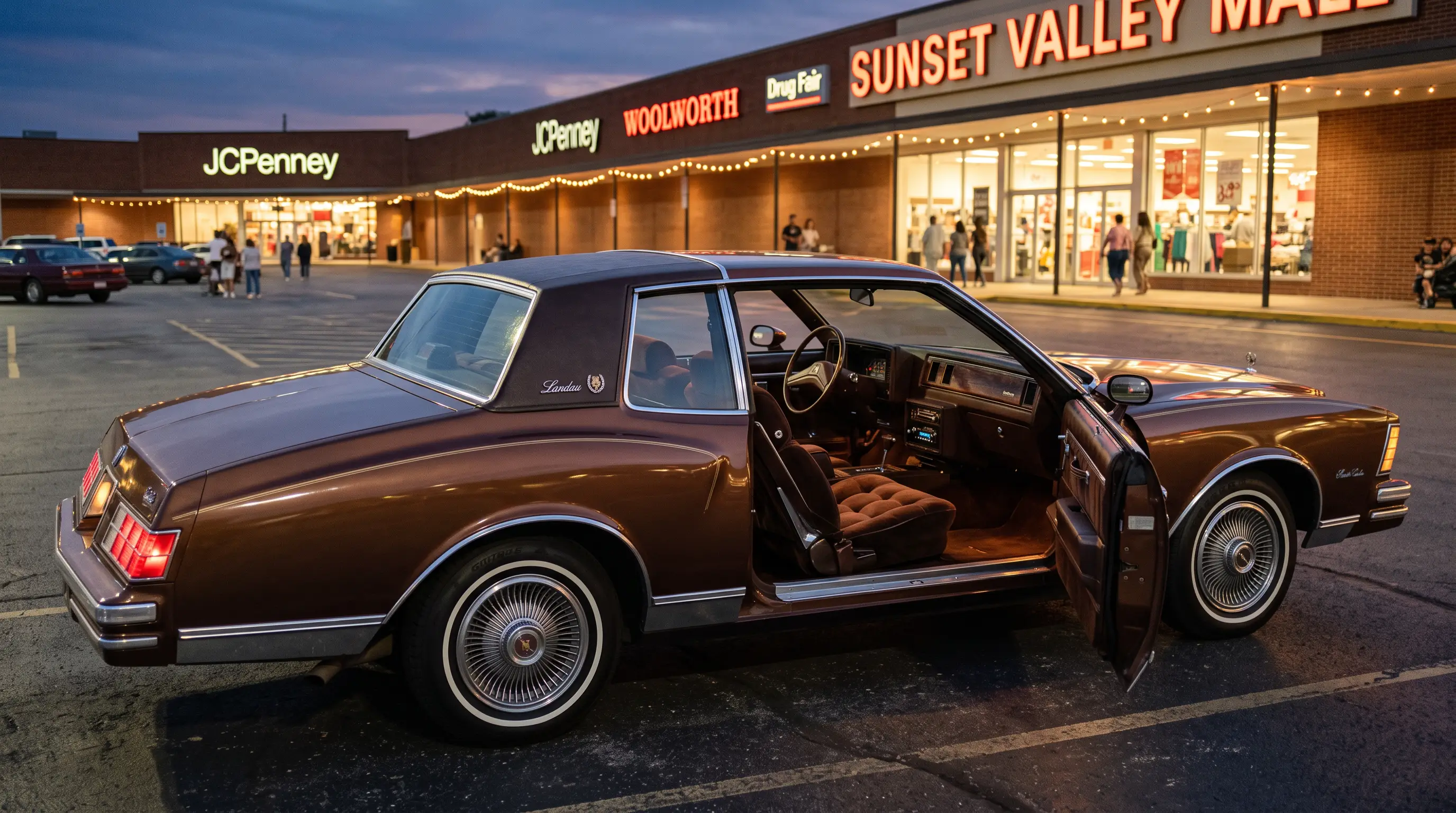
Chevrolet's Landau trim on the 1978 Monte Carlo centered on the vinyl-clad half or full roof treatment, distinctive from the plain painted roof of base cars, paired with brushed metal or painted appliques on the wide C-pillar. Inside, buyers got upgraded upholstery choices, additional sound insulation, and trim details meant to signal a step above the standard coupe without moving into a different model line entirely. None of this touched the drivetrain. A Landau-equipped car ran the same 305 or optional engines as any other 1978 Monte Carlo, and that is precisely the point. Chevrolet was selling perceived luxury through appearance and cabin feel, not through mechanical upgrades, and buyers paid a real premium for it.
That pricing gap was not trivial at the time. The Landau option added a real premium to a car's sticker price in 1978 dollars, a meaningful jump on a car whose base price was itself modest, and take rates on the package were high enough that a plain-roof, non-Landau 1978 Monte Carlo is today the less common find in most regional markets.
Why the luxury-trim strategy made financial sense for Chevrolet
Personal luxury coupes carried some of the best margins in Chevrolet's entire lineup during this period, and the Landau package let the division extract more revenue per unit without the capital cost of engineering a genuinely different car. Vinyl roofs, trim badges, and upgraded upholstery are inexpensive relative to the price premium they support, and GM understood that buyers in this segment were shopping on perceived status as much as on any objective spec. The Monte Carlo Landau sold the idea of a smaller, more expensive-feeling Cadillac or Lincoln alternative to buyers who wanted the image without the price tag of an actual luxury nameplate.
This is a pattern that shows up across the entire G-body generation, not just the Monte Carlo. Regal, Cutlass Supreme, and Grand Prix all ran comparable trim-based luxury strategies through the late seventies and into the eighties, and the fact that four GM divisions converged on the same basic playbook independently tells you the math worked.
What Landau trim means for value today
In the current collector market, Landau-equipped 1978 to 1980 Monte Carlos do not command a dramatic premium over base cars purely for having the package, mostly because the trim was so widely ordered that it stopped functioning as a rarity signal decades ago. What actually moves a price on these cars is originality and condition of that specific trim: an intact, correctly fitted vinyl roof without moisture damage, unfaded pillar appliques, and matching interior upholstery in good shape. A Landau car with a rotted roof and mismatched trim is worth less than a clean, honest base car, package or no package. Condition wins over badge every time in this segment.
Auction and classified listing results in recent years show a consistent pattern: unrestored, well-preserved Landau cars with documented low ownership history sell for meaningfully more than project cars needing roof and trim work, even when the underlying mechanicals are comparable. That gap tends to widen, not narrow, because vinyl roof restoration done correctly is genuinely expensive and hard to find a shop that does it well.
There is a liquidity angle here too, and it is worth stating plainly because most sellers do not. A Landau car in mediocre condition sits on the market longer than an equally priced base car in excellent condition, because buyers shopping this generation have learned to be wary of the vinyl roof specifically. Rot under vinyl is a known, well-publicized risk in this hobby, and that reputation follows every Landau-badged car into a negotiation whether the individual example deserves it or not. Sellers who can document that the roof has been inspected, or better, replaced correctly with proper adhesive and moisture barrier, sell faster and closer to asking price than sellers who simply list the car and hope nobody asks.
None of this means the Landau package is a red flag by default. It means the premium a seller expects to collect for the badge has to be earned with paperwork and visible condition, not assumed from the option code alone. Treat any Landau listing that leans on the name without addressing roof condition directly as a listing that has something to hide, or at minimum, has not done the homework a serious buyer will expect.
My general advice for anyone pricing one of these cars is to run the numbers the same way you would on any depreciating luxury asset with a known failure point. Discount the asking price by whatever a proper roof restoration would cost if there is any doubt about its condition, then compare that adjusted figure against a clean base car with no vinyl to worry about at all. More often than not, the math favors the simpler car, and the Landau badge becomes a nice bonus on top of a good purchase rather than the reason for making it.
| Condition factor | Effect on value |
|---|---|
| Original, intact vinyl roof | Meaningful premium over replaced or missing roof |
| Matching interior upholstery | Moderate premium, especially in less common colors |
| Pillar applique condition | Small premium, large red flag if missing or mismatched |
| Documented ownership history | Meaningful premium at auction specifically |
"The Landau badge tells you what Chevrolet charged in 1978. It does not tell you what the car is worth in today's market. Condition and documentation do that math, and they usually disagree with the badge."
- David Mercer
The buying decision
If you are choosing between a Landau-trimmed 1978 Monte Carlo and a plainer example at a similar price, my read is straightforward: buy the better-preserved car regardless of trim level, and treat the Landau package as a nice-to-have rather than a value driver on its own. The exception is a genuinely pristine, well-documented Landau example, where the combination of correct trim and clean history can support a real premium over a comparable base car. Everywhere in between, condition should decide the purchase, not the badge on the C-pillar.
For the full story on why the 1978 Monte Carlo took the shape and market position it did, the downsizing background explains the platform decisions that made luxury trim packages like the Landau such an effective sales tool. If you are ready to compare cars in person, you can browse classic Monte Carlo listings and weigh trim, condition, and documentation against each other before you make an offer.
Sources and notes
- Hagerty: 1978 Chevrolet Monte Carlo Landau, Downsized Decadence
- Automobile Catalog: 1978 Chevrolet Monte Carlo Landau full range specs
- Wikipedia: Chevrolet Monte Carlo
- Motogallery: 1978-1980 Chevrolet Monte Carlo Base, 3rd Gen Buyer's Guide
- Ate Up With Motor: Disco-Era Darling, The Chevrolet Monte Carlo