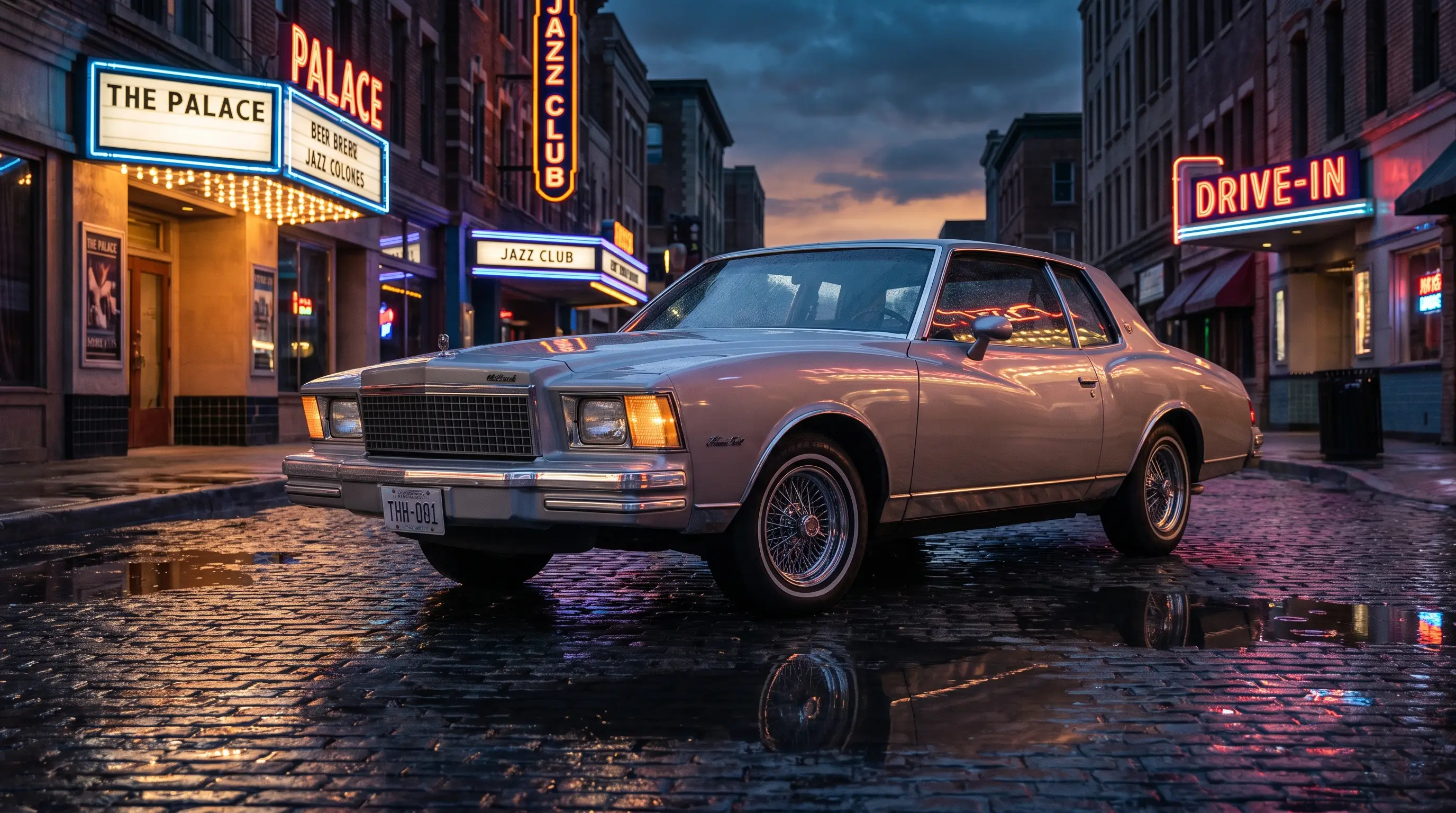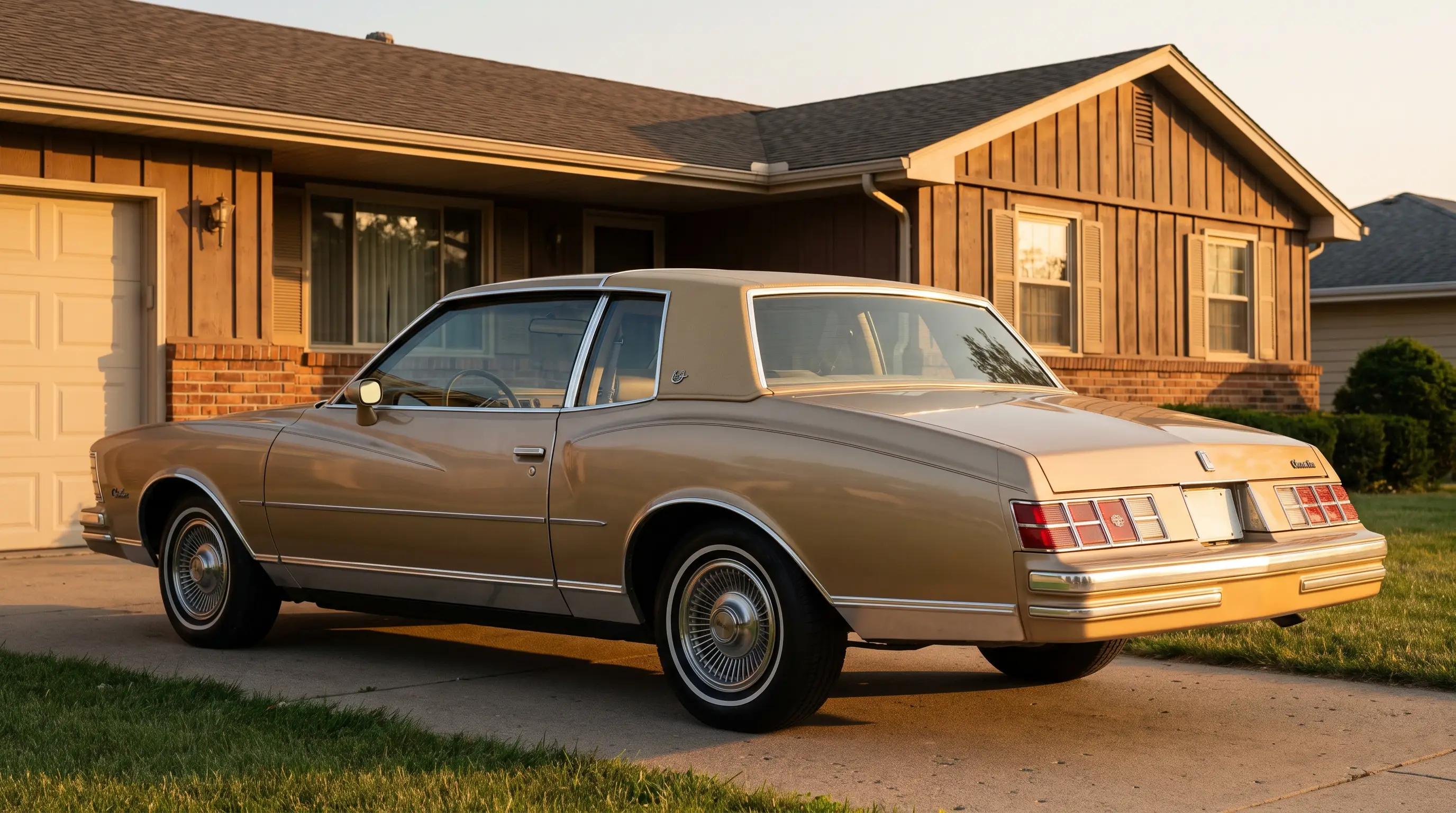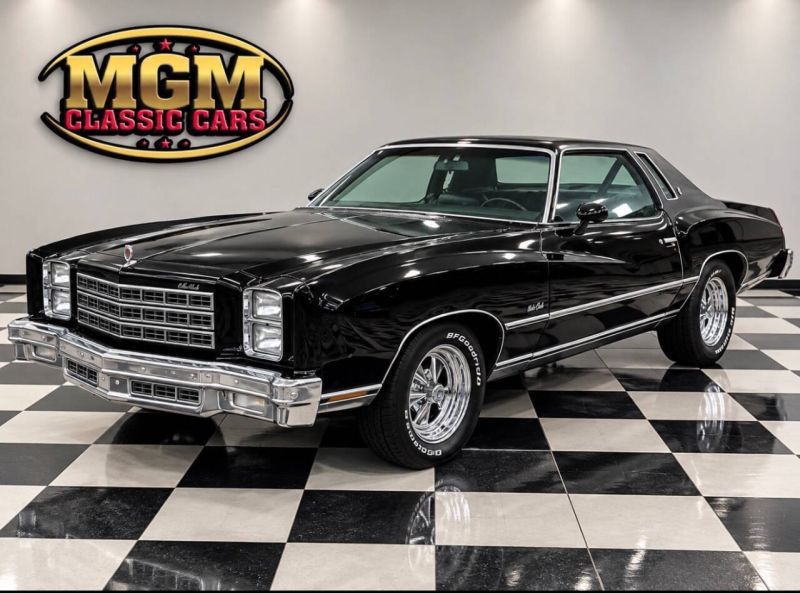

Every collector market has an underdog, the model everyone agrees is good but nobody bids on with real conviction. The monte carlo 1978 underdog collectibility question sits squarely in that territory, and my job here is to tell you plainly whether that reputation is deserved or whether it is simply a market that has not caught up to the facts yet.
Why it got labeled an underdog in the first place
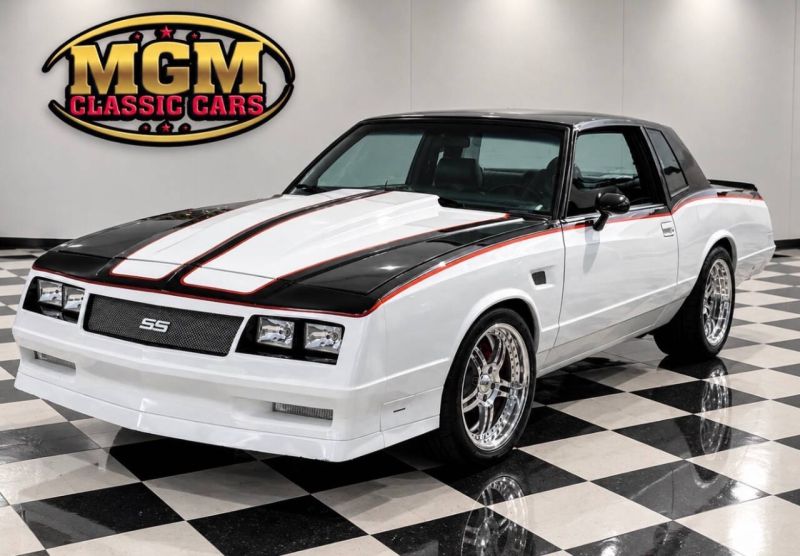
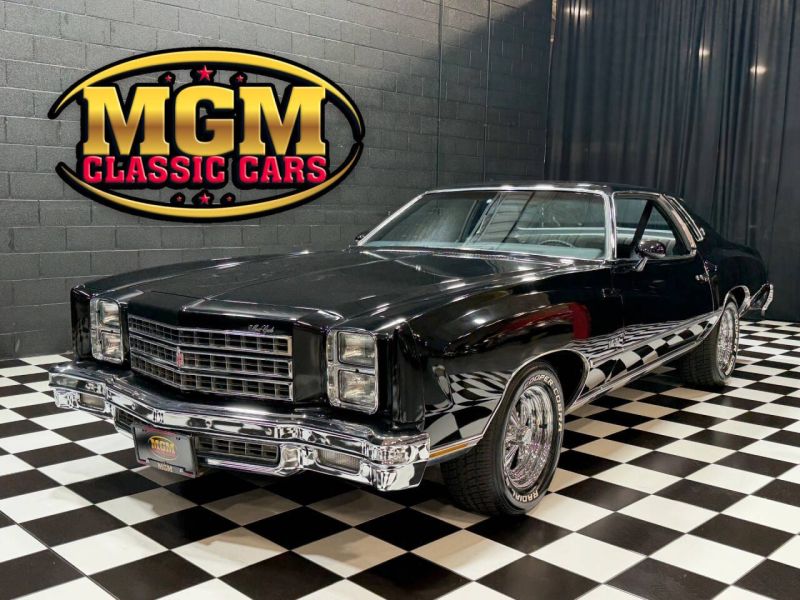
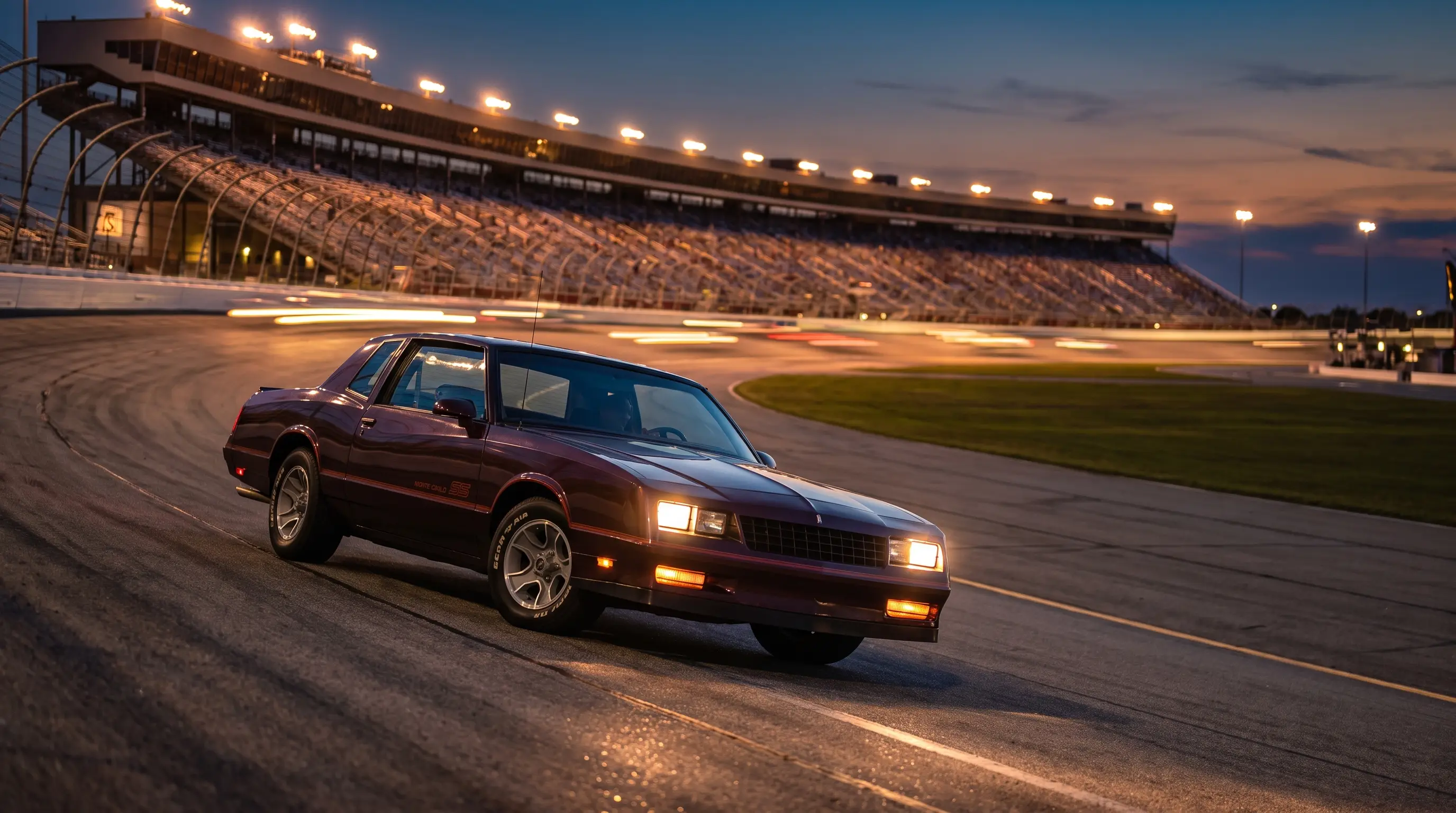
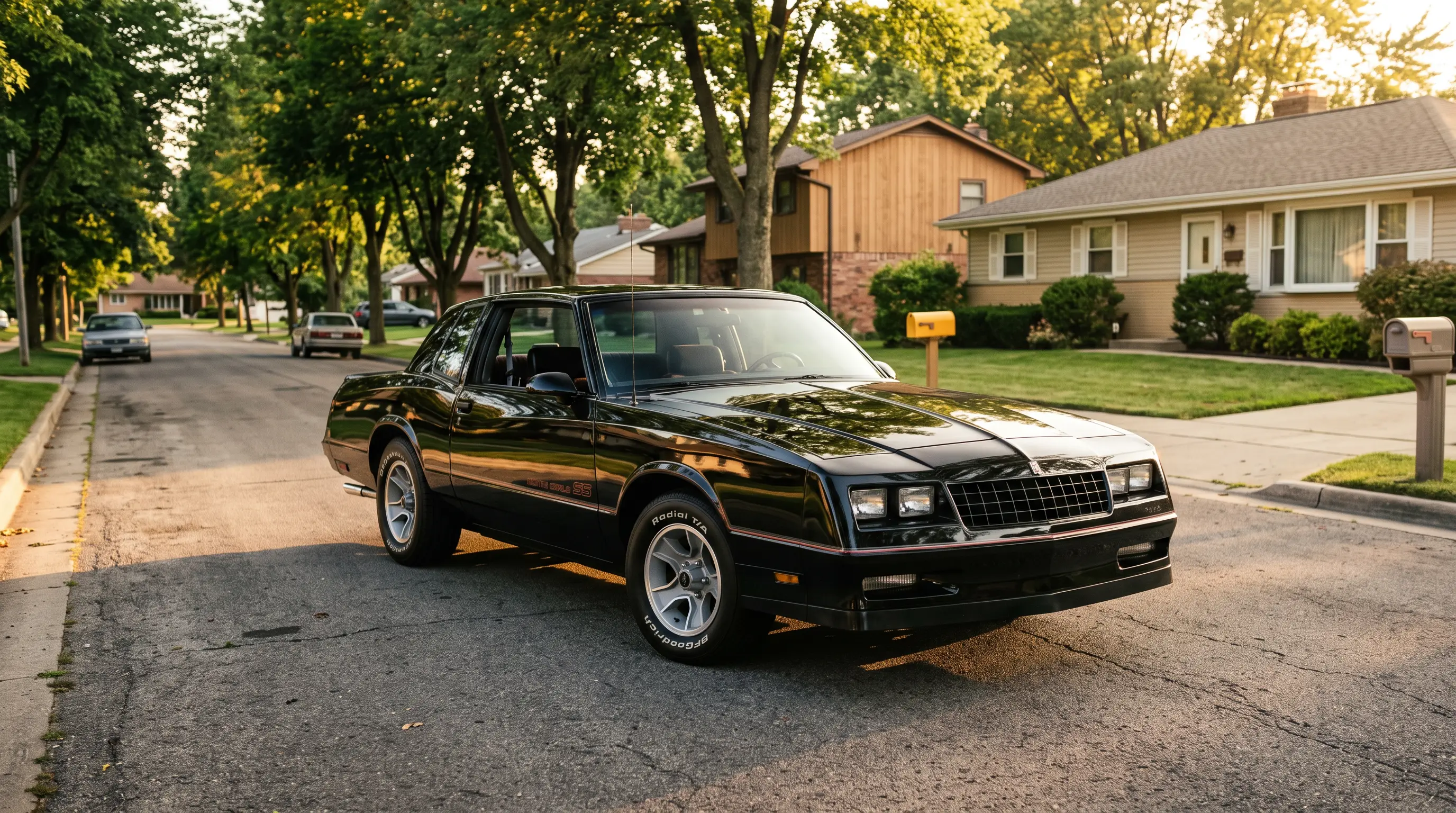
The downsized 1978 Monte Carlo arrived in the shadow of two things it could never fully escape. First, it followed the enormous, swaggering first-generation and Colonnade-era Monte Carlos, cars that defined the personal-luxury coupe segment through most of the 1970s with size and presence the 1978 car simply did not have. Second, it arrived before the performance-oriented 1983-88 G-body SS and Aerocoupe models that would later give the nameplate a second, very different kind of collector following built on NASCAR association and genuine muscle. Sitting between those two more celebrated eras, the plain 1978 Monte Carlo reads to a lot of casual buyers as the transitional car, neither the biggest nor the fastest version of itself.
That framing is not entirely wrong, but it is incomplete, and incomplete framing is exactly the kind of thing that creates undervalued opportunities in any collector market. A car does not need to be the biggest or fastest example of its nameplate to be a sound purchase. It needs supply, demand, and condition to line up favorably, and on all three counts the 1978 Monte Carlo has a stronger case than its reputation suggests.
The actual risk profile
Parts availability is solid. Because the 1978 Monte Carlo shares its G-body platform with the Cutlass Supreme, Regal, and Grand Prix, a huge amount of mechanical and trim parts commonality exists across a production run that numbered in the hundreds of thousands across all four nameplates combined. That commonality lowers ownership risk considerably compared to lower-volume, more exotic collector cars where a single broken trim piece can become a months-long search.
Documentation risk is where buyers need to pay closer attention. Because these cars were never treated as instant collectibles when new, plenty of examples on the market today carry incomplete records, replaced interiors, or non-original color combinations from repaints done decades ago for reasons that had nothing to do with collector value. A buyer chasing the monte carlo 1978 underdog collectibility angle needs to verify condition and originality carefully rather than assuming any 1978 example automatically carries the upside this generation deserves.
| Factor | Assessment |
|---|---|
| Parts availability | Strong, due to G-body platform sharing |
| Surviving population | Moderate to good, reflecting healthy original sales volume |
| Documentation risk | Variable, verify build sheets and repaint history |
| Current market perception | Undervalued relative to earlier and later Monte Carlo generations |
Where the actual value sits
A correctly documented, original color combination 1978 Monte Carlo in solid condition remains genuinely inexpensive relative to what a similarly clean first-generation or later SS example commands. That gap is the entire underdog thesis in one sentence. You are buying real GM engineering, a genuinely successful sales-era car, and a design that has aged into a distinct and recognizable look, at a price point that has not yet caught up with any of that.
The downside risk is equally worth stating honestly. This generation is unlikely to see the kind of dramatic value appreciation that has hit certain muscle car and early pony car segments over the past decade, because demand for downsized malaise-era coupes remains a niche interest even within the broader classic car hobby. Buy this car because you like it and because the numbers make sense today, not because you expect it to double in value within a few years. That expectation would be misplaced, and I would rather tell a buyer that plainly than let them discover it themselves after the purchase.
"An underdog reputation is not the same thing as a bad car. It usually just means the market has not finished pricing in the facts yet, and the 1978 Monte Carlo is a textbook example of that gap."
- Marcus Feld
What I tell clients considering this car
Liquidity is the honest concern here, more than value appreciation. A 1978 Monte Carlo will sell, but it may take longer to find the right buyer than a more instantly recognizable muscle car would, simply because the audience actively hunting this specific model year is smaller. That is not a reason to avoid the car. It is a reason to buy with patience and to hold with patience too, treating this as a car you own because you want it in your garage rather than as a short-term flip.
For the full mechanical and design background behind this generation before you commit to a purchase decision, the full story covers the engineering choices that shaped the car you would actually be buying. And if the numbers here have you convinced the underdog case holds up, classic Monte Carlo for sale listings are the logical next stop to see what condition and documentation look like on the current market.
Reading condition correctly before you buy
Undercarriage rust is the single biggest financial risk on any G-body from this era, and the 1978 Monte Carlo is no exception. Buyers should inspect the trunk floor, the rear quarter panels near the wheel wells, and the frame rails carefully before committing to a price, since cosmetic condition on the surface can mask structural issues underneath that cost far more to correct than the car's purchase price would suggest is reasonable. I have appraised examples that looked excellent in photographs and turned out to carry four figures worth of hidden rust repair once inspected in person.
Engine and transmission condition matter less than they would on a performance-oriented collector car, since the 1978 Monte Carlo was never sold on the promise of speed and buyers are not paying a premium for numbers-matching drivetrain components the way they might on an SS model from the following decade. That said, a well-maintained original drivetrain still adds real value versus a car that has had a mismatched replacement engine installed at some point, since originality remains a meaningful factor even on a car whose main appeal is not raw performance.
My general advice to clients is simple. Budget realistically for inspection, be honest about how much originality actually matters to your own goals for the car, and do not let a low asking price talk you into skipping a proper pre-purchase inspection just because the segment feels affordable relative to flashier G-body variants. An underdog can still turn into a bad purchase if you skip the fundamentals, and no reputation for value protects you from a car you did not inspect properly.