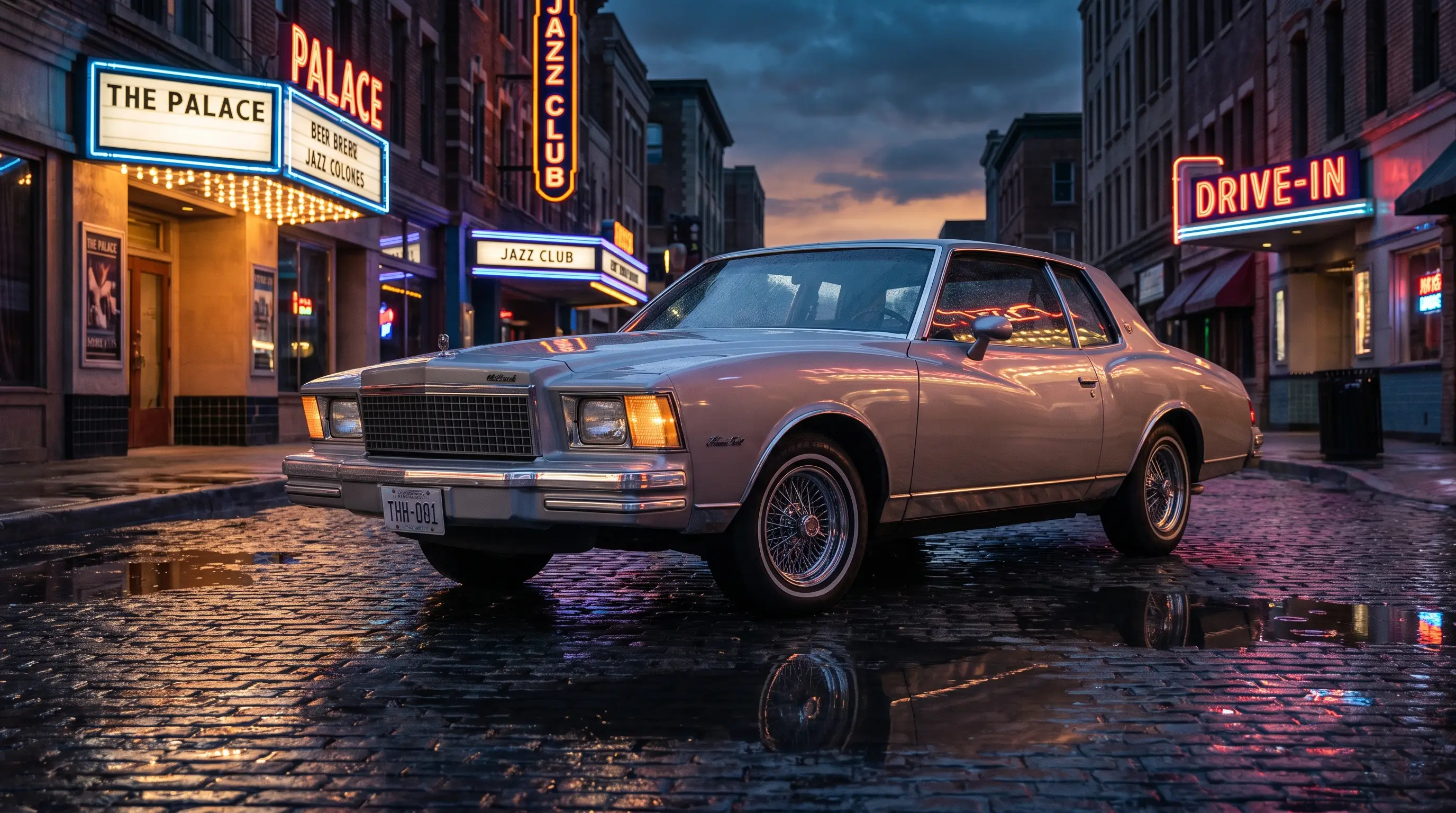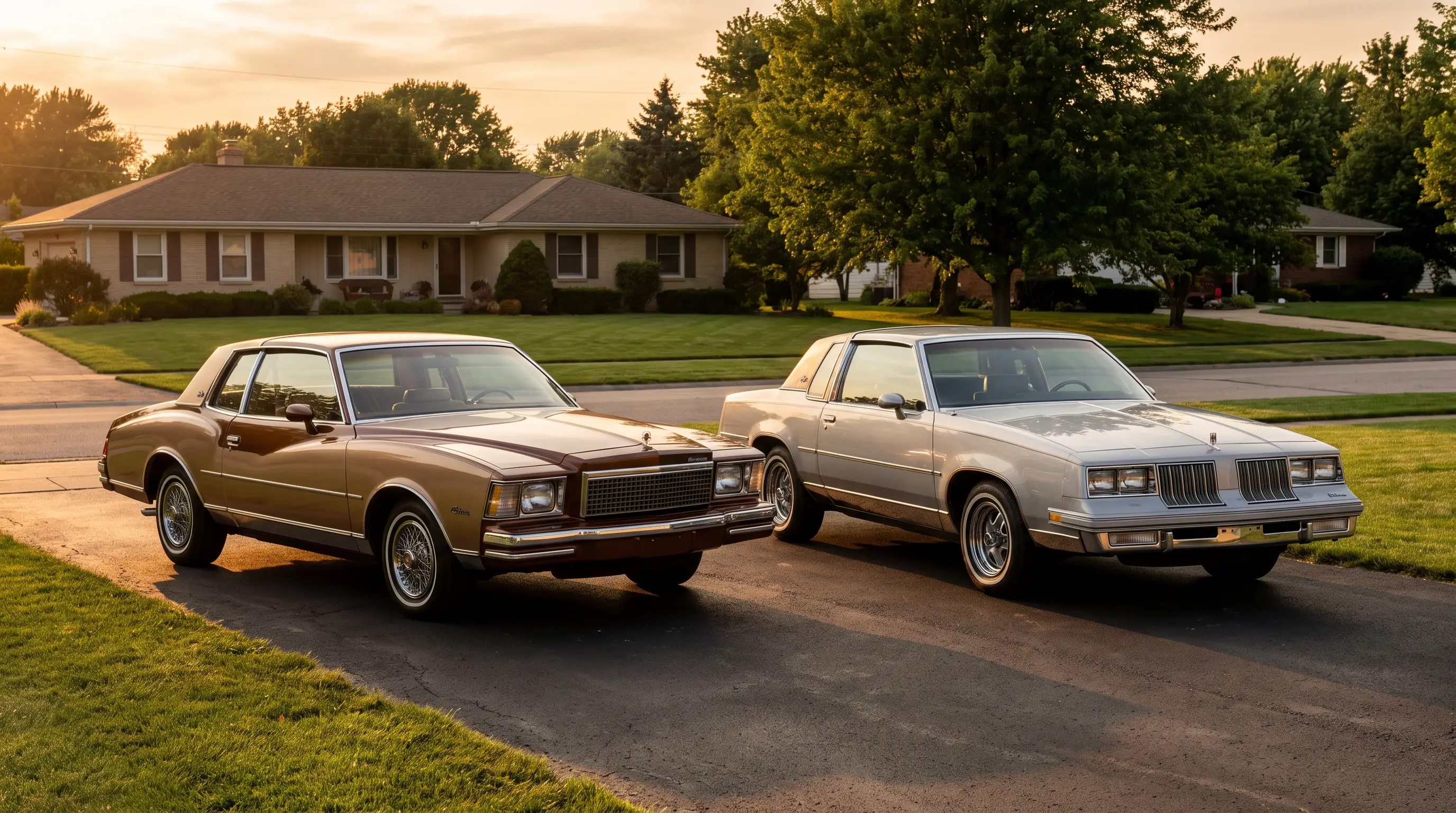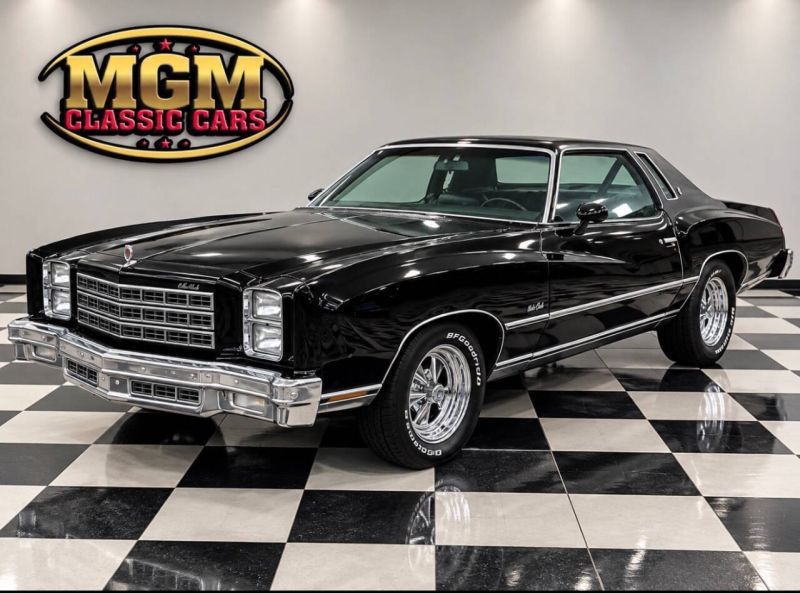
An old car show judge once told me she can date a 1978 Monte Carlo from across a field just by the way its vinyl roof catches afternoon light against a particular body color. That is the kind of specific, slightly obsessive knowledge the monte carlo 1978 color vinyl combos inspire in people who spend enough time around this generation, because Chevrolet offered a palette wide enough to make every color choice feel like a small personal statement.
A palette built for a smaller canvas
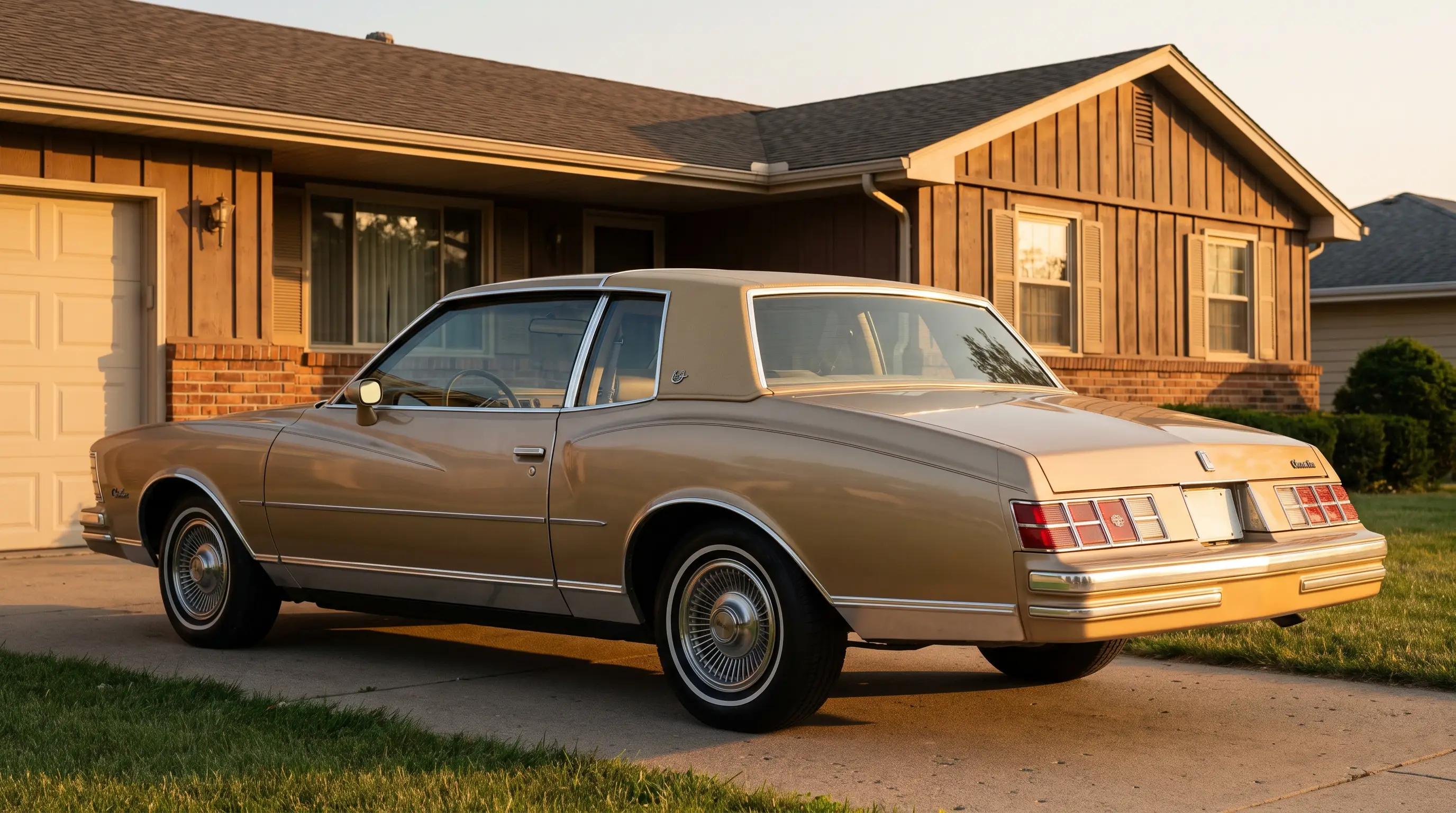
Downsizing the Monte Carlo for 1978 meant Chevrolet's designers were working with less exterior surface area than the previous generation, and that constraint seems to have pushed the color and trim team toward bolder choices rather than safer ones. Buyers could select from a range of exterior colors that ran from crisp whites and creams through deep, saturated earth tones, brick reds, and forest greens that read as distinctly late-1970s without tipping into the loudest disco-era extremes some competitors chased. The palette leaned warm and confident, matching the personal-luxury identity Chevrolet was protecting even as the car itself got smaller.
What made the exterior story genuinely interesting was the vinyl roof program layered on top of that body color palette. Chevrolet offered a full or partial vinyl roof in several colors, and the combinations customers actually chose reveal a lot about regional and personal taste in 1978. A cream body with a chocolate brown vinyl roof reads as understated and formal. A darker body paired with a lighter vinyl roof reads almost sporty by comparison, at least by the standards of a personal-luxury coupe built for cruising rather than cornering.
Why the vinyl roof mattered so much
It is easy for modern eyes to dismiss the vinyl roof as pure decoration, but in 1978 it carried real cultural weight. A vinyl roof signaled that a car belonged to the upscale, formal end of its segment, distinct from stripped-down fleet cars and rental-spec models that skipped the option entirely. Chevrolet's dealers understood this and pushed the vinyl roof options hard on the sales floor, since the margin on the option was healthy and the visual upgrade was immediate and obvious to any buyer standing in the showroom.
The most common combinations tended to pair neutral body colors with correspondingly neutral vinyl tones, but the combinations that collectors chase hardest today are the bolder pairings, a two-tone look where the body color and the vinyl roof color contrast sharply rather than blend together. Those cars stood out on the road in 1978 and they stand out at car shows now for exactly the same reason.
What restoration teaches about rarity
Restorers working on 1978 Monte Carlos today have developed a real appreciation for how many color and vinyl combinations Chevrolet actually offered, because matching original paint codes and vinyl roof material correctly has become one of the more painstaking parts of a period-correct restoration. Certain body colors have proven harder to match precisely due to how automotive paint formulations have changed over the decades, and certain vinyl roof colors are simply less available from reproduction suppliers than others, which quietly makes some combinations rarer in surviving, correctly restored form than they were in original production numbers.
This is part of why color and trim combination has become its own small area of expertise within the Monte Carlo collector community. Two mechanically identical cars can carry very different values and very different levels of buyer interest purely because of how their color combination is perceived today versus how common or rare that combination actually was on the assembly line. For the fuller history of how this generation came together, the 1978 monte carlo story covers the engineering and design decisions that shaped the car this palette was applied to.
"People remember the engine numbers years later. What they actually fall in love with, standing in a parking lot in 1978, was the color."
- Nora Beckett
Choosing a combination today
For buyers shopping the market now, color and vinyl combination is worth weighing carefully rather than treating as a cosmetic afterthought. A well-matched, period-correct combination in good condition tends to draw stronger interest at sale than a car wearing a color pairing that never quite worked visually, even if the mechanical condition of both cars is identical. This is subjective territory, admittedly, but subjective territory that collectors take seriously enough to factor into purchase decisions and eventual resale value alike.
The wider arc of the Monte Carlo nameplate, spanning from its 1970 debut through the downsized years and into the 1980s G-body performance era, gives useful context for understanding why 1978 buyers cared this much about color and presentation in the first place. The full story traces that entire arc if you want the complete picture beyond just this one model year.
Whatever combination speaks to you personally, the good news is that surviving examples across most of the original color and vinyl palette are still findable today, and classic Monte Carlos on the market is a solid place to start looking for the specific pairing that catches your eye the way that judge's favorite catches hers across a crowded show field.
Interior coordination nobody talks about enough
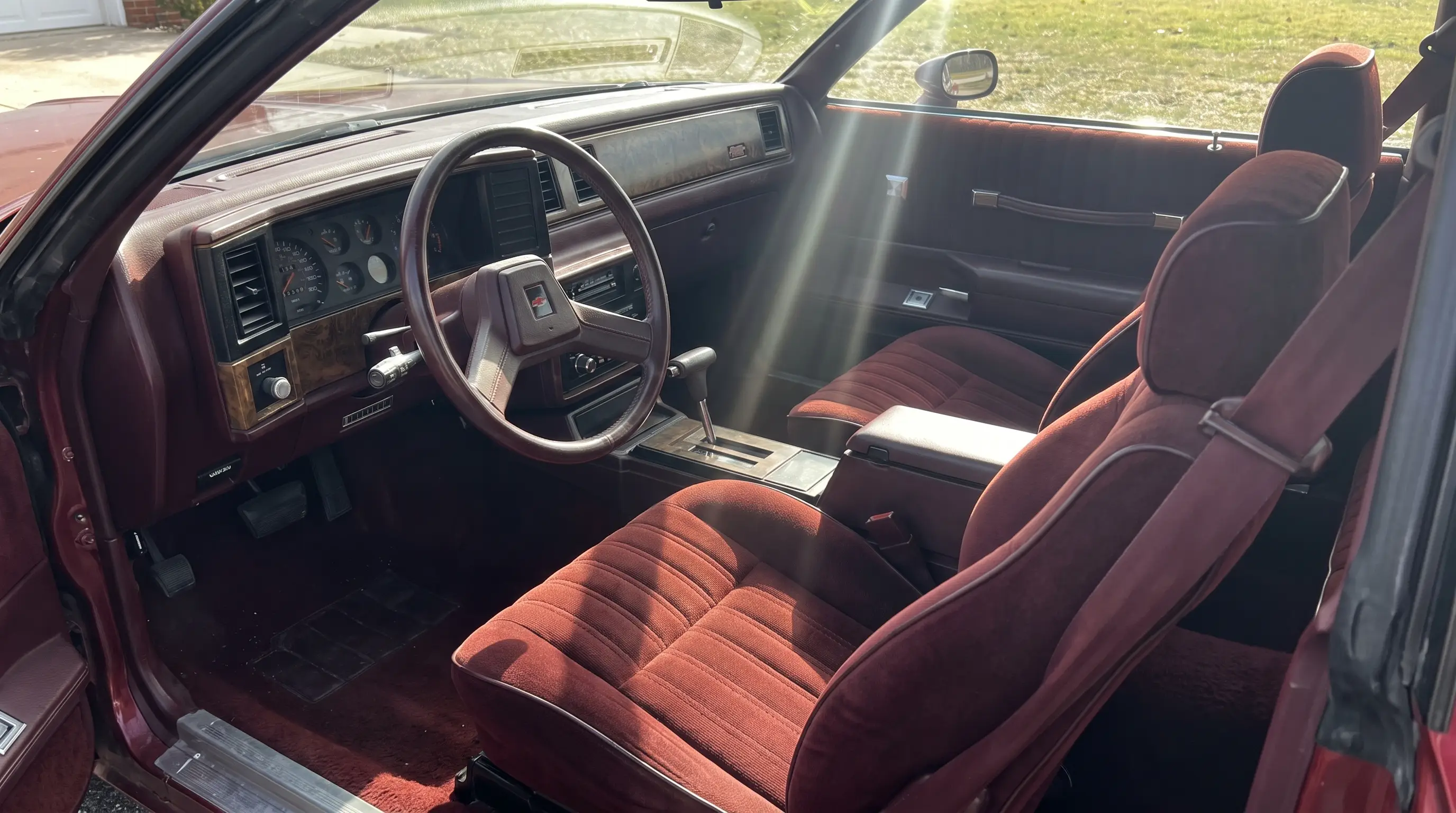
Chevrolet did not stop at exterior color and vinyl roof matching. The interior trim palette was coordinated to work with the exterior choices, so a buyer selecting a chocolate brown vinyl roof would typically find complementary interior trims offered alongside it, rather than mismatched combinations left to chance. This kind of coordinated color planning took real effort from Chevrolet's design studio, effort that gets easy to overlook decades later when most people evaluate a car's presentation one surface at a time instead of as a coordinated whole.
That coordination is part of why a correctly matched, all-original 1978 Monte Carlo reads so cohesively today. Nothing about the color story feels accidental once you notice how carefully the body paint, vinyl roof, and interior trim were meant to work together as a single presentation. It reflects a level of design discipline that buyers in 1978 may not have consciously registered, but clearly responded to anyway, since the cars wearing well-coordinated combinations tended to be the ones that held their resale value best even during the used car years that followed.
Judges at concours and cruise-in events still reward this kind of coherence today, scoring a well-matched original combination higher than a car with mismatched or incorrectly restored trim, even when the mechanical condition is otherwise identical between the two cars being compared. It is a quiet reminder that presentation, done well, can outlast trend cycles entirely and still look intentional forty years later.