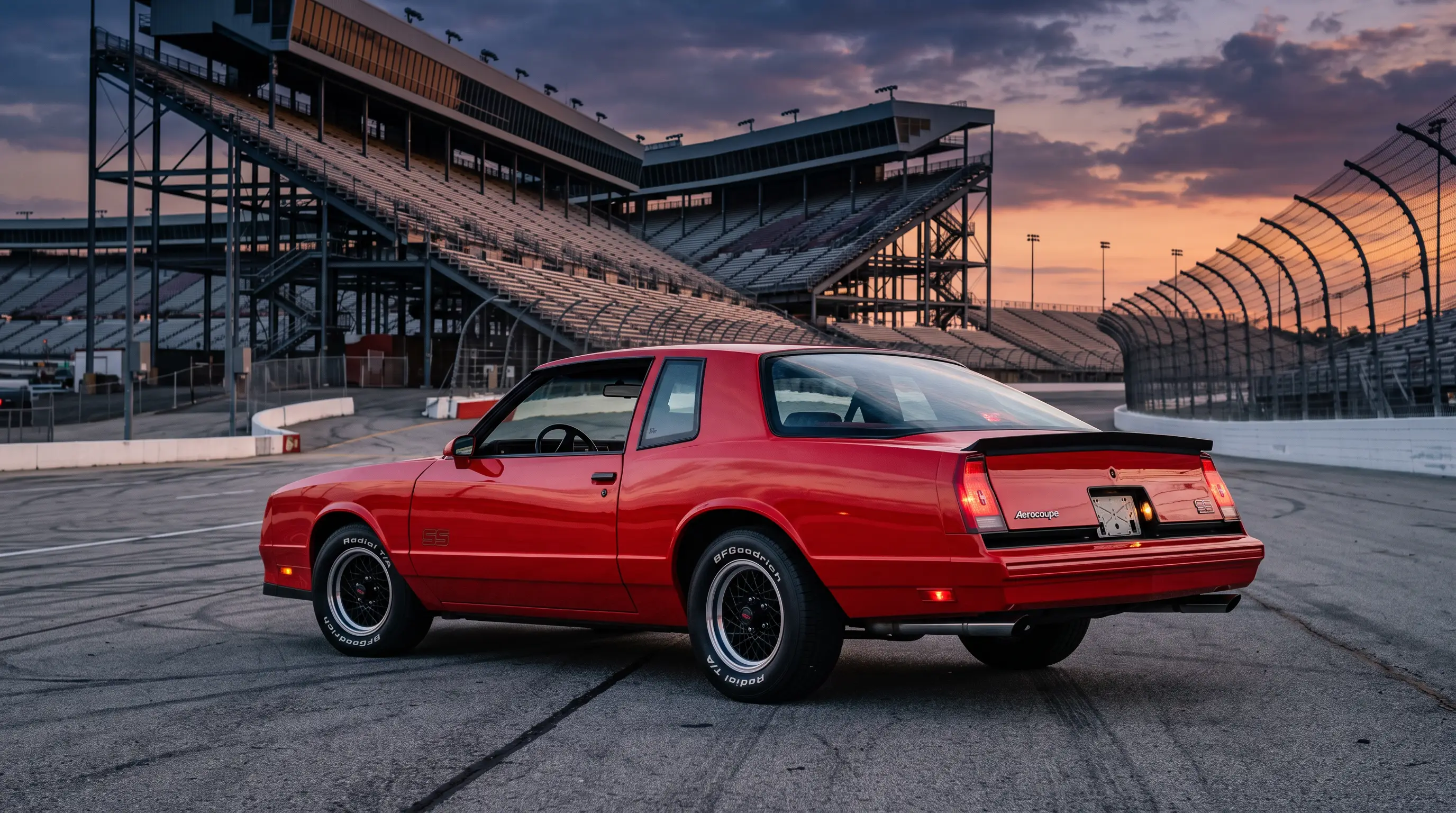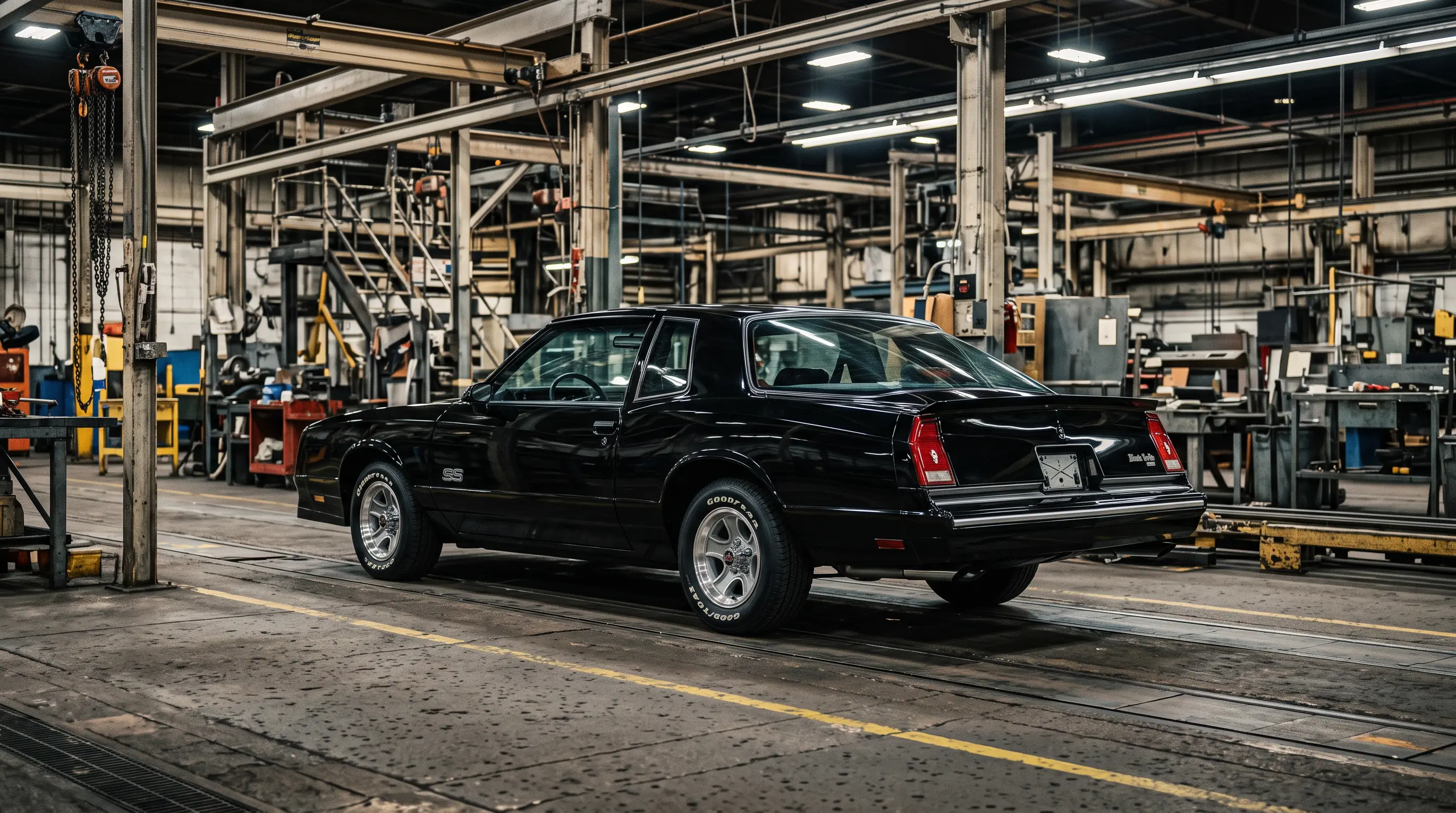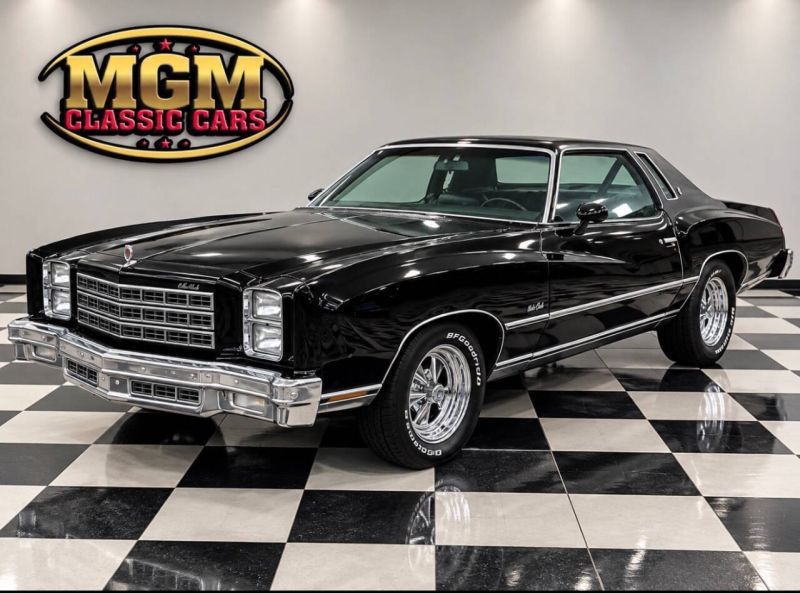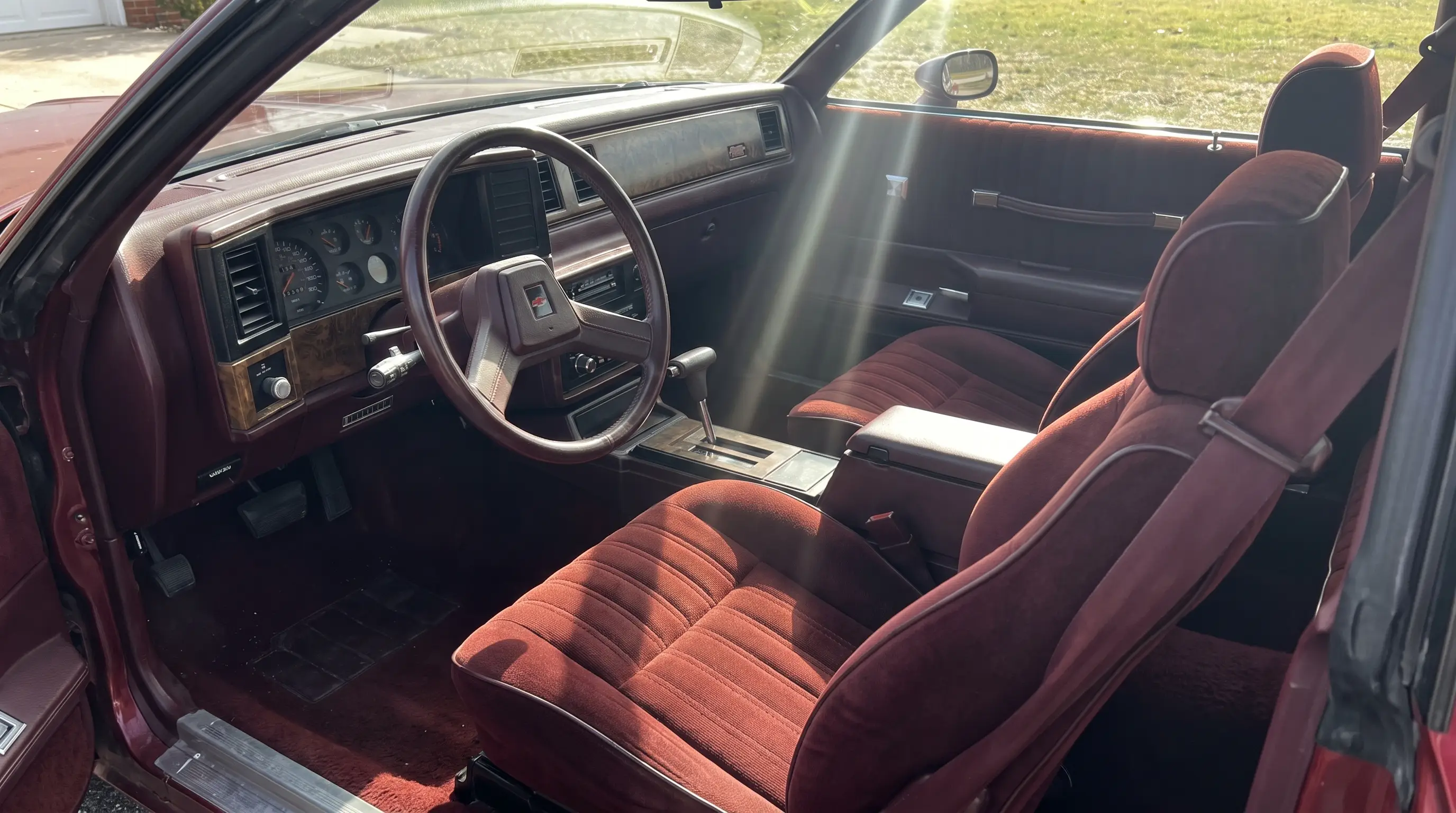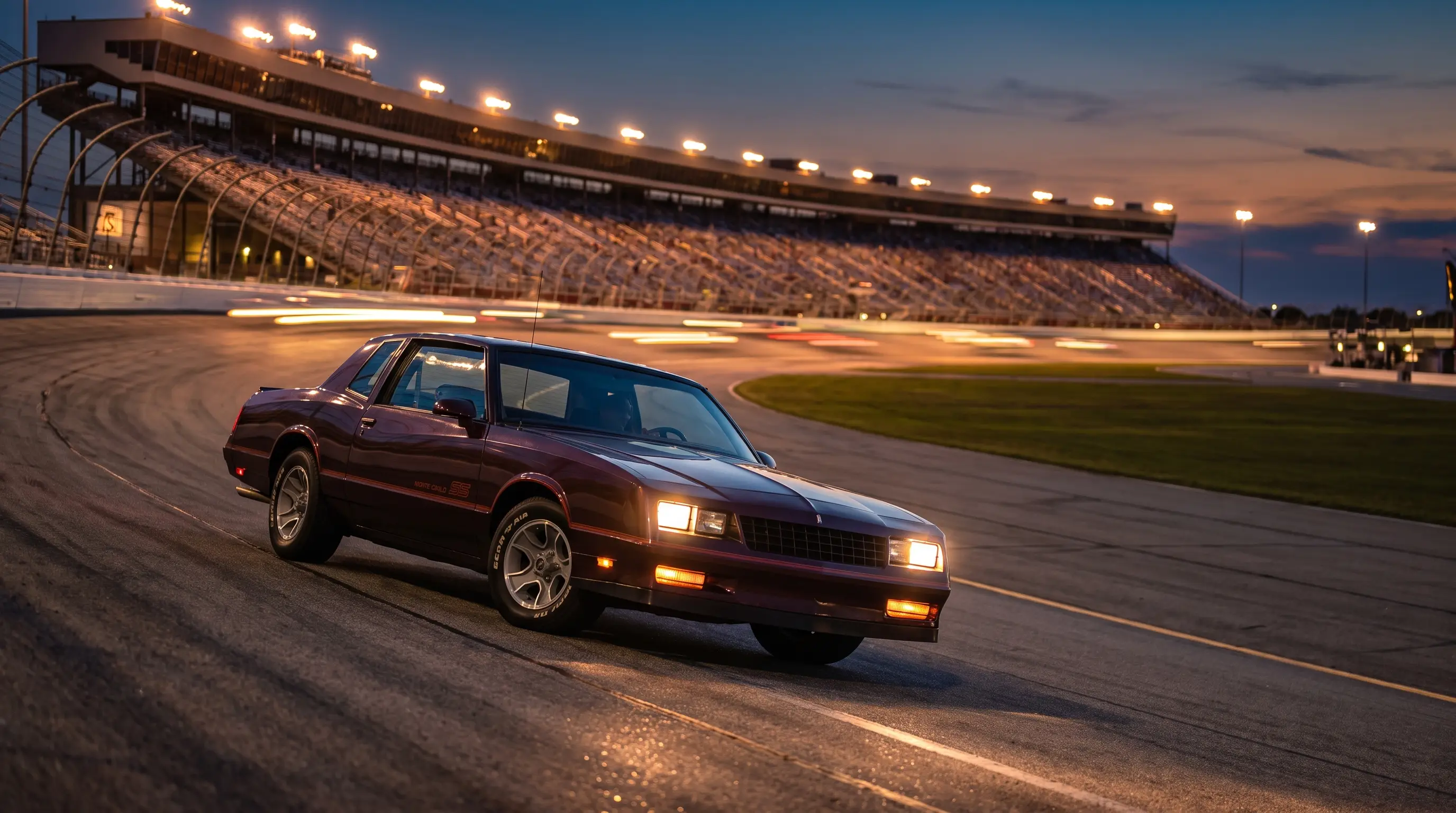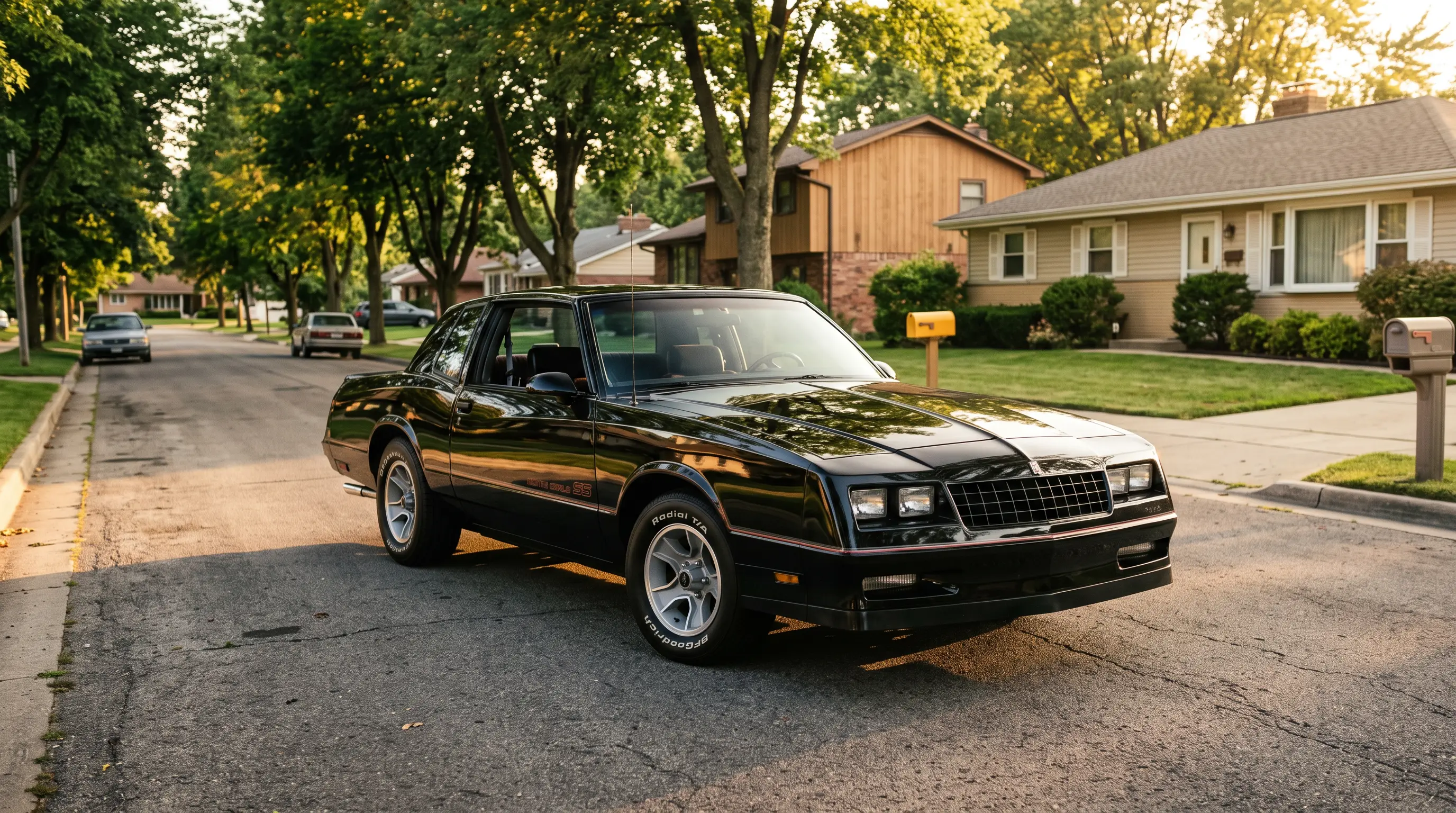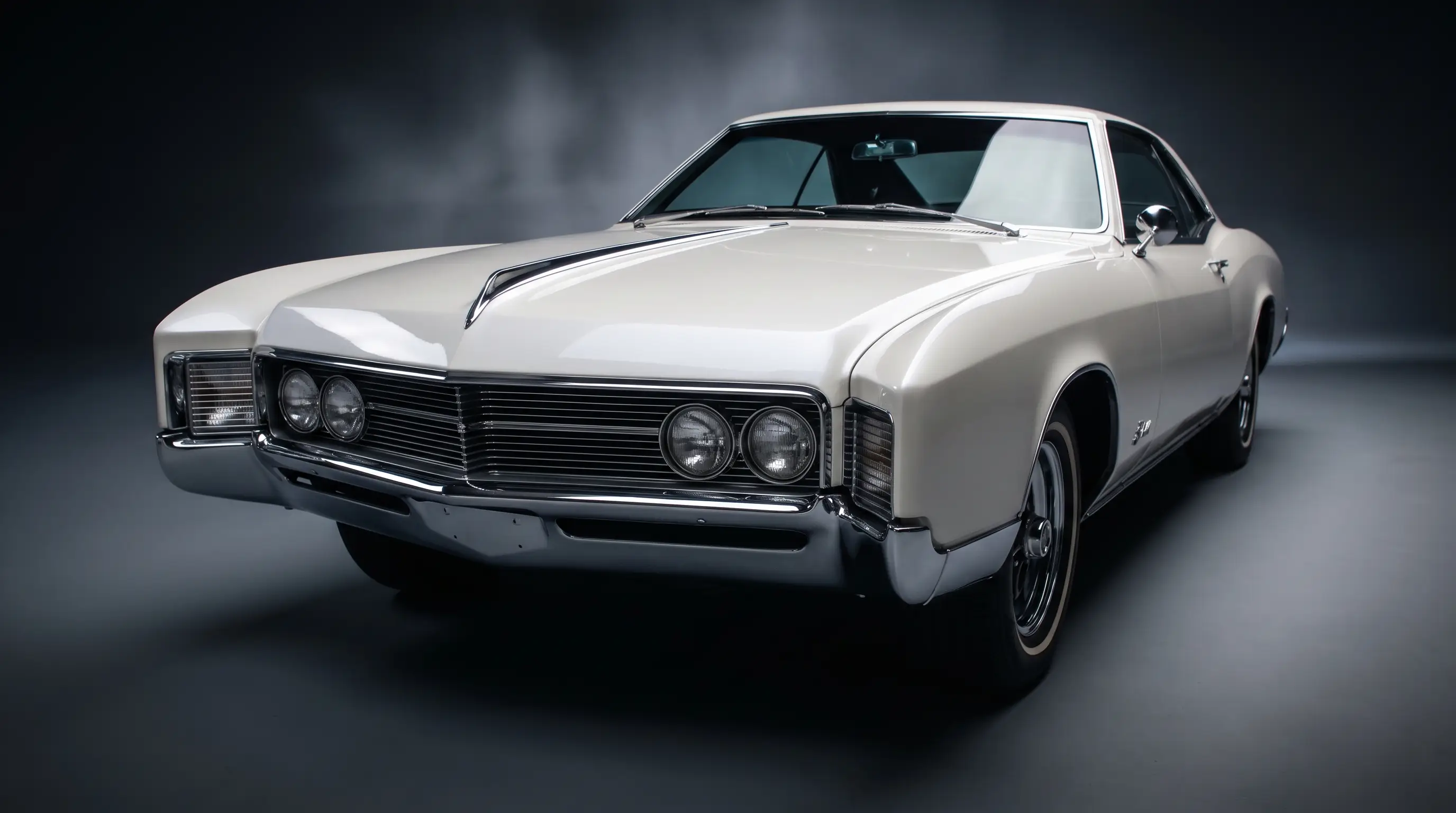
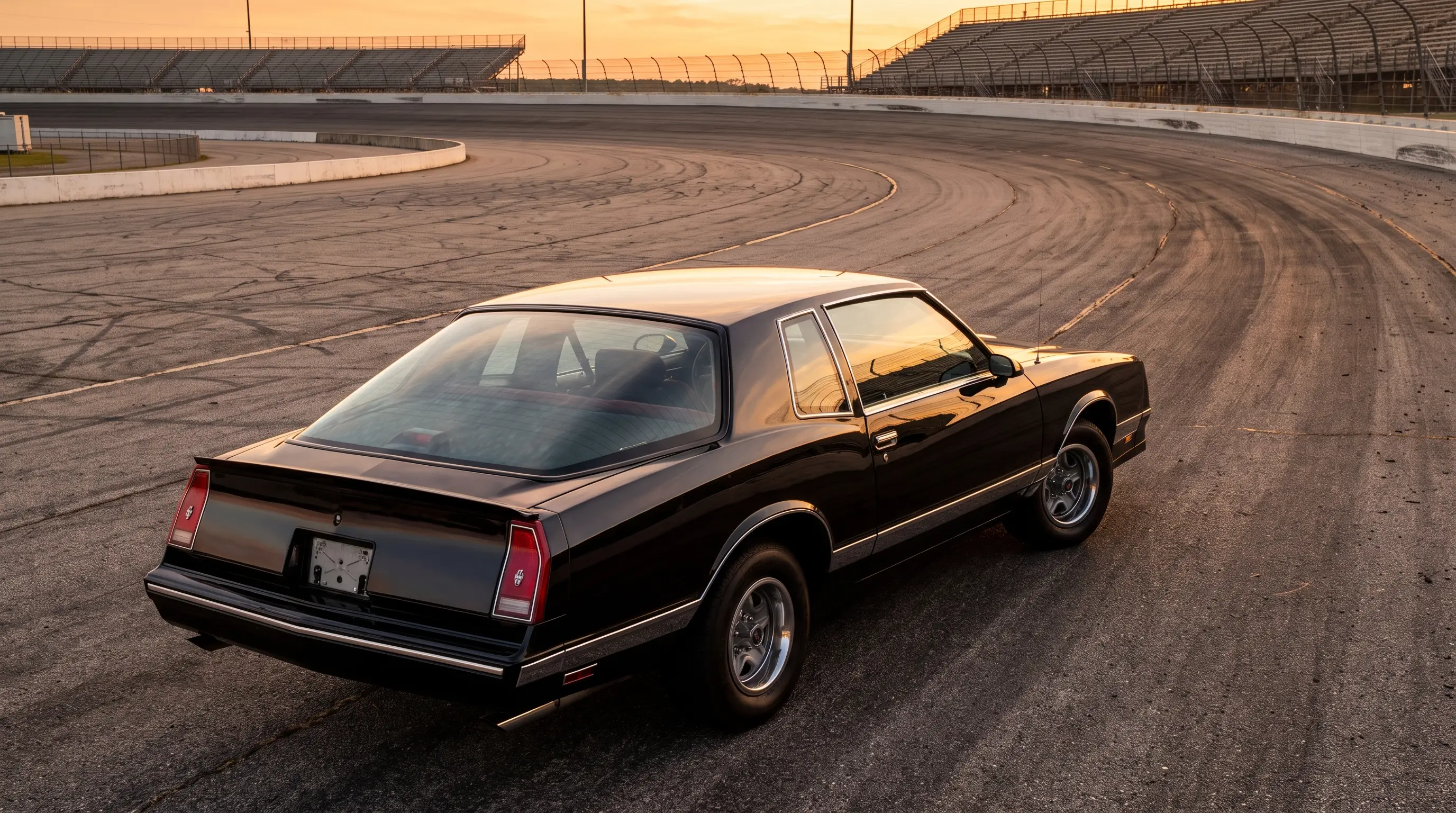
Picture a Talladega grandstand in the mid-1980s, the air thick with methanol fumes and the particular hush that falls over a crowd right before qualifying runs. Somewhere in the garage area sits a Chevrolet that does not look quite like the family sedan version parked in dealer lots back home. The rear glass rakes back at a steeper angle, the roofline tapers into something closer to a fastback, and the whole rear end looks like it was drawn by someone thinking about air instead of style. That car is the monte carlo 1986 aerocoupe, and it exists for one reason: Chevrolet needed to go faster in a straight line, and the showroom Monte Carlo SS was losing that fight against faster, slicker rivals week after week.
A problem born on the superspeedways
By the mid-1980s, NASCAR's stock car rules required manufacturers to homologate the actual body style teams raced, which meant whatever shape sat on a Winston Cup car needed a genuine production counterpart sold to real customers. The standard notchback Monte Carlo SS, the car covered in detail in 1986 monte carlo ss history, was a strong seller and a competent racer, but its boxy rear window and upright backlight created enough aerodynamic drag at superspeedway velocities that rival manufacturers running slicker shapes had a real advantage on tracks like Daytona and Talladega. Chevrolet's answer was not a new engine or a chassis trick. It was glass and sheet metal, reshaping the rear of the car into a fastback profile that let air release more cleanly off the back window instead of tumbling turbulently down a near-vertical pane.
Building just enough cars to make it legal
Homologation rules of the era demanded a minimum production run before NASCAR would certify a body style for competition, and Chevrolet built the Aerocoupe in numbers just large enough to clear that bar rather than as a volume product aimed at mainstream buyers. The result was a genuinely rare factory variant hiding inside an otherwise common nameplate, sold through regular Chevrolet dealers to whichever customers happened to want the sportier roofline, alongside teams and connected buyers who understood exactly what they were purchasing. The full mechanics of how that homologation process actually played out, and the paperwork trail it left behind, is worth reading as a related story alongside this one.
Because so few were built relative to the standard notchback SS, the Aerocoupe immediately carried a different weight among enthusiasts even before anyone fully appreciated how it would age as a collector piece. It was not marketed as an exotic. It was quietly, almost administratively, a homologation special hiding in plain sight on a regular dealer lot, waiting for enthusiasts to catch up to what it actually represented.
The Earnhardt connection that gave it a face
Dale Earnhardt's rise through this era gave the Aerocoupe's racing pedigree a name and a personality the general public could actually attach to a nameplate that otherwise lived mostly in garage areas and rulebooks. Earnhardt's aggressive, no-quarter driving style on superspeedways became inseparable from the black and silver Monte Carlos he campaigned, and that association did something the homologation paperwork alone never could: it turned an obscure aerodynamic fix into a car people wanted to own specifically because of who drove its racing sibling. Fans who never set foot in a garage still knew the shape, the stance, and the attitude that came with it, because Earnhardt's success on track put the Aerocoupe's silhouette in front of millions of people who had no idea what homologation even meant. Television coverage of superspeedway racing was expanding rapidly through this decade, and every broadcast that lingered on that fastback profile diving through the draft did more to fix the shape in the public imagination than any dealer brochure ever could have.
That cultural weight has only grown with distance. What started as a narrow rules-compliance exercise for engineers became, through Earnhardt's success and NASCAR's rising television audience in these years, one of the more recognizable silhouettes of 1980s American motorsport, instantly recognizable even to people who could not name a single homologation rule that produced it.
"Nobody at Chevrolet built the Aerocoupe to become a legend. They built it to stop losing at Talladega. The legend part happened because Dale Earnhardt turned out to be very good at winning in it."
- Patrick Walsh
Living with the fastback on ordinary roads
Away from the speedway, the Aerocoupe's rear glass was mostly a conversation starter rather than a practical advantage most owners ever noticed. On city streets and highway commutes the aerodynamic gain that mattered so much at 190 miles an hour was functionally invisible, and buyers who chose one in 1986 were paying, whether they realized it fully or not, for a piece of NASCAR's rulebook rather than for any measurable improvement in their daily driving experience. That did not stop plenty of buyers from loving the look on its own merits. The steeper backlight gave the car a leaner, more purposeful profile than the standard notchback SS, and for a certain kind of enthusiast that alone justified seeking one out regardless of what happened on a superspeedway two states away.
Dealers selling the Aerocoupe in period often had to explain the car's backstory to curious customers who noticed the different roofline but had no idea it existed because of a NASCAR aerodynamics rule rather than a styling department's whim. That explanation, repeated across showrooms nationwide, is part of how a fairly obscure homologation detail slowly became common knowledge among enthusiasts rather than staying a footnote known only to racing insiders.
Why the shape still gets people talking
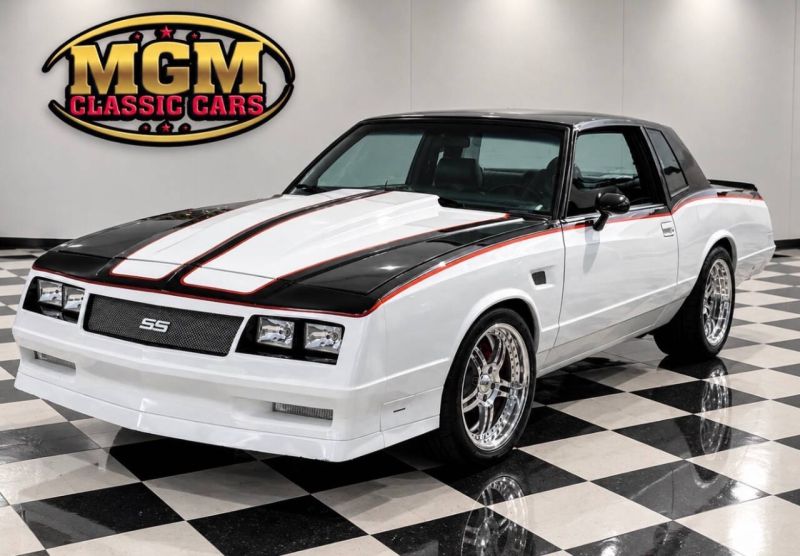
Decades later, the Aerocoupe occupies a strange, appealing space in Monte Carlo history: rare enough to be genuinely special, but built in numbers that keep it from feeling completely unobtainable the way a true low-volume homologation exotic from a European manufacturer might. It represents the last era where American stock car racing rules forced a direct, visible connection between what raced on Sunday and what a customer could actually buy from a dealer on Monday, a connection that has largely disappeared from modern NASCAR as race cars and street cars diverged into entirely separate engineering exercises with almost nothing in common beyond a badge and a paint scheme. For anyone drawn to that piece of history, or simply to the fastback profile itself, there are Aerocoupe-era Monte Carlos for sale now worth tracking down while genuine, documented examples are still findable, before that direct line between Sunday's race car and Monday's showroom car disappears from living memory entirely.
Sources and notes
- Chevrolet Monte Carlo - Wikipedia
- Hagerty Media - Klockau Classics, Chevrolet Monte Carlo coverage
- Chevy Hardcore - Monte Carlo Body Style, Engines, and Options
- Production Numbers - First Generation Monte Carlo Club
- The Car That Made Earnhardt a Legend - Hagerty Media
- GM's NASCAR Aero Warriors: 1986 Chevy Aerocoupe and Pontiac 2+2 - Mac's Motor City Garage