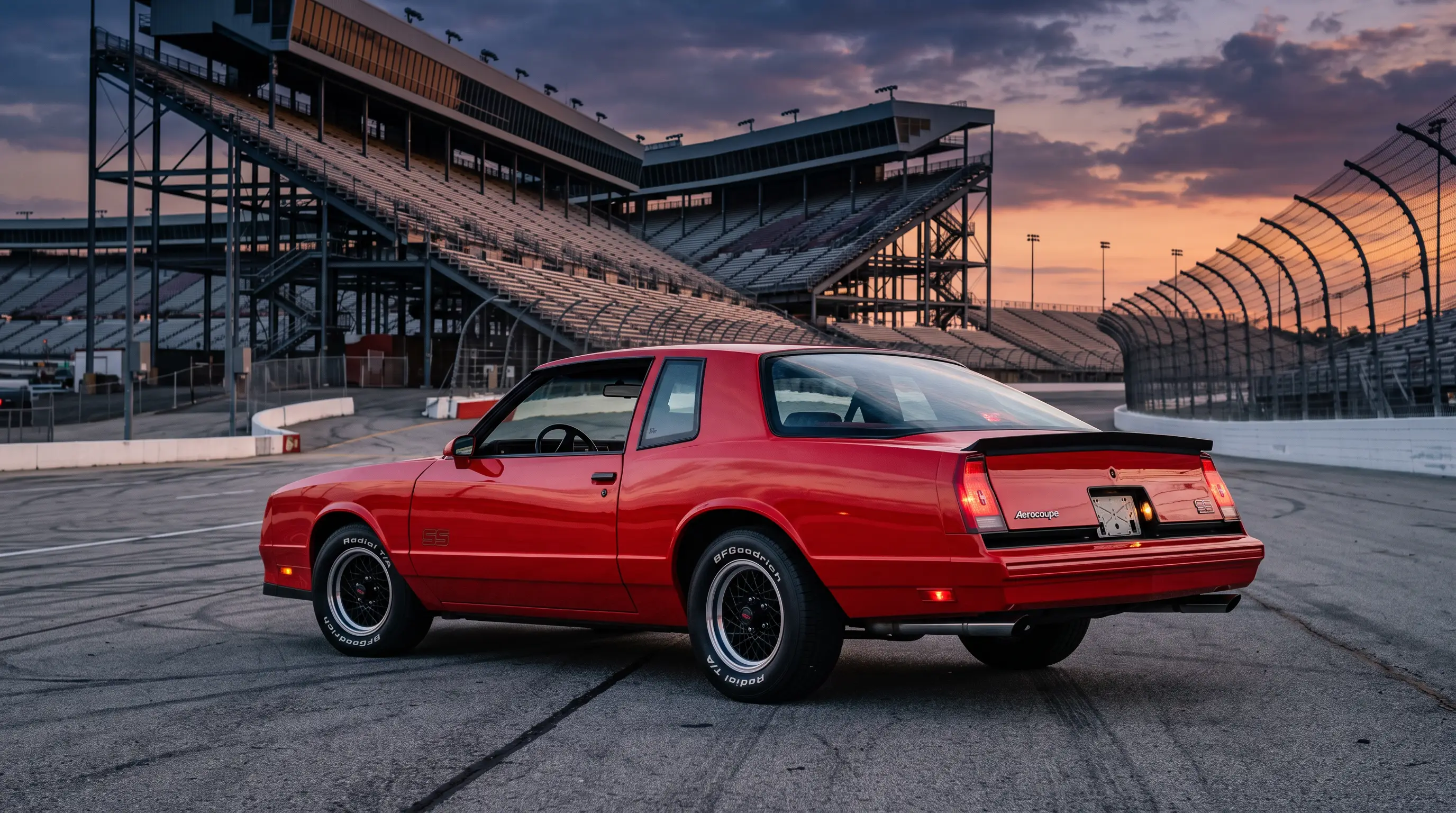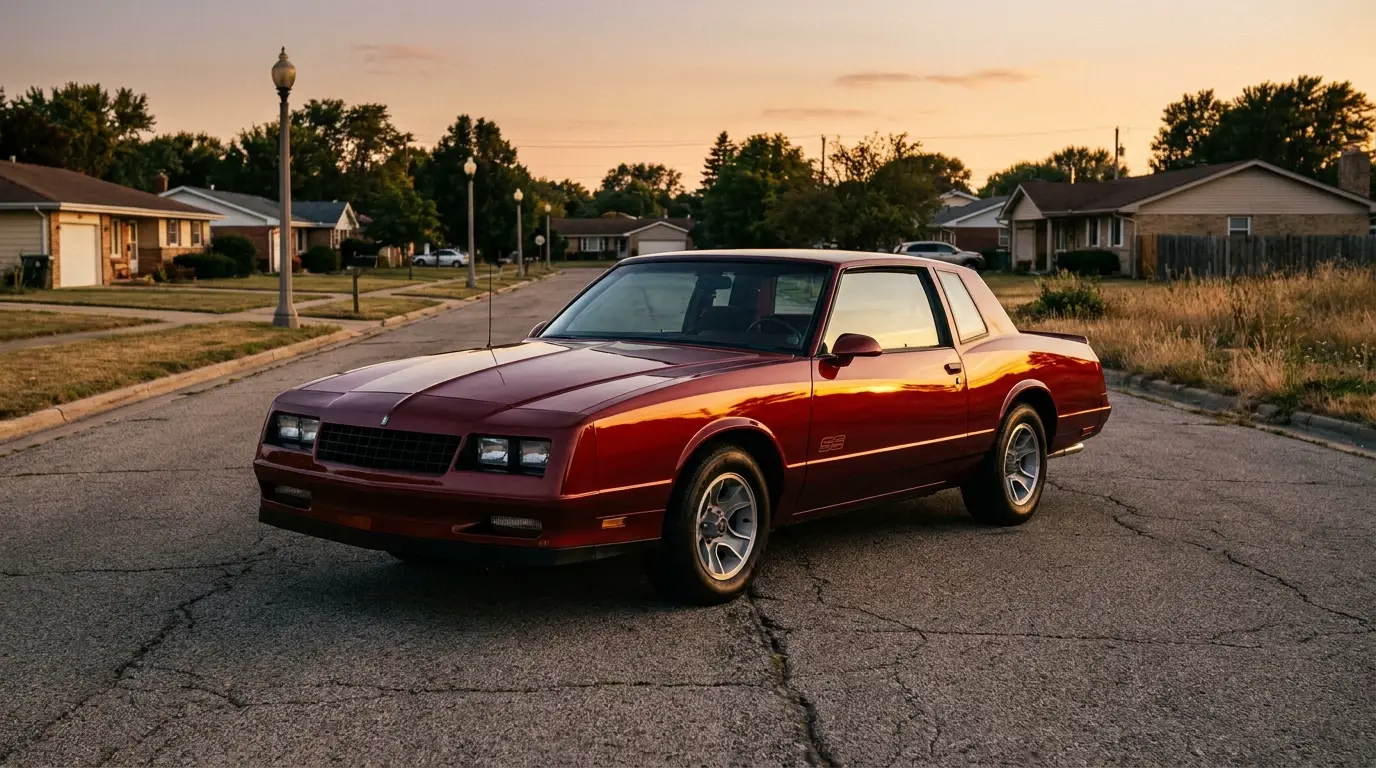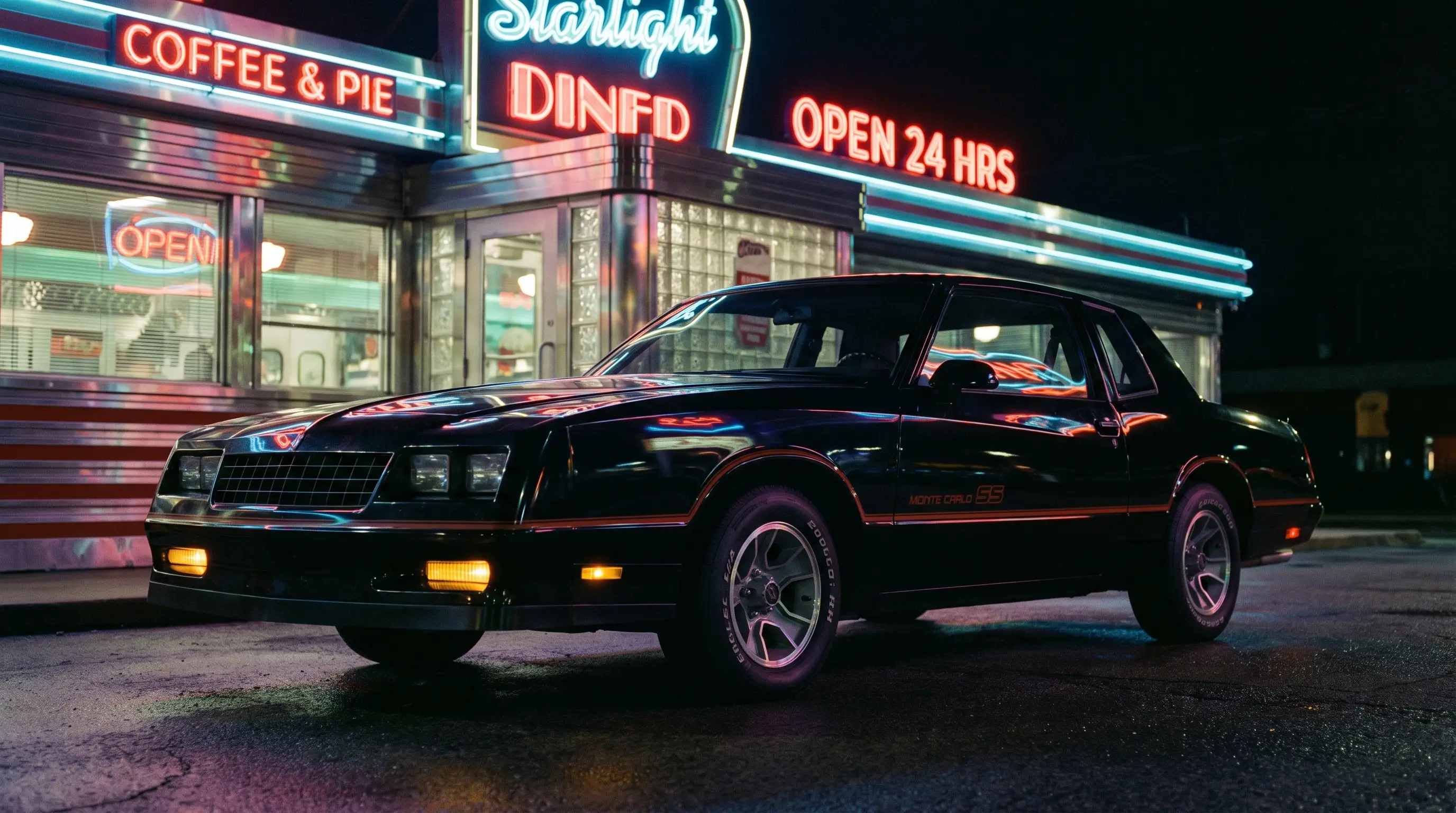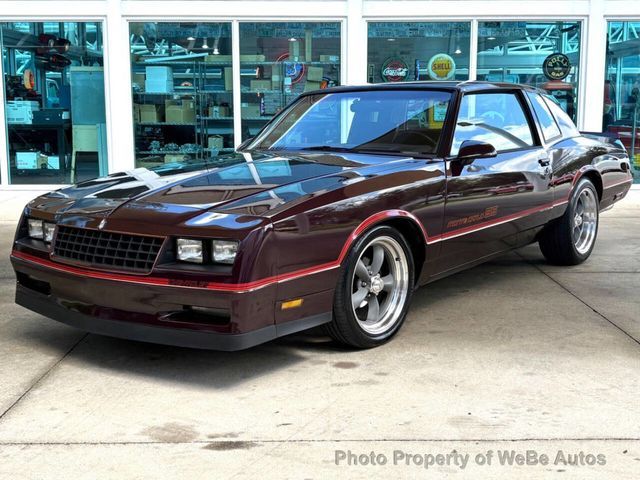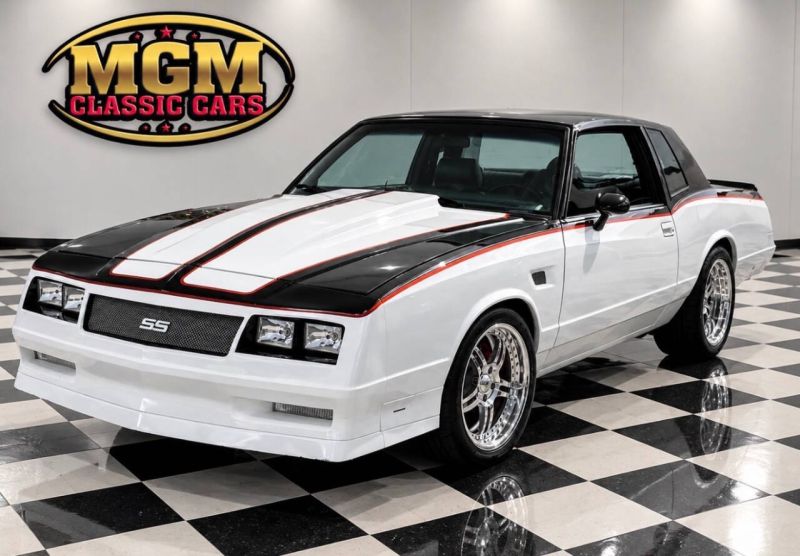
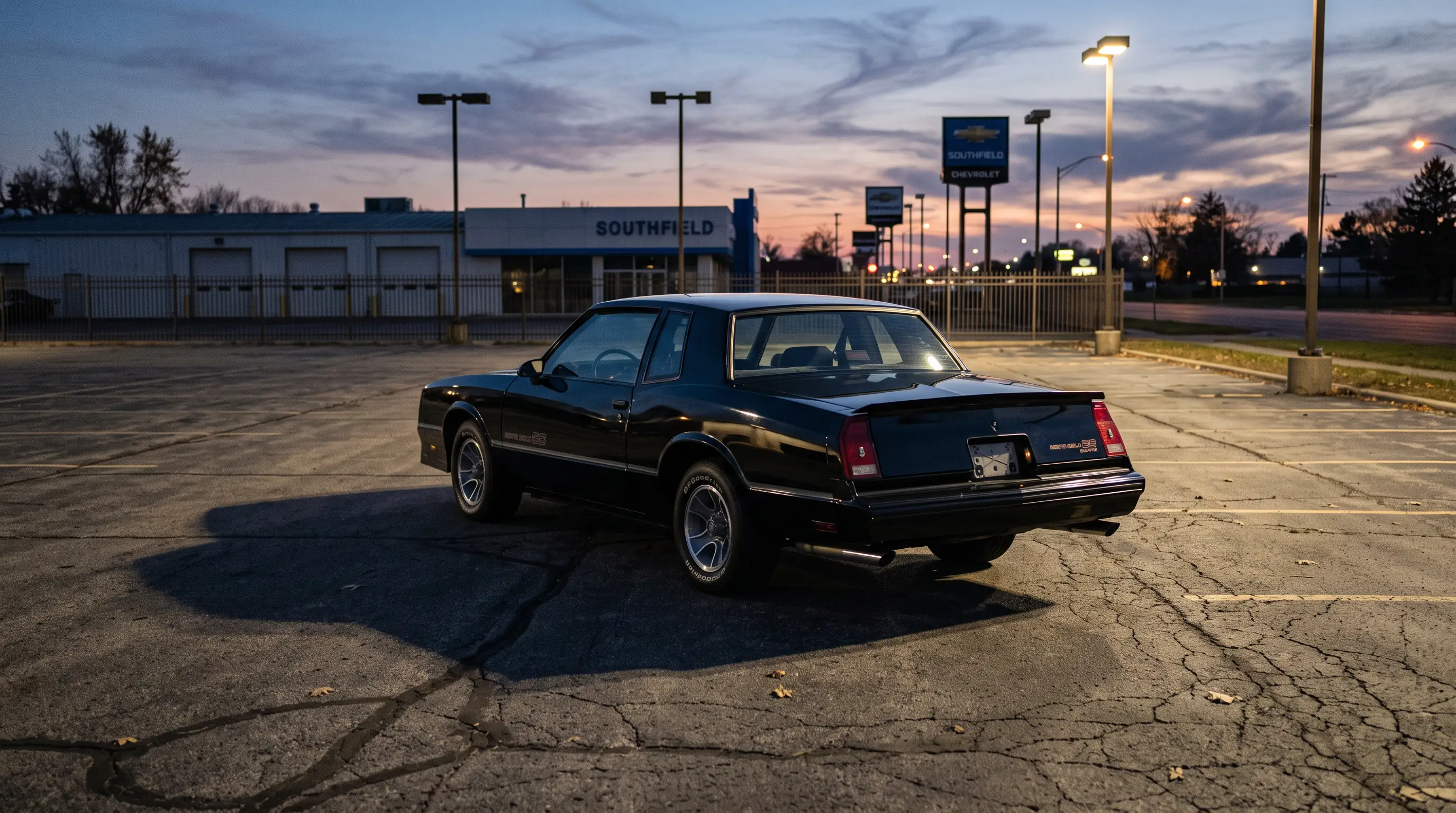
Factory records rarely announce an ending with any drama. There was no special final-edition badge, no ceremonial last car rolling off the line with photographers present, for the 1988 Monte Carlo SS. It simply was the last one, and the significance of that fact only became apparent afterward, once the front-drive platform that replaced it made clear there would be no more rear-drive Monte Carlos coming.
Why 1988 marked the true end of an era
By the time 1988 production began, General Motors had already committed to moving the Monte Carlo nameplate onto a front-wheel-drive platform for the following generation, a shift consistent with the broader industry move toward front-drive architecture through the 1980s. That meant the 1988 SS, mechanically a continuation of the same G-body formula that had defined the SS since its return to the lineup earlier in the decade, was quietly the final chapter of a specific engineering philosophy rather than simply another model year update.
Research into dealer records and period trade publications shows remarkably little fanfare accompanied this transition at the time. Buyers walking into a Chevrolet dealership in 1988 were not necessarily told they were purchasing the last rear-drive SS. Many salespeople may not have fully grasped the platform change's significance themselves, focused instead on moving current inventory rather than framing a car as historically final. That lack of contemporary documentation is precisely why factory build sheets and dealer paperwork from this specific year carry outsized research value now, decades after the fact.
"Nobody at the dealership in 1988 was telling customers they were selling history. The significance of that final year only became visible in hindsight, once the front-drive replacement arrived and it was clear the rear-drive formula was genuinely finished."
- Tom Ramirez
What actually changed for the final year
Mechanically, the 1988 SS represented a mature, well-sorted version of the formula Chevrolet had been refining since the early part of the decade, rather than a car reaching for last-minute changes to mark its farewell. This continuity is worth stating plainly, because some casual accounts of this history mistakenly assume a final model year must include dramatic special features, when the factory record shows a car that was simply the settled, final expression of a platform that engineers had already spent years developing and correcting.
That said, production-year specific details do exist and matter for identification purposes, including trim and equipment availability that differed from earlier years in the run. Buyers and researchers examining a specific car should verify these details against the VIN and any surviving build sheet rather than relying on general assumptions about what a "typical" late-eighties SS included, since running changes across the SS's production life were real even when they were not dramatic.
How dealers and buyers experienced the transition
Dealer inventory patterns from late 1988 offer a small but telling window into how this transition actually played out on the ground. Some dealers carried leftover 1988 SS inventory into the following year's selling season, discounting cars simply to clear space for the incoming front-drive models rather than because anything was mechanically wrong with them. Buyers savvy enough to recognize what they were purchasing occasionally got a genuine bargain on what would later be recognized as a historically significant final-year car, simply because nobody at the point of sale was pricing it that way.
That kind of quiet bargain has largely disappeared from the market today, since decades of retrospective attention have taught sellers and auction houses alike to price 1988 examples with full awareness of their closing-chapter status. Buyers researching this era now are working with a much more informed marketplace than the original buyers of these cars ever had access to, which is itself a useful reminder of how much historical significance gets assigned well after the fact rather than recognized at the moment of sale.
How this affects collector interest today
| Collector motivation | What they seek in a 1988 SS | Research priority |
|---|---|---|
| "Last of its kind" collectors | Any well-documented 1988 example | Confirm model year and originality |
| Aerocoupe specialists | Earlier 1986-1987 sloped-glass cars, since the Aerocoupe was not offered for 1988 | Weigh Aerocoupe scarcity against final-year notchback significance |
| General SS buyers | Best condition for the money, any year | Condition and documentation over specific year |
This layered interest, some buyers chasing the final-year distinction specifically and others simply chasing the best overall example regardless of year, means 1988 cars sit in an interesting position in the broader SS market. They are not automatically the most valuable year in the run, since the earlier limited Aerocoupe production still commands its own separate scarcity premium, but they carry a distinct historical weight that a well-informed seller should be able to articulate clearly to a prospective buyer.
What replaced it, and why that matters to the story
The front-drive Monte Carlo that succeeded the G-body car in the following generation was a genuinely different vehicle in almost every respect that mattered to the SS's identity, built on a smaller, lighter platform shared with other General Motors front-drive models of the period. Performance-minded buyers who had gravitated toward the rear-drive SS specifically for its traditional layout largely did not transfer that loyalty to the new platform in the same numbers, at least not immediately, and that gap in enthusiast reception is part of why the rear-drive years retained such a devoted following even decades later. The new car was not a failure by any reasonable commercial measure, but it was unmistakably a different kind of car answering a different set of engineering priorities.
That contrast is precisely why so much retrospective collector attention has settled on 1988 specifically, rather than treating the whole SS run as a single undifferentiated era. The 1988 cars represent the final, fully resolved version of an approach to building a mid-size performance coupe that the industry as a whole was already abandoning, which gives them a kind of closing-chapter significance that a mid-production year, however well built, simply cannot claim on its own terms.
A closing chapter worth understanding fully
Treating 1988 as simply "the last year, therefore automatically special" oversimplifies a more layered historical picture, one where the true significance lies in understanding exactly what ended, why it ended when it did, and how that closing chapter connects back to everything the SS had represented since its earlier reintroduction. Getting that context right matters for anyone researching or valuing a specific car from this final production year, rather than relying on a vague sense that "last year" automatically means "most valuable."
For the complete year-by-year account of how the SS developed across its full production run, providing essential context for understanding exactly what 1988 was closing out, our complete history covers that ground thoroughly. Readers interested in how this ending connects to broader ownership and collecting culture around the car today should also keep exploring the material covering why this specific car has endured in collector interest well beyond its final production year.
For anyone drawn to this closing chapter of rear-drive Monte Carlo history specifically, there is a rotating supply of classic Monte Carlo for sale, including examples from this significant final production year alongside the earlier Aerocoupe cars that preceded it.