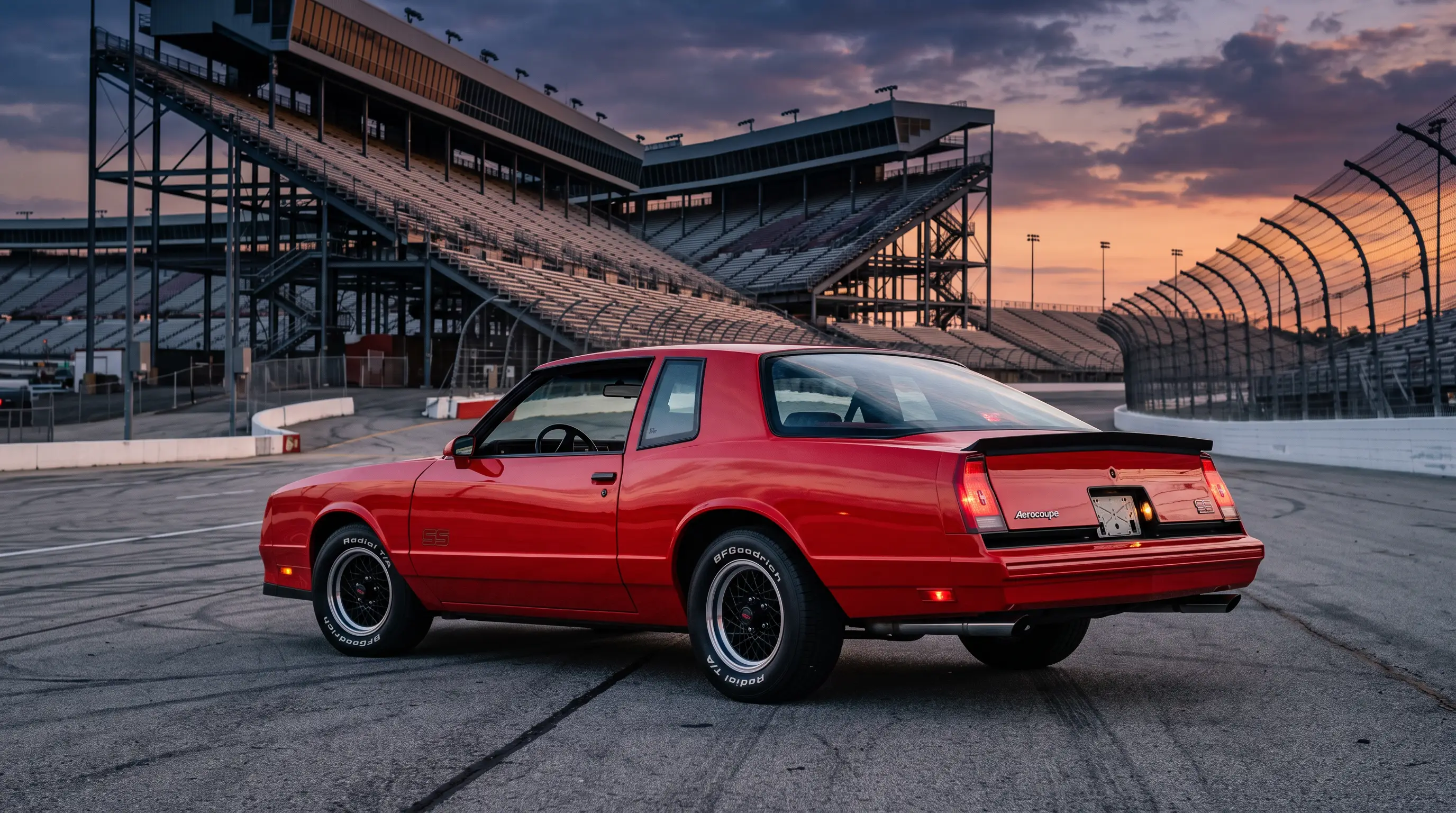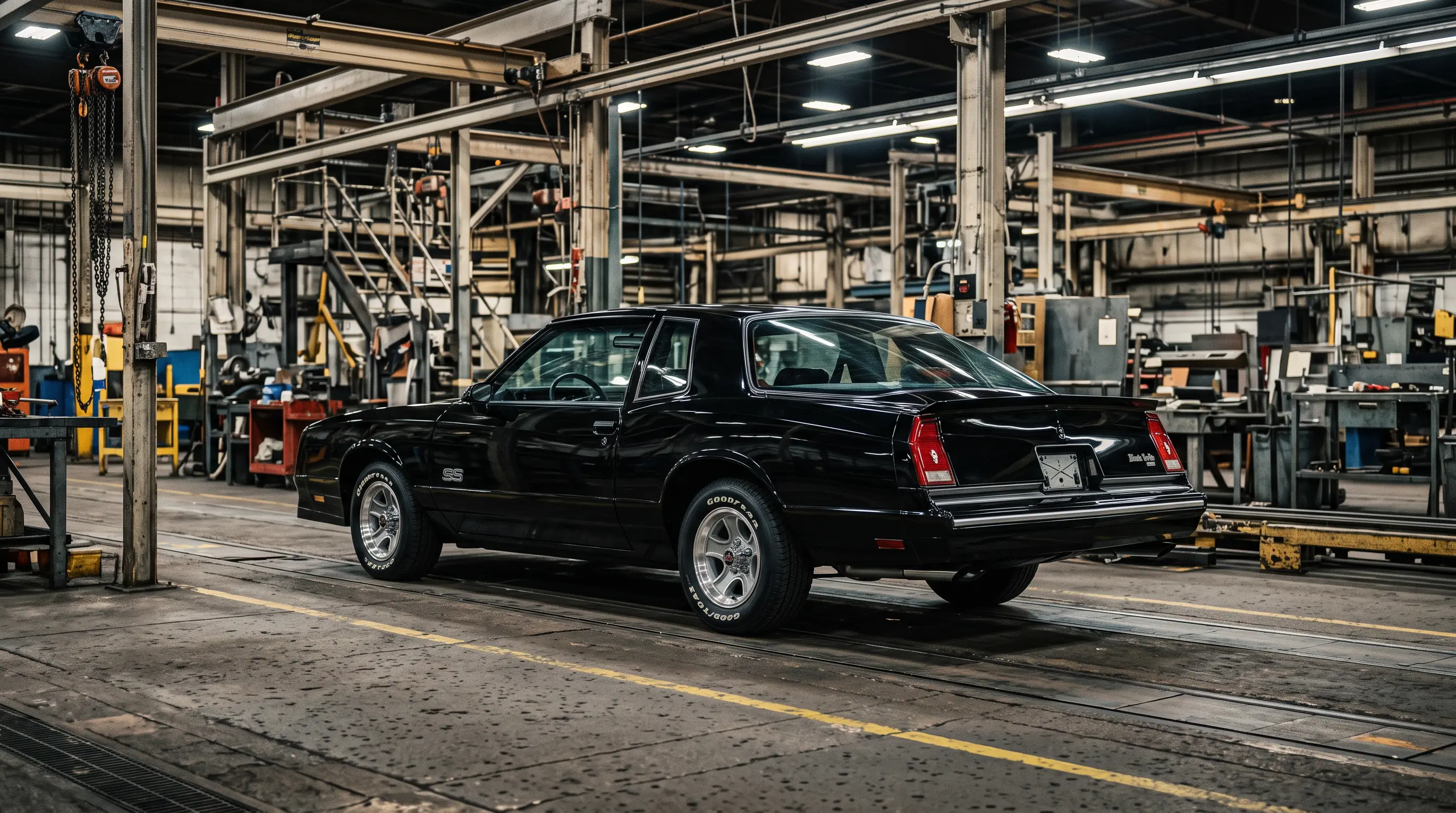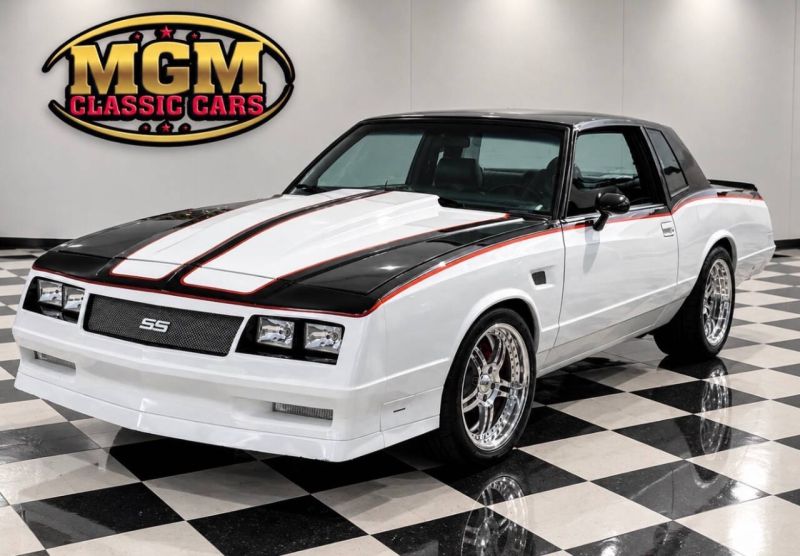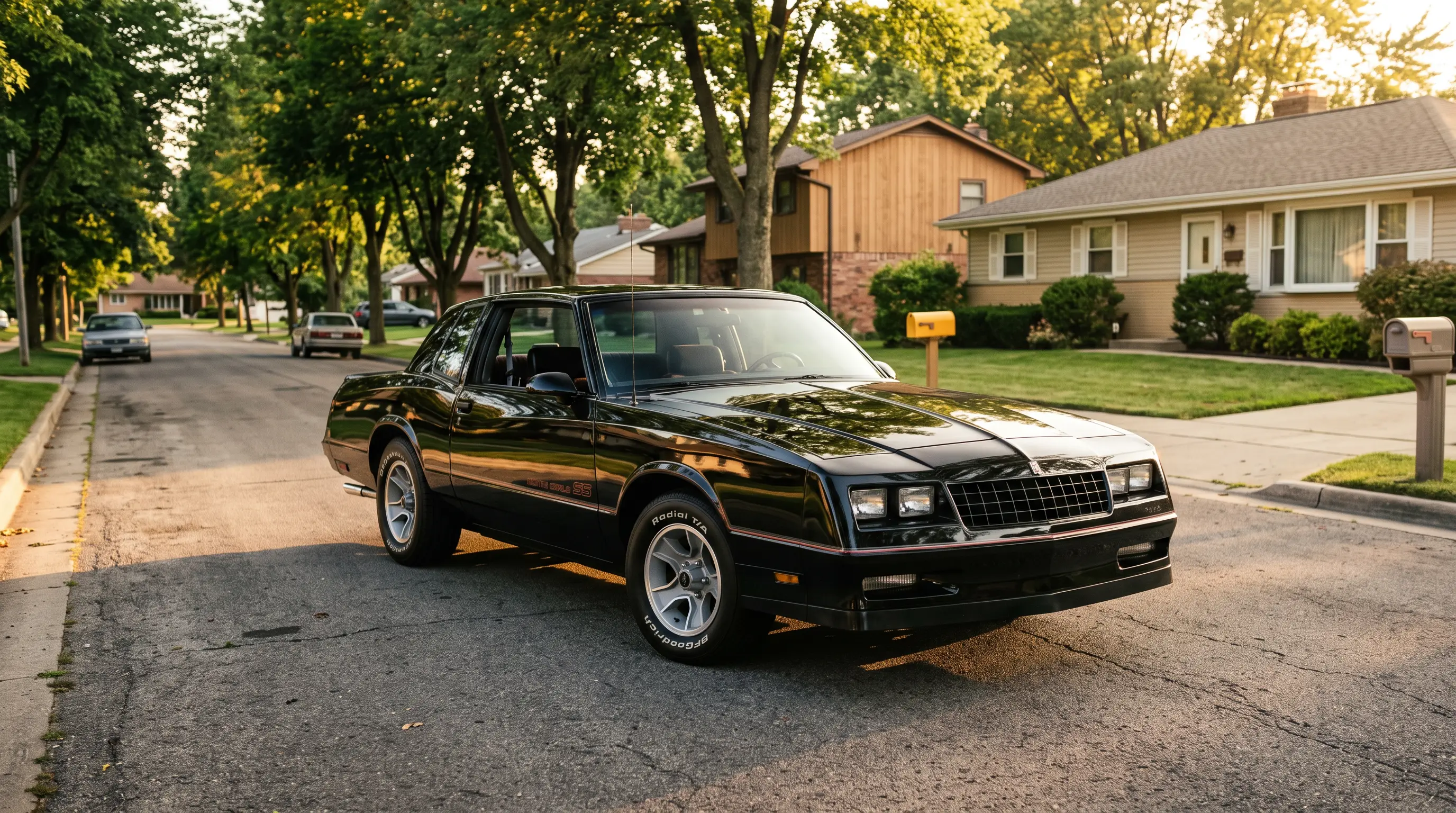
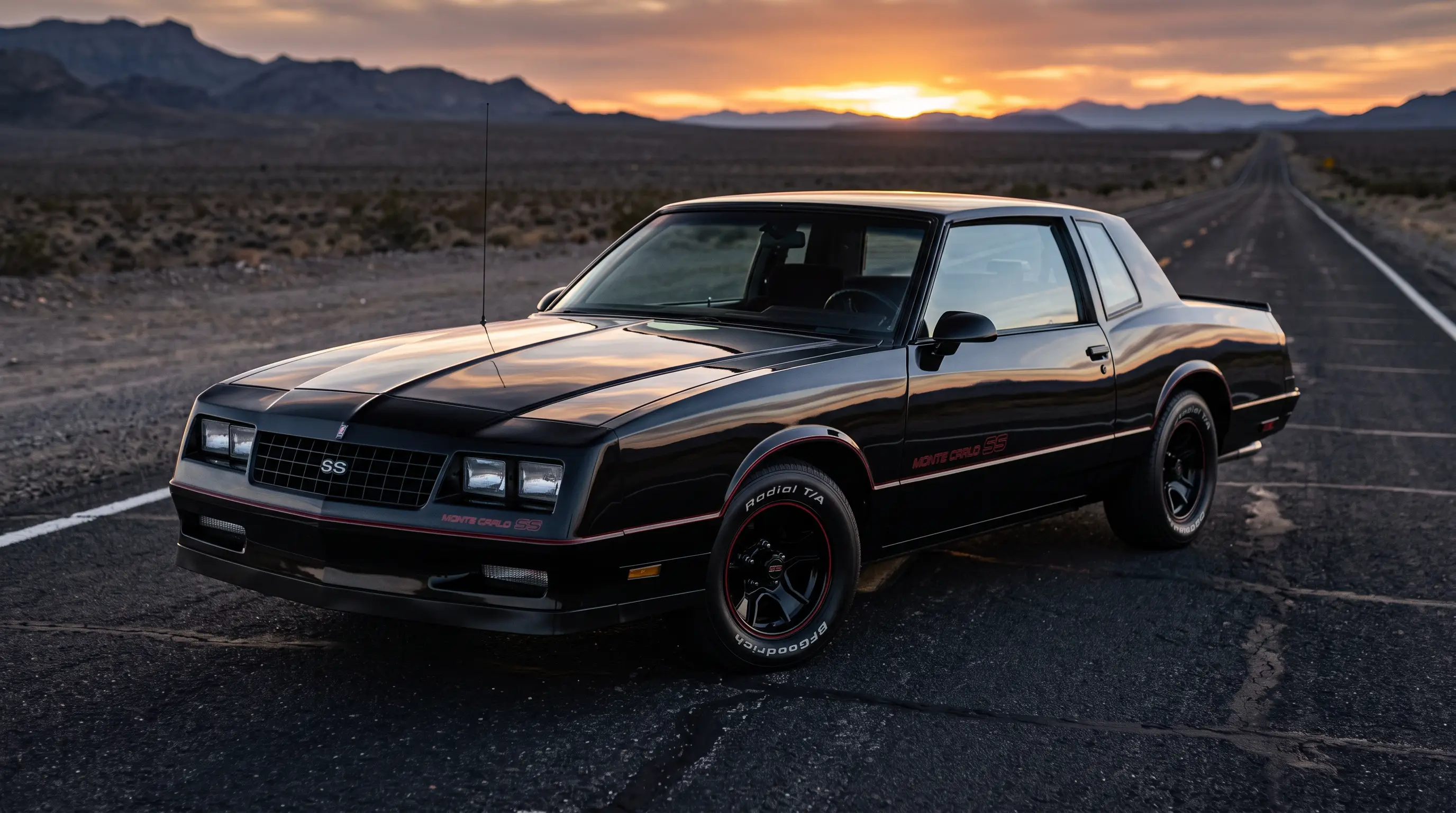
The monte carlo 1986 ss l69 305ho engine did not need to be fast. It needed to sound like it was fast, and it needed to be the only V8 Chevrolet offered in the SS that year. Those two facts matter more to the car's reputation than any dyno sheet, and the number worth remembering is 180. That is the horsepower rating Chevrolet published for the L69 in the 1986 Monte Carlo SS, a figure that reads modest today and read modest then too, next to the muscle cars this body style was chasing on television every Sunday.
The number that mattered: 180 horsepower
The L69 was a 305 cubic inch small block, roughly 5.0 liters, built around a four barrel Rochester Quadrajet carburetor and a set of heads borrowed from Chevrolet's high output program. High output is doing a lot of work in that name. This was not a rare engineering breakthrough. It was Chevrolet taking a well understood small block and tuning the intake, exhaust, and camshaft specification for more usable output than the standard 305 that came in a base Monte Carlo. The result on paper was 180 horsepower and 225 lb-ft of torque, numbers that put the SS ahead of a plain Monte Carlo but nowhere near the era's turbocharged competition from Buick.
What the raw figure does not capture is how the L69 behaved. It pulled cleanly through the midrange, it had a distinct exhaust note that owners still describe with real affection, and it was paired with gearing that made the car feel quicker off the line than the horsepower number suggested. Chevrolet was not selling a drag strip weapon. It was selling a car that sounded and moved like it belonged on a NASCAR-adjacent showroom floor, and the L69 did that job.
Why 305 cubic inches, not 350
Enthusiasts who did not live through the era ask an obvious question. Why would Chevrolet put a smaller displacement V8 in its flagship performance trim instead of a 350? The answer has less to do with power and more to do with corporate fuel economy rules that were reshaping every American engine lineup in the 1980s. Chevrolet Automotive Fuel Economy standards pushed manufacturers toward smaller displacement engines across their catalog, and the 305 was the compromise that let the SS carry a genuine performance identity without dragging down Chevrolet's fleet average. The L69 existed because the accountants and the engineers had to agree on the same engine, and 305 cubic inches with a high output tune was where they landed.
That compromise is also why the L69 has a smaller but more devoted following than bigger displacement engines from the same decade. It is not the engine you point to for outright numbers. It is the engine that defined what a mid-1980s SS actually felt like to drive, and that distinction matters to people restoring these cars correctly instead of chasing bragging rights.
Where it sat against the rest of the eighties SS story
The L69 did not exist in isolation. It was one piece of a broader package Chevrolet built around the Monte Carlo SS starting in 1983, a package that included the aero nose, the SS-specific suspension tuning, and the badging that told everyone at a stoplight exactly what they were looking at. Read the background on how that whole package came together if you want the full picture beyond just the engine bay.
Comparing the L69 against contemporaries is where the honest numbers guy in me has to be blunt. Buick's turbocharged Grand National engine produced more power from less displacement using forced induction, and it embarrassed the Monte Carlo SS in a straight line by the middle of the decade. That comparison is worth a look too if you want the numbers laid out side by side rather than argued about at a car show.
"180 horsepower sounds unimpressive until you remember what else Detroit was selling in 1986. The L69 was not built to win a spec sheet argument. It was built to sound right, pull hard enough to matter, and keep a fuel economy regulator happy at the same time."
- Dan Reeves
The Quadrajet, the cam, and what actually changed
Break the L69 down piece by piece and the story gets more specific than a single horsepower figure. The block itself was shared with lower output 305 applications across Chevrolet's lineup that year, so the difference lived in the details bolted to it. A revised camshaft profile opened the valves longer and later than the base engine, trading a little low speed smoothness for a stronger pull once the engine came up on the cam. The cylinder heads carried larger ports than the standard 305 casting, letting the engine breathe at the higher rpm the SS package was tuned to favor. None of that shows up on a spec sheet the way a horsepower number does, but it is the reason the L69 pulled the way it did and sounded different from a base Monte Carlo idling next to it in a parking lot.
The Rochester Quadrajet carburetor sitting on top of that engine gets criticized by people who never tuned one properly and praised by people who did. It was a spread bore design, small primaries for economy and part throttle response, larger secondaries that opened under load for real airflow when the throttle went down. Properly calibrated, it gave the L69 a two stage personality, docile around town and noticeably more aggressive once the driver got into it. Poorly maintained, as plenty of them were by the time these cars hit their second and third owners, the same carburetor could make an otherwise healthy engine feel flat and unresponsive. That gap between a well sorted L69 and a neglected one explains a lot of the mixed reputation this engine has picked up over the decades.
The verdict on the L69 today
Judged purely on output, the L69 is not a remarkable engine. Judged on what it accomplished within the constraints Chevrolet was working under in the mid-1980s, it did its job well enough that it remains the defining powerplant of the era's Monte Carlo SS. Owners who keep the numbers matching drivetrain intact are not chasing horsepower bragging rights. They are preserving the specific combination that made this car what it was, carburetor tuning and all, and that is a more honest reason to care about an engine than any dyno chart.
If you are shopping for one of these cars today, the drivetrain is the first thing worth verifying against the build sheet before anything else. You can shop classic Monte Carlo listings and start checking VIN data against what a seller claims before you get attached to a number that might not match the car in front of you.