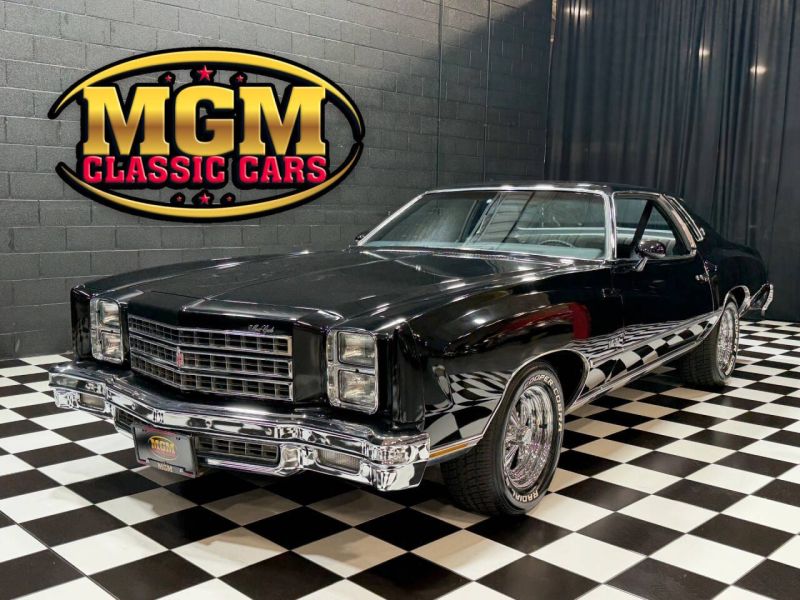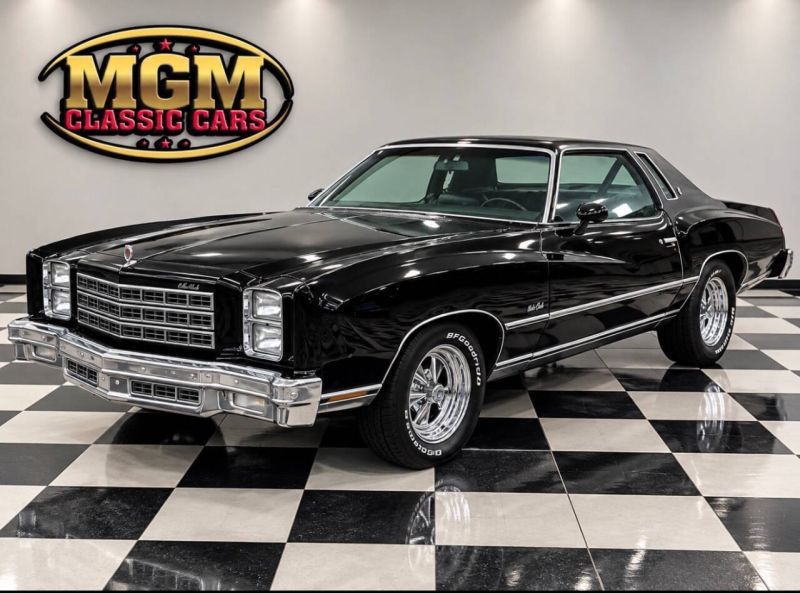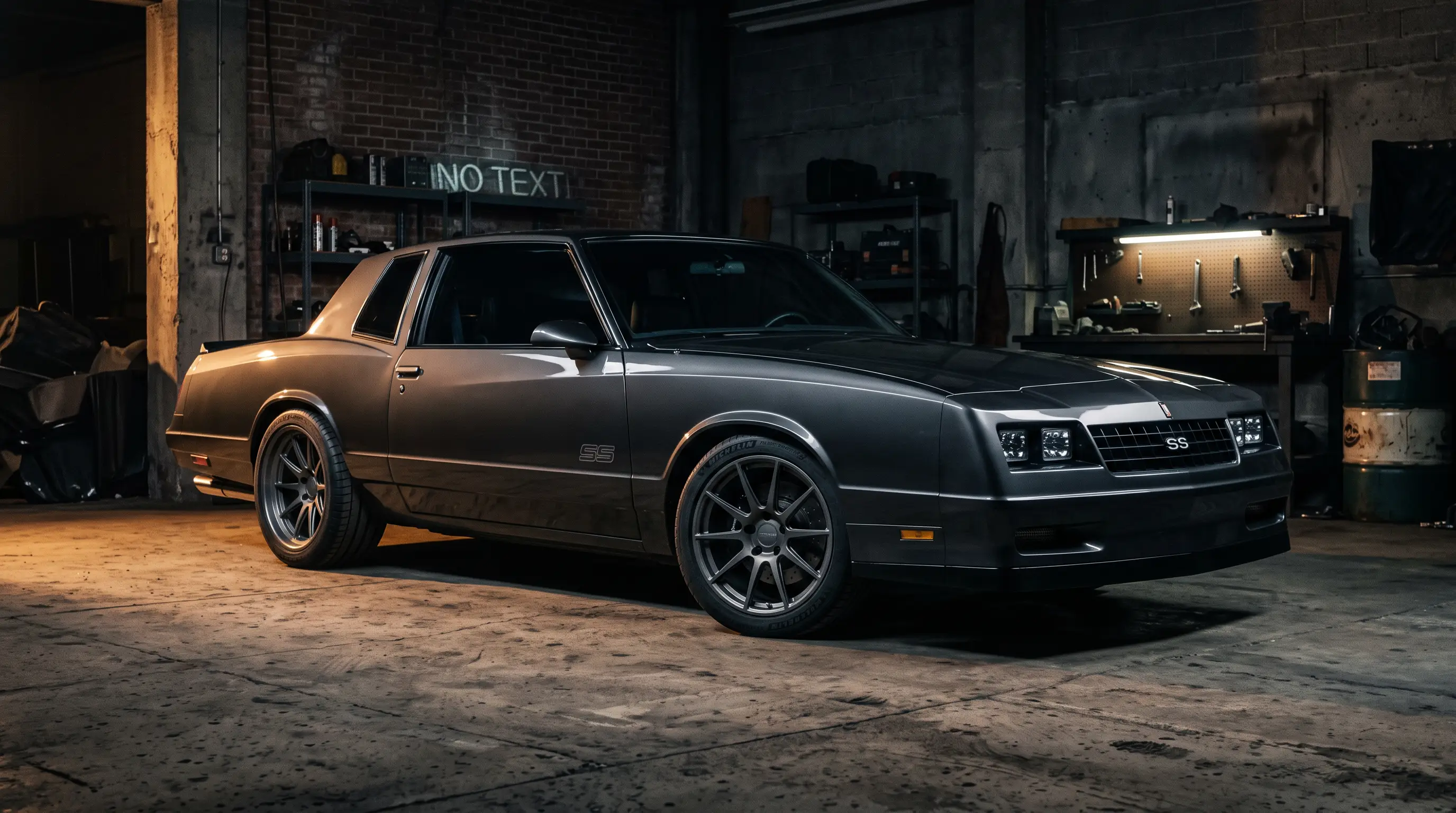
There is a persistent misconception in restomod circles that any G-body Monte Carlo SS is fair game for a full drivetrain transplant, no questions asked, because the platform is common and parts support is strong. The historical record tells a more complicated story, and it is worth correcting gently before another owner grinds off a piece of documented factory history in the name of a weekend upgrade.
What the platform actually offers builders
The G-body chassis underneath the Monte Carlo SS is genuinely well suited to modification. Body-on-frame construction, a simple rear-wheel-drive layout, and a healthy aftermarket built up over decades of Chevelle and Malibu support all make swaps straightforward compared to many unibody contemporaries. That mechanical reality is not in dispute, and it explains why the restomod scene around these cars has grown steadily rather than fading the way it has for some less structurally cooperative platforms.
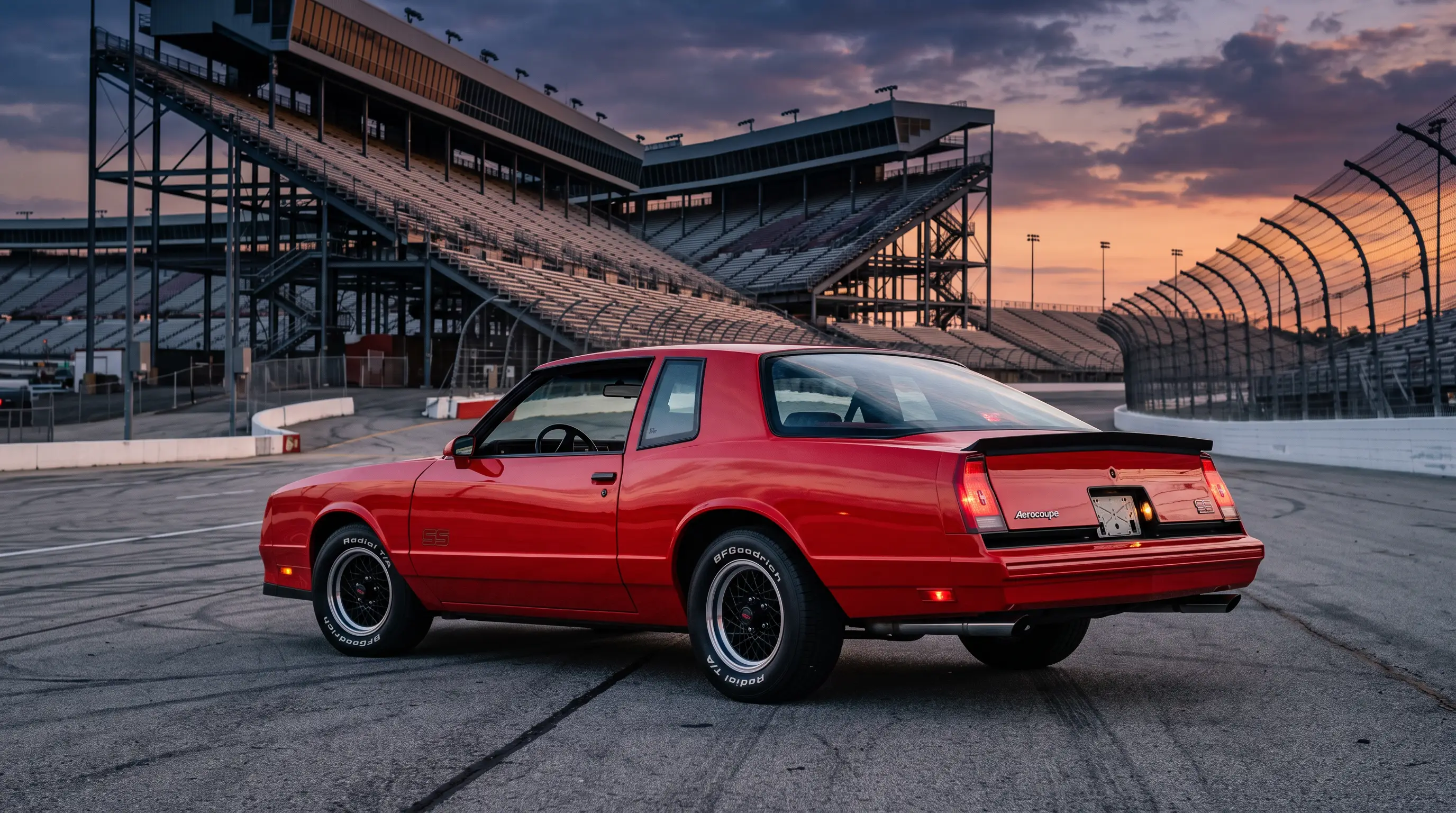
Where the historical record complicates the popular narrative is production numbers and documentation. Not every SS on the road today is what its current badge claims, and the restomod scene bears some responsibility for that confusion, because a modified car with a fresh drivetrain and a repainted body is much harder to verify against factory records than an untouched original. A builder pulling a numbers-matching drivetrain out of a documented Aerocoupe to install a modern engine is not just customizing a car. They are erasing a piece of the historical record that cannot be recreated once it is gone.
"The build sheet does not care how good your paint job is. Once the original drivetrain and trim are gone, the documentation trail for that specific car is broken permanently, and no amount of craftsmanship in the shop puts it back."
- Tom Ramirez
Correcting the "every SS is disposable" assumption
Factory production records show meaningful variation year to year across the SS era, and the Aerocoupe specifically was built in far smaller numbers than the standard notchback SS during its production run. Treating every G-body SS as equally common, and therefore equally acceptable to gut for a build, ignores that variation. A builder working from a rough notchback SS with no documentation and significant rust is making a very different decision than a builder working from a clean, paperwork-verified Aerocoupe. The first is arguably preserving the platform by giving a tired car a productive second life. The second is trading documented history for a personal project, and that trade should be made with open eyes, not by accident.
This distinction matters practically, too. Builders who start with well-documented cars and modify them anyway sometimes find the resulting restomod harder to sell later, because serious collectors specifically avoid cars with murky histories, and casual buyers who do not care about documentation are usually not paying restomod-level prices in the first place. The market has quietly begun to punish this exact scenario, even as the broader restomod hobby continues to grow.
The economics builders actually face
Cost is a factor that gets underplayed in restomod discussions generally, and G-body SS builds are no exception. A quality drivetrain swap done with attention to detail, correct engine mounts, proper wiring integration, and matching transmission tunnel work, routinely costs more than the donor car itself, sometimes several times over depending on the ambition of the build. Builders who go in expecting a bargain modification often find the total invested climbs steadily once suspension, brakes, and cooling system upgrades get added to support the new drivetrain properly rather than half-measure fitting a modern engine into a chassis not otherwise updated to handle it.
This cost reality actually reinforces the preservation argument made above, from a purely practical angle rather than a sentimental one. A builder who has just invested significant money into a drivetrain swap wants that investment protected by a car with clean title, solid structure, and no hidden rust, which is exactly the kind of car that also tends to have better documentation. The undocumented, rust-compromised cars that make the most sense to modify without preservation concerns are often, unfortunately, also the cars that require the most additional investment to bring up to a standard worth building around in the first place.
A better approach for builders who want both
| Starting point | Recommended approach | Outcome |
|---|---|---|
| Rusty, undocumented SS | Full restomod, no preservation concern | Reasonable use of a common platform |
| Solid, undocumented SS | Restomod acceptable, photograph before starting | Good build, some lost provenance value |
| Documented notchback SS | Preserve drivetrain and trim separately if modifying | Build proceeds, history is not destroyed |
| Documented Aerocoupe | Strongly consider preservation over modification | Protects a genuinely scarce historical artifact |
None of this is an argument against restomodding G-body cars generally. It is an argument for builders doing a small amount of homework before cutting into a car, checking for a build sheet, a dealer invoice, or a VIN decode that establishes what they actually have before deciding whether that specific example deserves preservation or deserves a supercharger. The platform will always be there in abundance. Documented, low-mile original examples will not be, once they are gone.
What a typical build actually involves
For builders working from an appropriate donor car, the restomod path on a G-body Monte Carlo SS typically starts with the drivetrain, since the platform's rear-wheel-drive layout accepts a wide range of modern engine and transmission combinations with relatively modest fabrication work. Suspension upgrades follow naturally, since the factory geometry, while adequate for its era, benefits from modern components when a builder has already committed to increased power. None of this is exotic knowledge within the hobby. What varies enormously from builder to builder is the discipline applied to the decision of which specific car deserves this treatment in the first place.
Interior and trim work tends to come last in most builds, and this is another point where documentation matters. Original trim pieces, door panels, and dash components removed during a restomod are frequently discarded rather than preserved, on the assumption that nobody will ever want them back. That assumption has proven wrong often enough that experienced builders now recommend boxing up original components before a build begins, regardless of whether the builder personally cares about preservation, simply because the resale market has shown a willingness to pay for cars where original parts survive alongside a modern drivetrain.
Where the scene is heading
The healthiest version of this hobby, the version that has taken hold in several regional clubs, treats restomodding and preservation as complementary rather than competing goals. Builders swap drivetrains in the plentiful, undocumented cars that make up the bulk of the surviving population, while documented and historically significant examples get steered toward owners who want to preserve them as found. That informal sorting mechanism protects the historical record without slowing down the restomod scene at all, since there has never been a shortage of suitable donor cars for builders willing to look past the handful of documented Aerocoupes that deserve a different fate.
For readers who want the full year-by-year account of how the SS and Aerocoupe came to exist, which is essential context for understanding why some of these cars carry more historical weight than others, 1986 monte carlo ss history covers that ground in detail. And for a look at how owners are actually living with these cars day to day, documented or modified, a related story rounds out the picture from the ownership side rather than the build shop side.
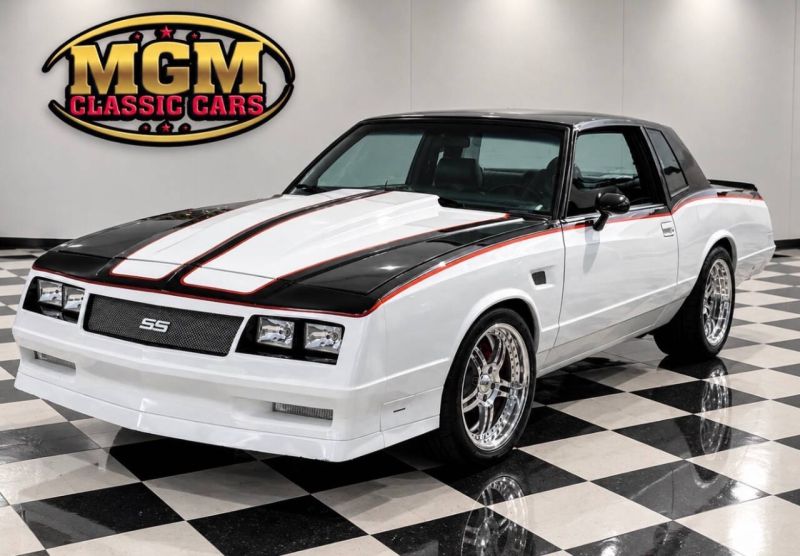
For builders and preservationists alike currently shopping, there is a rotating supply of Monte Carlos for sale now, spanning everything from rough project cars ready for a full drivetrain swap to documented originals that deserve a more careful hand.