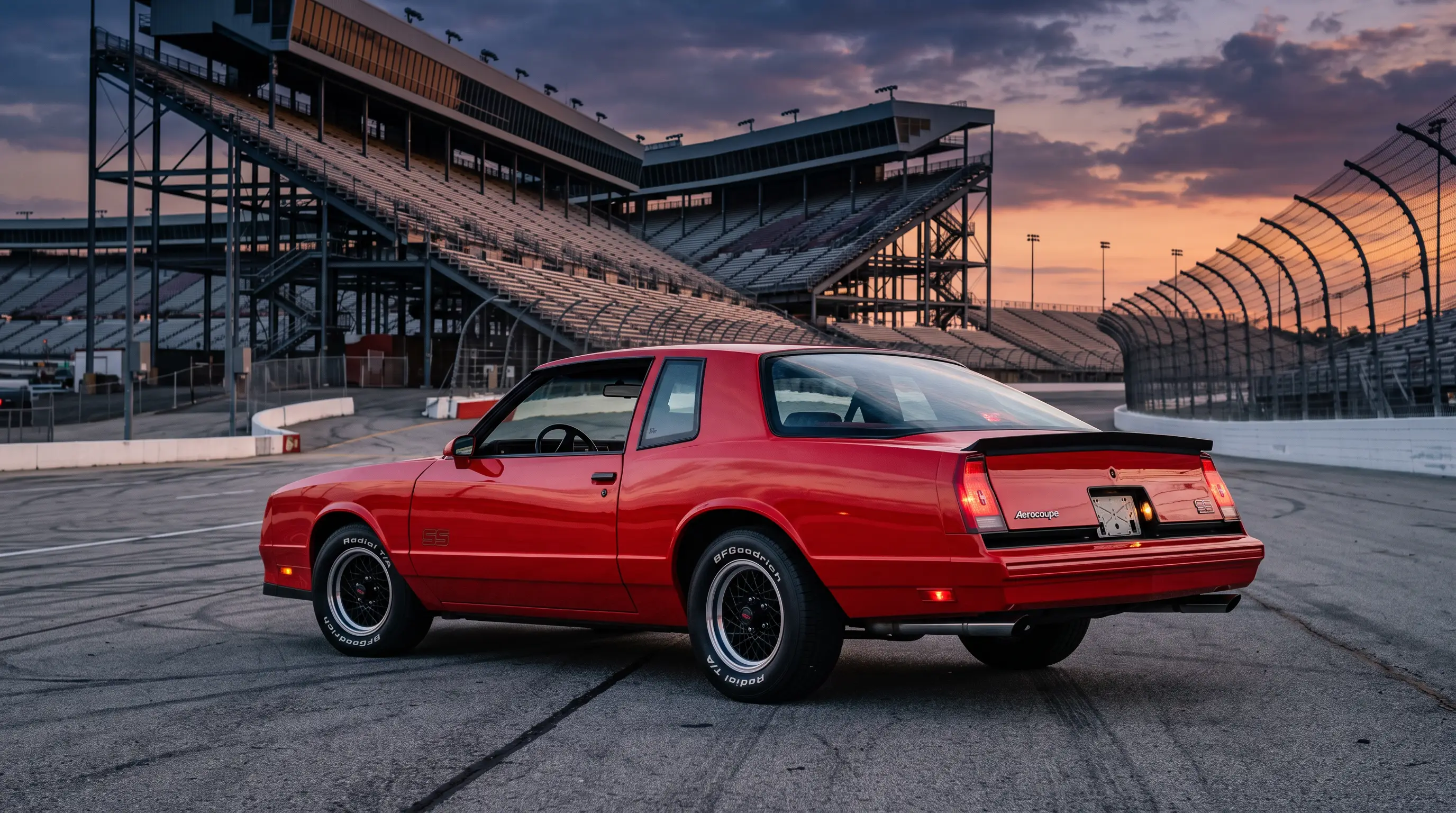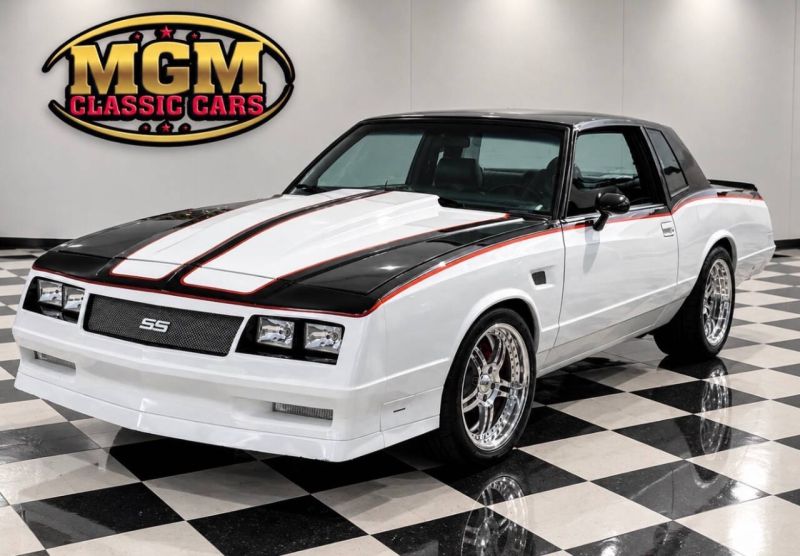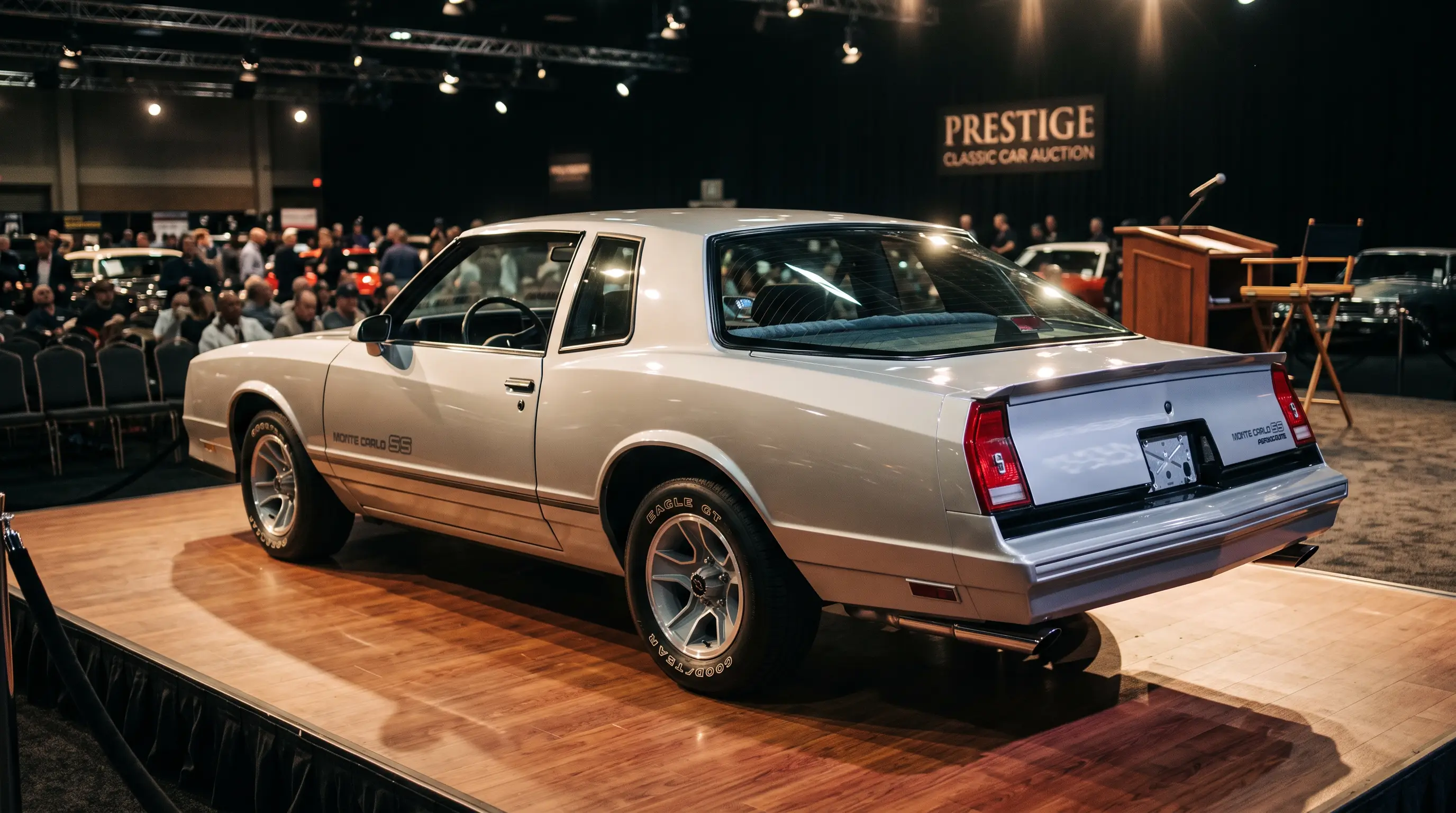
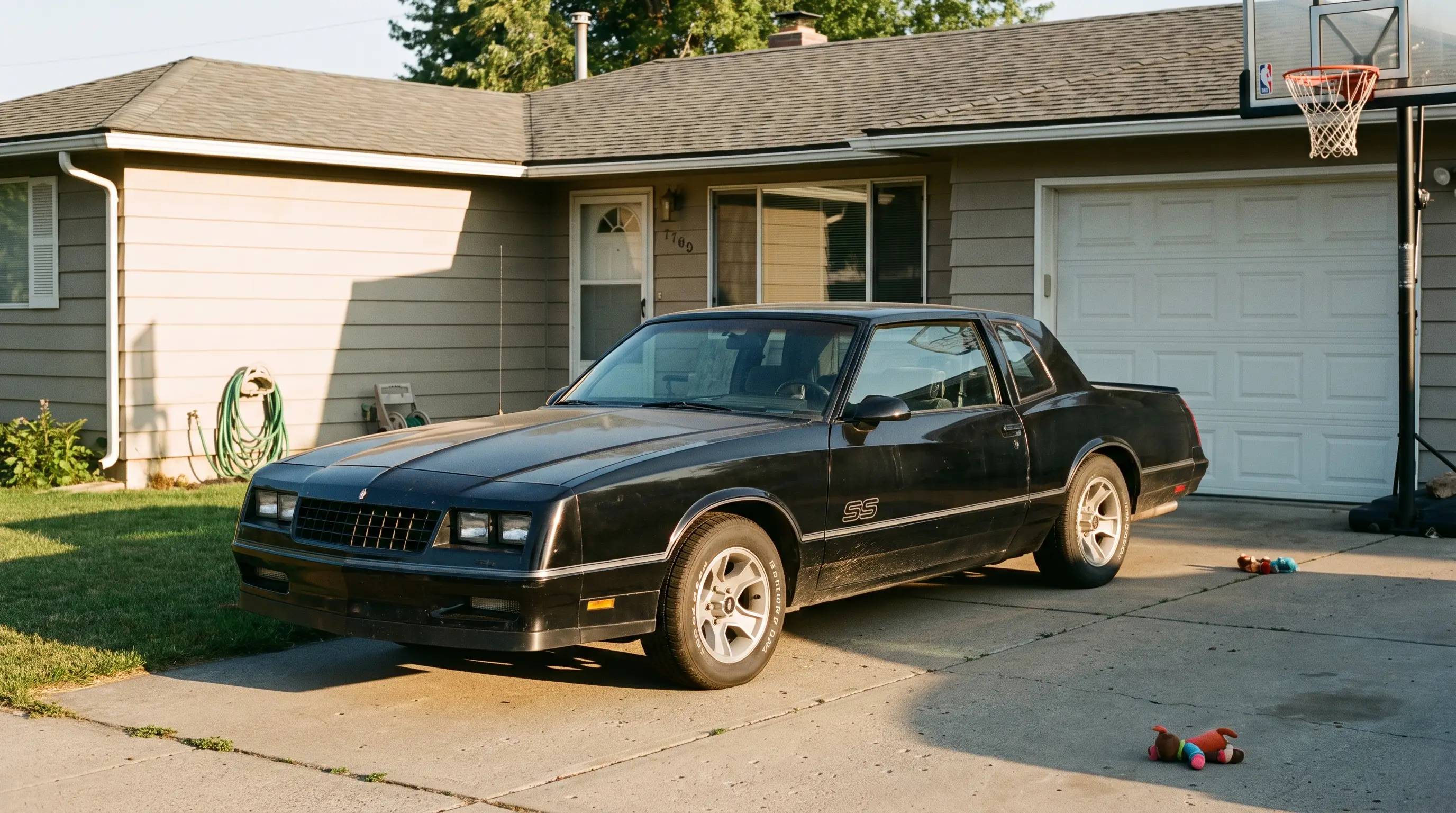
Daily ownership of an eighties Monte Carlo SS is a different experience from admiring one at a show, and the difference is worth documenting carefully, because so much of what gets written about this car focuses on the racing history and the auction results rather than what it actually takes to live with one through an ordinary year of driving, storage, and small maintenance decisions.
The community that formed around a common platform
The G-body Monte Carlo SS was never a low-production exotic, and that fact shaped the ownership culture around it in a specific way. Because parts, information, and other owners were relatively easy to find compared to rarer contemporaries, a genuinely functional owner community developed early and has persisted through several decades of changing collector tastes. Regional clubs organized around the SS specifically, rather than the broader Monte Carlo nameplate, and those clubs became repositories of practical knowledge, from which reproduction parts hold up to factory specification, to which regional climates are hardest on the specific trim pieces used on the SS.
That practical knowledge base matters more than it might seem. A car built in volume across multiple factories over several years develops small production variations that period documentation does not always capture cleanly, and owner communities filled that gap through direct comparison of their own cars, one against another, over years of correspondence and later online discussion.
"What struck me researching this car was how much the ownership record itself became a historical source. Club newsletters from the late eighties and nineties documented details about factory variation that official records simply did not preserve."
- Sarah Whitfield
What day-to-day ownership actually involves
Owners consistently describe the SS as mechanically approachable, a car that rewards a modestly skilled home mechanic rather than demanding specialist intervention for routine upkeep. That accessibility is part of why the ownership community has remained active rather than shrinking to a handful of dedicated restoration professionals, the way it has for some more complex or electronically dependent classics. The simplicity of the platform is a feature, not a limitation, for the kind of owner who wants to drive the car regularly rather than trailer it between shows.
Climate and storage present the more persistent challenges. Cars that spent their working lives in salt-belt states show rust patterns in predictable locations, and the ownership community has become fairly precise about identifying which regions produced the healthiest surviving examples versus which regions produced cars that look presentable but hide structural problems beneath cosmetically sound paint. That kind of regional knowledge, accumulated across a community rather than a single expert, is exactly the sort of period context that gets lost if it is not written down somewhere.
How the community treats documentation
| Documentation type | Community view | Practical value |
|---|---|---|
| Factory build sheet | Gold standard, rarely disputed | Confirms options, engine, and production details |
| Dealer invoice | Strong secondary evidence | Confirms original selling location and date |
| Club registry entry | Useful supporting evidence | Cross-references with other known examples |
| Verbal family history | Treated cautiously | Helpful context, not proof on its own |
This layered approach to evidence, treating a factory build sheet as far more authoritative than a family story passed down secondhand, reflects a community that has matured past the point of taking every claim at face value. That maturity took time. Earlier decades of ownership were more casual about provenance claims, and some of the confusion around which cars are genuine Aerocoupes versus later modified notchbacks traces directly back to that earlier, less rigorous era of record keeping.
How clubs organize events and shared knowledge
Regional SS clubs typically anchor their calendar around a small number of annual gatherings, often timed to coincide with regional car show seasons rather than competing with the larger national muscle car events that draw a broader, less specialized crowd. These smaller, focused gatherings tend to produce more useful technical exchange than the bigger shows, since attendees are overwhelmingly people who already own or are seriously researching this specific car rather than casual browsers moving between hundreds of unrelated vehicles.
Online communities have supplemented, though not replaced, this in-person culture over the past two decades. Forum archives from the early internet era of SS ownership contain detailed technical troubleshooting threads that remain useful reference material today, even as the platforms hosting that discussion have shifted toward newer social media formats. Longtime owners frequently describe going back to these older archived threads when a newer problem turns out to be one the community solved years earlier and simply forgot to carry forward into current conversation.
Parts availability and its effect on daily use
One of the quieter benefits of the SS's relatively high production volume is how it shaped the aftermarket parts supply over time. Reproduction trim pieces, weatherstripping, and interior components that would be nearly impossible to source for a genuinely rare car remain available for the SS specifically, largely because the ownership community has been large enough to sustain demand for reproduction manufacturers to justify tooling costs. Owners describe this as one of the underappreciated advantages of the platform compared to rarer contemporaries, where a single broken trim clip can sideline a restoration for months while a buyer hunts down a used original.
That said, not every component enjoys the same support. Certain Aerocoupe-specific glass and trim pieces remain genuinely difficult to source, precisely because that variant was built in smaller numbers than the standard notchback. Owners of documented Aerocoupes frequently describe a more cautious approach to daily driving as a direct result, reserving the car for good weather and shorter trips specifically to avoid the kind of incident that might require replacing a component with no ready aftermarket substitute.
What newer owners should know before buying in
Anyone considering joining this ownership community for the first time benefits enormously from engaging with it before finalizing a purchase, not after. Existing owners are, almost without exception, generous with information about known problem areas, realistic parts costs, and which sellers in a given region have reputations worth trusting. That kind of pre-purchase intelligence is difficult to replicate through research alone, and it is one of the clearest practical advantages of buying into a car with an established, active community behind it rather than a more obscure model with a thin support network.
The community also tends to be candid about the gap between the racing mystique and the daily reality of ownership. These are not fragile trailer queens for most owners, and the ones who do drive their SS regularly speak about it with a kind of practical affection that comes through clearly at any regional gathering. For the fuller history behind why this specific car generates that affection, including the racing background that gives the Aerocoupe its particular cachet, the whole picture fills in the context that daily owners are living alongside without always thinking about it consciously.
For anyone ready to move from researching the community to actually joining it, there is a steady supply of cars available to find a classic Monte Carlo, and reaching out to a regional club before finalizing any purchase remains some of the best free advice available in this hobby.