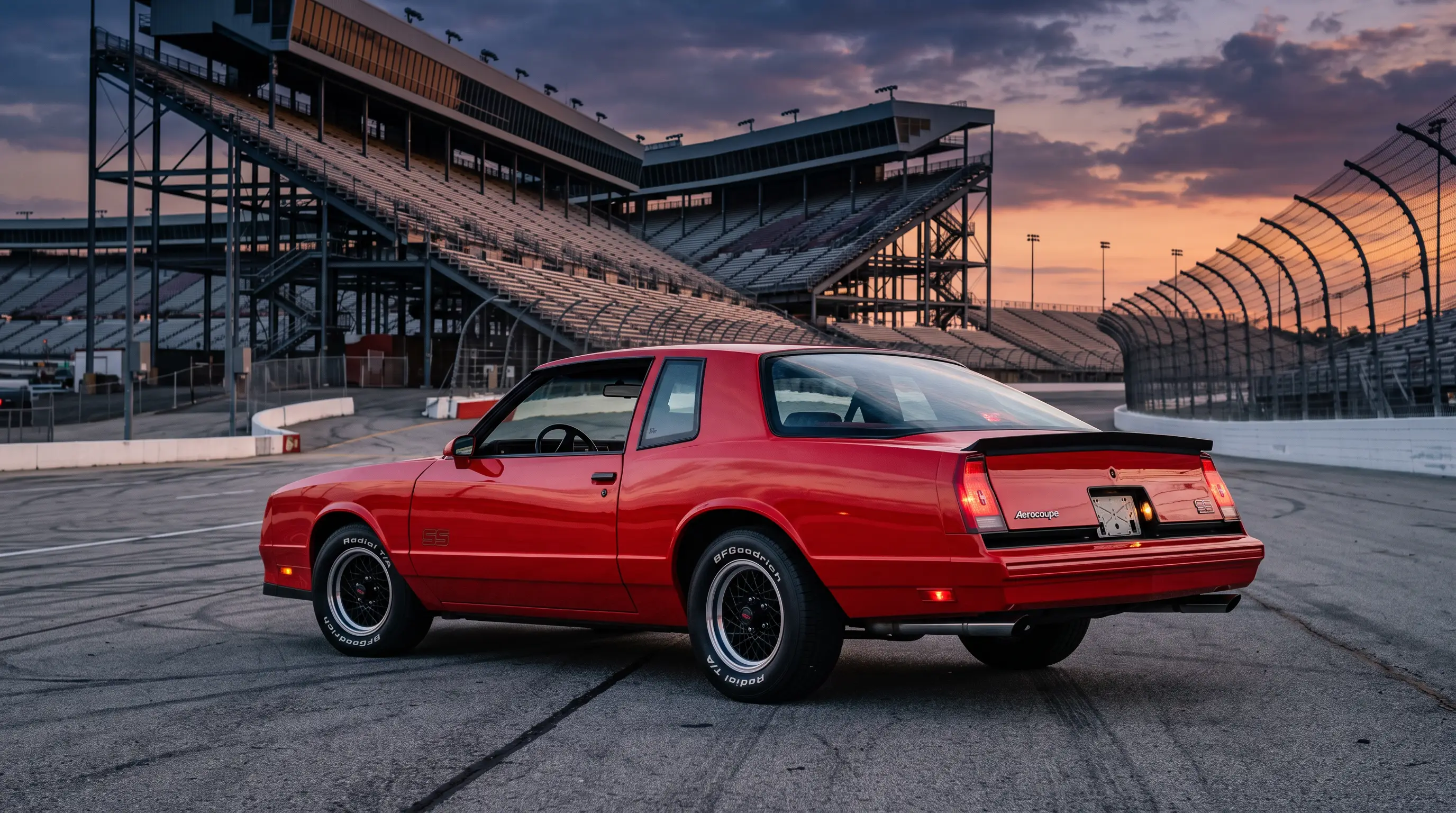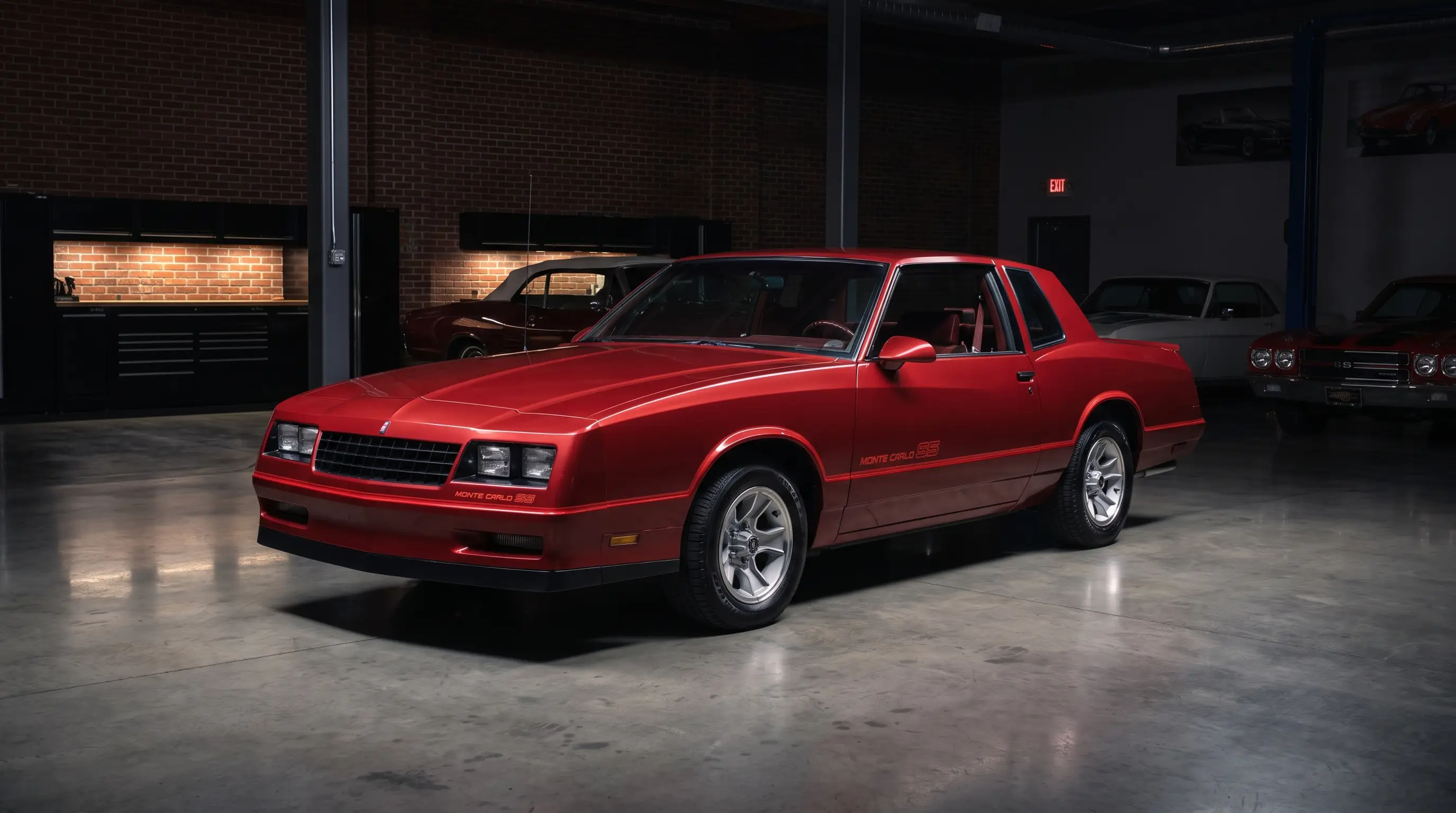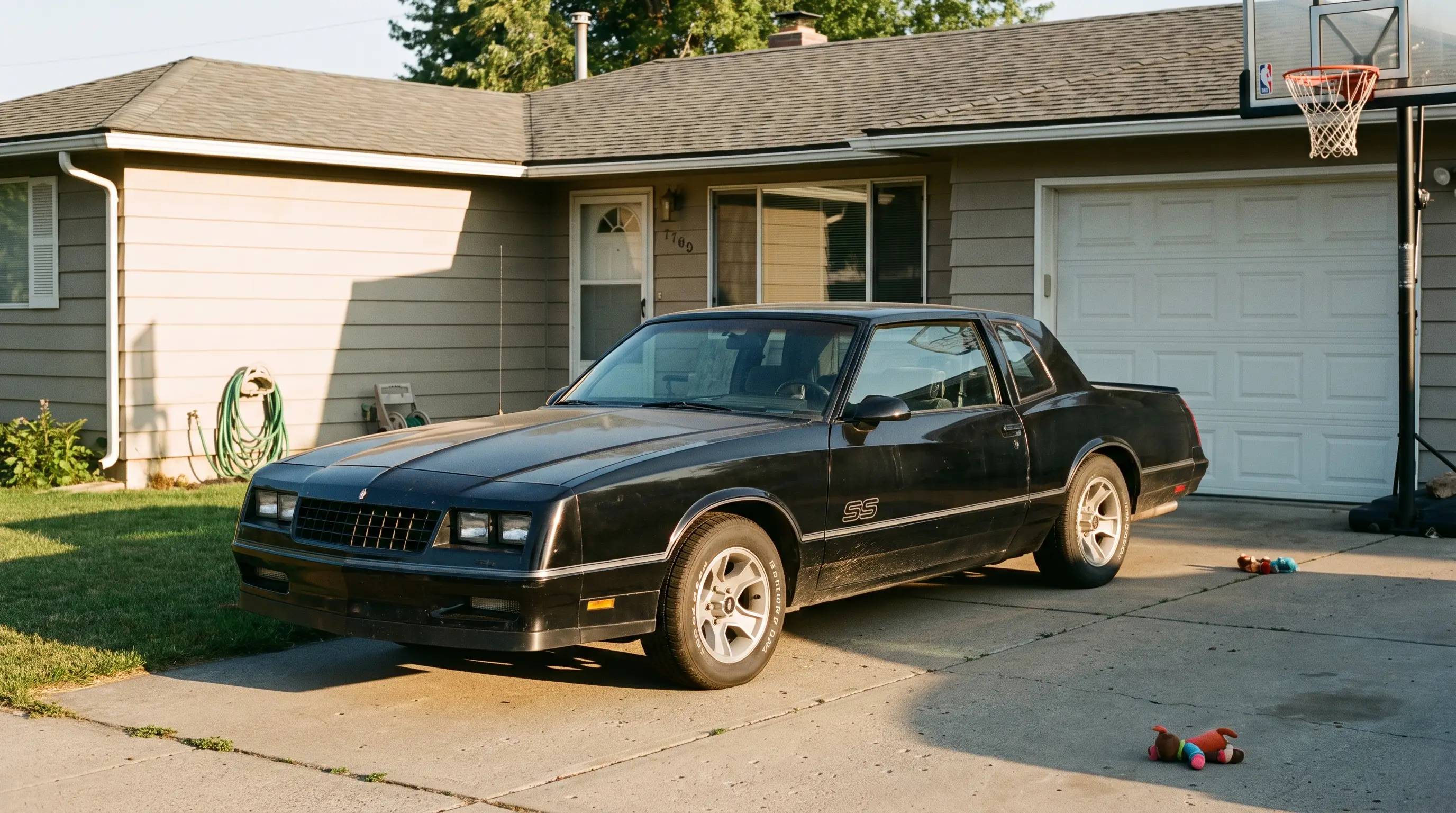
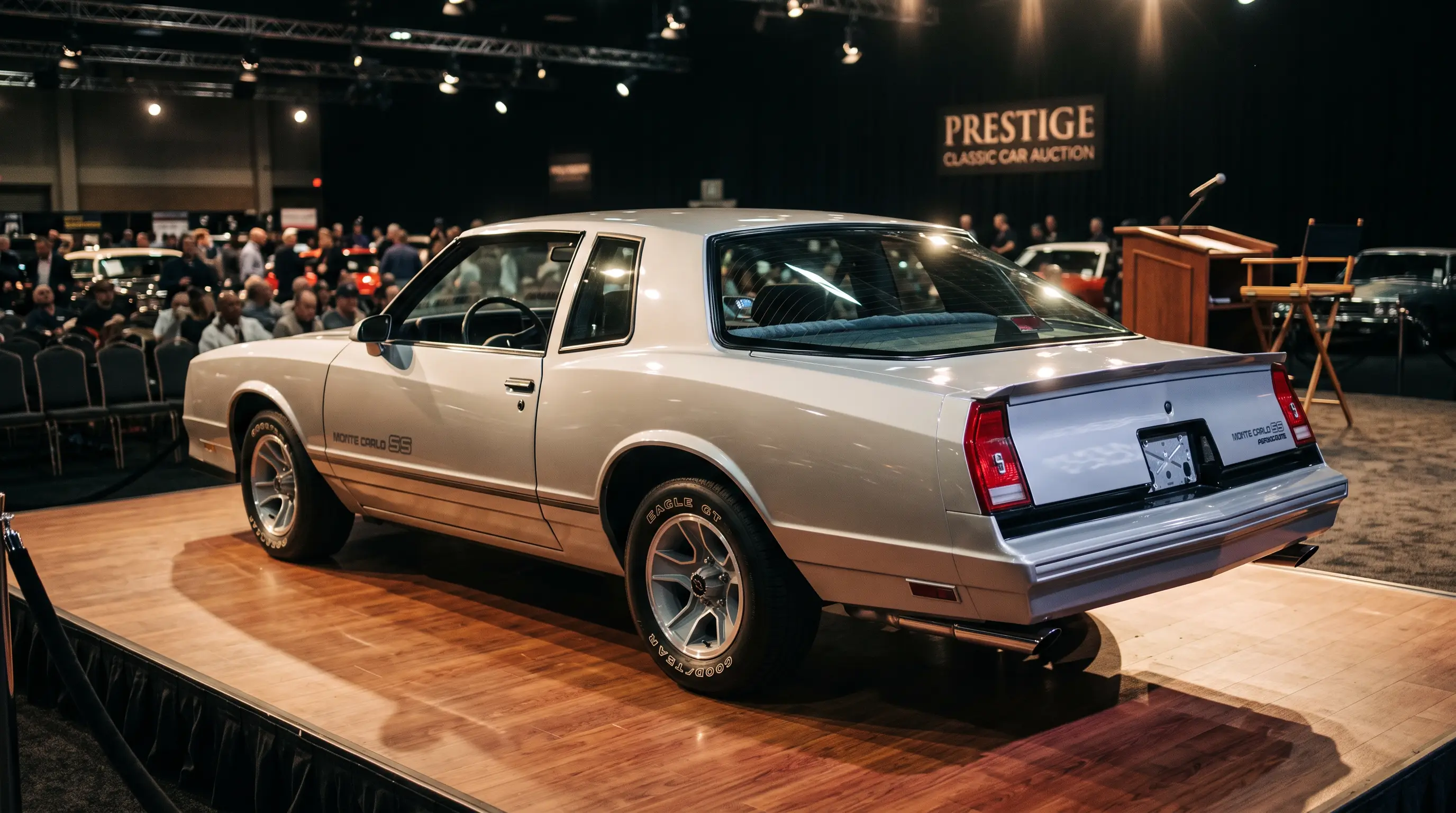
Numbers tell a story that anecdotes cannot, and the auction record for the 1986 and 1987 Monte Carlo SS Aerocoupe tells a fairly clear one: scarcity plus a documented racing connection produces a premium that has held up over multiple market cycles, not just a single hot auction season. That is the sort of pattern worth paying attention to before you decide whether an Aerocoupe belongs in a collection or a flip.
Reading the sales results correctly
The first mistake casual buyers make with any limited production car is treating the single highest recorded sale as the market. It is not. It is the ceiling, achieved by a specific car, in front of a specific room, on a specific day. What matters far more for anyone actually planning a purchase is the median result across a run of comparable sales, because that number reflects what a real buyer pool will actually pay on a normal Tuesday, not what two determined bidders will pay each other on an exceptional one.
For the Aerocoupe specifically, that median has trended upward steadily as the car's connection to the NASCAR aerodynamic rules of the period has become better understood by a broader collector audience. Early on, plenty of buyers treated these as a slightly rarer SS trim and priced them close to a standard notchback. As the homologation story spread through club newsletters and eventually mainstream collector coverage, the price gap between notchback and Aerocoupe widened, and it has stayed wide.
"The Aerocoupe premium is not hype pricing. It is a scarcity premium attached to a documented racing story, and those two things together tend to hold value better through a soft market than a car that is simply old and clean."
- David Mercer
What separates a record sale from an average one
Every headline auction result for an Aerocoupe shares a few common traits. Low recorded mileage, a complete paper trail back to the original selling dealer, and original paint or a documented restoration that did not deviate from factory specification. Remove any one of those three elements and the same car, mechanically identical, will land meaningfully lower. That is not an unusual pattern in collector cars generally, but it is worth stating plainly because Aerocoupe sellers sometimes assume the badge alone should carry the number, and buyers who have done their homework will not pay for a badge without the supporting evidence behind it.
The T-top equipped cars have shown particular strength at auction, likely because the option combination of T-tops with the sloped Aerocoupe glass is visually distinctive and photographs well in an auction catalog. Whether that translates to genuinely higher long-term value or simply higher auction-day theater is a fair question, and the honest answer is probably a mix of both.
Where the smart money is actually looking
| Buyer segment | What they are chasing | Typical outcome |
|---|---|---|
| Auction-day bidders | Headline cars with full documentation | Pay ceiling prices, get bragging rights |
| Private treaty buyers | Documented cars found off the auction stage | Often pay below the public ceiling |
| Value hunters | Solid notchback SS cars, non-Aerocoupe | Steady but unspectacular appreciation |
| Speculators | Undocumented Aerocoupes at a discount | Mixed results, hinges on later verification |
Private treaty sales, the deals struck away from the auction stage between a seller and a buyer through a broker or a club connection, tend to produce better value for buyers willing to do the legwork. There is less theater, less bidding adrenaline pushing the number past what the car is actually worth, and more room for a patient buyer to negotiate based on the actual condition and paperwork in front of them rather than the energy in an auction room.
The insurance and financing angle
An underappreciated factor in Aerocoupe values is how the car is treated by specialty collector car insurers, who have increasingly recognized documented Aerocoupes as agreed-value candidates rather than treating them under standard actual cash value policies. This distinction matters more than it might seem, because agreed-value coverage removes some of the risk a buyer takes on when purchasing a car whose insured value could otherwise be disputed after a loss. Sellers who can point to an existing agreed-value policy, or at minimum demonstrate that one is readily obtainable, make their car an easier purchase for a cautious buyer to finance and insure with confidence.
A word on originality versus restoration
The market has been fairly consistent in rewarding originality over restoration quality alone, even excellent restoration quality. A well-restored Aerocoupe with a repaint, even a period-correct one, will generally sell for less than a slightly worn original car with its factory paint intact and a clean paper trail. That is not universal across every collector segment, but it has held true often enough in the Aerocoupe results specifically that it is worth factoring into any purchase decision. Buyers are paying for authenticity as much as they are paying for cosmetic condition, and the two are not the same thing.
For readers who want the fuller narrative behind why this specific car commands the attention it does, including the racing background that underpins the whole documentation premium discussed here, our complete history lays out the year-by-year development that the auction record is ultimately pricing.
Regional auction patterns worth noting
Southern and midwestern auction venues have historically produced stronger Aerocoupe results than coastal sales, likely reflecting the car's deep roots in NASCAR country and the cultural resonance the racing connection carries in those regions. A buyer with flexibility about where they attend or bid can sometimes find better value at a venue outside the traditional muscle car auction circuit, simply because the bidding pool there has not fully caught up to the premium these cars command in markets closer to the sport's home base.
This regional pattern also affects consignment strategy for sellers. A well-documented Aerocoupe consigned to an auction with a buyer base already primed to understand and value the NASCAR connection will typically outperform the same car consigned somewhere the story has to be explained from scratch in the catalog description. Auction houses that specialize in this era of American performance cars tend to do a better job of contextualizing the Aerocoupe's significance for bidders than general classic car sales that treat it as simply another eighties Chevrolet.
What this means for a buyer today
If the goal is appreciation, documentation and originality should outrank cosmetic perfection every time a decision has to be made between the two. If the goal is simply owning a piece of this specific chapter of Chevrolet history to drive and enjoy, a solid driver-quality Aerocoupe or notchback SS remains an accessible entry point that has not been priced out of reach the way some rarer eighties performance cars have been. Either path is reasonable. What is not reasonable is walking into a purchase assuming the badge alone justifies a top-tier number without the paperwork to support it.
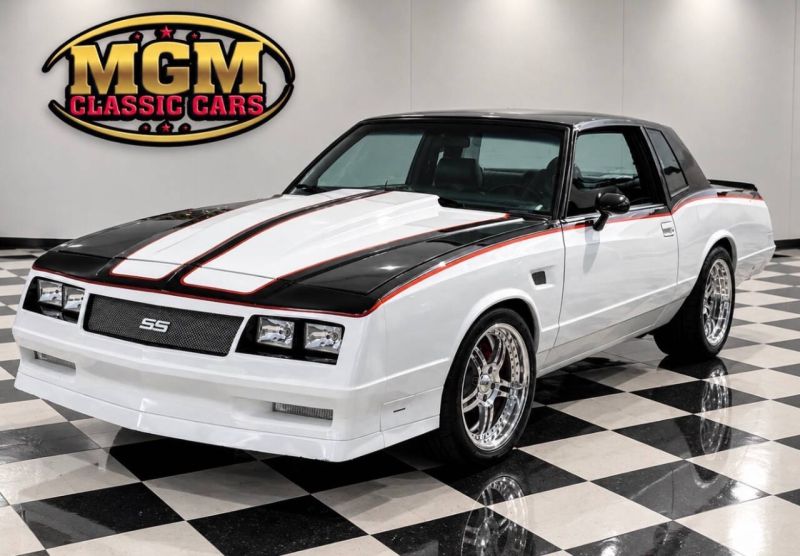
For anyone ready to start that search in earnest, there is a steady rotation of listings to browse classic Monte Carlo listings, and comparing the spread of asking prices across that inventory is one of the fastest ways to internalize exactly how much documentation and originality actually move the number in practice.