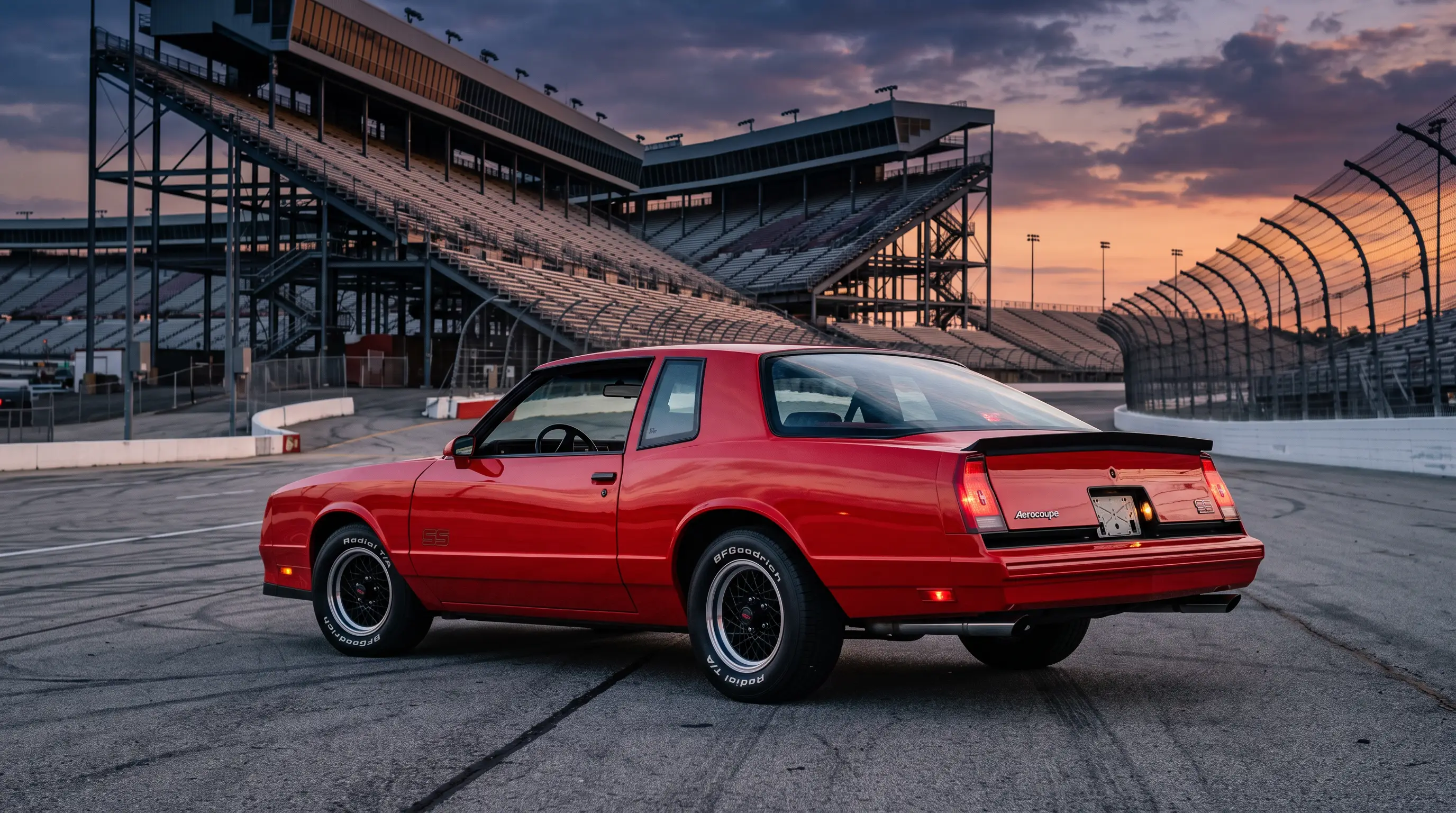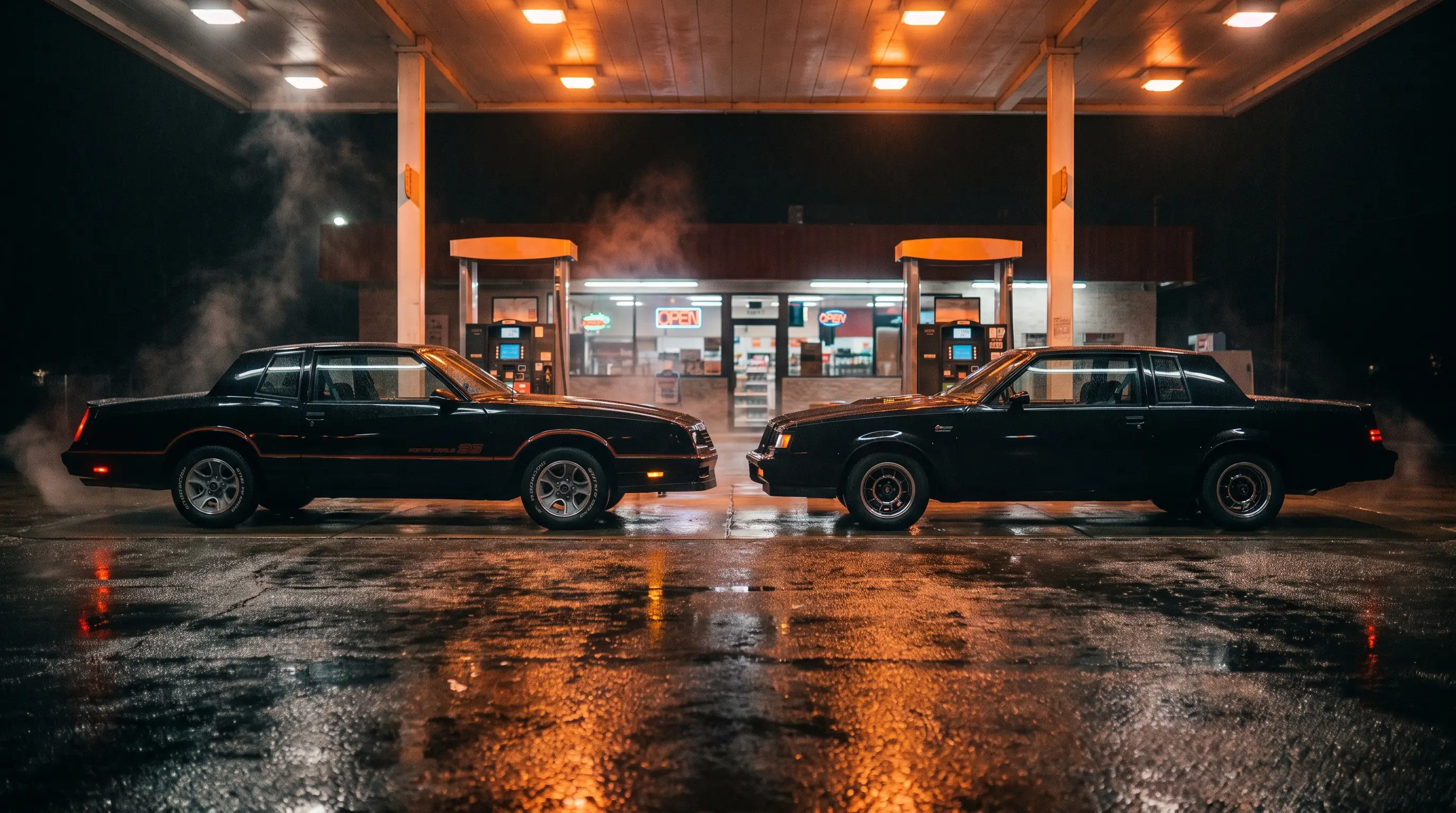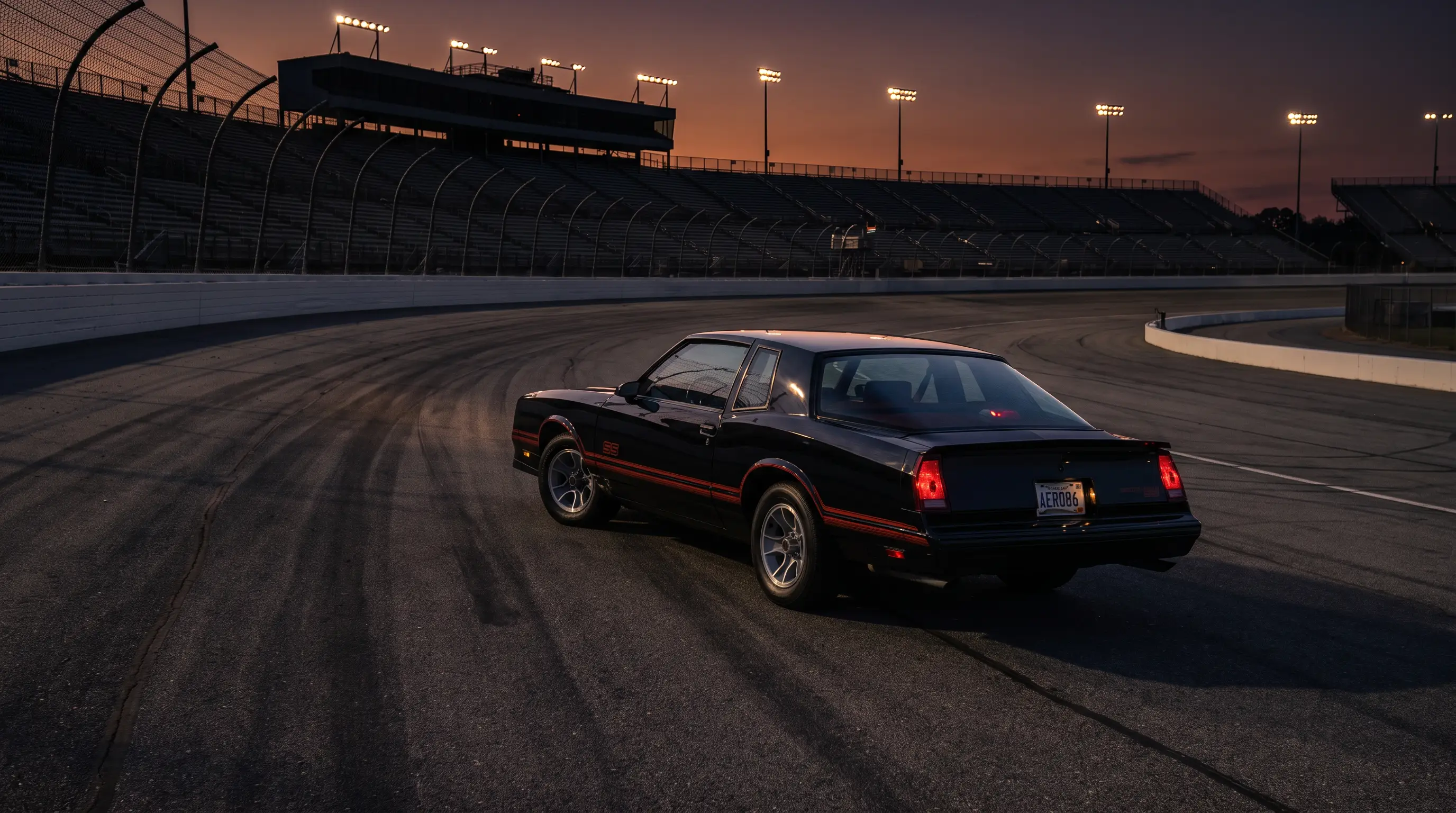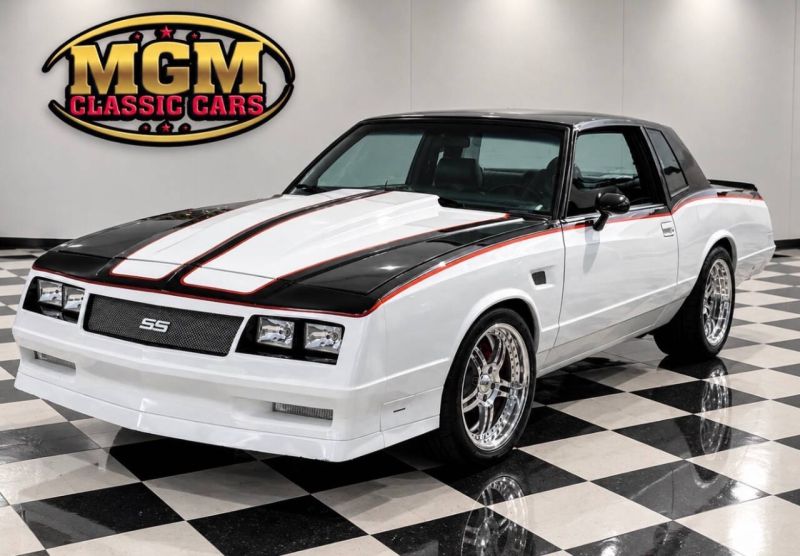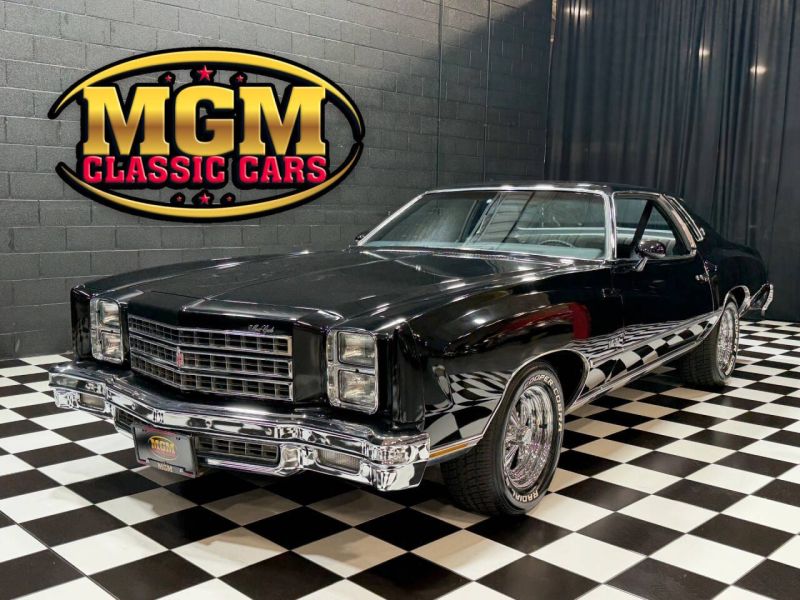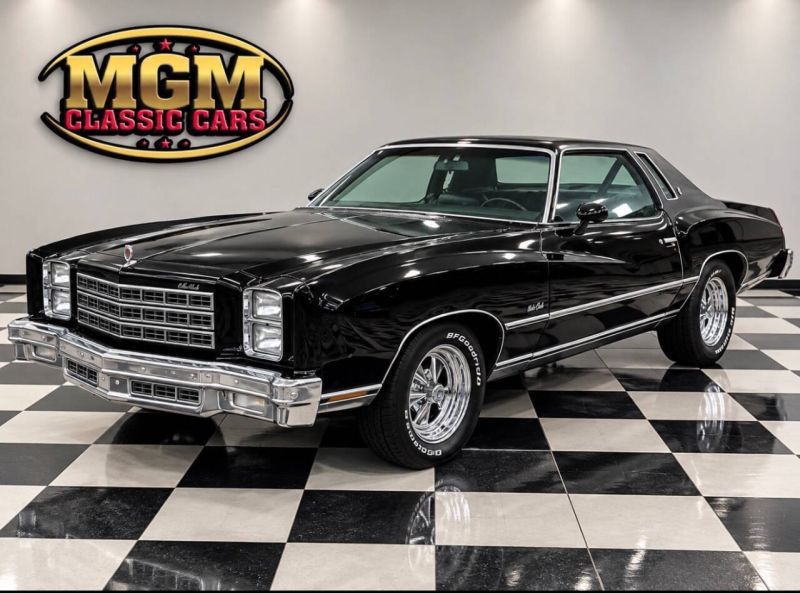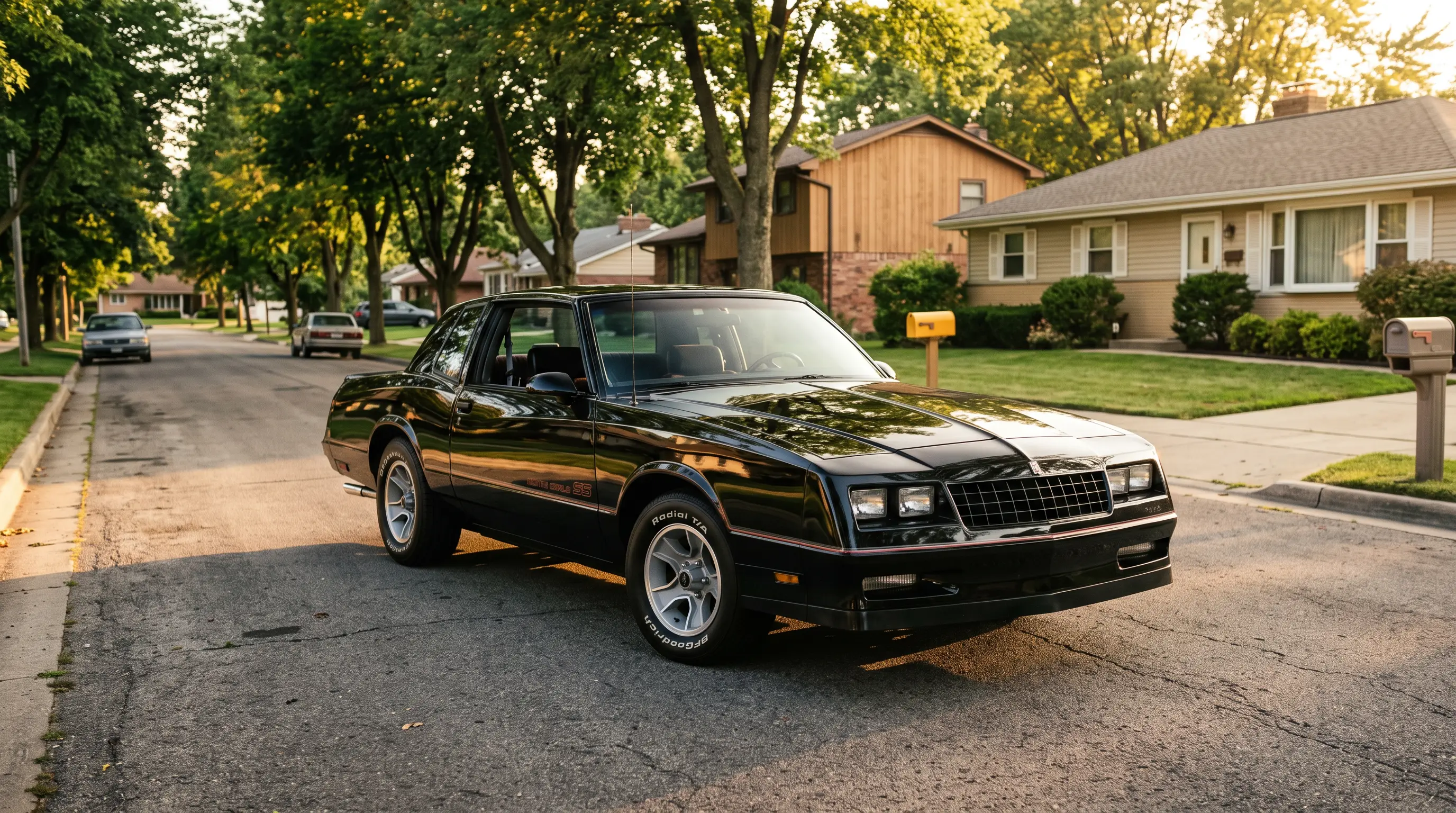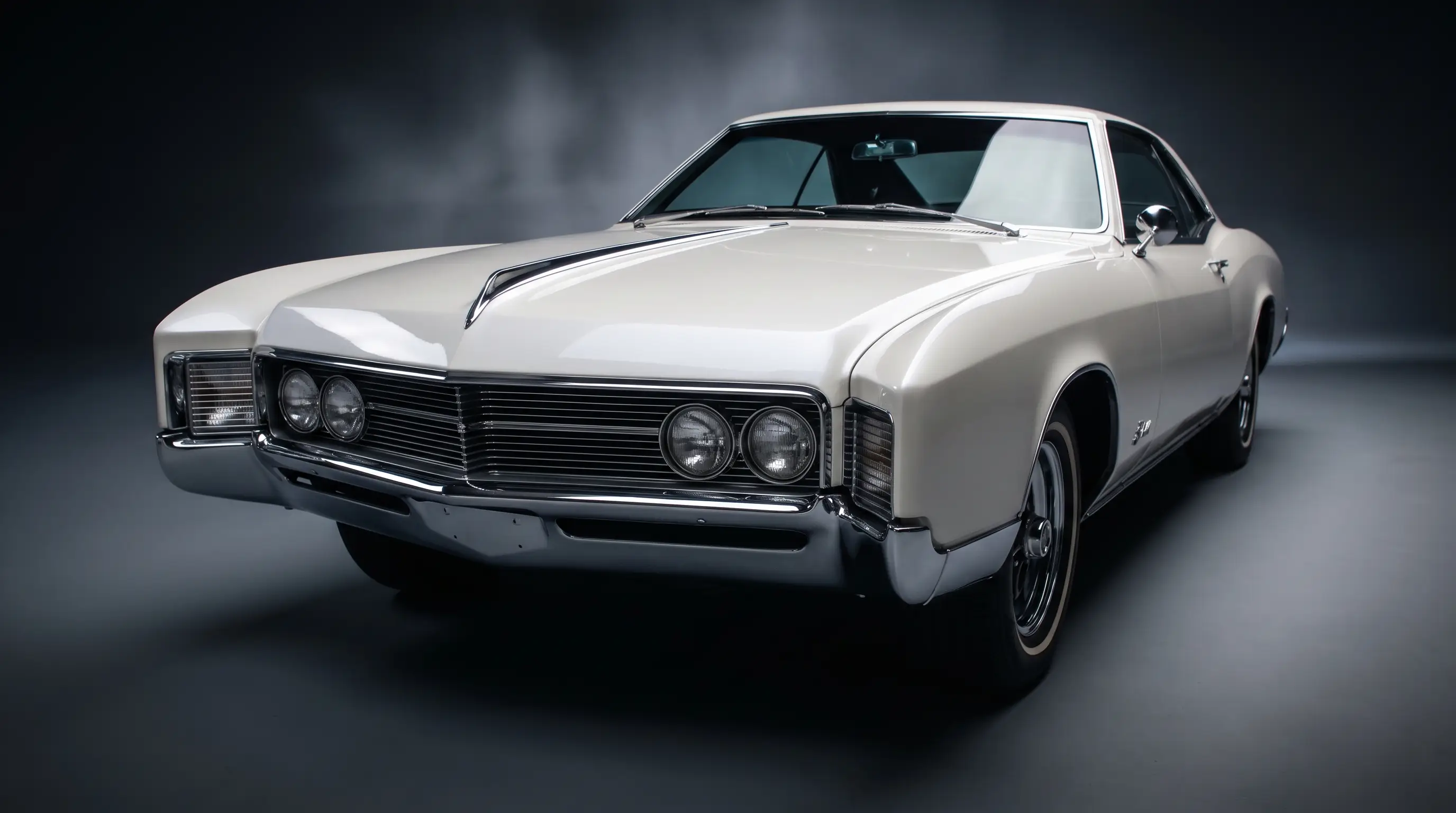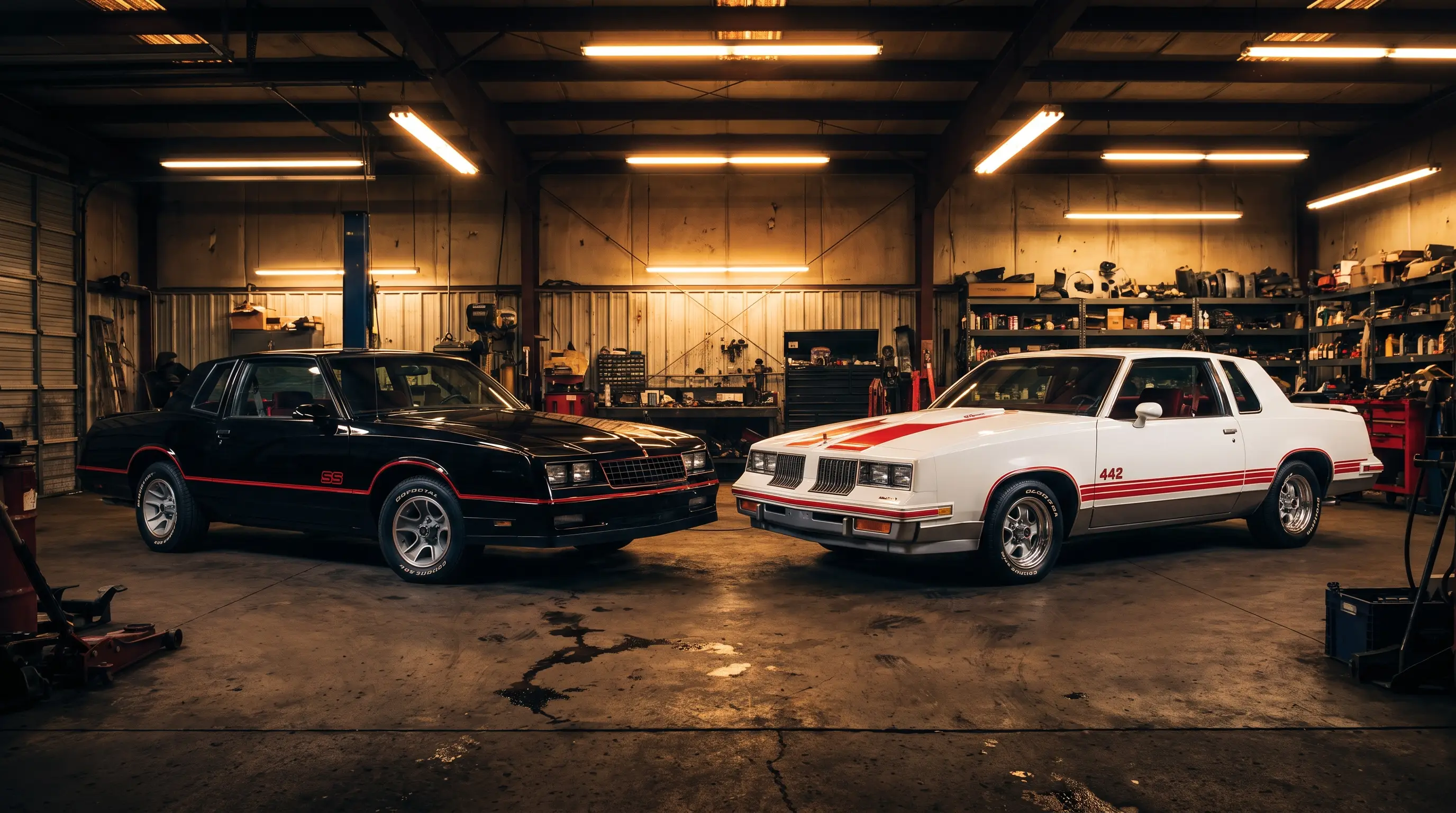
Primary source documentation settles more arguments than nostalgia does, and the monte carlo 1986 ss vs 442 gbody comparison is a good example of that principle at work. Both cars came from General Motors, both rode on the same G-body platform, and both carried names with real muscle car heritage behind them. The production records and factory literature, rather than the reputations each nameplate carries today, tell a more accurate story about how these two cars actually compared in 1986.
Shared architecture, divergent identity
By the mid-1980s, General Motors was building the Monte Carlo, the Cutlass, the Regal, and the Grand Prix all on variations of the same rear wheel drive G-body platform, a common cost saving practice that let each division dress a shared foundation in its own identity. Oldsmobile's 442 designation had returned to the Cutlass lineup as a performance package rather than a standalone model, drawing on a nameplate that traced back to the original 1964 442 with its four barrel carburetor, four speed transmission, and dual exhaust configuration. Chevrolet's SS package on the Monte Carlo had a shorter but more racing-focused history, rooted in the aero nose developed for NASCAR competition starting in 1983.
Factory build documentation from the period shows both packages were positioned as image leaders for their respective model lines rather than volume sellers. Neither the SS nor the 442 accounted for a large percentage of total Monte Carlo or Cutlass production in any given year, and dealer allocation records reflect that both were treated as halo trims meant to draw showroom traffic rather than move units in bulk.
What the drivetrain records show
The Monte Carlo SS carried the L69 305 cubic inch V8 rated at 180 horsepower, tuned specifically for the SS package with revised camshaft timing and cylinder head porting documented in Chevrolet's own service literature. The Cutlass 442 package in 1986 was paired exclusively with Oldsmobile's own 307 cubic inch high output V8, which was rated at the same 180 horsepower that year, close enough on paper that the two cars were essentially even on published output before the 442's rating dropped in 1987.
Cross-referencing period road test data against factory specification sheets shows the two cars performed within a similar range of each other in standard acceleration testing, close enough that period magazine comparisons rarely declared a decisive winner. That closeness is itself a useful historical data point, because it confirms both divisions were solving the same regulatory and market pressures with comparably conservative engineering rather than one clearly outengineering the other.
How the paperwork diverges after 1986
Where the historical record gets more interesting is in what happened to each nameplate afterward. Chevrolet continued developing the Monte Carlo SS through 1988, adding the Aerocoupe body variant specifically to maintain NASCAR relevance, a decision documented extensively through Chevrolet's own racing program records and dealer bulletins of the period. Oldsmobile's 442 package saw more limited continuation on the G-body Cutlass before Oldsmobile's broader lineup shifted toward front wheel drive platforms, a transition well documented in Oldsmobile's own internal product planning records from the late 1980s.
That divergence in documented longevity is part of why the Monte Carlo SS carries a more continuous collector narrative today. Researchers working from Chevrolet's dealer bulletins and racing program archives can trace a clear line from the 1983 aero nose through the 1988 Aerocoupe. The 442's G-body era is comparably well documented for its own production run, but the story ends earlier and with less of a racing throughline connecting the model years together.
"The build sheets do not lie the way memory does. Both of these cars were positioned as image leaders on a shared platform, and the production numbers back that up more consistently than either brand's marketing copy from the period does."
- Tom Ramirez
Reading the dealer allocation numbers correctly
One detail researchers frequently misread is what dealer allocation figures actually tell us. A low production number for either the SS or the 442 package does not automatically indicate the same thing about each nameplate. Chevrolet's SS allocation was constrained partly by deliberate scarcity tied to the racing homologation strategy discussed elsewhere in this cluster, where Chevrolet built exactly what was needed to stay competitive under NASCAR's rules and no more. Oldsmobile's 442 allocation in the same years reflects a different constraint entirely, tied more to Oldsmobile's broader corporate strategy of gradually deemphasizing rear wheel drive performance trims as the division's product planning shifted toward front wheel drive platforms across its lineup.
That distinction matters because it is easy to look at two similarly low production figures and assume they represent the same kind of scarcity. They do not. One reflects a racing organization's rulebook. The other reflects a corporate transition already underway internally, well before it became visible to dealers or customers. Treating both as equivalent flattens what the documentation actually shows about why each car was built in the numbers it was.
Service bulletins from both divisions in this period also reveal something the marketing copy never mentions directly. Both the SS and the 442 packages required specific parts numbers distinct from base model equivalents, meaning dealer technicians needed separate reference documentation to service them correctly. That level of internal differentiation, invisible to most buyers at the time, is exactly the kind of detail primary source research turns up that casual nostalgia never does. It confirms both packages were engineered as genuinely distinct products within their respective lineups rather than cosmetic badge jobs layered over an identical base car.
What the record actually settles
Neither car has a documented claim to outright superiority over the other, and the primary sources do not support the more absolute claims either fan base tends to make. Even the acceleration figures published in period road tests carry enough variance between individual test cars, tire choice, and even ambient temperature on the day of testing that treating any single number as definitive misreads how period testing actually worked. What the paperwork does confirm is that General Motors ran two genuinely parallel performance programs on the same platform through the mid-1980s, each with its own engineering priorities and its own documented history. That is a more useful conclusion than declaring a winner, because it explains why both cars still attract serious collector interest today rather than one having eclipsed the other in significance.
Where this started covers the full development of the Monte Carlo SS across its production run if you want the complete documented history behind this comparison. If the research has you looking at what survives today, classic Monte Carlo for sale is worth checking against the production figures discussed here.