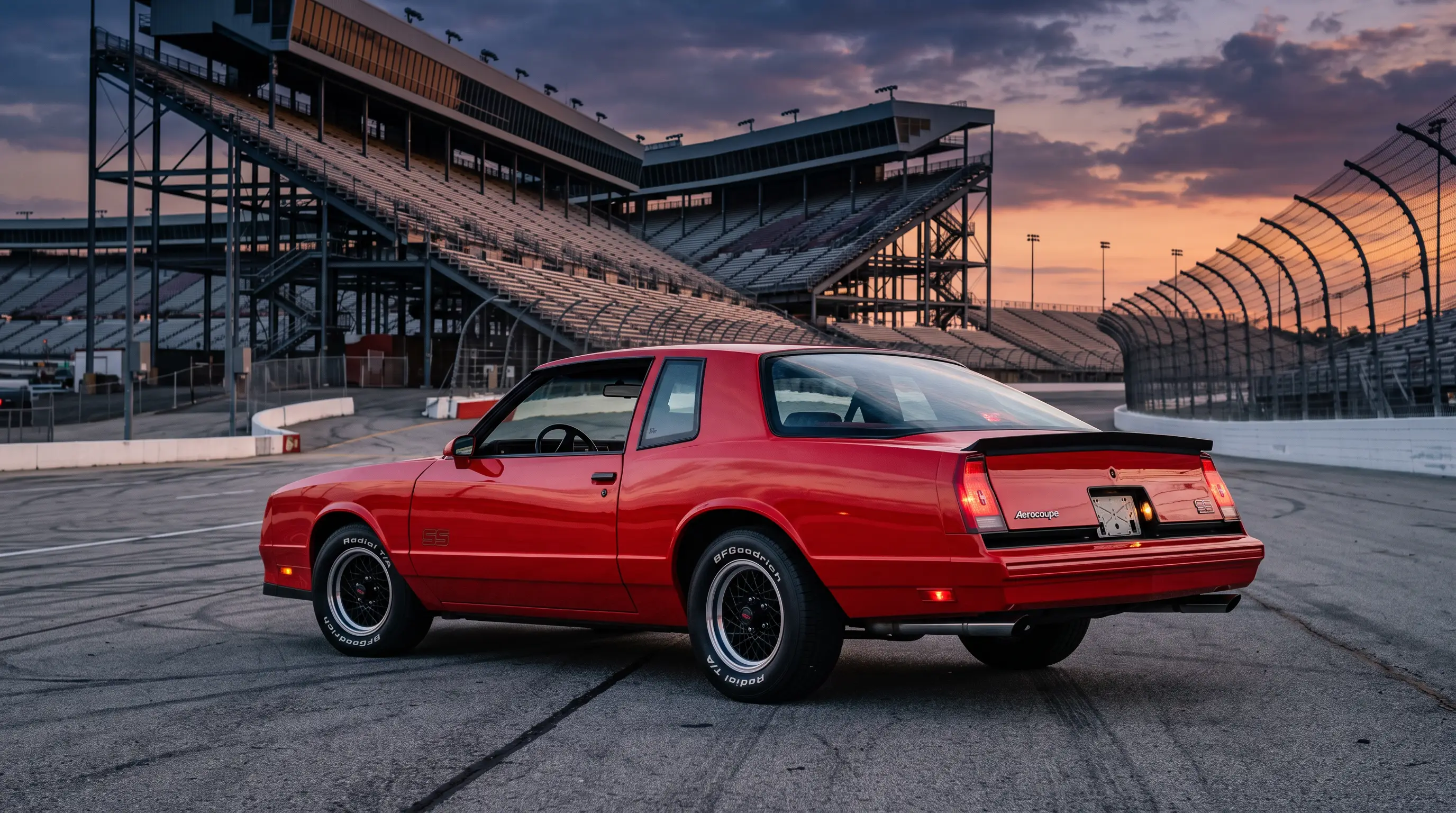
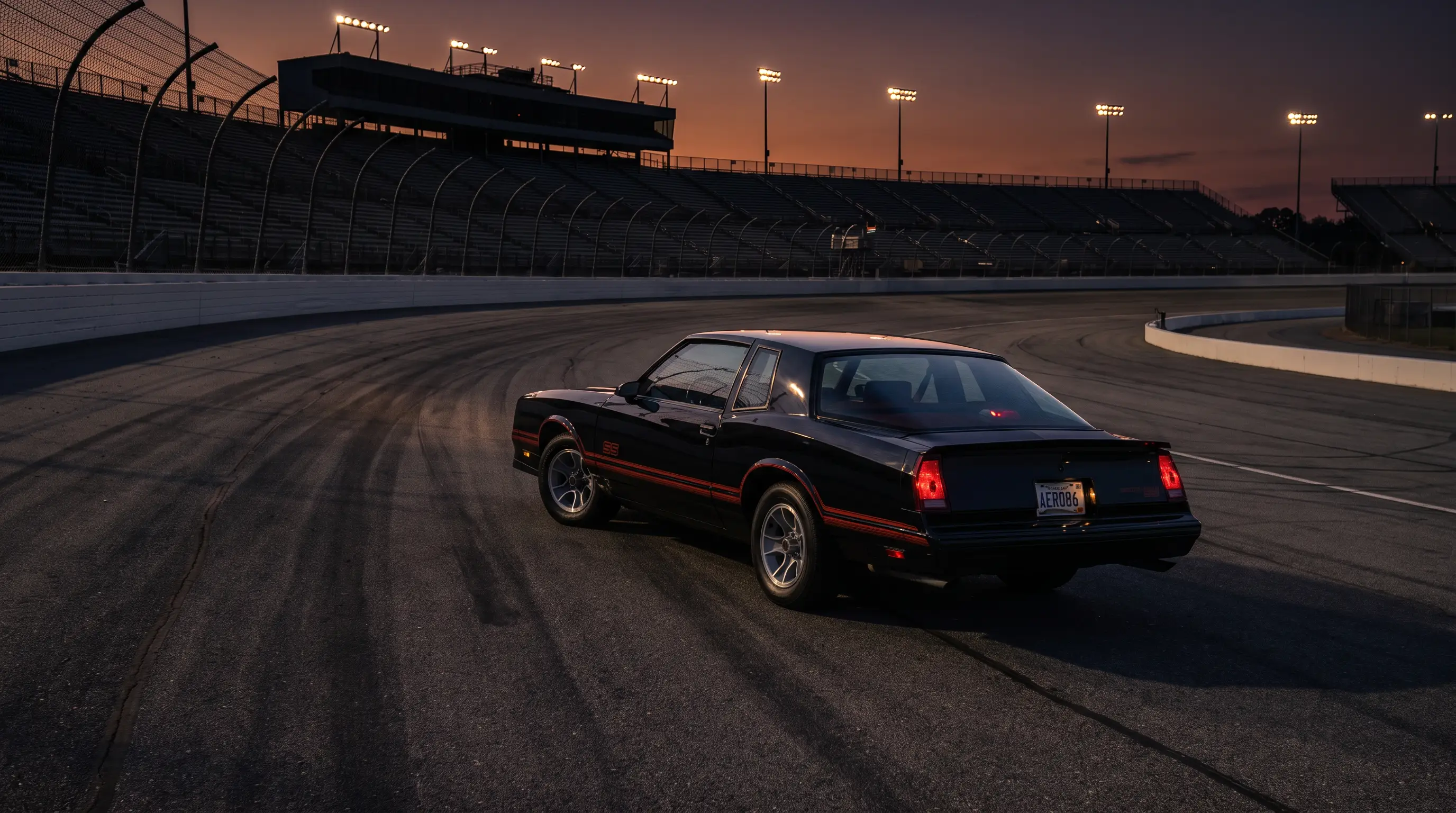
Scarcity alone does not make a car valuable. That is the first thing to get straight about monte carlo 1986 aerocoupe rarity before looking at a single auction result. Plenty of genuinely rare cars from the 1980s sell for less than well documented mainstream models, because rarity without demand is just an obscure footnote. The Aerocoupe's case is different, and the auction data over the last decade backs that up with real numbers rather than swap meet folklore.
The production number that anchors everything
Chevrolet built approximately 200 Aerocoupes for the 1986 model year, the minimum required to satisfy NASCAR's homologation rule before the body style could compete on the superspeedways. That number is the foundation of every valuation argument made about this car, and it holds up under scrutiny in a way a lot of claimed limited production figures from this era do not. Unlike inflated marketing numbers some manufacturers used loosely in period brochures, the 1986 figure is tied directly to a specific, verifiable regulatory requirement, which gives it more credibility than most 1980s rarity claims.
Production expanded significantly in 1987 once the immediate racing requirement had been satisfied and NASCAR restricted the car's on-track aerodynamic advantage, meaning the true grail year for collectors chasing scarcity specifically is 1986, not the broader Aerocoupe production run as a whole. That distinction matters enormously to how these cars are priced, and buyers who conflate the two model years are working from bad data before they even start negotiating.
What the auction results actually show
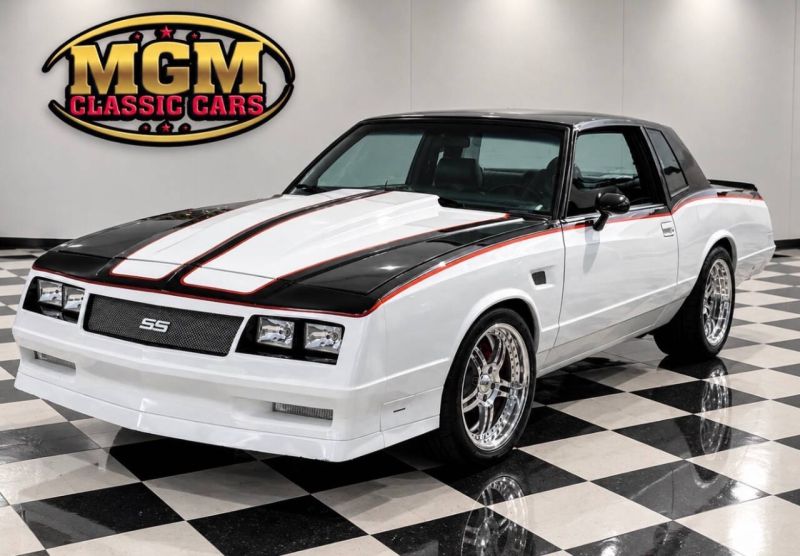
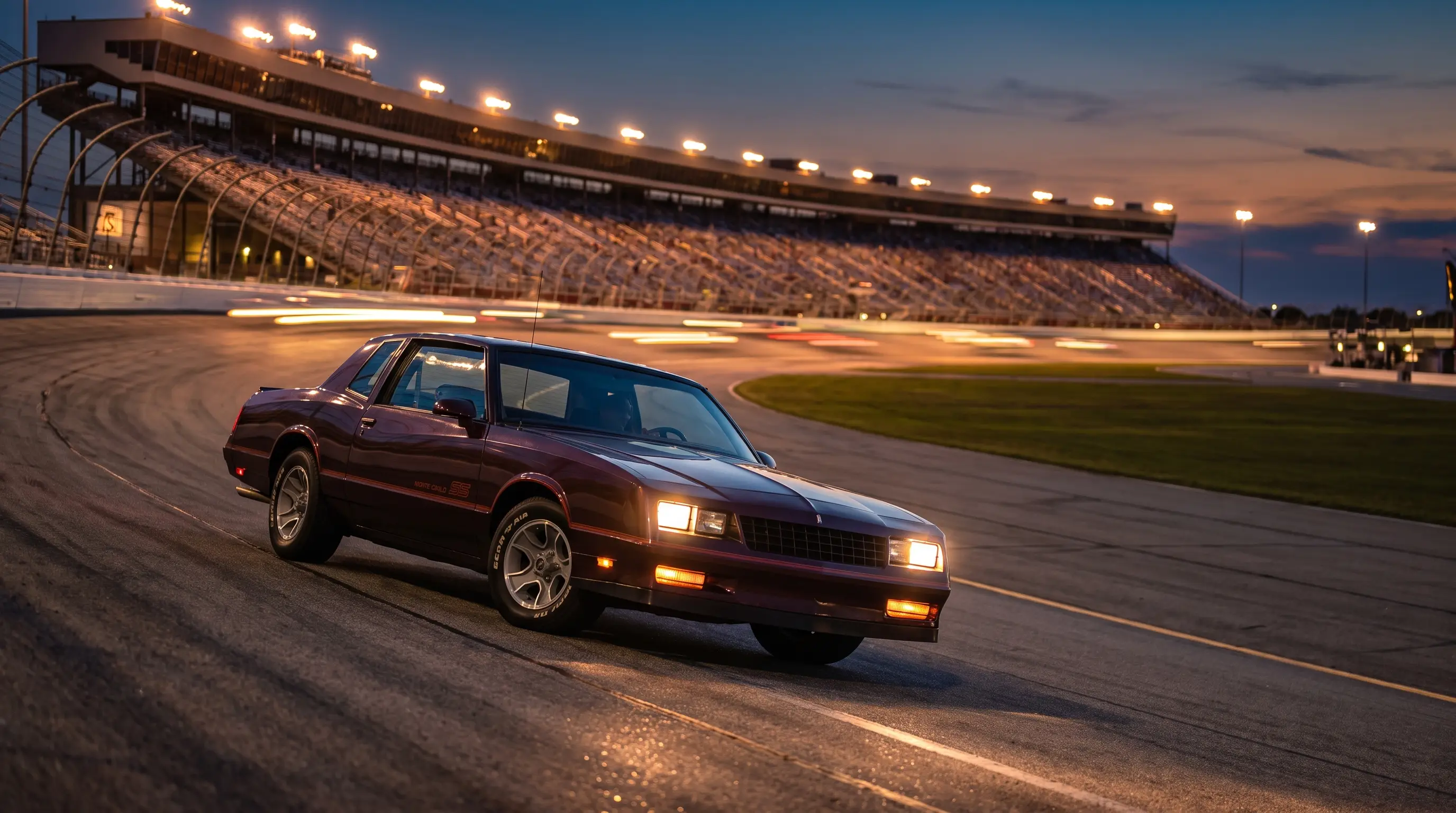
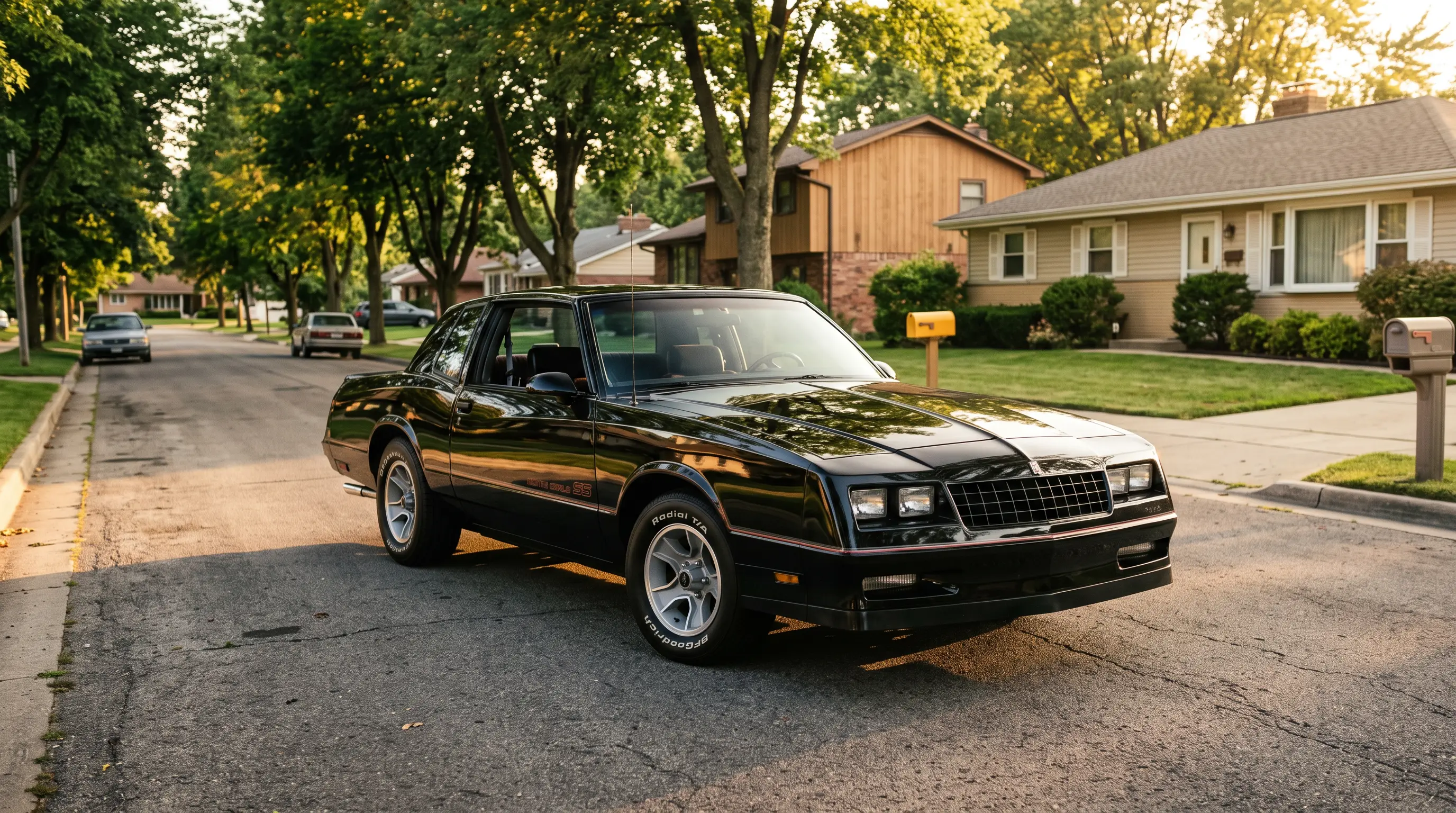
Documented sale prices for verified 1986 Aerocoupes have trended meaningfully higher than standard notchback Monte Carlo SS models of the same year, with well documented, low mileage examples commanding a clear premium at major collector auctions. That premium is not uniform across every car claiming Aerocoupe status, which is exactly where a buyer needs to slow down. Because the body panels and rear glass can theoretically be sourced and installed on a standard notchback SS, verified factory build documentation matters enormously to real market value here in a way it does not for more common configurations.
A car with a clean Protect-O-Plate, matching VIN-derived build data, and a documented ownership history sells in a different tier entirely from a car with Aerocoupe styling but no paperwork trail confirming factory origin. That gap has only widened as more buyers have become sophisticated about verifying build sheets before bidding, which is exactly the direction a maturing collector market should move.
The buy or no-buy question
For a buyer asking whether a documented 1986 Aerocoupe is worth the premium over a standard SS, the honest answer is yes, with conditions. The premium is justified by genuine scarcity tied to a verifiable regulatory story, and the car's connection to Chevrolet's NASCAR program in this era gives it a collectibility narrative that holds up independent of any single auction cycle's enthusiasm. That is a more durable foundation for value than a car that is simply old and uncommon without a specific historical reason behind it.
The conditions are just as important as the opportunity. Buyers need documented provenance, not just visual Aerocoupe styling, before paying a real premium. A car without a verifiable build sheet or window sticker carries meaningfully more risk, because the same styling elements that make a genuine 1986 Aerocoupe desirable can be replicated on a lesser car by anyone with the right parts and no interest in disclosing what they did. That risk gets priced into the market whether or not an individual seller acknowledges it upfront.
"Rarity is a starting point, not a valuation. What actually moves the price on a 1986 Aerocoupe is documented, verifiable scarcity tied to a real historical event, backed by paperwork a buyer can check independently. Take away the paperwork and you are just buying a good story."
- David Mercer
Comparing scarcity across the wider G-body field
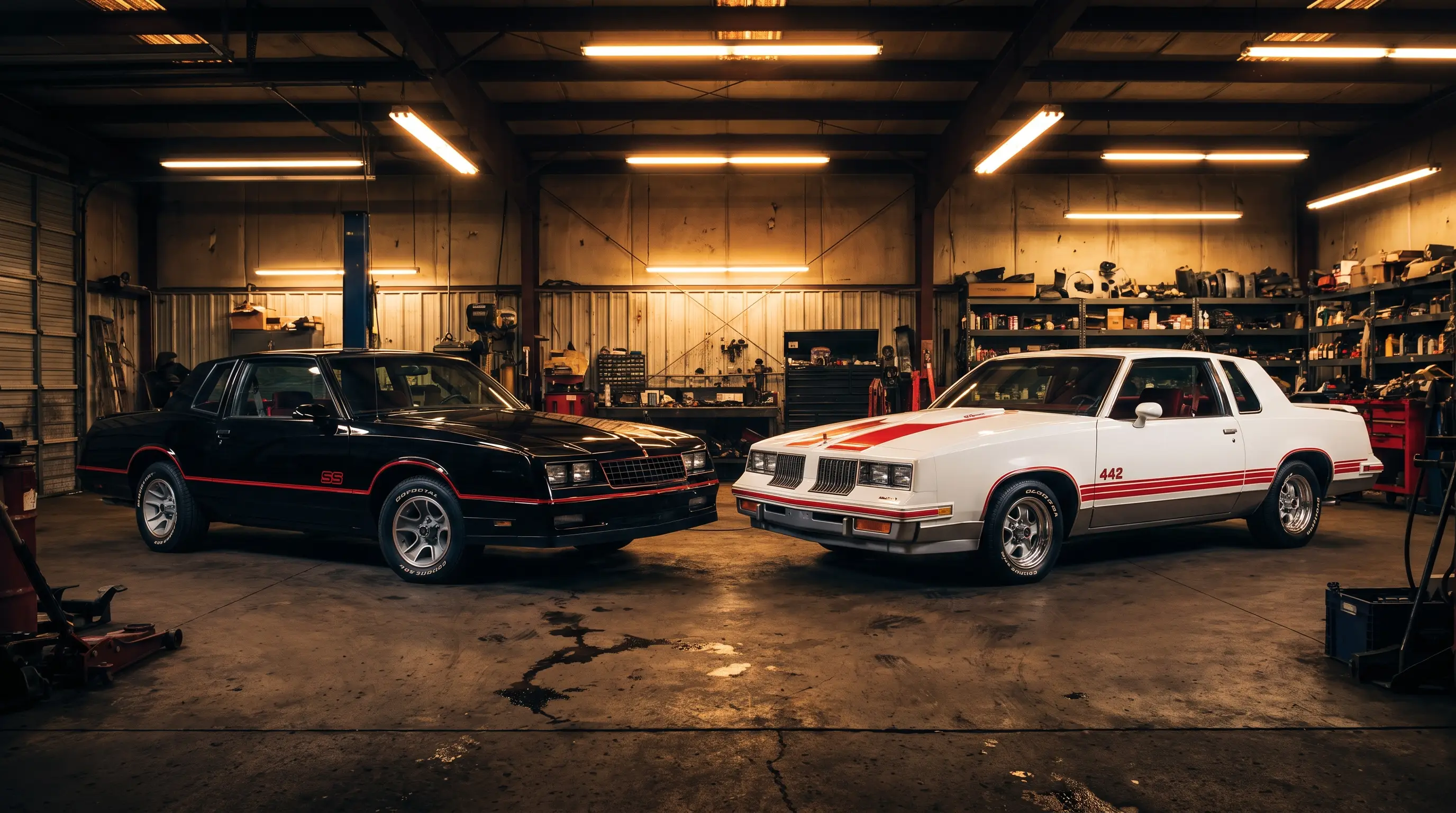
Context matters when judging whether a production number of roughly 200 units is genuinely remarkable or just a number that sounds impressive out of context. Across the broader G-body performance field of the mid-1980s, several manufacturers built limited runs for reasons ranging from genuine homologation requirements to simple marketing scarcity dressed up as something more meaningful. The distinction that separates the Aerocoupe from a lot of that noise is the specificity of its origin story. This was not a round number chosen because it sounded exclusive. It was a floor set by a sanctioning body's rulebook, verifiable against NASCAR's own regulations from the period rather than against a manufacturer's own marketing department.
That verifiability is worth more to a serious collector than the raw number itself. A buyer comparing the Aerocoupe against other claimed limited production performance cars from the same years should ask the same question every time. Is the scarcity tied to something documented and external to the manufacturer, or is it simply a production run that happened to be small because demand was small. The Aerocoupe answers that question in the more favorable direction, and that answer is a meaningful part of why its market premium has proven durable rather than a passing collector fad tied to a single auction season.
None of that guarantees future appreciation, and any analyst who tells you otherwise is selling something rather than analyzing anything. What it does mean is that the foundation under this car's value is sturdier than most 1980s rarity claims, built on a regulatory paper trail rather than a manufacturer's own marketing language, and that foundation is exactly the kind of detail a disciplined buyer should weigh more heavily than the emotional pull of the styling alone. A car with a good story and no paperwork is a bet. A car with a good story and a verifiable paper trail is closer to an informed decision, and that distinction is worth more than any single auction result taken in isolation.
Where the market goes from here
The trend line for documented 1986 Aerocoupes has been upward for long enough that it looks like a durable shift rather than a short-lived auction fad. That trend is being driven by a generation of buyers who watched this car race on television as children and now have the disposable income to chase it seriously, a demographic dynamic that tends to sustain collector values for a specific window of years before shifting toward the next generation's nostalgia targets. For a car this specifically tied to a regulatory homologation story, that window still looks like it has real room left to run.
The full story covers the broader 1986 SS lineup this Aerocoupe emerged from, useful context for understanding exactly what premium the fastback body commands over its notchback sibling. If the numbers here have you shopping seriously, browse classic Monte Carlo listings and check documentation carefully before you commit to a price.